The First Ruler Confides His Son To A Guardian;
The Prime Minister Calmly Settles Five Attacks.
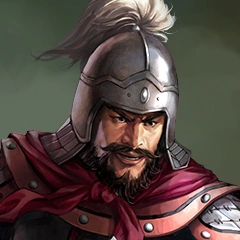
In summer, the sixth month of the second year of Manifest Might (AD 221) Lu Xun destroyed the army of Shu at Yiling. The First Ruler sought refuge in Baidicheng, of which Zhao Zilong then undertook the defense. When Ma Liang returned only to find his lord defeated, he was more distressed than he could say. He announced what Zhuge Liang had said concerning the plans.
The First Ruler sighed, saying, "If I had listened to the Prime Minister's advice, the defeat would not have happened. Now how can I face the officials if I return to my capital?"
So he promulgated a command to change the guest-house into the Palace of Eternal Peace. He was deeply grieved when they told him Feng Xi, Cheng Jin, Fu Tong, Zhang Nan, King Shamo Ke, and many of his generals had died loyally in his cause.
Next he heard people say: "Huang Quan, who had been given command of the army on the north bank, had given in to Wei. Your Majesty should deliver his whole family to the authority and hold them responsible for the renegade."
But the First Ruler only said, "The army was quite cut off by Wu from the south bank, and he had no alternative but to surrender. Really, I betrayed him, not he me. Why should I take vengeance on his family?"
So he continued the issue of the renegade's pay to his family.
When Huang Quan surrendered, he was led into the presence of the Ruler of Wei.
Cao Pi said, "You have surrendered to me because you desired to imitate the admirable conduct of Chen Ping and Han Xin of old."
But Huang Quan replied, weeping, "The Ruler of Shu has been very kind to me, and he gave me the leadership of the army on the North of the Great River. Lu Xun cut me off so that I could not return to Shu, and I would not surrender to Wu, wherefore I have yielded to Your Majesty. Defeated as I am, I should be only too happy if my life were spared, but I have no claim to the credit of the virtuous ones of old."
The reply satisfied the Ruler of Wei, and he conferred on him the title General Who Guards the South. But Huang Quan, however, declined the offer.
Then one of the courtiers said, "A spy has reported that all of your family have been put to death by the Ruler of Shu."
But the leader replied that he could not believe it.
"The Ruler of Shu and his officials trust each other. He knows my heart, and he would not injure my family."
And the Ruler of Wei agreed with his opinion.
A poem has been written upbraiding Huang Quan:
That was a pity that Huang Quan grudged to die;
Though he yielded to Wei, not Wu,
Yet he crooked the knee in an alien court.
Which the loyal cannot do.
Cao Pi sought advice from Jia Xu concerning his design of bringing the whole country under his own rule.
"I wish to bring the whole empire under my rule. Which shall I first reduce, Shu or Wu?"
"Liu Bei is an able warrior, and Zhuge Liang is a most capable administrator. Sun Quan possesses discrimination, and his general, Lu Xun, occupies all the strategic positions of importance; the natural obstacles, the intervening rivers and spreading lakes, would be hard to overcome. I do not think you have any leader to match either of these two men. Even with the prestige of Your Majesty's own presence, no one could guarantee the result. The better course is to hold on and await the outcome of the struggle between those two."
"I have already dispatched three armies against Wu. Can it be that they will fail?"
The Chair of the Secretariat, Liu Ye, held the same opinion as his colleague.
Said he, "Lu Xun has just won a great victory over the Shu force of seven hundred thousand, and all his army is full of confidence. Further, there are the lakes and the rivers, which are natural difficulties hard to cope with. And again, Lu Xun is resourceful and well prepared."
The Ruler of Wei said, "Formerly, Sir, you urged me to attack Wu. Why do you now give contrary advice?"
"Because times have changed. When Wu was suffering defeat after defeat, the country was depressed and might be smitten. Now this great victory has changed all that, and their morale has increased a hundred times. I say now they may not be attacked."
"Well, but I have decided to attack. So say no more," said the Ruler of Wei.
He then led the Imperial Guards out to support his three armies.
But the scouts soon brought news justifying the opinion of his advisers: "A force of Wu has been sent to oppose each of our three armies. Lu Fan leads an army against Cao Xiu at Dongkou, Zhuge Jin against Cao Zhen at Nanjun, and Zhu Huan against Cao Ren at Ruxu."
Liu Ye pointed this out and again said, "Wu has prepared, and no success can be expected."
Still Cao Pi was obstinate, and marched.
The Wu leader, Zhu Huan, who had been sent against Cao Ren at Ruxu, was a young man of twenty-seven. He was bold and resourceful, and Sun Quan held him in great regard. Hearing that Cao Ren was going to attack Xianxi, Zhu Huan led the bulk of his troops to defend it, leaving only five thousand troops in Ruxu. Then he heard that the van of the enemy, fifty thousand under General Chang Diao, with the aid of Zhuge Qian and Wang Shuang, had made a dash for Ruxu, so he hastened back and found the officers were in great fear.
Drawing his sword, he made a speech, "Success depends upon the leader rather than on the number of soldiers. The Art of War says that the value of one soldier who inhabits the place equals that of two soldiers who come from afar; and those who are hosts, however in small number, can overcome those who are guests. Now the enemy is weary from a long march, and I and you, my men, can hold this place together. We have the Great River to defend us on the south, and we are backed by the mountains on the north. Success should be ours easily, and we are as hosts at home awaiting the arrival of our weary visitors. This will give us victory in every fight. Even if Cao Pi comes, we need feel no anxiety. How much less care we for Cao Ren and his troops?"
Zhu Huan he issued orders to furl all the banners and to silence all the drums as if the city was empty of defenders.
In time, Chang Diao and his veterans of the van came to the city. Not a person was visible, and he hastened forward with all speed. But as he neared the city, suddenly a bomb went off. Immediately up rose a forest of flags, and out dashed Zhu Huan with his sword drawn. And he made for Chang Diao. In the third encounter Zhu Huan cut down Chang Diao, and the troops of Wu, rushing to the attack, thoroughly routed the invaders, slaying innumerable soldiers. Beside scoring a complete victory, Zhu Huan took much spoil of flags and weapons and horses.
Cao Ren himself, coming up later, was attacked by the troops from Xianxi and was also routed. He fled home to his master with the news of defeat and destruction.
And before the Ruler of Wei could decide what course to take in regard to this loss, the news came of the defeat of his another army: "Cao Zhen and Xiahou Shang were besieging Nanjun when Zhuge Jin from within and Lu Xun from without attacked in concert. The two generals suffered a great loss."
Immediately, another report came: "Cao Xiu has been defeated by Lu Fan at Dongkou."
So all three armies had failed and were lost.
Cao Pi sighed and said sadly, "This has come from my willfulness, and my neglect of the advice of Jia Xu and Liu Ye."
The summer of that year was very unhealthy, and a pestilence swept away the soldiers more than half the number. So they were marched home to Capital Luoyang. The two countries were at enmity though they were not fighting.
Meanwhile the First Ruler was failing. He remained in his Palace of Eternal Peace at Baidicheng and presently was confined to his couch. Gradually he became worse, and in the fourth moon of the third year of Manifest Might (AD 222) his condition became serious. He himself felt the end was near, and he was depressed and wept for his two lost brothers till the sight of his eyes suffered. He was morose and ill-tempered: He could not bear any of his court near him, drove away his servants and lay upon his couch sad and solitary.
One evening as thus he lay, a sudden gust of wind came into the chamber, almost extinguishing the candles. As they burned bright again, he saw two men standing in the shade behind them.
"I told you I was worried," said the First Ruler, "and bade you leave me. Why have you come back? Go!"
But they remained and did not go. Wherefore the First Ruler rose and went over to look at them. As he drew near he saw one was Guan Yu and the other Zhang Fei.
"Are you still alive, then, brothers?" said he.
"We are not men; we are shades," said Guan Yu. "The Supreme One has conferred spirithood upon us in consideration of our faithfulness throughout life, and ere long, brother, we three shall be together again."
The First Ruler clutched at the figures and burst into tears; then he awoke. The two figures were no longer there. He called in his people and asked the hour. They told him the third watch.
"I am not much longer for this world," said he with a sigh.
Messengers were sent to Capital Chengdu to summon the Prime Minister and other high officers of state to receive the Emperor's last instructions. They came, Zhuge Liang bringing the two younger sons, Prince of Lu Liu Yung and Prince of Liang Liu Li. The eldest, the heir-apparent, was left in charge of the capital.
Zhuge Liang saw at once that his master was very ill. He bowed to the ground at the foot of the Dragon Couch.
The dying Emperor bade him come near and sit beside him, and he patted his Minister on the back, saying, "The attainment of emperorship was your work. Little thought you that I should prove so stupid as not to follow your advice and so bring about the late disasters. But I am deeply sorry, and now I shall not live long. My heir is a degenerate, but I must leave him to do the best he can with the great inheritance."
And the tears flowed in streams.
"I trust Your Majesty will fulfill the hopes of the people by a speedy recovery," said Zhuge Liang, also in tears.
Turning his head, the First Ruler saw Ma Su, Ma Liang's brother, at the bedside. He bade him retire.
When Ma Su had left the chamber, the First Ruler said, "Do you think Ma Su is clever?"
"He is one of the ablest people in the empire," said Zhuge Liang.
"I do not think so. I think his words exceed his deeds. Do not make much use of him. Watch him carefully."
Having said this, he bade them summon the high officers of state to the chamber. Taking paper and pen, the First Ruler wrote his testament.
He handed it to the Prime Minister with a sigh and said, "I am no great scholar, and I only know the rough outlines of what should be known. But the Teacher has said: 'A bird's song is sad when death is near, and a dying person's words are good.' I was waiting that we might aid each other in the destruction of the Caos and the restoration of the Hans, but ere the work is complete I am called away, and this last command of mine I confide to you as Prime Minister to be handed to my son and heir, Liu Shan. My words are to be taken seriously. I trust that you will instruct and guide my son."
Zhuge Liang and all those present wept and prostrated themselves, saying, "We pray Your Majesty repose yourself. We will do our utmost whereby to prove our gratitude for the kindness we have received."
At the First Ruler's command the attendants raised Zhuge Liang from the earth. With one hand the dying man brushed away the falling tears, while with the other he grasped Zhuge Liang's hand.
And he said, "The end is near. I have something more to say as to a close general."
"What holy command has Your Majesty to give?" said Zhuge Liang.
The First Ruler said, "You are many times more clever than Cao Pi, and you must safeguard the kingdom and complete the great work. If my son can be helped, help him. But if he proves a fool, then take the throne yourself and be a ruler."
Such a speech almost startled Zhuge Liang out of his senses. A cold sweat broke out all over his body, and his limbs threatened to cease to support him.
He fell on his knees, saying, "I could never do otherwise than wear myself to the bone in the service of your son, whom I will serve till death."
He knocked his head upon the ground till blood ran down.
The dying man called Zhuge Liang closer, and at the same time making his two sons come near, he said to them, "My sons, remember your father's words. After my death you are to treat the Prime Minister as you would your father and be not remiss, for thereby you will fulfill your father's hopes."
He made the two Princes pay to Zhuge Liang the obeisance due to a father.
Said Zhuge Liang, "Were I destroyed and ground into the earth, I should be unable to repay the kindness I have experienced."
Turning to the assembled officers, the First Ruler said, "As you have seen, I have confided my orphan son to the care of the Prime Minister and bidden my sons treat him as a father. You too, Sirs, are to treat him with deference. This is my dying request and charge to you."
Turning to Zhao Zilong, he said, "You and I have gone together through many dangers and difficulties. Now comes the parting of our ways. You will not forget our old friendship, and you must see to it that my sons follow my precepts."
"I shall never dare to give other than my best," said Zhao Zilong. "The fidelity of the dog and horse is mine to give and shall be theirs."
Then the First Ruler turned to the others, "Noble Sirs, I am unable to speak to you one by one and lay a charge upon each individual. But I say to you: Maintain your self-respect."
These were his last words. He was sixty-three, and he died on the twenty-fourth day of the fourth month (AD 222). A poem was written by Du Fu on his death:
The Emperor set out to destroy the land that lay through the Three Gorges,
Failed he and breathed his last in the Palace of Eternal Peace,
The Palace fair of his thoughts lay not this side the highlands.
Beautiful chambers are vainly sought in his rural temple,
Now are the pines near his shrine nesting places for herons,
Through the courts aged peasants saunter, enjoying their leisure,
Nearby often is found a shrine to this famous strategist,
Prince and minister's needs are now but offerings in season.
Thus died the First Ruler. All present lifted up their voices and wept.
The Prime Minister led the procession that escorted the coffin to the capital, and the heir, Liu Shan, came to the outskirts of the city, as a dutiful son should, to receive the remains with due respect. The coffin was laid in the Great Hall of the Palace, wherein they lamented and performed the ceremonies appointed. At the end of these the testament was opened and read:
"I first fell ill from a simple ailment. Other disorders followed, and it became evident that I should not recover.
"They say that death at fifty cannot be called premature. As I have passed sixty, I may not resent the call. But when I think of you and your brothers, I regret. Now I say to you, strive and strive again. Do not do evil because it is a small evil; do not leave undone a small good because it is a small good. Only with wisdom and virtue people can be won. But your father's virtue was but slender, and do not imitate.
"After my death you are to conduct the affairs of the state with the Prime Minister. You are to treat him as a father and serve him without remissness. You and your brothers are to seek instructions. This is my final and simple command."
When the officials had read this, Zhuge Liang said, "The state cannot go a single day without a ruler, wherefore I beg you to install the heir as successor to the great line of Han."
Thereupon the ceremony was performed, and the new Emperor took his place. The style of the reign was changed to "Beginning Prosperity". Zhuge Liang was made Lord of Wuxiang and Imperial Protector of Yizhou.
Then they buried the late Emperor at Huiling with the posthumous style of Liu Bei the Glorious Emperor.
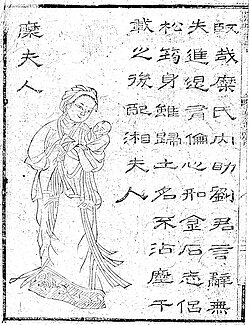
The Empress, of the Wu family, was formally created Empress Dowager. The late Consort Gan became the Glorious Empress, and the Lady Mi was granted similar, also posthumous, rank. There were promotions in rank and rewards for all, and a general amnesty was proclaimed.
Before long, knowledge of these things came to the Middle Land, and a report was sent to Capital Luoyang and made known to the Ruler of Wei.
Cao Pi felt relieved and was glad of the death of his rival, saying, "Liu Bei is dead: I am no longer worried. An attack during the critical moment can bring a victory over Shu."
But Jia Xu dissuaded him, saying, "Liu Bei is gone, but surely he has confided the care of the state to Zhuge Liang, who is indebted to him so deeply. He will exhaust every effort to support his young lord. You may not hastily attack."
As Jia Xu tendered this remonstrance, a man suddenly stepped out from the serried ranks of courtiers and said fiercely, "If you neglect this moment, can you expect a more favorable opportunity?"
All eyes turned to the speaker. It was Sima Yi.
The interruption greatly pleased Cao Pi, who at once asked how it was to be done.
Sima Yi propounded his plan in the following speech: "It would be very difficult to obtain success with our own resources. Hence we must use five armies and attack all round at the same time, so as to divide Zhuge Liang."
"Where are the five armies to come from?" said Cao Pi.
Sima Yi went on, "The first is to be got from Liaodong, from the Xianbi State. You must write to King Kebi Neng and send him presents of gold and silks so that he may send one hundred thousand Qiang troops from Liaoxi to attack Xiping Pass. Secondly, the king of the Mang Tribes, Meng Huo, must be persuaded to lead one hundred thousand troops to attack the south of Shu---Yizhou, Yongchang, Zangge, and Yuesui. Thirdly, you must send an ambassador to Wu with fair promises of an increase of territory, and so induce Sun Quan to march one hundred thousand troops to the attack of the Three Gorges, making Fucheng his objective. The fourth army can be got from General Meng Da in Shangyong, who can muster one hundred thousand troops to attack Hanzhong. Lastly, our own force of one hundred thousand troops may be placed under Cao Zhen, who will attack by way of Yangping Pass. With five hundred thousand troops making simultaneous attacks along five different directions, it would be hard for Zhuge Liang to hold his own, even if he had the talent of Lu Wang himself."
The scheme delighted Cao Pi, who at once cast about for four glib-tongued messengers. He also issued a commission to Cao Zhen as Commander-in-Chief with the order to take Yangping Pass.
At this time Zhang Liao and most others of the veterans who had served Cao Cao were keeping watch in various stations and passes and fords in Jizhou, Xuzhou, Qingzhou, and Hefei. They were not summoned for this expedition to the west.
After the accession of Liu Shan, the Latter Ruler, many of those who had served his father gradually died after the decease of their master. The work of the administration of the country, the choice of officials, law-making, taxation, decision of legal cases, was all done by the Prime Minister.
As the Latter Ruler had no consort, the courtiers, headed by Zhuge Liang, proposed, saying, "The daughter of the late General of the Flying Cavalry Zhang Fei is prudent, and she is now seventeen. Your Majesty should make her Empress."
So Lady Zhang was married to the Emperor and became Empress Zhang.
It was in the autumn of the first year of Beginning Prosperity (AD 223) that the Latter Ruler heard of the plans and intentions of Wei against his state.
The persons who told him gave him full details said: “Wei has mustered five armies of one hundred thousand each to march against the River Lands. The first army led by Commander-in-Chief Cao Zhen is heading to Yangping Pass. The second army from Shangyong led by the rebel Meng Da is planning to attack Hanzhong. The third army from Wu is threatening the Three Gorges. The fourth army under King Kebi Neng of the Qiang tribes is marching to Xiping Pass. And the fifth army by Meng Huo of the Mang nations is approaching the southern border near Yizhou, Yongchang, Zangge, and Yuesui. The border stations have sent flying requests for help. We have informed the Prime Minister. But his conduct puzzles us. We do not know why he does not take some action instead of remaining shut up in his palace all the time."
The Latter Ruler became really alarmed, and he sent one of his personal attendants to call the Prime Minister to court.
The servant was gone a long time, and then returned to say: "The servants in the residence said the Prime Minister was ill and not to be seen."
The young Emperor's distress increased, and he sent two High Ministers---Dong Yun and Du Qiong---to Zhuge Liang, saying they were to see him even if he was on his couch and tell him the dreadful news of invasion. They went; but they got no farther than the gate. The keepers of the gate refused them admission.
But Du Qiong said, “The First Ruler had confided his son to the Prime Minister. It has not been long since His Majesty's accession to the Throne that Cao Pi threatens to invade our territories with five armies. This is urgent military matter. How can the Prime Minister make illness as an excuse not to appear?”
The wardens of the gate went inside with what was said.
After keeping them waiting a long time, the wardens returned, saying, "The Prime Minister is rather better and will be at court in the morning."
The two ministers sighed deeply as they wended their way to the Emperor's palace.
Next morning a great crowd of officers assembled at the gate of the Prime Minister's residence to wait for him to appear. But he did not come out. It began to grow late, and many of them were tired of waiting, and the crowd dispersed.
Du Qiong went again to the Emperor and suggested, saying, "Your Majesty should go in person and try to get Zhuge Liang to say what should be done."
The Latter Ruler then returned to his palace with the officials and told the Empress Dowager his trouble. She was also alarmed.
"What can he mean?" said she. "This does not look like acting in the spirit of the charge laid upon him by the late Emperor. Let me go myself."
"Oh no," said Dong Yun. "Your Majesty must not go. We think all is well, and the Prime Minister certainly understands and will do something. Beside, you must let His Majesty go first, and if the Prime Minister still shows remissness, then Your Majesty can summon him to the Temple of the Dynasty and ask him."
So it was left at that. And the next day the Emperor rode in his chariot to the gate of his minister. When the doorkeepers saw the imperial chariot appear, they fell upon their knees to welcome the Emperor.
"Where is the Prime Minister?" asked he.
"We do not know. But we have orders not to let in the crowd of officers."
The Emperor then descended and went on foot right in to the third gate. Then he saw Zhuge Liang leaning on a staff beside a fishpond looking at the fish. The Latter Ruler approached, and stood behind him for a long time.
Presently the Latter Ruler said slowly and with dignity, "Is the Prime Minister really enjoying himself?"
Zhuge Liang started and looked round. When he saw who the speaker was, he suddenly dropped his staff and prostrated himself.
"I ought to be put to death ten thousand times!" said Zhuge Liang.
But the Emperor put forth his hand and helped him to rise, saying, "Cao Pi threatens immediate invasion from five points. Why will you not come forth and attend to business?"
Zhuge Liang laughed. He conducted the Emperor into an inner room, and, when he was seated, Zhuge Liang addressed the Emperor, saying, "Could it be possible that I was ignorant of these five armies? I was not looking at the fishes; I was thinking."
"But, this being so, what shall we do?"
"I have already turned back that Kebi Neng of the Qiangs, and Meng Huo of the Mangs, and the rebel leader Meng Da, and the army from Wei. I have also thought out a plan to circumvent the army from Wu, but I need a special sort of person to carry it out. I want an envoy, an able talker, one capable of persuading other people. It was because I have not found such a person yet that I was so deeply in thought. But Your Majesty may set your mind at rest and not be anxious."
The Latter Ruler heard this half terrified and half glad.
"Surely your superhuman devices are too deep for the mortal. But may I ask how these armies have been made to turn back?"
"Since His Late Majesty bade me take the best care of your welfare, I dare not be remiss for a single moment. Some officers in Chengdu are ignorant of that refinement of war which consists in not allowing the enemy to guess your plans. How could I let them know anything? When I heard that Kebi Neng, the king of Qiangs, might invade, I remembered that Ma Chao's forefathers were friendly with those tribespeople and they had a high opinion of Ma Chao, calling him General Who Possesses Heavenly Prestige. So I sent orders by dispatch to Ma Chao to hold the Xiping Pass, and to prepare ambushes in certain places and change them daily so as to keep the Qiangs off. That settled them.
"I sent hastily to the south to order Wei Yan to move certain bodies of troops about through the southwest territories, to be seen and then to disappear, to go in and come out, and to march to and fro, so that the Mangs should be perplexed. The Mangs are brave, but prone to doubts and hesitations, and they would not advance in the face of the unknown. Hence there is nothing to fear in that quarter.
"I also knew that Meng Da and our Li Yan were sworn friends. I had left Li Yan in charge of the Palace of Eternal Peace. I sent Li Yan a letter and urged him to write to Meng Da, so that Meng Da would feign illness and not move his army.
"I sent Zhao Zilong to occupy Yangping Pass and all the strategic positions on the way by which Cao Zhen would march, and bade him defend only and not go to the battle. If our troops refuse to come out, Cao Zhen will certainly have to retire. So all those four are settled. But for greater security I have sent Zhang Bao and Guan Xing each with thirty thousand troops to camp at points whence they can quickly help any of the others who may need it. And none of these arrangements are known here.
"Now there is only Wu left to deal with. Had the other four armies succeeded and Shu been in danger, Sun Quan would have come to the attack. If the others fail, I know he will not budge, for he will remember that Cao Pi has just sent three armies to attack his country. And this being so, I want someone with a ready tongue and ingenious mind to go and talk plainly to Sun Quan. So far I have not found such a person, and I am perplexed. I regret that I have given Your Majesty occasion to make this journey."
"The Empress Dowager also wanted to come," said the Emperor. "But now you have spoken, O Minister Father, I am as one awakened from a dream. I shall grieve no more."
They two drank a few cups of wine together, and the Prime Minister escorted his master to his chariot. A ring of courtiers were waiting, and they could not help remarking the happiness that shone in their master's face. The Latter Ruler took his leave and returned to his palace, but the courtiers did not know what to think.
Now Zhuge Liang had noted a certain man among the crowd who smiled and looked quite happy. Zhuge Liang looked at him intently and then recollected his name, which was Deng Zhi of Xinye, a descendant of Commander Deng Yu of Han. Deng Zhi was currently the Chair of the Census Board. Zhuge Liang sent a man privately to detain Deng Zhi, and when all the others had gone, Zhuge Liang led him into the library for a chat. Presently he came to the matter near his heart.
"The three states have become a fact," said Zhuge Liang. "Now if our state wanted to absorb the other two and restore the condition of one rule, which country should it attack first?"
"Though Wei is the real rebel, yet Wei is strong and would be very difficult to overthrow. Any move against it would have to develop slowly. As our Emperor has but lately succeeded his father and the people are none too decided in his favor, I should propose a treaty of mutual defense with Wu. This would obliterate the enmity of His Late Majesty and would have important results. However, you, Sir, may have another opinion. What is it?"
"That is what I have been thinking of this long time, but I had not the person for the task. Now I have found him."
"What do you want the person to do?" said Deng Zhi.
"I want him to go as envoy to Wu to negotiate such a treaty. As you understand the position so well, you will surely do honor to your prince's commission as envoy. There is no other who would succeed."
"I fear I am not equal to such a task: I am not clever enough and too ignorant."
"I will inform the Emperor tomorrow and beg him to appoint you. Of course you will accept."
Deng Zhi consented and then took his leave. As promised, Zhuge Liang memorialized, and the Latter Ruler consented that the mission should be entrusted to Deng Zhi. And he started.
The din of war will cease in Wu,
When Shu's desires are known.
For the success or failure of this mission read the next chapter.
-
Wikipedia entry Bio
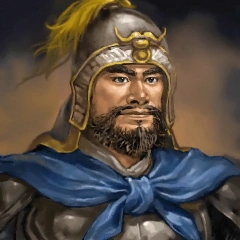
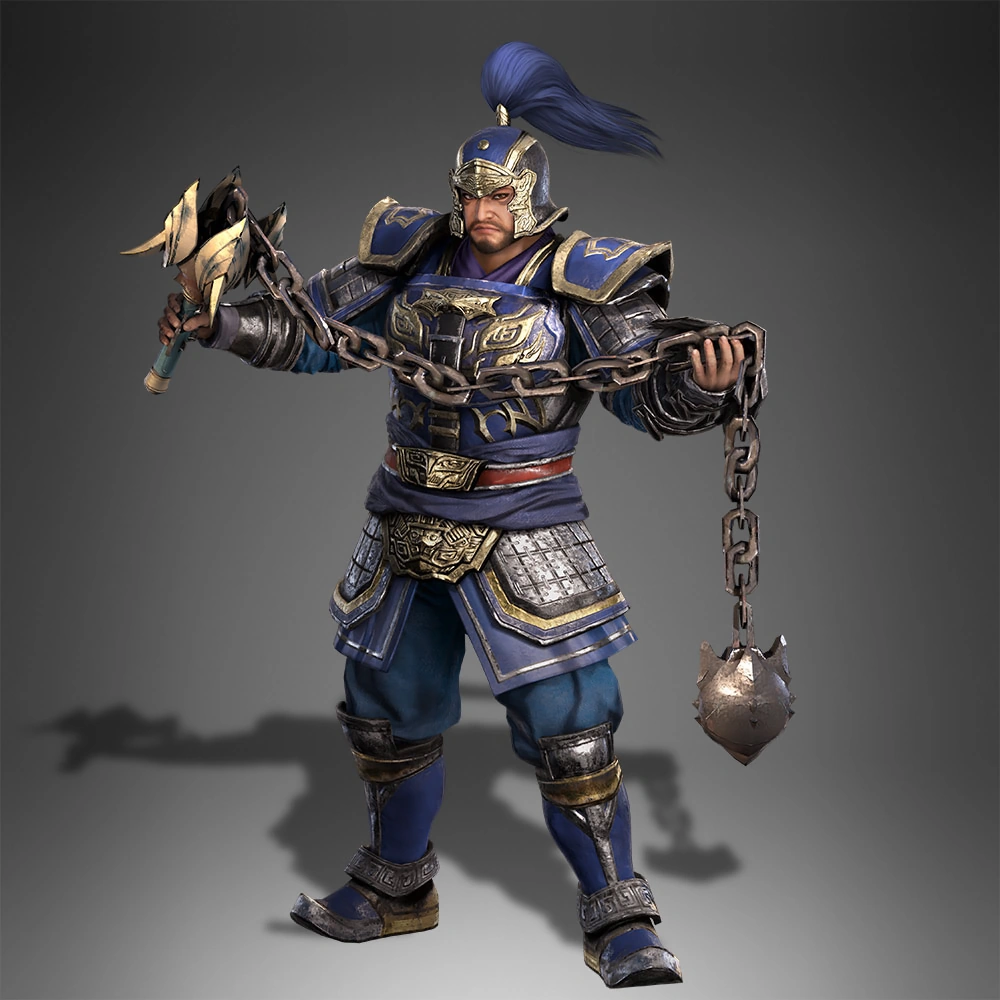
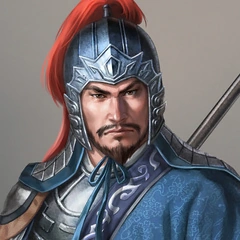
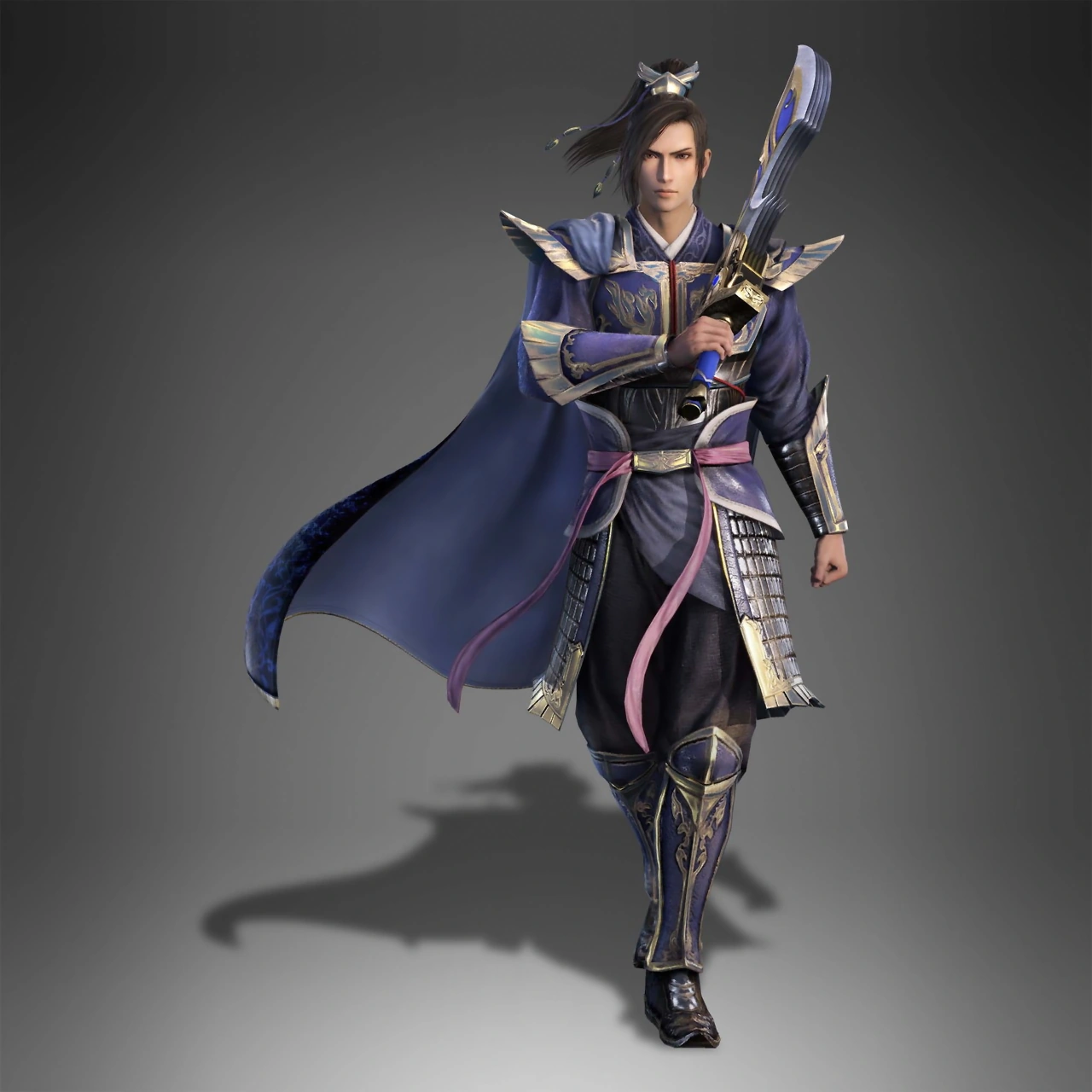
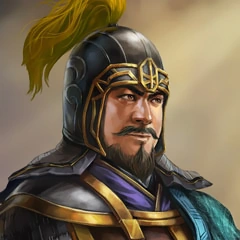
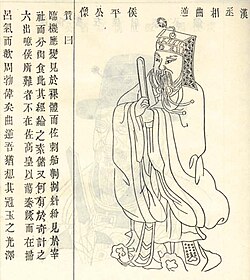
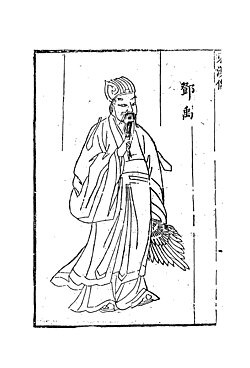
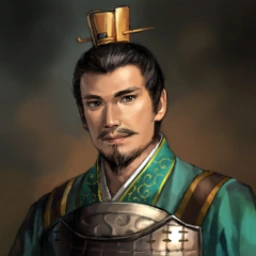
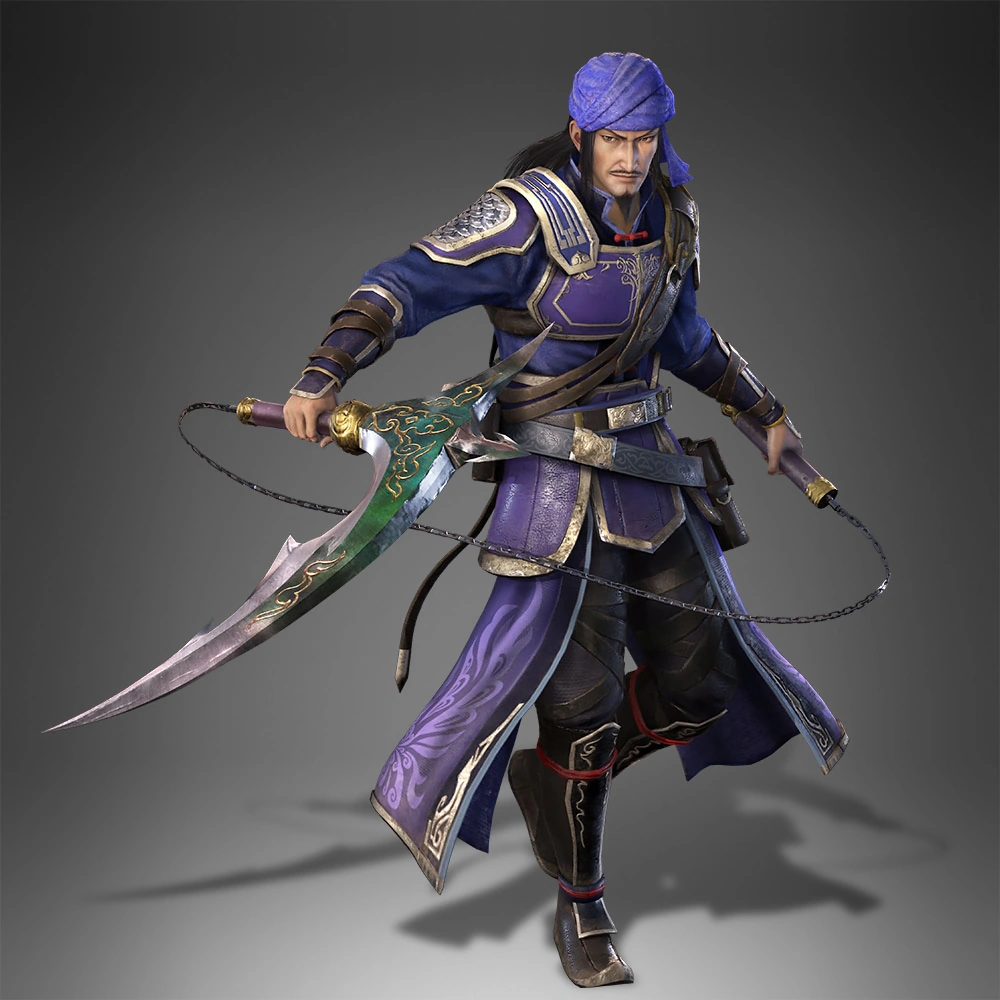
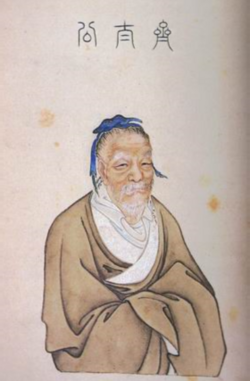
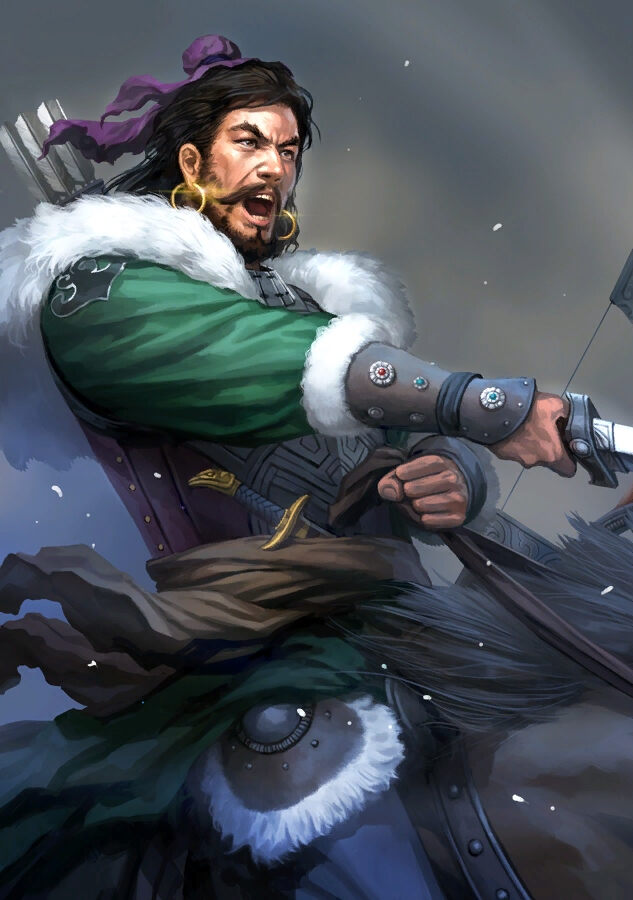
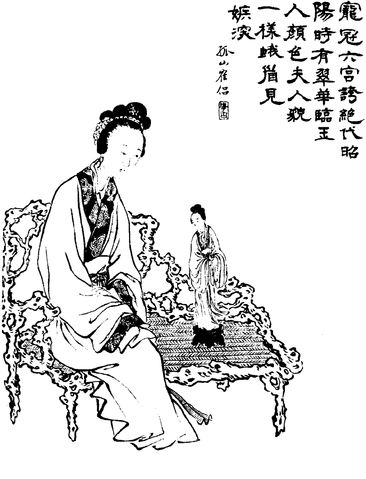
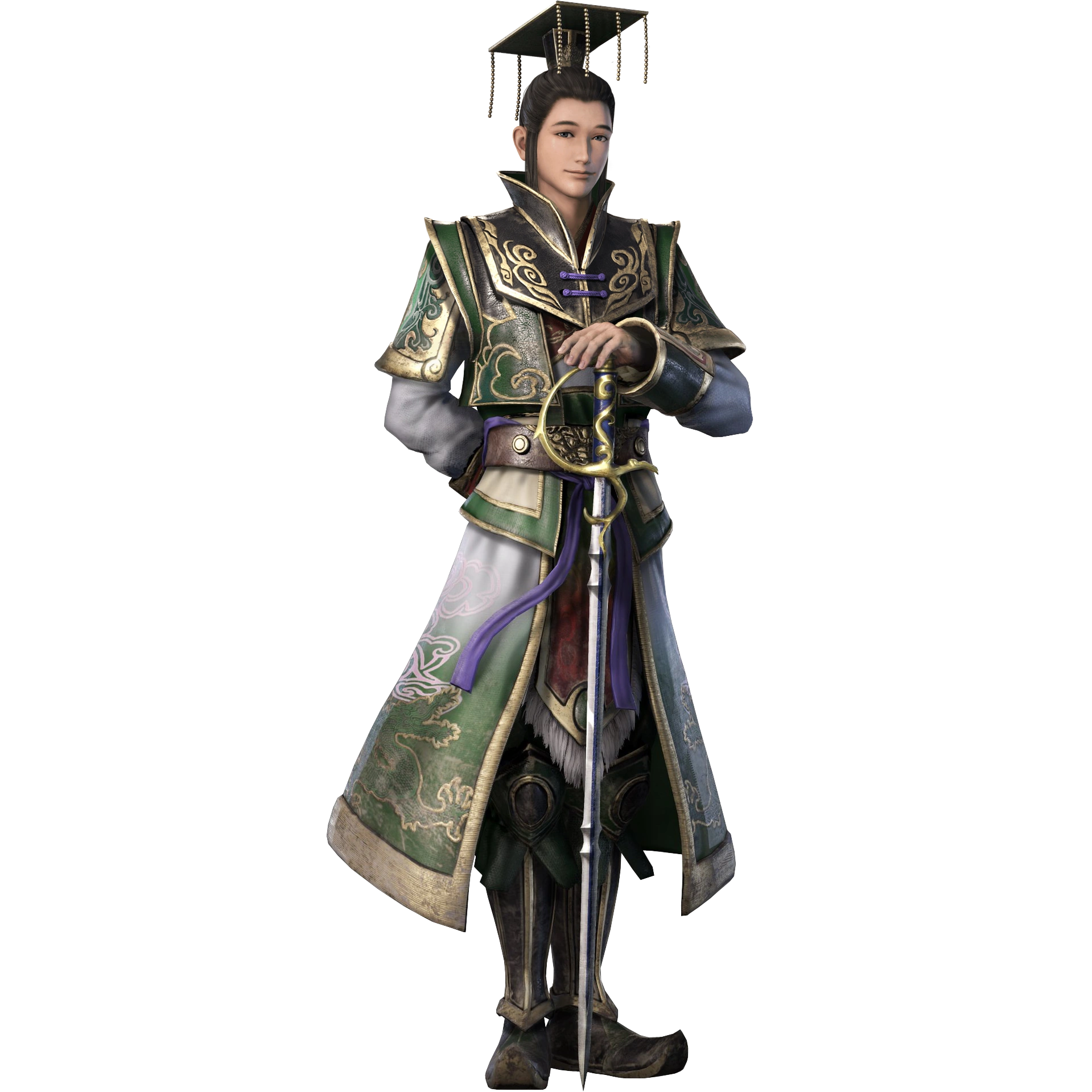
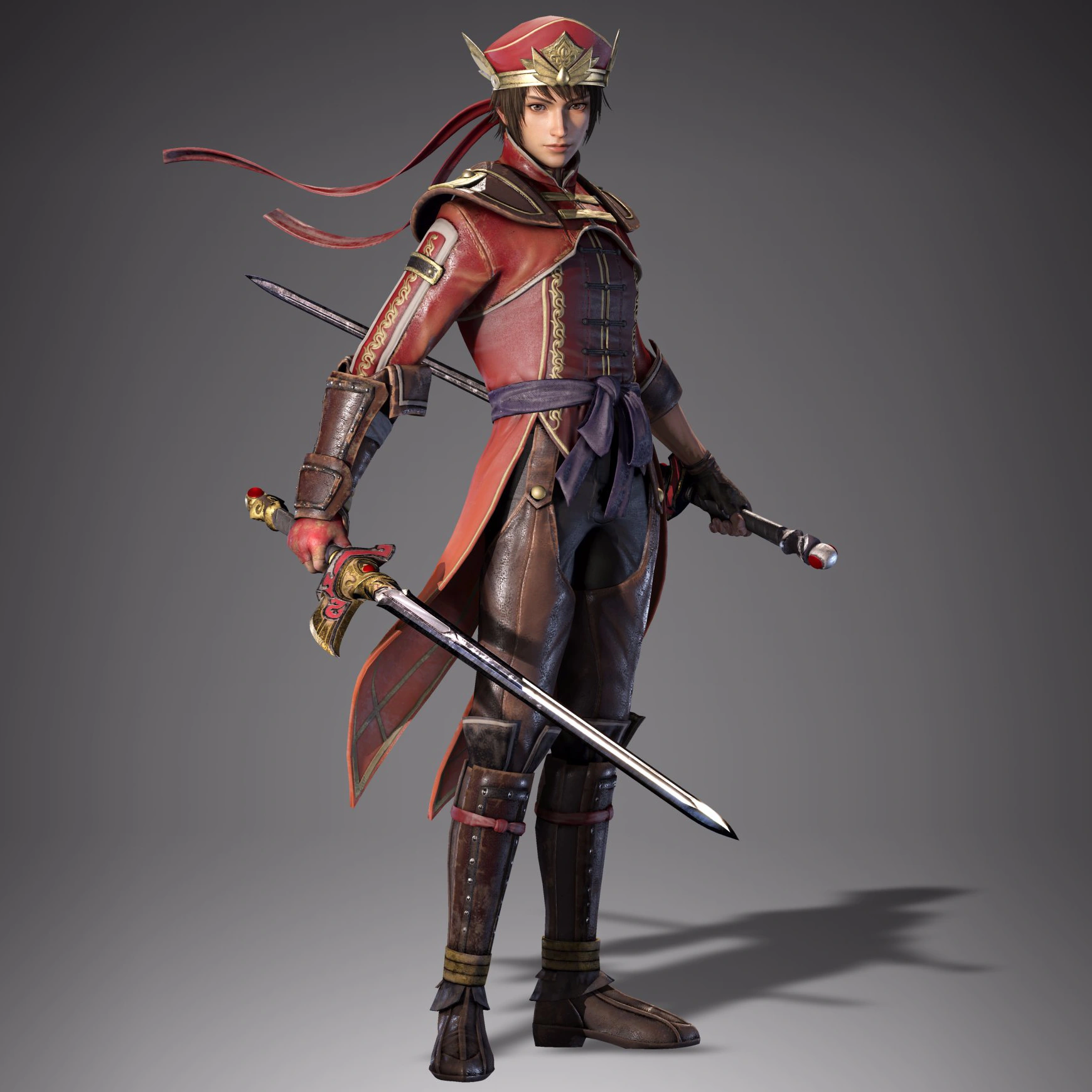

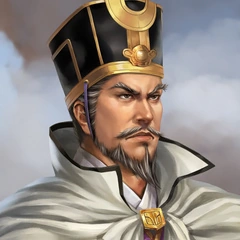
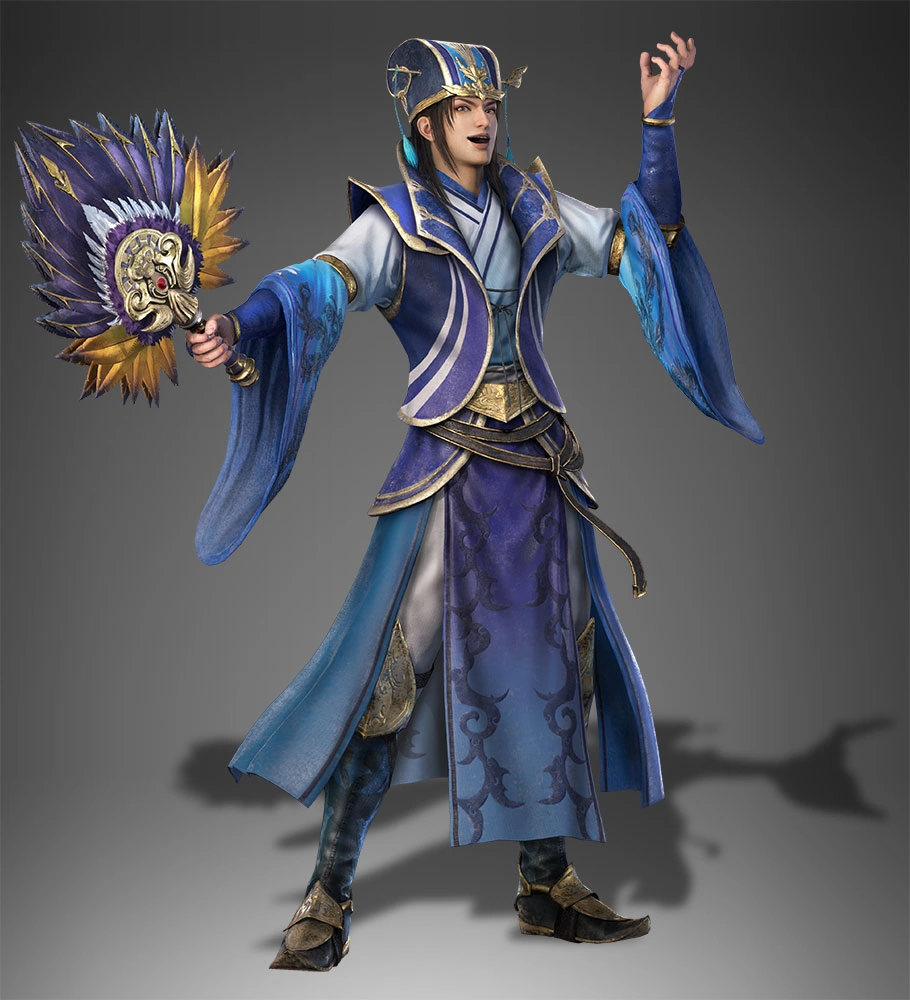
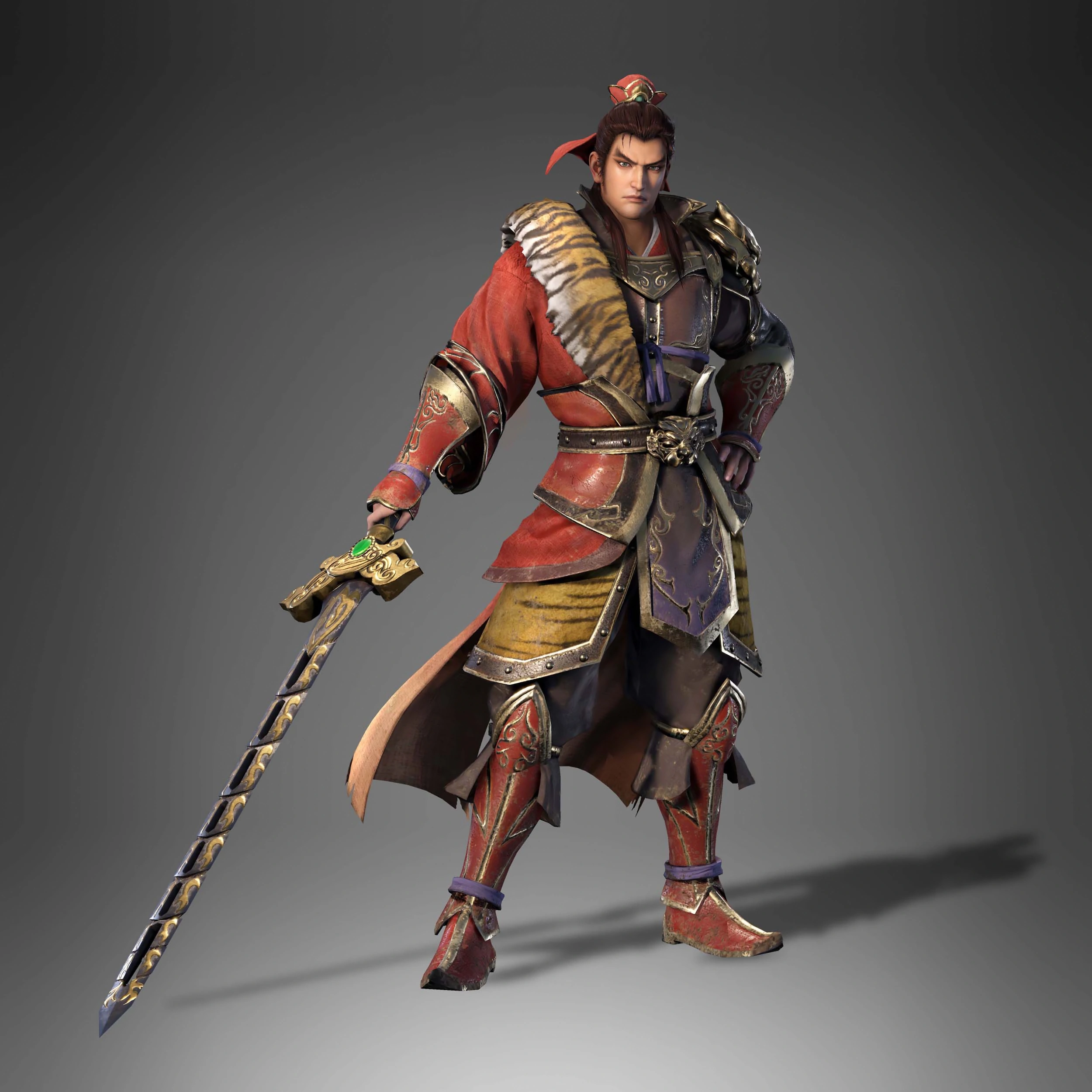
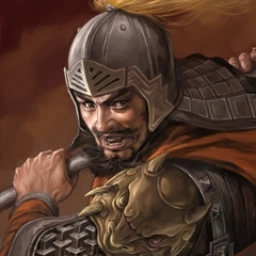
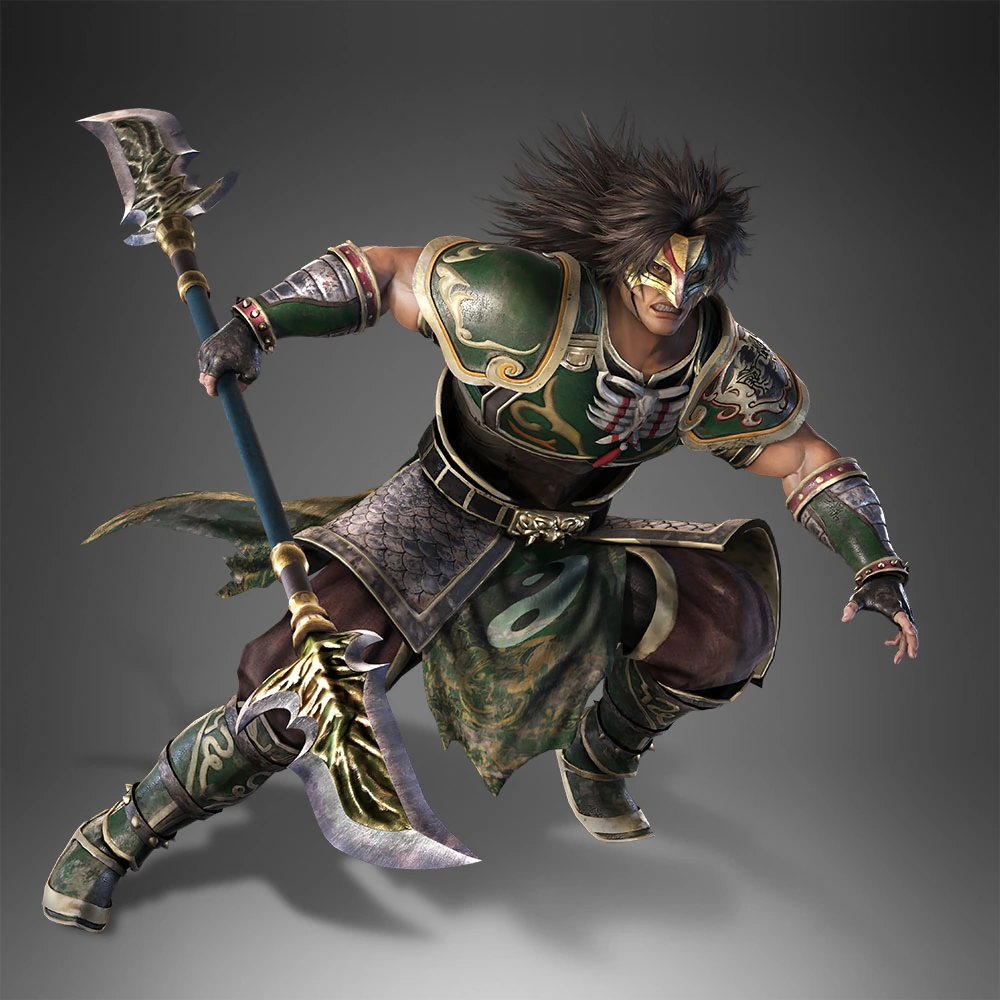
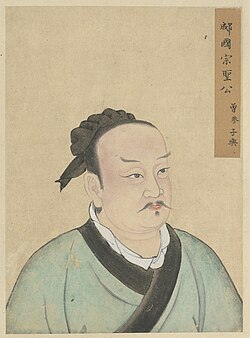
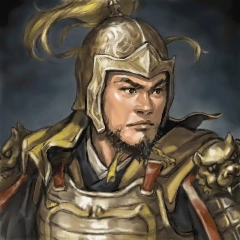
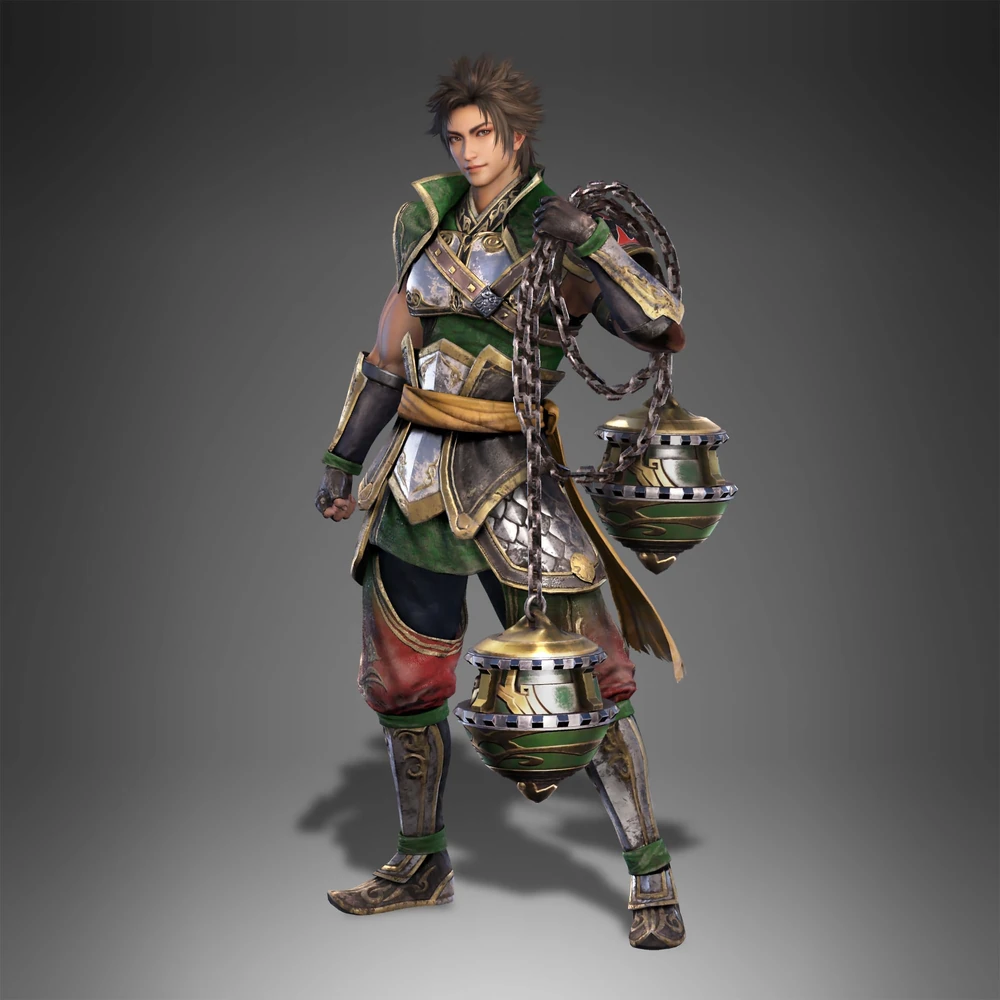
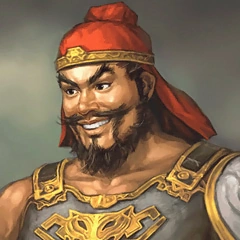
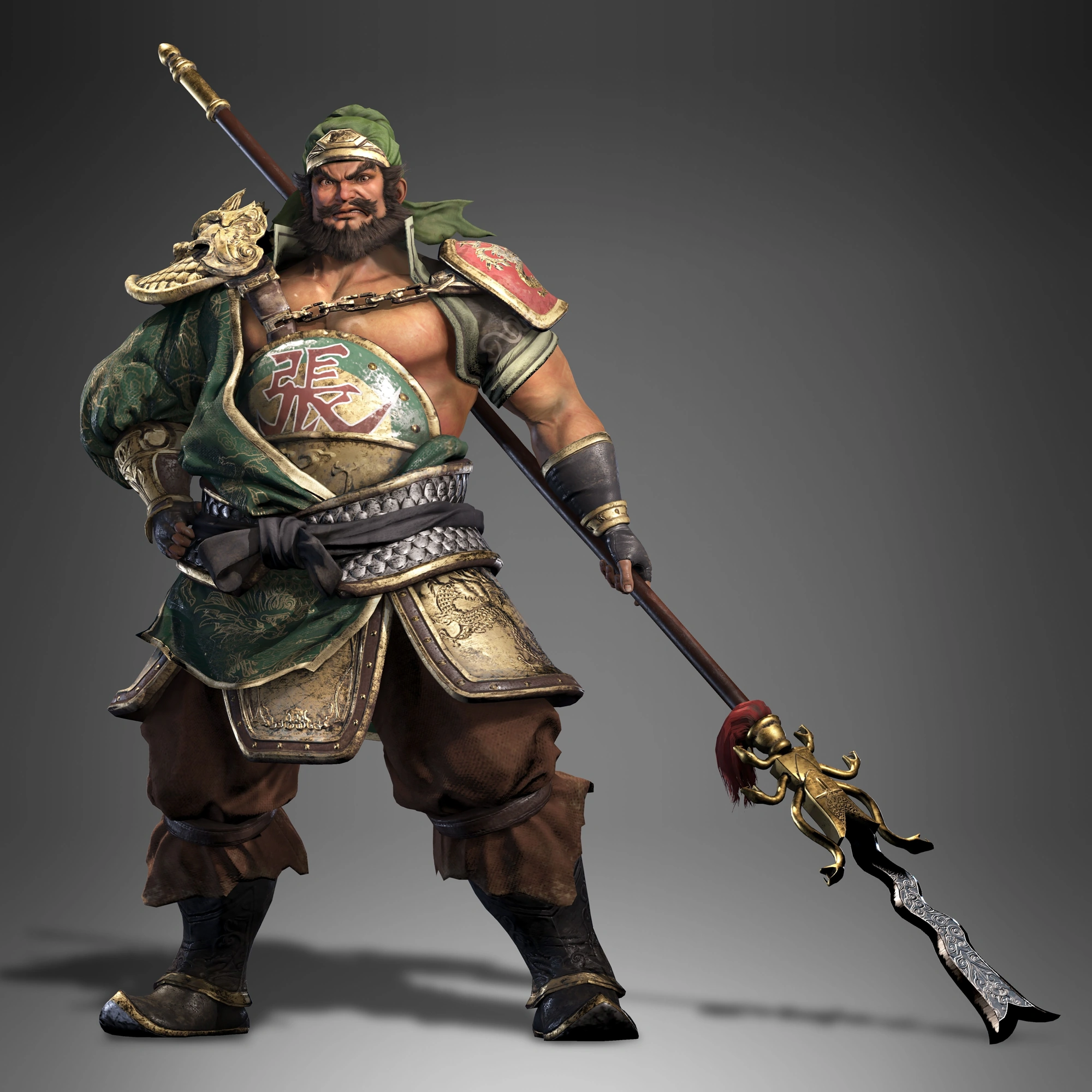
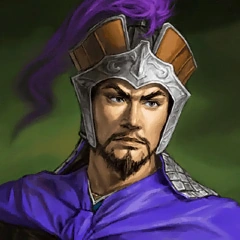
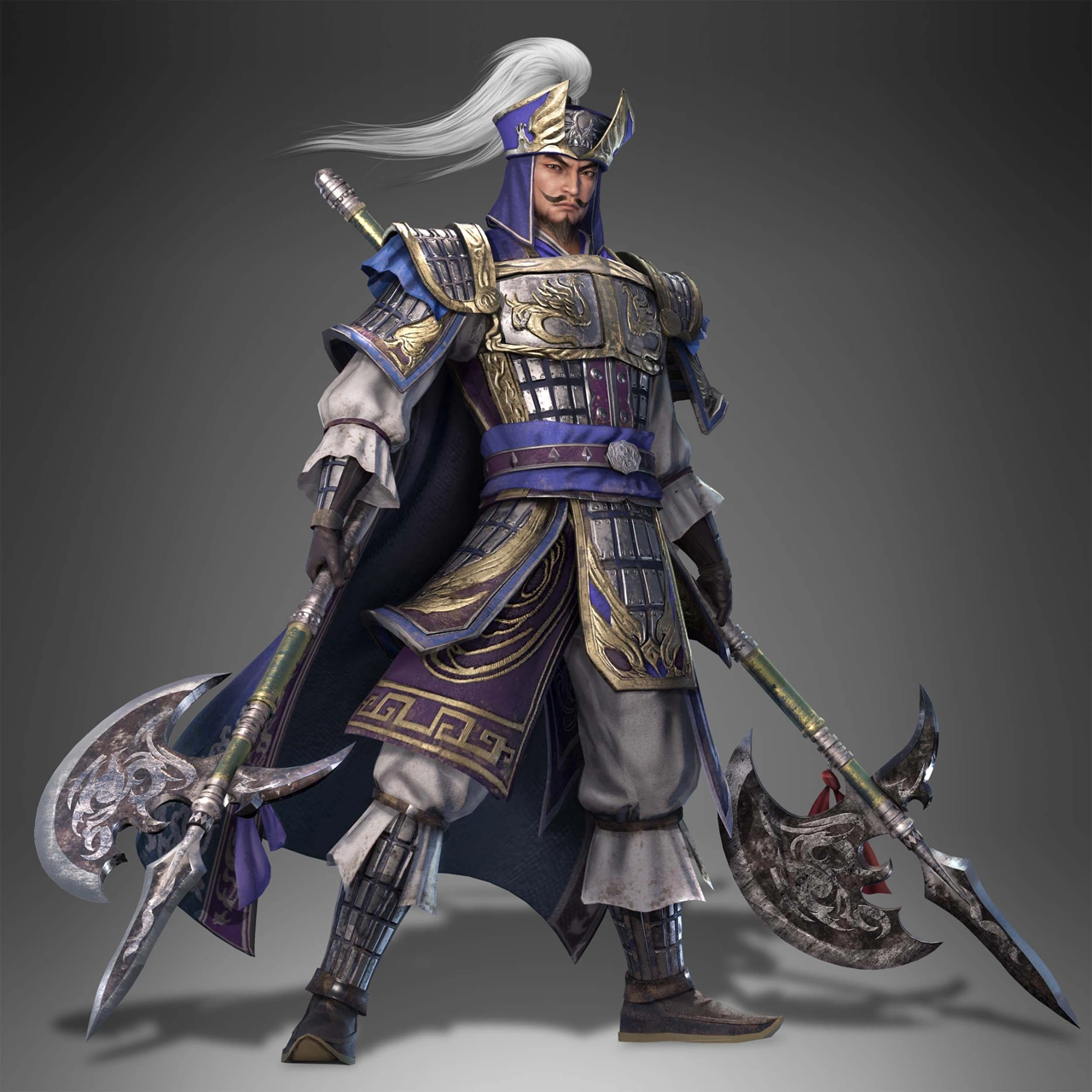
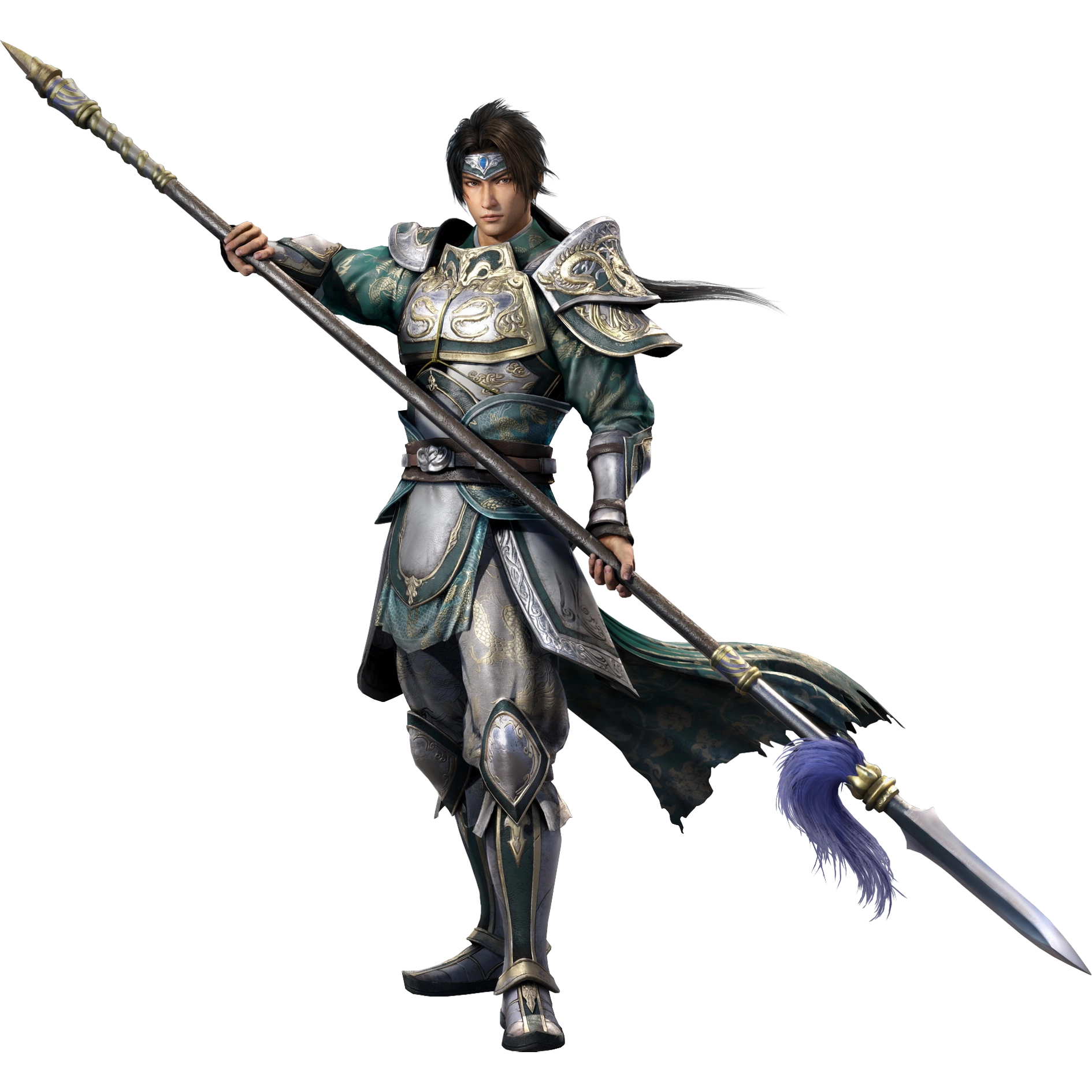
|
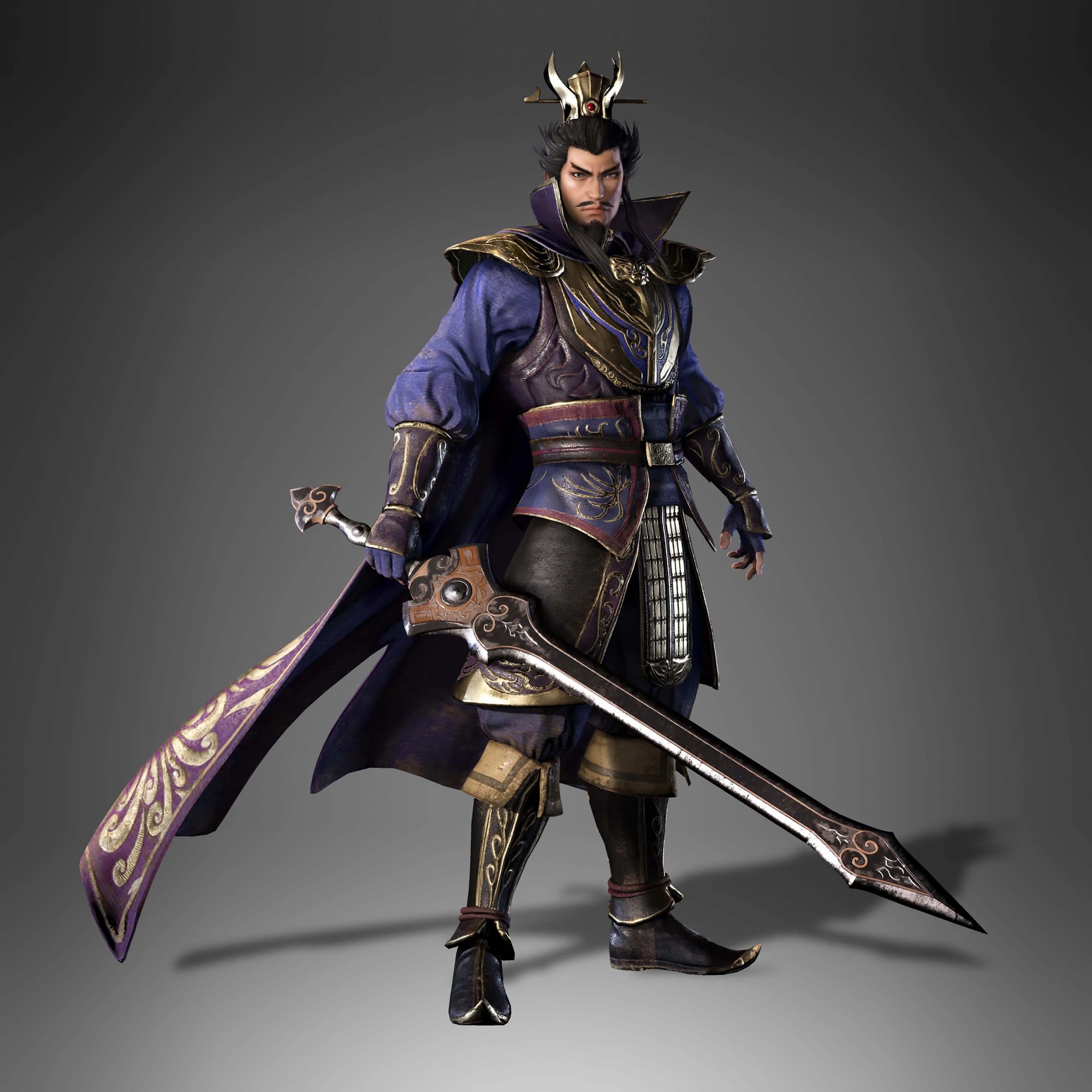
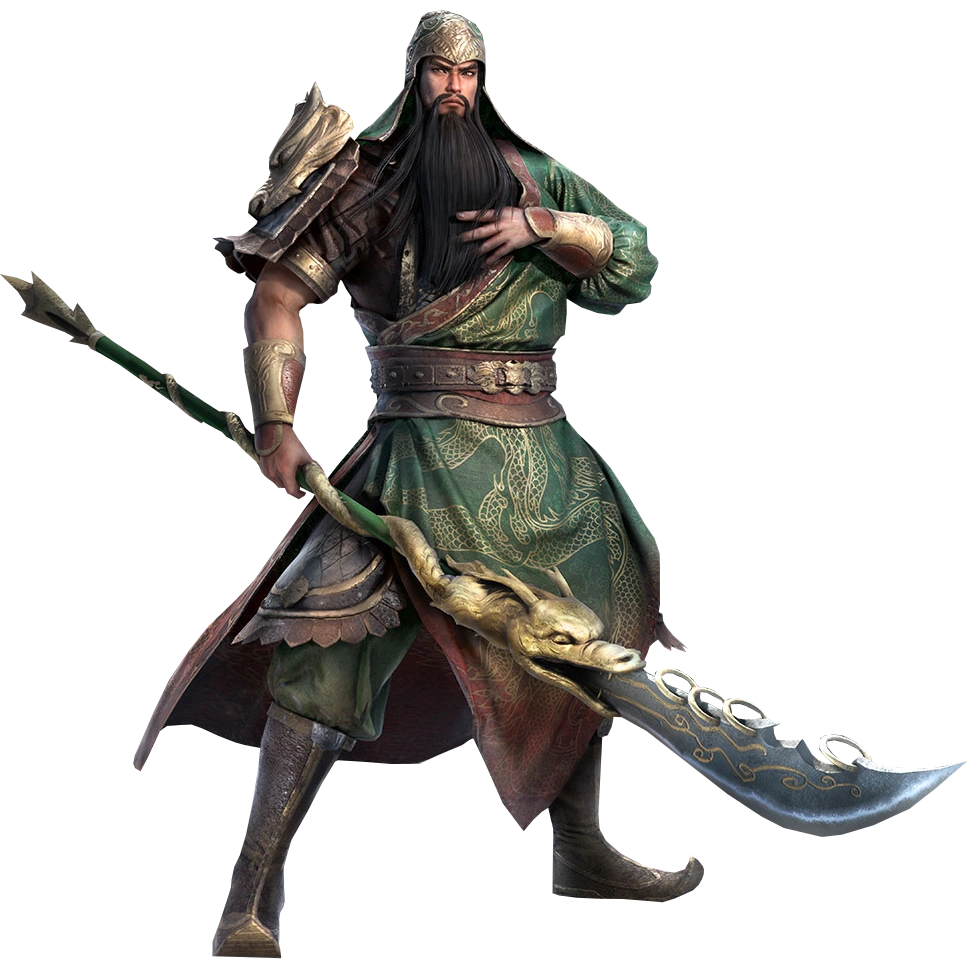
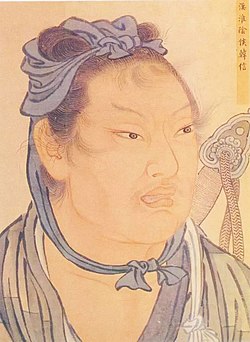
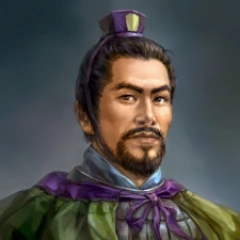
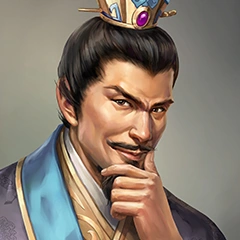
Cao Cao
Cao Cao; named in passing - already dead.
1 mention in this chapter
2543 mentions in the book
|
|
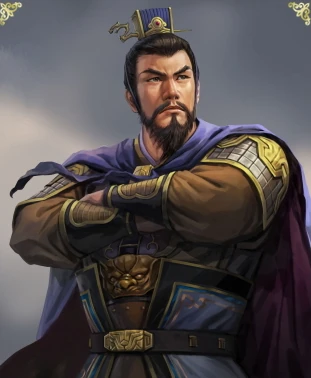
Cao Pi
Loses all three armies against Wu — Ruxu, Nanjun, Dongkou — and confesses 'this has come from my willfulness'; pestilence takes half the survivors home. Then Liu Bei's death revives him: over Jia Xu's caution he takes Sima Yi's grand design, five armies of a hundred thousand each — Qiangs on Xiping Pass, Mangs on the south, Wu through the Three Gorges toward Fucheng, Meng Da on Hanzhong, Cao Zhen on Yangping Pass.
20 mentions in this chapter
171 mentions in the book
|
|
Cao Ren
Cao Ren; commands a Wei army against Wu; loses to Zhu Huan.
5 mentions in this chapter
149 mentions in the book
|
|
Cao Xiu
Beaten by Lü Fan at Dongkou in the three-army failure.
2 mentions in this chapter
63 mentions in the book
|
|
Cao Zhen
Routed at Nanjun with Xiahou Shang between Zhuge Jin and Lu Xun — then commissioned Commander-in-Chief of the fifth route against Yangping Pass, where Zhao Yun's sealed gates wait.
7 mentions in this chapter
137 mentions in the book
|
|
Chang Diao
Leads Cao Ren's fifty-thousand van in a dash at 'empty' Ruxu — and dies on Zhu Huan's sword in the third encounter when the forest of flags rises.
4 mentions in this chapter
4 mentions in the book
|
|
Chen Ping
Cao Pi's flattering precedent for the surrendered Huang Quan — who declines the comparison.
1 mention in this chapter
6 mentions in the book
|
|
Cheng Ji
Mourned among the loyal dead of the eastern war whose names grieve the failing Emperor.
1 mention in this chapter
10 mentions in the book
|
|
Deng Yu
The Han commander from whom the envoy Deng Zhi descends.
1 mention in this chapter
2 mentions in the book
|
|
Deng Zhi
The face in the crowd that smiles while the other courtiers puzzle — Zhuge Liang detains him, sounds him in the library, and hears his own policy back: treaty with Wu first, Wei slowly. 'Now I have found him' — and the Emperor commissions him envoy to Sun Quan.
6 mentions in this chapter
55 mentions in the book
|
|
Dong Yun
Sent with Du Qiong to force the Prime Minister's gate — refused — and the cooler head who keeps the Empress Dowager from storming there herself.
2 mentions in this chapter
11 mentions in the book
|
|
Du Fu
His elegy closes the death scene — the Palace of Eternal Peace, the herons in the pines, the offerings in season.
1 mention in this chapter
4 mentions in the book
|
|
Du Qiong
Presses hardest at the shut gate — 'how can the Prime Minister make illness an excuse?' — and finally proposes what works: let the Emperor go in person.
3 mentions in this chapter
9 mentions in the book
|
|
Empress Jing'ai
Zhang Fei's daughter, seventeen and prudent — proposed by Zhuge Liang and the court, and married to the Latter Ruler as Empress Zhang.
2 mentions in this chapter
3 mentions in the book
|
|
Empress Wu
Created Empress Dowager at the accession — and when the Prime Minister shuts his gates against the five-army panic, she is ready to go demand answers herself before Dong Yun talks her down.
4 mentions in this chapter
11 mentions in the book
|
|
Feng Xi
Feng Xi; named in passing in the Yiling aftermath recap - killed at Yiling.
1 mention in this chapter
18 mentions in the book
|
|
Fu Rong
Named among the loyal dead whose loss the First Ruler grieves at the Palace of Eternal Peace.
1 mention in this chapter
12 mentions in the book
|
|
Guan Xing
Posted with thirty thousand at a hinge-point, ready to reinforce whichever front cracks — the quiet insurance behind the five deflections.
1 mention in this chapter
127 mentions in the book
|
|
Guan Yu
Returns as a shade in the candle-shadow — 'we are not men; we are spirits... ere long, brother, we three shall be together again.'
2 mentions in this chapter
905 mentions in the book
|
|
Han Xin
Named with Chen Ping as the virtuous defectors of old — a credit Huang Quan tearfully refuses to claim.
1 mention in this chapter
13 mentions in the book
|
|
Huang Quan
Cut off on the north bank, he yields to Wei rather than to Wu and weeps through the audience — declining Cao Pi's title, refusing to believe the spy's tale that his family has been executed: 'the Ruler of Shu knows my heart.' He is right: Liu Bei has already refused vengeance and kept the family on the rolls.
6 mentions in this chapter
35 mentions in the book
|
|
Jia Xu
Counsels holding back twice — wait out the Shu-Wu struggle; and after Liu Bei's death, do not attack a state Zhuge Liang holds in trust — overruled both times, vindicated both times.
4 mentions in this chapter
79 mentions in the book
|
|
Jiang Ziya
The measure of the impossible in Sima Yi's boast — five routes at once would strain 'even the talent of Lu Wang himself.'
1 mention in this chapter
14 mentions in the book
|
|
Kebineng
King of the Xianbi State, bought with gold and silks to march a hundred thousand Qiang troops on Xiping Pass — and turned back without a battle by the mere presence of Ma Chao, the Qiangs' own 'General Who Possesses Heavenly Prestige.'
4 mentions in this chapter
5 mentions in the book
|
|
Lady Gan
Posthumously created the Glorious Empress beside her Emperor.
2 mentions in this chapter
20 mentions in the book
|
|
Lady Mi
Granted posthumous imperial rank alongside Lady Gan in the accession honors.
1 mention in this chapter
12 mentions in the book
|
|
Li Yan
Left in charge of the Palace of Eternal Peace — and used as the key to the fourth route: his sworn friendship with Meng Da carries the letter that turns the Shangyong army conveniently ill.
3 mentions in this chapter
37 mentions in the book
|
|
Liu Bei
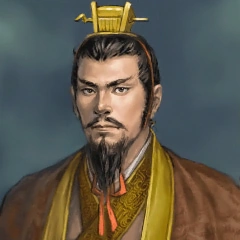
The end at sixty-three: forgives Huang Quan's surrender ('really, I betrayed him, not he me') and keeps paying the family; is visited by the shades of his brothers — 'ere long, brother, we three shall be together' — and knows his hour. The entrustment: warns Zhuge Liang privately that Ma Su's 'words exceed his deeds,' writes the testament ('do not do evil because it is a small evil...'), and offers the throne itself: 'if my son proves a fool, then take the throne yourself.' Makes his sons bow to the Prime Minister as to a father, charges Zhao Yun by their old dangers, and dies on the twenty-fourth of the fourth month, buried at Huiling as the Glorious Emperor.
27 mentions in this chapter
1978 mentions in the book
|
|
Liu Li
Brought to the deathbed and made to bow to the Prime Minister as to a father.
1 mention in this chapter
3 mentions in the book
|
|
Liu Shan
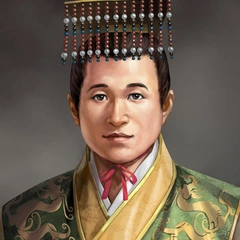
Sixteen and Emperor: installed under the testament, era Beginning Prosperity, married to Zhang Fei's prudent seventeen-year-old daughter. When the five armies loom and the Prime Minister will not appear, he walks alone past the third gate to find him at the fishpond — and leaves 'as one awakened from a dream,' calling him Minister Father.
26 mentions in this chapter
254 mentions in the book
|
|
Liu Ye
Warns twice that the victory-flushed Wu cannot be attacked — 'times have changed' — and watches all three armies prove him right.
3 mentions in this chapter
39 mentions in the book
|
|
Liu Yong
Kneels with his brother at the deathbed, paying Zhuge Liang the obeisance due a father.
1 mention in this chapter
3 mentions in the book
|
|
Lu Xun
The outer jaw of the Nanjun relief that crushes Cao Zhen and Xiahou Shang — and the reason Jia Xu counsels Cao Pi against war: 'Lu Xun occupies all the strategic positions of importance.'
6 mentions in this chapter
127 mentions in the book
|
|
Lü Fan
Beats Cao Xiu at Dongkou — the third of the three simultaneous Wu victories.
2 mentions in this chapter
26 mentions in the book
|
|
Ma Chao
The name that defeats an army: posted to Xiping Pass with daily-shifting ambushes, he never has to fight — the Qiangs who call him General Who Possesses Heavenly Prestige turn their hundred thousand around.
3 mentions in this chapter
282 mentions in the book
|
|
Ma Liang
Ma Liang; named in passing - Ma Su's elder brother.
2 mentions in this chapter
32 mentions in the book
|
|
Ma Su
Sent from the death-chamber so the First Ruler can deliver his verdict: 'his words exceed his deeds. Do not make much use of him. Watch him carefully.'
3 mentions in this chapter
56 mentions in the book
|
|
Meng Da
Meng Da; supposedly part of the five-army plan from Shangyong - Zhuge Liang sends Li Yan a personal letter that secretly nudges Meng Da into refusing to move. Defused.
6 mentions in this chapter
108 mentions in the book
|
|
Meng Huo
Meng Huo; the Nanman king; bribed by Cao Pi to invade from the south. First appearance - the figure whom Zhuge Liang will famously capture seven times in chapters 87-90.
3 mentions in this chapter
151 mentions in the book
|
|
Shamoke
Counted among the loyal dead in the Emperor's grief.
1 mention in this chapter
7 mentions in the book
|
|
Sima Yi
Steps from the ranks over Jia Xu's caution — 'if you neglect this moment, can you expect a more favorable opportunity?' — and lays out the five-route plan: half a million men on five roads, 'hard for Zhuge Liang to hold his own, even if he had the talent of Lu Wang himself.'
3 mentions in this chapter
470 mentions in the book
|
|
Sun Quan
The fifth route on paper — promised territory to march a hundred thousand through the Three Gorges at Fucheng. Zhuge Liang reads him exactly: he will wait to see the other four fail, and an envoy with a ready tongue can turn him around entirely.
5 mentions in this chapter
603 mentions in the book
|
|
Wang Shuang
Aide to Chang Diao's van in the Ruxu disaster.
1 mention in this chapter
32 mentions in the book
|
|
Wei Yan
Marches his troops in and out of the southwest hills — seen, vanished, seen again — until the brave but doubt-prone Mangs refuse to advance into the unknown.
1 mention in this chapter
353 mentions in the book
|
|
Xiahou Shang
Mauled with Cao Zhen at Nanjun, caught between Zhuge Jin inside and Lu Xun outside.
1 mention in this chapter
21 mentions in the book
|
|
Zeng Shen
The Teacher of the dying man's quotation — 'a bird's song is sad when death is near, and a dying person's words are good.'
1 mention in this chapter
1 mention in the book
|
|
Zhang Bao
Holds the twin mobile reserve of thirty thousand, mirror to Guan Xing's, behind the five defended routes.
1 mention in this chapter
92 mentions in the book
|
|
Zhang Fei
Stands beside Guan Yu's shade at the dying Emperor's candles — and his daughter, prudent and seventeen, becomes the young Emperor's Empress Zhang.
2 mentions in this chapter
520 mentions in the book
|
|
Zhang Liao
Named in passing — he and the other Cao Cao veterans are left keeping watch in Jizhou, Xuzhou, Qingzhou, and Hefei, deliberately unsummoned for the western scheme.
1 mention in this chapter
170 mentions in the book
|
|
Zhang Nan
Zhang Nan; named in passing in the Yiling aftermath recap - killed at Yiling.
1 mention in this chapter
11 mentions in the book
|
|
Zhao Yun
Holds Baidicheng through the Emperor's decline, takes the dying charge — 'the fidelity of the dog and horse is mine to give' — and then seals Yangping Pass against Cao Zhen: defend only, never battle, until the fifth route gives up.
4 mentions in this chapter
475 mentions in the book
|
|
Zhu Huan
Twenty-seven, with five thousand against fifty: the host-and-guest speech from the Art of War, banners furled and drums silenced, and the empty-seeming city that erupts on the bomb signal — Chang Diao dead in the third encounter, Cao Ren's van annihilated, the whole Ruxu route wrecked.
7 mentions in this chapter
17 mentions in the book
|
|
Zhuge Jin
Breaks Cao Zhen's siege of Nanjun from within while Lu Xun strikes from without.
2 mentions in this chapter
68 mentions in the book
|
|
Zhuge Liang
Takes the entrustment with blood on his forehead — 'I will serve him till death' — installs the Latter Ruler, and becomes Lord of Wuxiang and Imperial Protector of Yizhou. When the five armies come he vanishes behind his own gates until the Emperor finds him watching fish by the pond: every route already dead — Ma Chao's prestige against the Qiangs, Wei Yan's phantom marches against the Mangs, Li Yan's letter to Meng Da, Zhao Yun's sealed passes, the nephews in mobile reserve — and only the envoy to Wu still wanting, until he spots Deng Zhi smiling in the crowd.
33 mentions in this chapter
1454 mentions in the book
|
|
Zhuge Qian
Aide to Chang Diao's Wei van at Ruxu.
1 mention in this chapter
1 mention in the book
|
-
Baidicheng Settlement
-
Chengdu County County(30.6661, 104.0754)
-
Dongkou Landmark
-
Fucheng County
-
Great Hall of the Palace Structure/Building
-
Hanzhong Commandery Commandery(33.0730, 107.0359)
-
Hefei County
-
Huiling Landmark
-
Ji Province Province
-
-
-
Liaodong Commandery Commandery
-
Liaoxi Commandery Commandery(39.8544, 119.0021)
-
Luoyang County(34.7316, 112.5963)
-
-
-
Middle Land Region
-
Palace of Eternal Peace Structure/Building
-
Qing Province Province
-
-
-
Ruxu Landmark
-
Shangyong Commandery Commandery(32.2261, 110.2286)
-
Shu (Three Kingdoms) Region
-
Three Gorges Landmark
-
Wei (Three Kingdoms) Region
-
Wu (Three Kingdoms) Region
-
Wuxiang County
-
Xianbi State Region
-
Xianxi Settlement
-
Xinye County
-
Xiping Pass Pass
-
Xu Province Province
-
Yangping Pass Pass
-
Yangtze River River
-
Yi Province Province(31.0466, 104.3000)
-
Yiling County
-
Yongchang Commandery Commandery(25.1540, 99.2534)
-
Yuesui Commandery
-
Zangge Commandery