Riding Alone, Wen Yang Repulses A Brave Force;
Following The River, Jiang Wei Defeats The Enemy.
It has been said that in the second year of Right Origin (AD 256) Guanqiu Jian, of the South of River Huai, General Who Guards the East, was commanding the forces in River Huai when he heard the news Sima Shi deposed Cao Fang.
He was moved to great anger, and his eldest son, Guanqiu Dian, fomented his father's wrath, saying, "Father, you are chief of all this region. With this Sima Shi in such a position, the country is in danger, and you cannot sit still and look on."
"My son, you speak well!" replied Guanqiu Jian.
Whereupon he requested Wen Qin, Imperial Protector of Yangzhou, to come and consult with him. This Wen Qin had been a client of Cao Shuang's, and he hastened at the call of the general. When he arrived, he was led into the private apartments, and, the salutations at an end, the two began to talk over the situation. Presently the host began to weep, and his visitor asked the cause of his tears.
"Think you that this conduct of Sima Shi does not tear my heart? He has deposed the Emperor and now holds in his grip all authority of the state. Things are all upside down."
Wen Qin replied, "You are the chief of this region. If you are willing to play the part, you ought to take arms and slay this rebel. I will help you, regardless of consequences. My second son, Wen Yang, is a good warrior and a man of great valor. Moreover, he hates Sima Shi and wishes to avenge on the Sima brothers the death of Cao Shuang. He would make an excellent Leader of the Van."
Guanqiu Jian was delighted to get such ready and willing support, and the two poured a libation in pledge of mutual good faith. Then, pretending that they held an edict from the Empress Dowager, they summoned all the officers to Shouchun, where they built an altar on the west side and sacrificed a white horse, smearing their lips with its blood in token of their oath.
They made this declaration:
"Sima Shi is a rebel and devoid of rectitude. We have a secret edict commanding us to muster the forces of the South of River Huai and put down this rebellion."
Thus supported, Guanqiu Jian led sixty thousand troops to Xiangcheng, where he camped, while his fellow-conspirator Wen Qin took twenty thousand troops to the front to go to and fro lending help where it was needed. Letters were sent all through the counties and territories calling for assistance.
Now that mole below the left eye of Sima Shi used to pain at times, and he decided to have it removed. The surgeon excised it, closed and dressed the wound, and the patient rested quietly in his palace till it should heal.
It was at this time that he received the disquieting news of opposition to his authority. Whereupon he called in Grand Commander Wang Su to discuss the matter.
Said Wang Su, "When Guan Yu was most famous, Sun Quan sent Lu Meng to capture Jingzhou by surprise. What did Lu Meng do? He first won over the officers of Guan Yu by taking care of their families and thus broke the power of his enemy like a tile. Now the families of all the officers in the South of River Huai are here in the Middle Land. Treat them well, at the same time taking care that they do not get away, and you will be irresistible."
"Your words are good," said Sima Shi. "However, I cannot go out to war till I have recovered. Yet, to send another is to take great risks, and I shall feel insecure."
There was also present Secretary Zhong Hui, who here interposed, saying, "The forces of the South of River Huai and Chu are very formidable. If you send another, there is danger whatever happens; and if your leader makes a serious mistake, your whole policy will fail."
"No one but myself can succeed," cried Sima Shi, starting from his couch. "I must go."
So, in spite of illness, he resolved to lead in person. He left his brother in charge of affairs at Luoyang and set out, traveling in a padded carriage.
Zhuge Dan, General Who Guards the East, was given command over all the forces of Yuzhou and ordered to march from Anfeng and to take possession of Shouchun. Hu Zun, General Who Conquers the East, with the Qingzhou forces, was sent to bar any retreat at Qiaosong. Wang Ji, Imperial Protector of Yuzhou and Army Inspector, was sent to capture Chennan.
To his camp at Xiangyang, Sima Shi summoned all his officers to a council.
Minister Zheng Mao spoke first, saying, "Guanqiu Jian is fond of laying plans, but slow to come to any decision. His fellow-conspirator Wen Qin is bold, but imprudent. Now this scheme of theirs is too large for their minds. But as their soldiers are full of spirit, they should not be engaged lightly. We should remain on the defensive till their ardor has burned out. This is what Zhou Yafu of old time did."
But Army Inspector Wang Ji objected, saying, "This is not a rising of the people, nor of the soldiers, but is the work of Guanqiu Jian. The people are merely his tools and cannot help themselves. The rebellion will go to pieces as soon as an army approaches the region."
"I agree with you," replied Sima Shi.
Then he advanced upon River Ying and camped by the bridge.
Wang Ji said, "The city of Nandun is an excellent camping ground. Occupy it at once, for if not the enemy will do so."
Sima Shi sent Wang Ji to carry out his own plan.
Reports of these movements of the enemy came to Guanqiu Jian in Xiangcheng, and an assembly of officers was called.
The Leader of the Van, Ge Yong, said, "Nandun is an excellent site for a camp, with a river beside it and hills at the rear. If the Wei armies camp there, we shall be unable to dislodge them. Let us occupy it."
So the army set out. But before they drew near, the scouts reported a camp already there. It was incredible, and Guanqiu Jian rode to the front to reconnoiter. He was convinced by the sight of flags and banners over all the plain, fluttering above an orderly array of tents and huts. The sight disconcerted him, and he rode back to the main body not knowing what to do.
Just then a scout came in to say: "Sun Jun of Wu has crossed the river to attack Shouchun."
"If we lose that city, we shall have no base," cried Guanqiu Jian.
That same night he retreated upon Xiangcheng.
Seeing the enemy retreat, Sima Shi called together his officers to talk it over.
Chair of the Secretariat Fu Gu, who was of the expedition, said, "The retirement to Xiangcheng was obviously due to Wu's threatened attack upon Shouchun. General, you should send three armies to attack upon Xiangcheng, Lojia, and Shouchun. The Imperial Protector of Yanzhou, Deng Ai, is a man of tactics; he should be sent against Lojia. Our main army will reinforce them."
His plan was acceptable to Sima Shi, who sent letters to Yanzhou telling Deng Ai to march against Lojia, where Sima Shi himself would soon meet him.
Camped at Xiangcheng, Guanqiu Jian sent spies to Lojia to see what might be happening there, for he feared it would be attacked.
When he spoke of his fears to Wen Qin, the latter said, "General, you need not be anxious. My son Wen Yang and I will answer for its safety. Give us but five thousand troops."
Father and son, with the five thousand troops, went to Lojia.
Before the main body arrived, the scouts reported: "Wei banners are flying on the west of the city. There are about ten thousand troops. In their midst are seen authority ensigns such as white yaks' tails, golden axes, purple umbrellas, and a flag bearing the word Commander. Perhaps Sima Shi himself is at this camp. The troops are pitching the camp rapidly, but it is not yet complete."
When this was reported to Wen Qin, his son Wen Yang, bearing his famous whip of steel, was by his father's side.
"We should attack before they have settled down in camp, Father," said he. "Let us go quickly and attack on two sides."
"When can we start?" said the father.
"Tonight at dusk. You lead half the force round by the south, and I will march the other half round by the north, and we will meet in the third watch at the Wei camp."
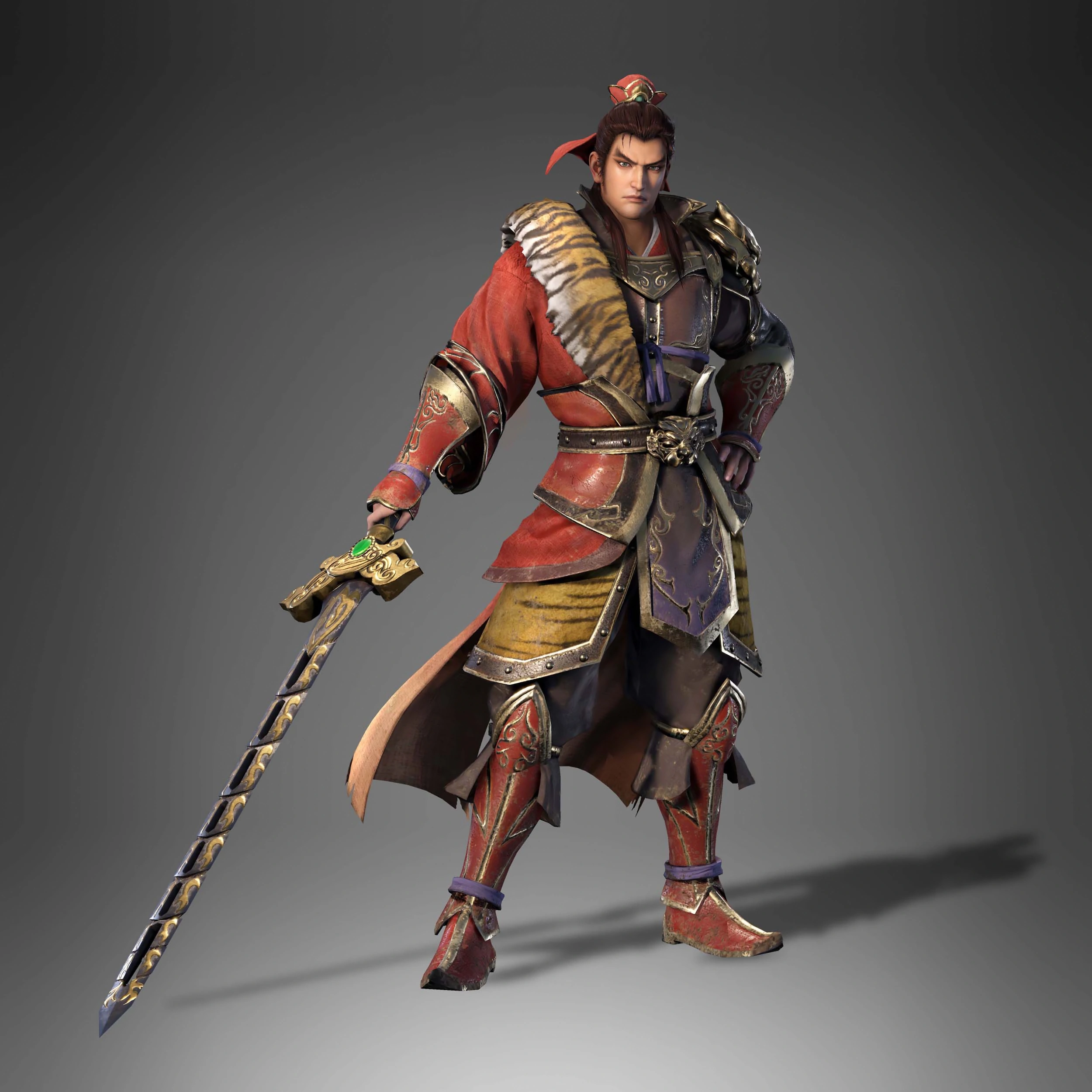
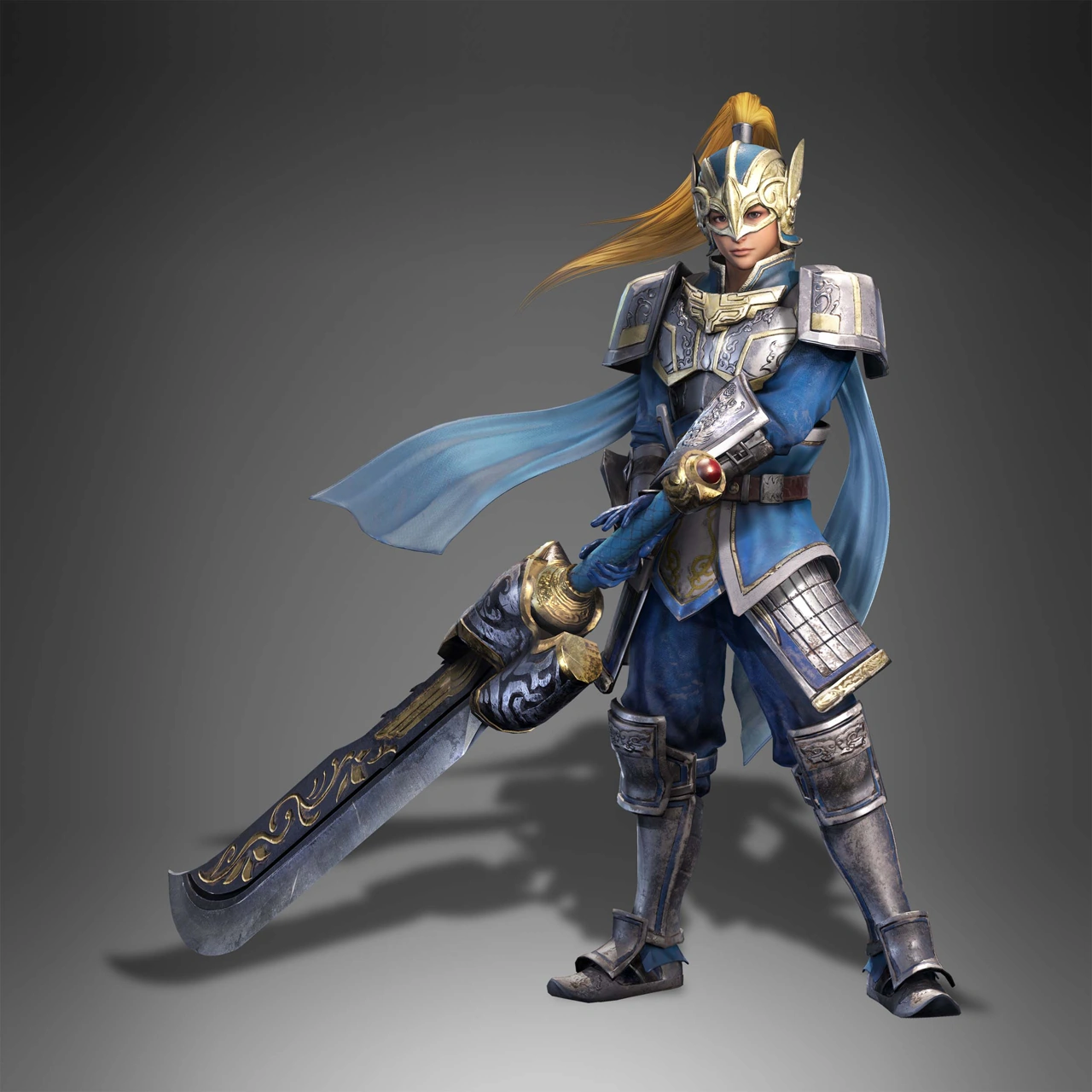
The youth who propounded this plan was then eighteen, tall and strong. He wore complete armor and carried at his waist a steel whip. When the hour came to start, he took his spear, swung himself into the saddle and set out.
That night Sima Shi, who had arrived and had at once set about settling into camp, lay on a couch in his tent, for he was still suffering pain from the surgery wound beneath his eye. The tent was surrounded by several hundred armored guards. Deng Ai had not arrived.
About the third watch Sima Shi heard a great shouting and asked what it was.
One replied: "An army has come round from the north and burst into the lines. The leader is too bold for anyone to face."
Sima Shi became much troubled. His heart burned within him, and the excitement caused the wound to open, so that the eyeball protruded and blood flowed freely. The pain became intense, nearly unbearable. In his agony and alarm lest his army should be thrown into confusion, he lay gnawing the bed clothes till they were in rags.
Wen Yang's force lost no time, but attacked as soon as it arrived. He dashed into the camp, slashing and thrusting right and left, and everyone gave way before him. If anyone stayed to oppose, the sharp spear or the terrible whip did its work, and that one fell. But after a time, seeing no sign of his father, Wen Yang grew anxious. And he had to retire several times before the fierce flights of arrows and crossbow bolts as he tried to reach the main tent.
About daylight he heard shouts and thought they must mean the arrival of his father with help. But the shouting came from the north, and his father was to arrive by the south road. He galloped out to get a clearer view, and saw a force sweeping down like a gale of wind.
It was not his father, but a body of the enemy, and the leader was Deng Ai.
Deng Ai rode forward shouting, "Rebel, flee not!"
Wen Yang had no intention to flee. Setting his spear, he rode savagely toward his opponent. They engaged and fought half a hundred bouts without either gaining the advantage. Then, the duel still raging, the Wei army attacked in full force, and Wen Yang's troops began to give way and run, so that soon he found himself alone.
However, he got clear of the fight and went away south. But he was pursued, for more than a hundred Wei generals plucked up courage to follow when he ran away. They pressed on his heels till near the Lojia Bridge, when it seemed that they must catch him. Then he suddenly pulled up his steed, turned and rode in among them, flogging with the terrible steel whip, and wherever it struck there lay warriors and horses in confused heaps. So they left him, and he retook his way in peace.
Then the Wei generals met and said, "Lo! Here is a man who has driven us all backward. But we are many and may not suffer that."
Wherefore they reformed and once again took up pursuit.
"You fools?" cried Wen Yang, as he saw them coming on. "Have you then no regard for your lives?"
Again he fell upon them with the steel whip and slew many, so that the survivors retreated. But yet again they found courage to come on, and yet again, but they had to fall back before the lash of that terrible whip.
Defiance hurled at Cao Cao's mighty host
Arrayed near Long Slope proclaimed Zhao Zilong,
A valiant man; and peerless stood he till.
At Lojia another hero faced,
Alone, another host, and Wen Yang's name
Was added to the roll of famous people.
Wen Qin never reached the appointed rendezvous. In the darkness he lost his way among the precipices and gullies, whence he only got out as day dawned. He saw all the signs of a fight and a victory for Wei, but could not discover whither his son had gone. So he returned without fighting, and in spite of pursuit, made his way safely to Shouchun.
Now Commander Yin Damu had accompanied Sima Shi on his expedition, but was no friend of his. He had been of the Cao Shuang's party and bitterly resented the death of his patron. He was watching for a chance to avenge him. Seeing that Sima Shi was ill, he thought to secure his end by making friends with Wen Qin.
So he went in to see the sick Sima Shi, and said, "Wen Qin had no sincere intention to rebel, but was led astray by Guanqiu Jian. If you will let me go and speak with him, he will come over to you at once."
Sima Shi said he might go to try, and Yin Damu put on his armor and rode after Wen Qin. By and by he got near enough to shout.
"Do you not recognize me? I am Yin Damu."
Wen Qin stopped and looked back.
Yin Damu removed his helmet that his face might be clearly seen, and said, "O Imperial Protector, why can you not bear up for a few days?"
Yin Damu implied that Sima Shi was very near death, and he wished Wen Qin to remain at hand. But Wen Qin did not understand. He abused Yin Damu and even threatened that the bowmen should shoot, and Yin Damu could only sorrowfully turn away.
When Wen Qin reached Shouchun and found it occupied by Zhuge Dan, he tried for Xiangcheng. But three armies under Hu Zun, Wang Ji, and Deng Ai came up and attacked at once so that it seemed impossible that his army could hold out long. So he decided to flee to Wu and serve Sun Jun.
Guanqiu Jian, then behind the walls of Xiangcheng, heard that Shouchun had fallen, that his fellow-conspirator Wen Qin had failed and, with three armies against his city, knew that his case was desperate. He mustered all the forces in the city and marched out to try his fortune.
As he went forth, he fell in with Deng Ai. He bade Ge Yong go out to fight, but Ge Yong fell in the first encounter, cut down by Deng Ai himself. The enemy came on in force. Guanqiu Jian fought gallantly, but his army fell into confusion. Then two other armies under Wang Ji and Hu Zun came up, and he was completely surrounded. Nothing could be done, and he fled from the field with a dozen riders and made for Shenxian.
Here Governor Song Bai received him kindly and comforted him with a feast. At the banquet Guanqiu Jian drowned his sorrows in the wine cup till he was helpless, when he was slain by his host. His head was sent to the Wei army as proof of his death, and the rising came to an end. Peace was restored in the South of River Huai.
Sima Shi grew worse. Recovery being hopeless, he called Zhuge Dan to his tent and gave him a seal and conferred upon him the title of General Who Conquers the East, with command of all the forces in Yangzhou, and soon after the army marched back to Xuchang.
The sick man began to have visions. Night after night he was troubled by the apparitions of the three courtiers---Zhang Qi, Li Feng, and Xiahou Xuan---he had put to death, and he knew that his end was near. He sent for his brother, Sima Zhao, who came and wept by his couch while he listened to his elder brother's last commands.
Said Sima Shi, "The responsibility of power is heavy, but we must bear it: There is no possible relief. You must continue my plans and maintain my policy yourself, and you must be exceedingly careful how you entrust any other with power, lest you bring about the destruction of our whole clan."
Then Sima Shi handed the seal of office to Sima Zhao, weeping the while. Sima Zhao would ask some questions still, but with a deep groan as his eye popped out Sima Shi died. It was the second month of the second year of Right Origin (AD 256).
Sima Zhao put on mourning for his brother and informed the Ruler of Wei, Cao Mao, of the death. By special edict Sima Zhao was ordered to remain at Xuchang so as to guard against any attack from Wu. This order was unpleasing to its recipient, but he felt doubtful what to do.
Sima Zhao took counsel with Zhong Hui, who said, "The death of your brother has disturbed the country. If you remain here, some shifting of power at the capital will surely work to your disadvantage. It will be too late for regrets then."
Wherefore Sima Zhao left Xuchang and camped on River Luo. This move alarmed Cao Mao.
Then Grand Commander Wang Su advised, saying, "Sima Zhao has succeeded the office of his late brother. It is well that Your Majesty should placate him with a new title."
So Cao Mao sent Wang Su with an edict creating Sima Zhao Regent Marshal, with control of the Secretariat. Sima Zhao came to Luoyang to thank the Emperor for these honors and stayed. Henceforward all matters and the whole government were under Sima Zhao's hand.
When news of these things came to Chengdu, Jiang Wei thought the time had come to make another bid for the empire, so he wrote a memorial to the Latter Ruler:
"Sima Shi having just died, his brother, Sima Zhao, who succeeds, will be unable to leave Luoyang until he has consolidated his position. Wherefore I crave permission to attack Wei."
The Latter Ruler agreed and bade him raise an army. So he went into Hanzhong to prepare for the expedition.
However, Zhang Yi, General Who Conquers the West, was opposed to the expedition and said, "Shu is not a big country, and its resources are not too abundant. Thus a far expedition should be avoided. The state policy should rather be the improvement of conditions at home. Thinking well for the soldiers and the people is the way to preserve the country."
"You are mistaken," said Jiang Wei. "Before our great Minister Zhuge Liang emerged from his reed hut in the wilds and undertook the affairs of a state, the three kingdoms were already a fact. Six times he led armies to try to gain the northern portion of the empire, but failed to attain his desire. Unhappily he died leaving his design unaccomplished. But he bequeathed to me the legacy of his intention, and I must be a loyal and worthy executor. If I die in the attempt, I will perish without regret. Now is our opportunity, and if we miss it, shall we find a better?"
"What you say is the real truth," said Xiahou Ba. "Let us send first some light horse out by Baohan to capture Nanan and thereby settle that county."
Then said Zhang Yi, "Procrastination and delay have been hitherto the causes of our failure. We ought to obey the precepts of the books of war, strike where the enemy is unprepared and appear where he does not expect us. A rapid march and a sudden blow will find Wei unready, and we shall succeed."
So Jiang Wei led an army of fifty thousand troops out by Baohan. When he reached River Yao, the spies reported his arrival to Wang Jing, Imperial Protector of Yongzhou, who led out seventy thousand troops against him. Jiang Wei gave certain orders to Zhang Yi and Xiahou Ba, and after they had marched, he drew up the main body by River Yao.
Wang Jing rode out to parley.
"Wu, Shu, and Wei are now actually established as a tripod. Why then have you invaded our borders these many times?"
Jiang Wei replied, "Because Sima Shi deposed his prince without cause, and it behooves the neighboring countries to punish such a crime. Moreover, your country is a rival state."
Then Wang Jing turned and said to four of his generals, Zhang Ming, Hua Yong, Liu Dan, and Zhu Fang, "You see that the enemy is drawn up with a river at his back, so that his troops must conquer or drown. Though Jiang Wei is bold, you four can fight him at the same time and pursue if he retires."
The four rode out two and two. Jiang Wei stood through a few encounters, but then moved backward toward his camp. At this, Wang Jing led on his main body to smite. Jiang Wei fled toward the river.
As he drew near he shouted, "Danger, O Generals! Now do your utmost!"
His generals turned on the foe and fought with such vigor that the Wei army was defeated, and, as they turned away, Zhang Yi and Xiahou Ba fell upon their rear. Soon the Wei army was hemmed in, and Jiang Wei rushed in among the host of Wei and threw them into utter confusion. They trod each other down in the press, and many fell into the river. Dead bodies lay about over several miles.
Wang Jing and a hundred horsemen forced their way out and fled to Didao, where they entered within the walls and barred the gates.
After Jiang Wei had rewarded and feasted his army, he was for attacking Didao, but Zhang Yi was against this.
"General, you have won a great victory, which will bring you fame. If you attempt more, things may go astray, and you will only add legs to your sketch of a serpent."
Said Jiang Wei, "When our army were defeated not long ago, they still desired to overrun the whole north. Now our opponents have been overcome, and that has broken the spirit of their army, and this city can be easily captured. Do not damp the spirit of the soldiers."
So it was decided to attack Didao despite further remonstrances of Zhang Yi.
Chen Tai, General Who Conquers the West and Commander of Yongzhou, was just about to set out to avenge the defeat of Wang Jing when Deng Ai, Imperial Protector of Yanzhou, arrived with his army. Chen Tai welcomed him, and when Deng Ai had said he had come by imperial edict to assist to defeat the army of Shu, Chen Tai asked his plans.
Deng Ai replied, "They are victors on River Yao. If they enlist the aid of the Qiangs to cause a diversion in the West Valley Land and the Land Within the Passes and also obtain the support of the four counties, it will be a misfortune for us. If they do not think of that, but try to take Didao, they will only fritter away their energies against a place too strongly fortified for them to capture. Let us now array our force along the Xiangling Mountain, and then we can advance and smite them. We shall get a victory."
"That is well said!" cried Chen Tai.
Then twenty cohorts of fifty soldiers each were told off to find their way secretly to the southeast of Didao and there hide in the valleys. They were then to display many ensigns and sound trumpets as if they were a very large force, and make huge fires at night, so as to cause anxiety among the enemy. And thus they waited for the troops of Shu to come, while Chen Tai and Deng Ai marched with forty thousand troops against the Shu army.
The army of Shu had marched to Didao and begun the siege around the whole circuit of the walls. At the end of many days the fall of the city seemed no nearer, and Jiang Wei began to fret. He could think of no plan likely to succeed.
One eventide a horseman came in to report: "Two armies are approaching rapidly, and the names on the banners were General Who Conquers the West Chen Tai and Imperial Protector of Yanzhou Deng Ai."
Jiang Wei called in his colleague Xiahou Ba, who said, "I have spoken to you of Deng Ai many times. He is perspicacious, valiant, resourceful, and has always delighted in the study of military topography. As he is coming, we shall have to put forth all our energies."
Jiang Wei replied, "We will attack before he can get a foothold and while his soldiers are fatigued with the march."
So Zhang Yi was left to carry on the siege while the two leaders went out to meet the new armies. Jiang Wei went against Deng Ai, and Xiahou Ba against Chen Tai.
Before Jiang Wei had marched far, the stillness was broken by the roar of a bomb, and at once all about the Shu army arose the rolling of drums and the blare of trumpets, soon followed by flames that shot up to the very sky. Jiang Wei rode to the front and saw the ensigns of Wei all about him.
"I have fallen into a trap set by Deng Ai!" cried he.
He sent orders to Xiahou Ba and Zhang Yi to withdraw immediately while he would cover their retreat. When they had retired, he followed them into Hanzhong, harassed all along the road by the sounds of marching soldiers and glimpses of enemy banners. But these enemies never attacked. It was only after the army had retreated to Saber Pass that Jiang Wei knew all this was make-believe.
He camped in Zhongti. For his services and success on River Yao, Jiang Wei was rewarded with the rank of Regent Marshal. As soon as the ceremonies connected with his promotion were ended, he began again to talk of an expedition against Wei.
Remember enough is as good as a feast,
Having sketched a good snake don't add legs to the beast;
And in fighting remember that others are bold,
And tigers have claws though their teeth may be old.
The result of the new expedition will be told in the next chapter.
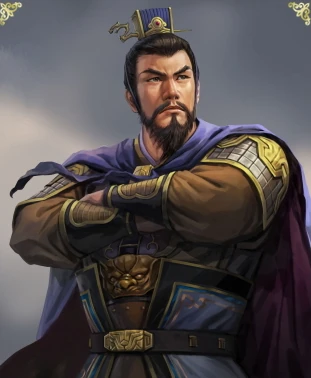
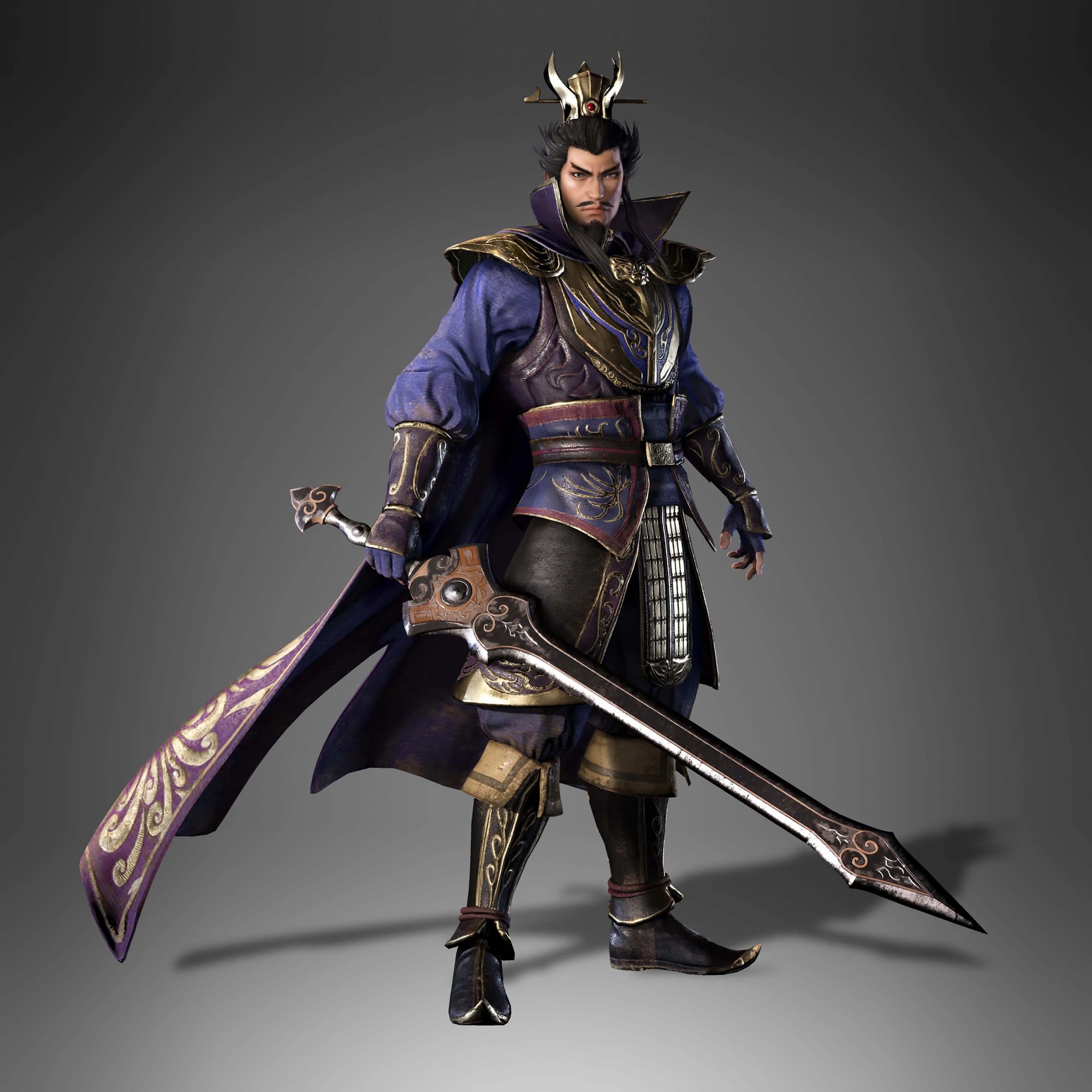
-
Wikipedia entry Bio
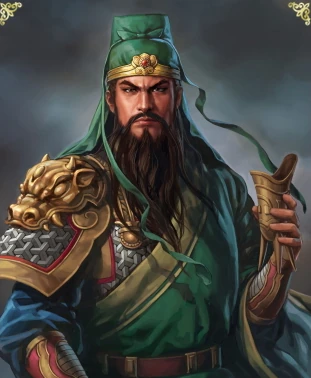
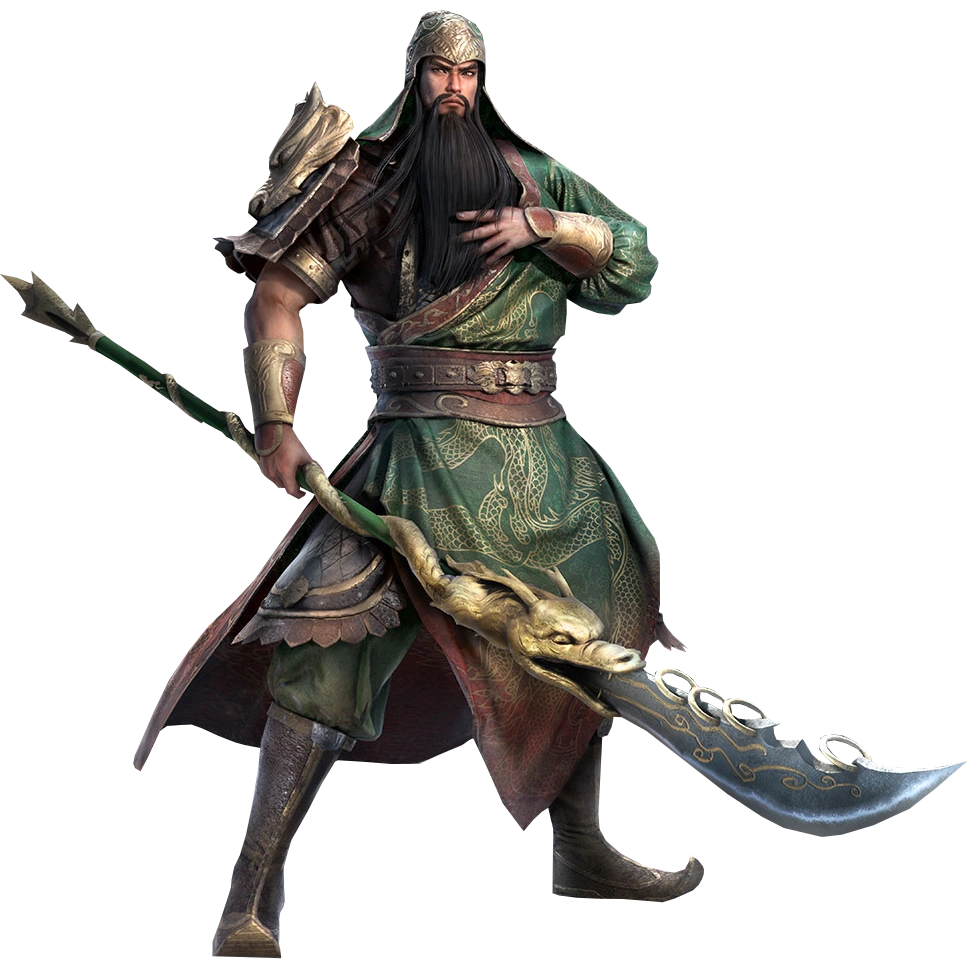
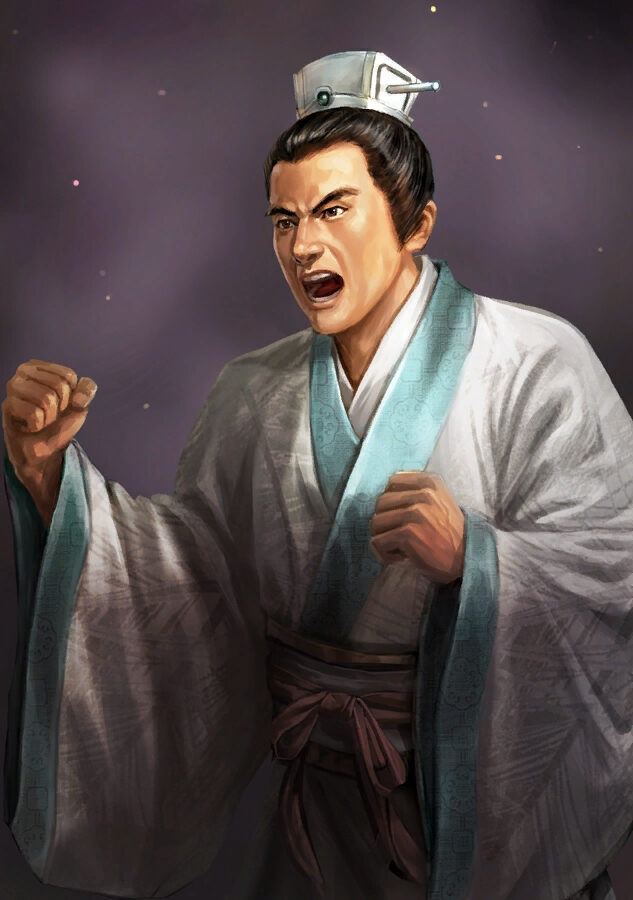
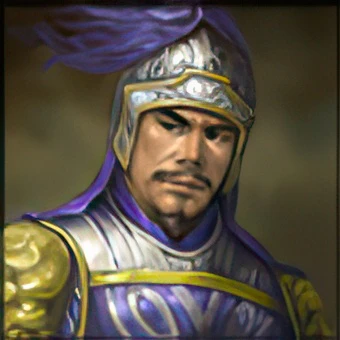
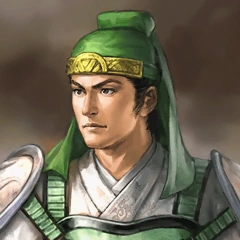
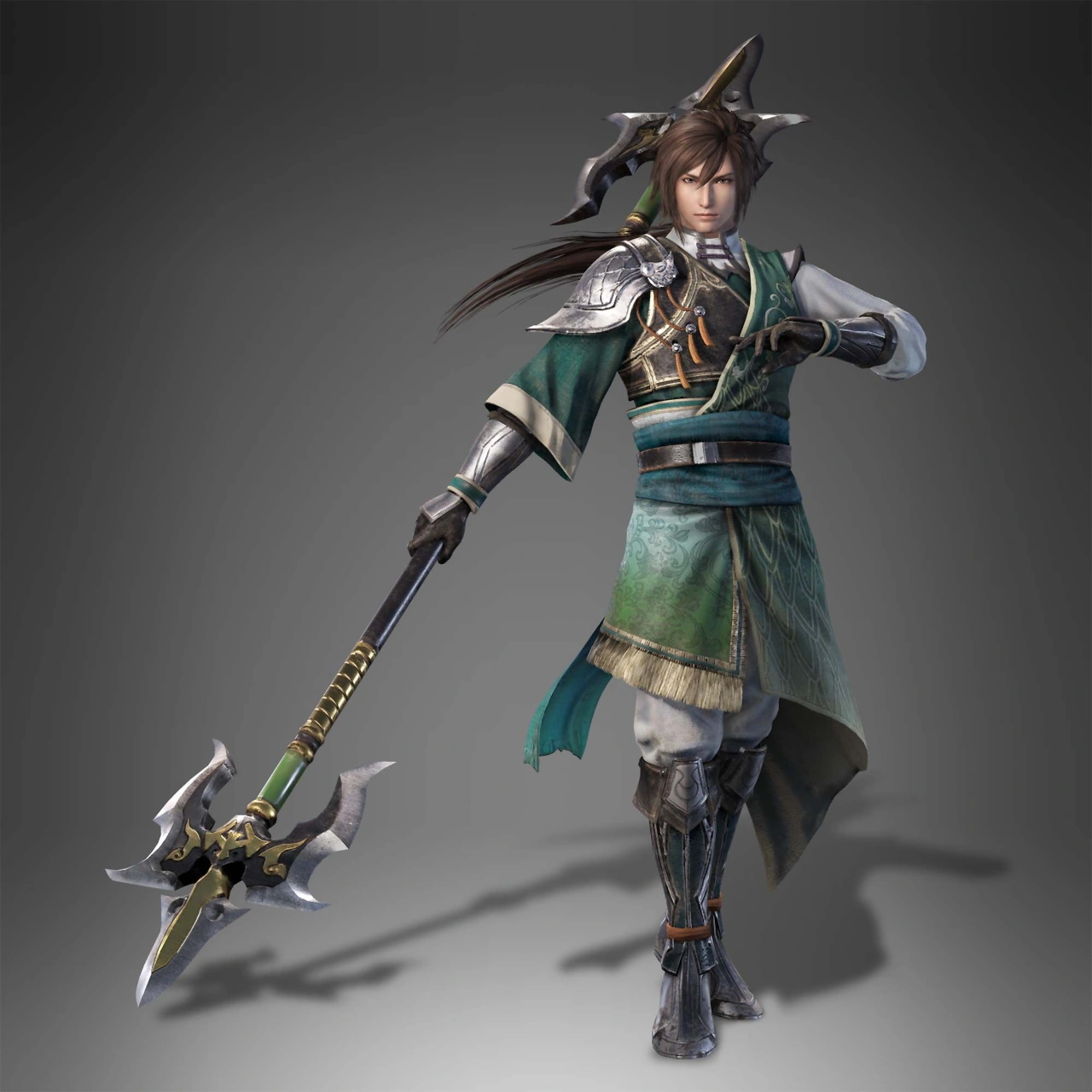
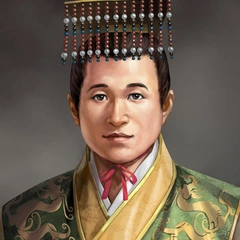
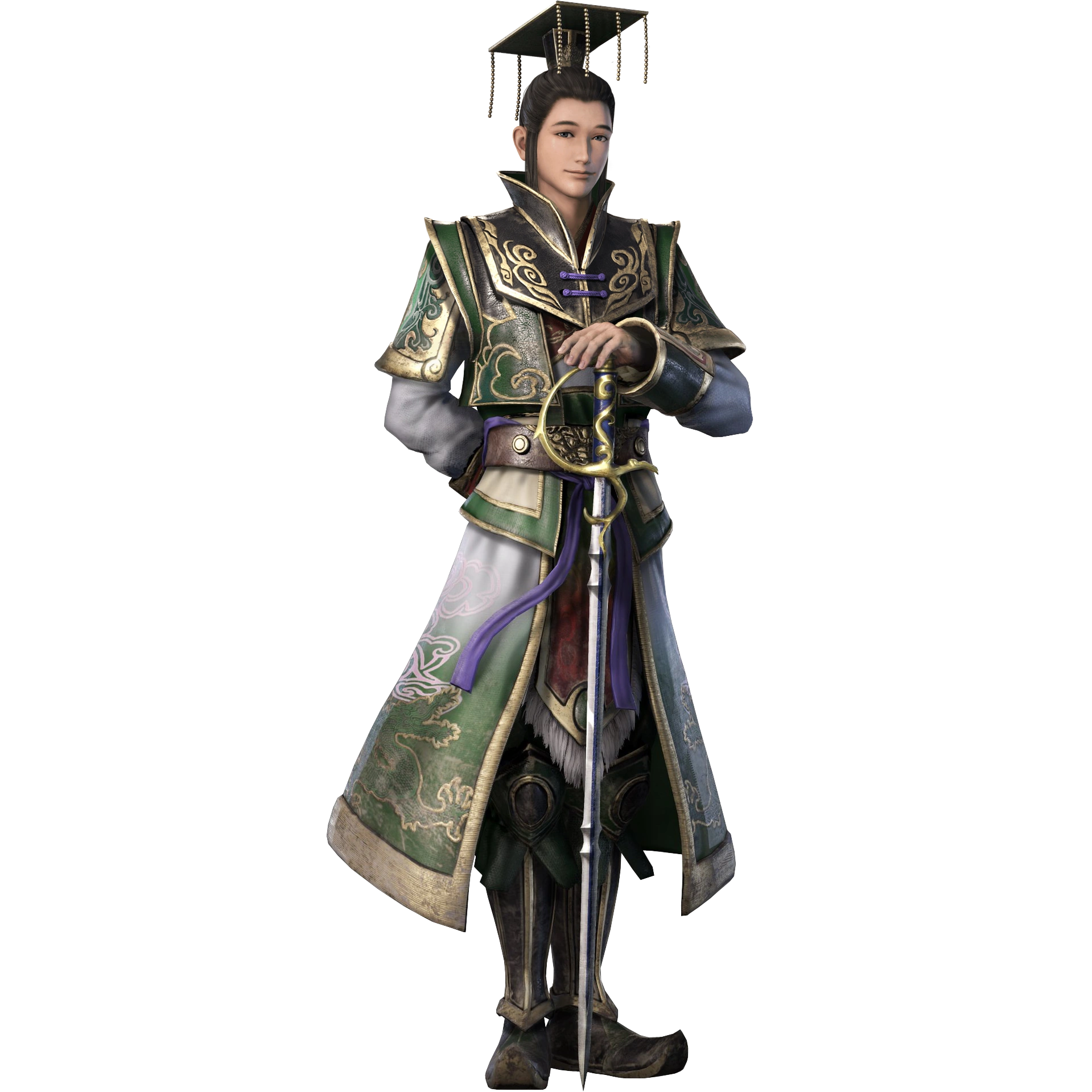
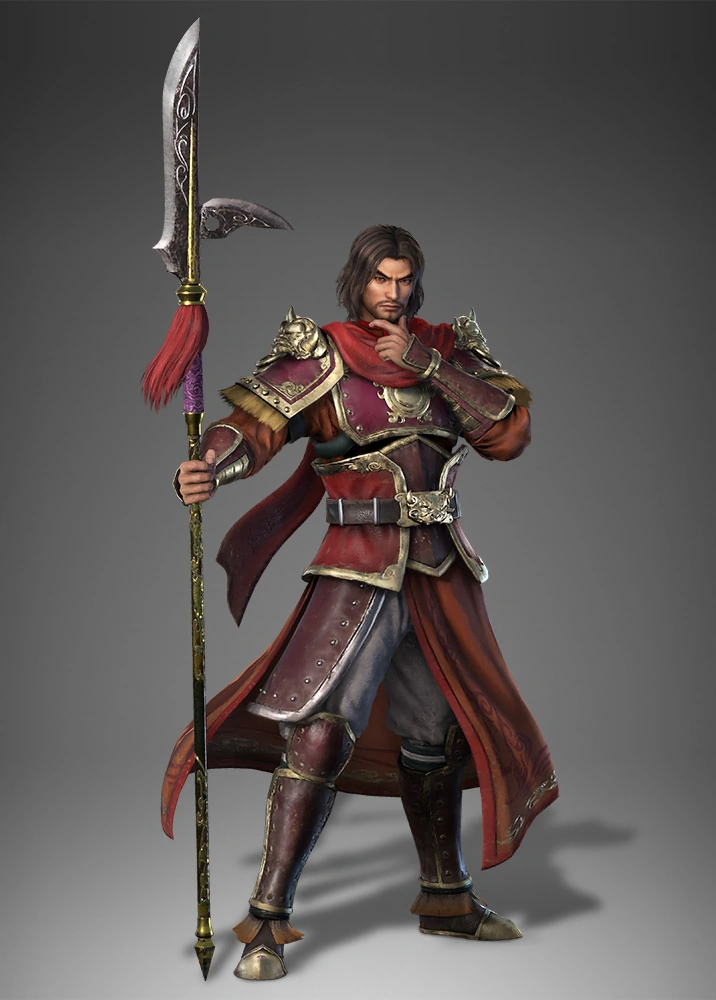
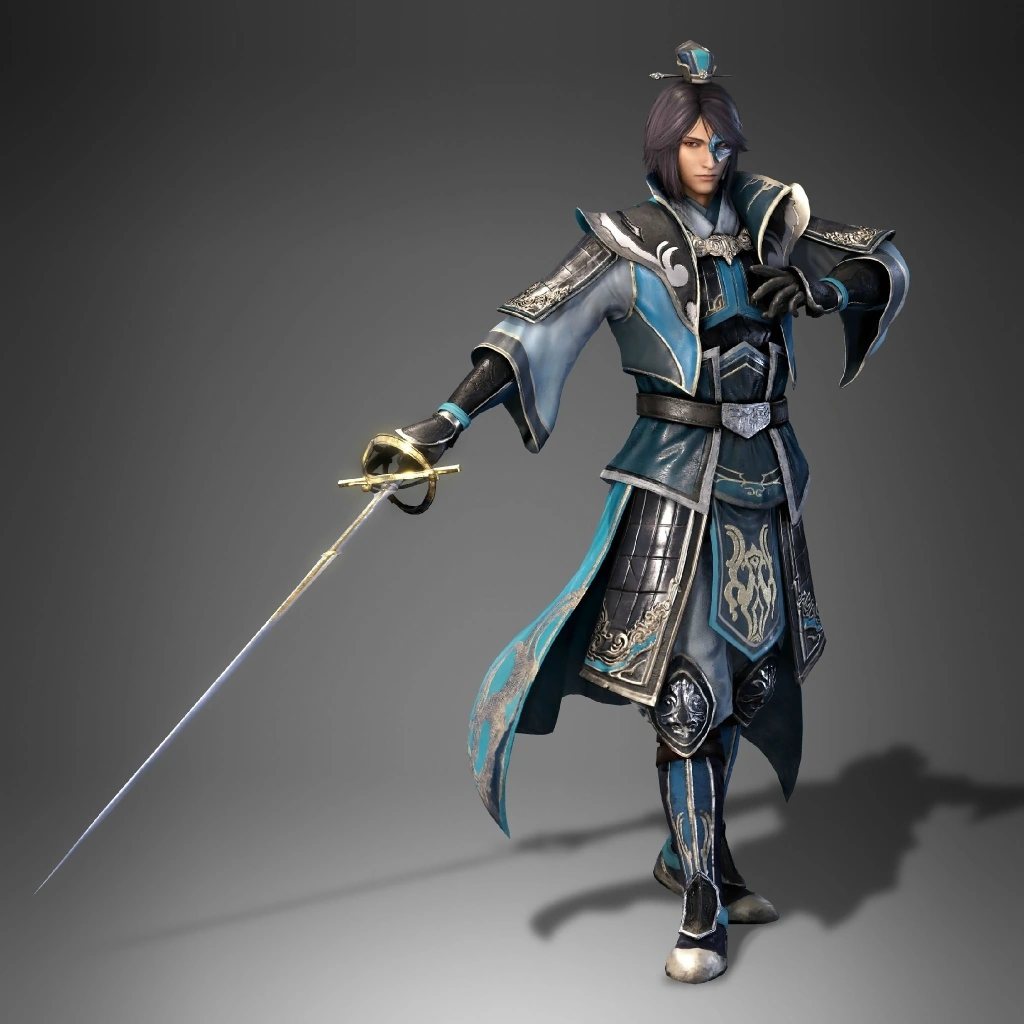
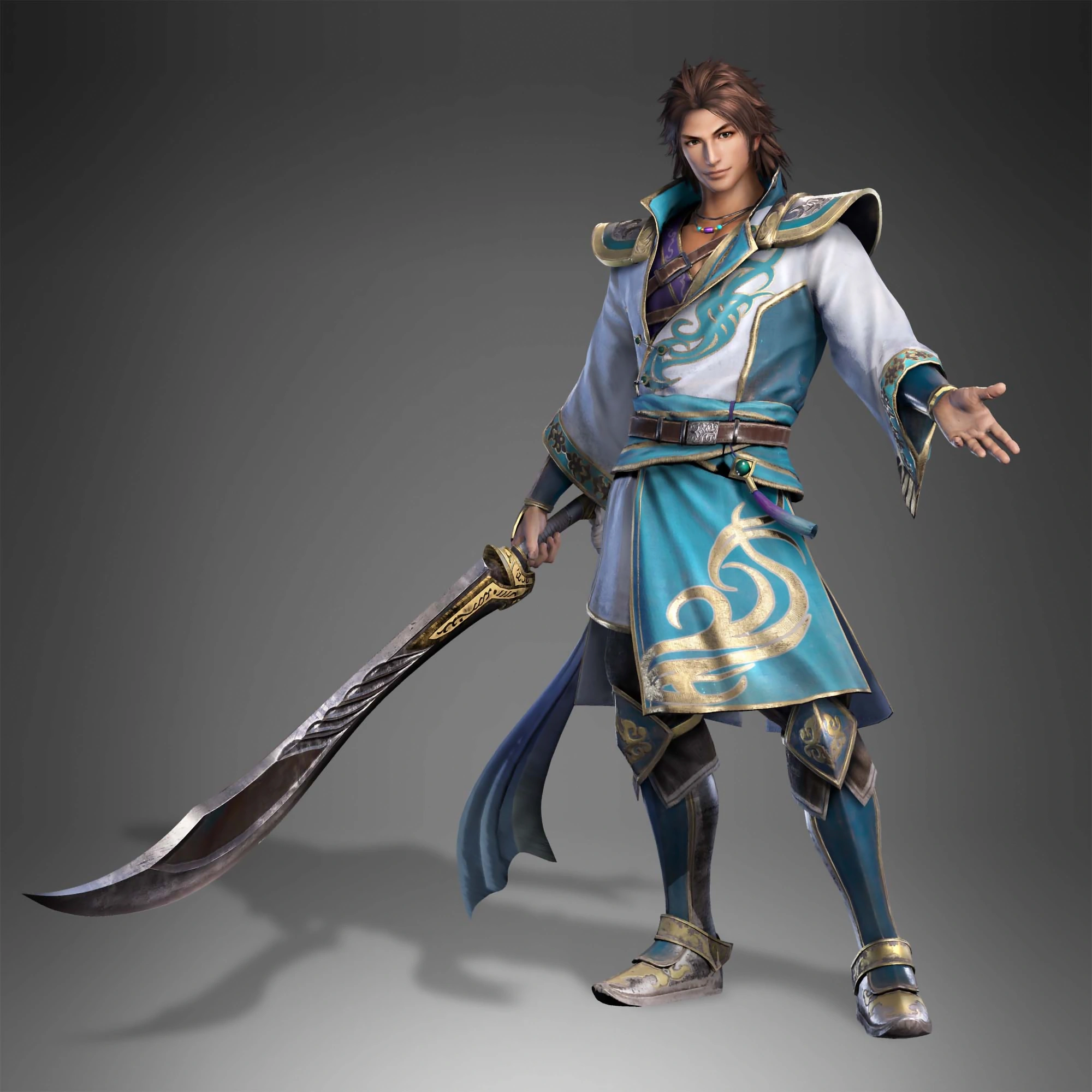
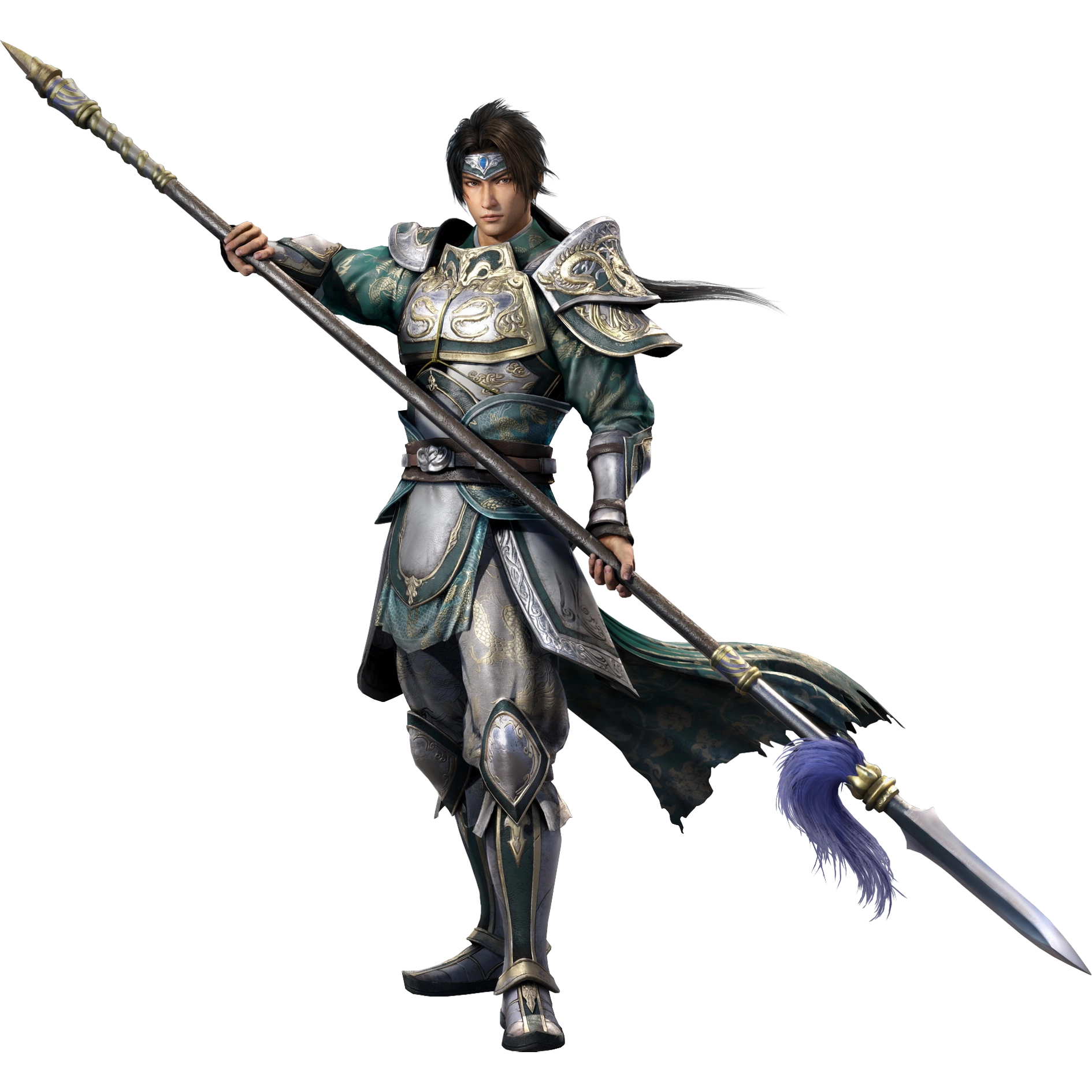
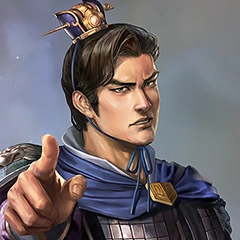
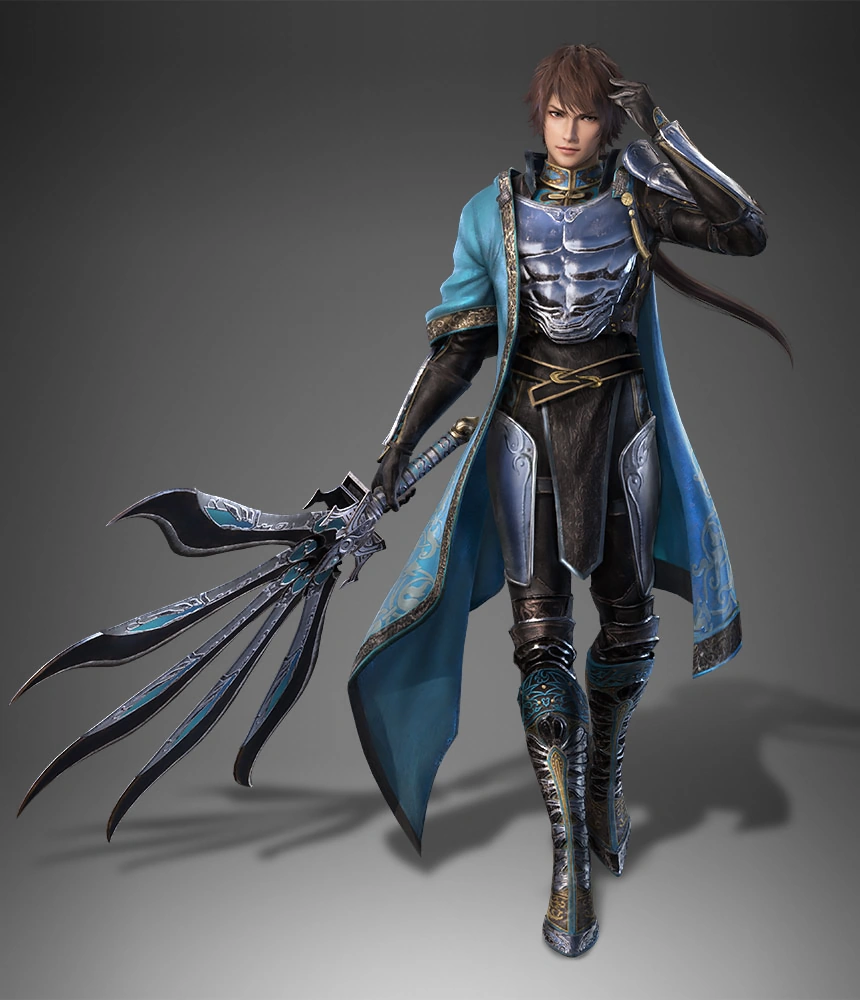
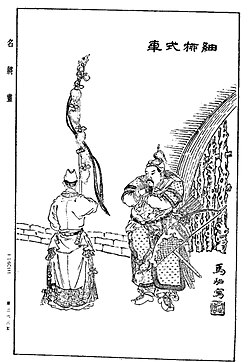
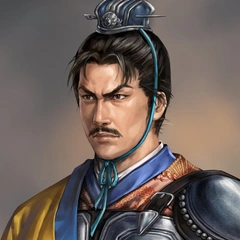
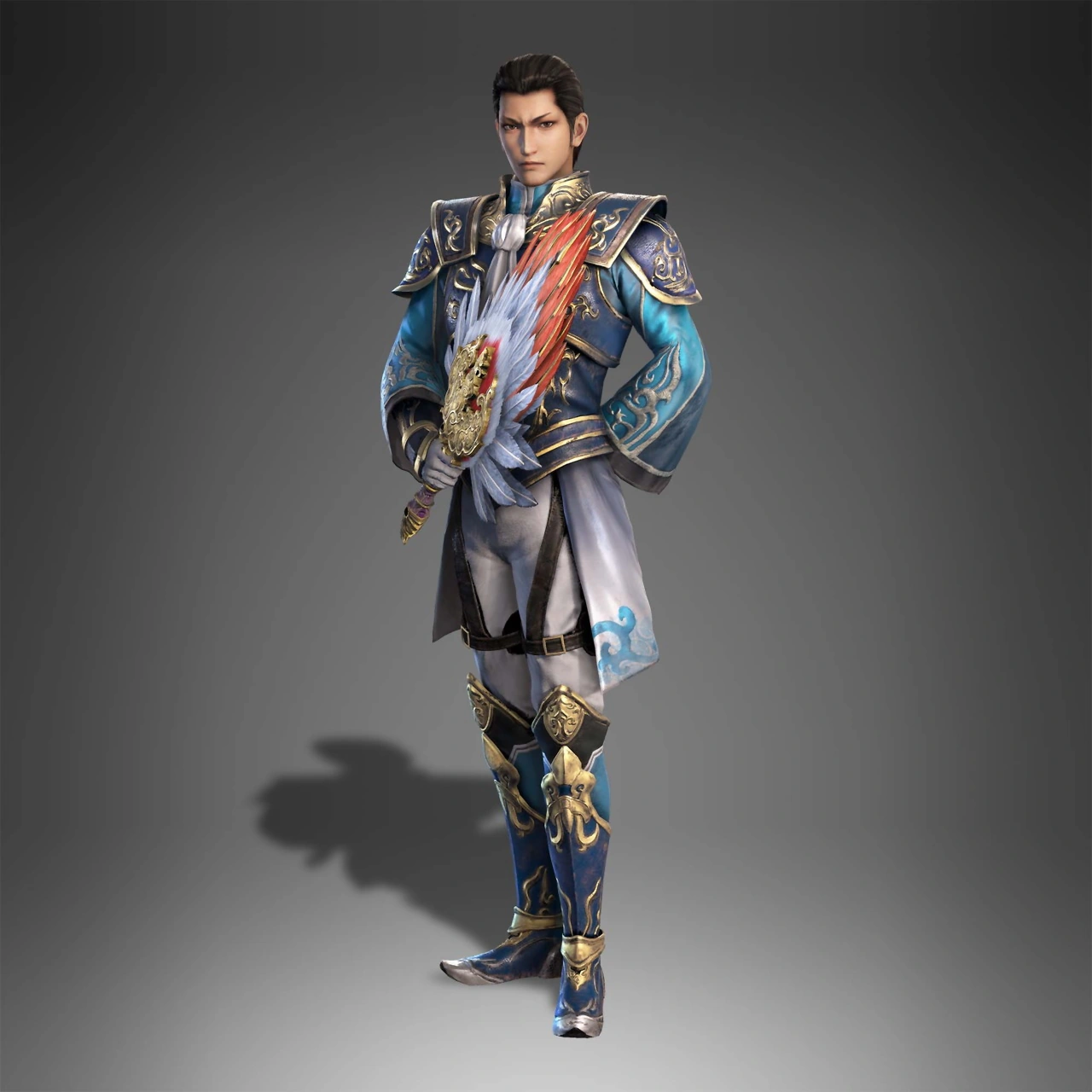
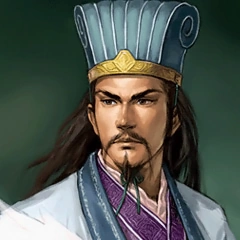
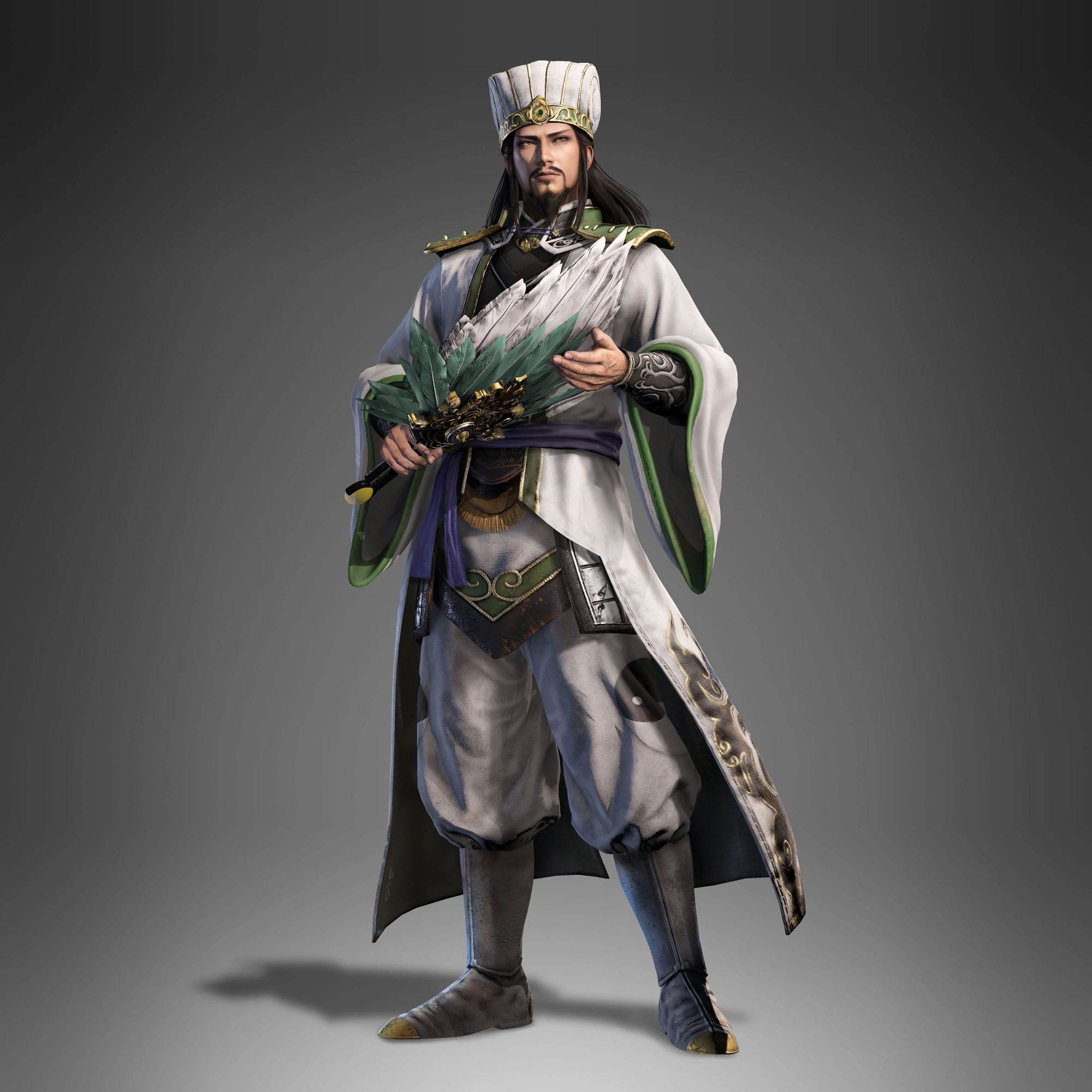
|
Cao Cao
Named in passing only, and long dead, in the eulogy for Wen Yang - the 'mighty host' at Long Slope that Zhao Zilong defied, against which the boy's ride at Lojia is measured.
1 mention in this chapter
2543 mentions in the book
|
|
Cao Fang
Named in passing only, and deposed since the previous chapter — but his deposition is the whole cause of the rebellion: Guanqiu Jian 'heard the news Sima Shi deposed Cao Fang' and 'was moved to great anger'.
1 mention in this chapter
41 mentions in the book
|
|
Cao Mao
The emperor who tries, once, to keep a Sima at arm's length: 'By special edict Sima Zhao was ordered to remain at Xuchang so as to guard against any attack from Wu.' Sima Zhao ignores it and moves to River Luo, and Cao Mao's answer to that is Wang Su's — buy him off with a title.
4 mentions in this chapter
50 mentions in the book
|
|
Cao Shuang
Named in passing only, and dead since ch107, but he supplies the chapter's two loyalties: Wen Qin 'had been a client of Cao Shuang's' and joins the revolt partly to avenge him, and Yin Damu, also of his party, is on the campaign only to look for a chance at Sima Shi.
3 mentions in this chapter
78 mentions in the book
|
|
Chen Tai
Commander of Yongzhou and General Who Conquers the West, already setting out to avenge Wang Jing's defeat when Deng Ai arrives by imperial edict. Asks for his plan, endorses it - 'That is well said!' - and marches the forty thousand with him while the twenty fifty-man cohorts do the real work with flags and night fires.
7 mentions in this chapter
44 mentions in the book
|
|
Consort Guo
She never appears, but her authority is forged: Guanqiu Jian and Wen Qin summon the officers to Shouchun 'pretending that they held an edict from the Empress Dowager', and the declaration read over the white horse's blood claims 'We have a secret edict commanding us to muster the forces of the South of River Huai'.
1 mention in this chapter
25 mentions in the book
|
|
Deng Ai
Named to the eastern command by Fu Gu specifically as 'a man of tactics', fights Wen Yang to a standstill over fifty bouts, kills Ge Yong in the first encounter of the final battle, and then wins the western campaign as well — reading Jiang Wei's position exactly ('If they do not think of that, but try to take Didao, they will only fritter away their energies against a place too strongly fortified for them to capture') and beating him with an army that barely exists: twenty cohorts of fifty men hidden in the valleys southeast of Didao with many ensigns, trumpets and huge night fires. Jiang Wei only discovers it was 'make-believe' after he has retreated all the way to Saber Pass.
16 mentions in this chapter
248 mentions in the book
|
|
Fu Gu
The winning plan is his. Chair of the Secretariat and on the expedition, he reads Guanqiu Jian's withdrawal correctly as a reaction to Sun Jun's threat to Shouchun, and proposes the three-army answer — Xiangcheng, Lojia and Shouchun at once — naming Deng Ai for Lojia because 'the Imperial Protector of Yanzhou, Deng Ai, is a man of tactics'. Sima Shi adopts it entire.
1 mention in this chapter
2 mentions in the book
|
|
Ge Yong
Guanqiu Jian's Leader of the Van, and the man who identifies Nandun as the ground that matters — 'with a river beside it and hills at the rear. If the Wei armies camp there, we shall be unable to dislodge them. Let us occupy it' — a day too late. Sent out to fight when Xiangcheng finally opens its gates, and 'Ge Yong fell in the first encounter, cut down by Deng Ai himself'.
3 mentions in this chapter
3 mentions in the book
|
|
Guan Yu
Mentioned in Wang Su's strategic advice at the start: 'When Guan Yu was most famous, Sun Quan sent Lu Meng to capture Jingzhou by surprise. What did Lu Meng do? He first won over the officers of Guan Yu by taking care of their families and thus broke the power of his enemy like a tile.' The precedent is used to argue for holding the rebels' families hostage in the Middle Land.
2 mentions in this chapter
905 mentions in the book
|
|
Guanqiu Dian
His single appearance is at the very start, and it is the push that starts the war: 'his eldest son, Guanqiu Dian, fomented his father's wrath, saying, "Father, you are chief of all this region. With this Sima Shi in such a position, the country is in danger, and you cannot sit still and look on."' Guanqiu Jian's answer is 'My son, you speak well!'
1 mention in this chapter
1 mention in the book
|
|
Guanqiu Jian
Provoked into revolt by his own son and armed with a forged edict from the Empress Dowager, he swears the Shouchun oath over a white horse's blood, puts sixty thousand men into Xiangcheng, and then loses the campaign by hesitation: beaten to Nandun, panicked back to Xiangcheng by Sun Jun's crossing, and finally surrounded by three armies. He escapes with a dozen riders to Shenxian, where 'Governor Song Bai received him kindly and comforted him with a feast. At the banquet Guanqiu Jian drowned his sorrows in the wine cup till he was helpless, when he was slain by his host.' His head is sent to the Wei army as proof.
14 mentions in this chapter
22 mentions in the book
|
|
Hu Zun
Sent with the Qingzhou forces to bar the rebels' retreat at Qiaosong, and one of the three armies - with Wang Ji and Deng Ai - that close on Wen Qin at Xiangcheng and then surround Guanqiu Jian in the final battle.
3 mentions in this chapter
17 mentions in the book
|
|
Hua Yong
One of the four Wang Jing sends against Jiang Wei at River Yao, and part of the pursuit that runs into the Shu rally at the water's edge.
1 mention in this chapter
1 mention in the book
|
|
Jiang Wei
Takes Sima Shi's death as the opening, argues down Zhang Yi's objection with the clearest statement of his own purpose in the book — 'Six times he led armies to try to gain the northern portion of the empire, but failed to attain his desire… he bequeathed to me the legacy of his intention, and I must be a loyal and worthy executor. If I die in the attempt, I will perish without regret' — and marches fifty thousand out by Baohan. Beats Wang Jing's seventy thousand by deliberately drawing up with the river at his back and then rallying at the water's edge ('Danger, O Generals! Now do your utmost!'), so that 'dead bodies lay about over several miles'. Then overrules Zhang Yi's warning about adding legs to a serpent, besieges Didao, and is driven all the way back to Saber Pass by an army of a thousand men with a great many flags. Made Regent Marshal for River Yao, and starts planning the next expedition before the ceremony is over.
19 mentions in this chapter
443 mentions in the book
|
|
Li Feng
Named in passing only, and executed last chapter - as one of the three apparitions that visit Sima Shi at Xuchang: 'Night after night he was troubled by the apparitions of the three courtiers---Zhang Qi, Li Feng, and Xiahou Xuan---he had put to death, and he knew that his end was near.'
1 mention in this chapter
5 mentions in the book
|
|
Liu Dan
One of Wang Jing's four generals at River Yao, committed to the pursuit that Zhang Yi and Xiahou Ba then take in the rear.
1 mention in this chapter
1 mention in the book
|
|
Liu Shan
Receives Jiang Wei's memorial arguing that Sima Zhao 'will be unable to leave Luoyang until he has consolidated his position', agrees, and orders the army raised — the third time in four chapters he authorises a northern expedition without weighing it.
2 mentions in this chapter
254 mentions in the book
|
|
Lü Meng
Named in Wang Su's advice as the model for breaking a rebellion without fighting it: he took Jingzhou by winning over Guan Yu's officers through their families, and Wang Su proposes the same handling for the Huai garrisons, whose families are all in the Middle Land.
2 mentions in this chapter
113 mentions in the book
|
|
Sima Shi
Dies in this chapter. He has had the mole below his left eye excised and is still convalescing from it when the revolt breaks out, and insists on going in person against every objection - 'No one but myself can succeed' - travelling in a padded carriage. In the third watch at Lojia, Wen Yang's charge into the camp bursts the wound so that 'the eyeball protruded and blood flowed freely', and he lies gnawing the bedclothes into rags rather than let the army hear him. He does not die on the field: the rising is put down, he hands Zhuge Dan the seal for the east, the army returns to Xuchang, and only then do the apparitions of Zhang Qi, Li Feng and Xiahou Xuan start visiting him nightly. His last words to his brother are a warning - 'you must be exceedingly careful how you entrust any other with power, lest you bring about the destruction of our whole clan' - and 'with a deep groan as his eye popped out Sima Shi died'.
29 mentions in this chapter
94 mentions in the book
|
|
Sima Zhao
Inherits everything in the space of four paragraphs. Left in charge at Luoyang, called to the deathbed at Xuchang, given the seal and the warning about entrusting power to outsiders. Ordered by edict to remain at Xuchang; goes to River Luo instead on Zhong Hui's advice, which alarms the Emperor into creating him Regent Marshal with control of the Secretariat - after which 'all matters and the whole government were under Sima Zhao's hand'.
12 mentions in this chapter
170 mentions in the book
|
|
Song Bai
Ends the rebellion. Governor of Shenxian, he takes the fugitive Guanqiu Jian in with every appearance of kindness, sits him down to a feast, lets him drink himself helpless, and kills him at his own table — then sends the head to the Wei army.
1 mention in this chapter
1 mention in the book
|
|
Sun Jun
His move decides the first half of the chapter. 'Sun Jun of Wu has crossed the river to attack Shouchun' is the report that makes Guanqiu Jian abandon Nandun and retreat to Xiangcheng that same night, which is what lets Fu Gu's three-army plan close on him. Wen Qin then flees to Wu to serve him.
2 mentions in this chapter
16 mentions in the book
|
|
Sun Quan
Named in passing only, and long dead, as the ruler who sent Lu Meng against Jingzhou in Wang Su's precedent for undermining Guanqiu Jian's army through its families.
1 mention in this chapter
603 mentions in the book
|
|
Wang Ji
Talks Sima Shi out of Zheng Mao's caution and then makes the decisive move. 'This is not a rising of the people, nor of the soldiers, but is the work of Guanqiu Jian. The people are merely his tools and cannot help themselves. The rebellion will go to pieces as soon as an army approaches the region.' Then identifies Nandun as the position the campaign turns on — 'Occupy it at once, for if not the enemy will do so' — and is sent to take it, which he does a day before Guanqiu Jian arrives to do the same. One of the three armies that finally surrounds Xiangcheng.
6 mentions in this chapter
18 mentions in the book
|
|
Wang Jing
Loses the chapter's biggest battle. Imperial Protector of Yongzhou, he brings seventy thousand against Jiang Wei's fifty thousand and opens with the reasonable question — 'Wu, Shu, and Wei are now actually established as a tripod. Why then have you invaded our borders these many times?' Reads the river at Jiang Wei's back as a trap for Shu rather than for himself, sends four generals out two and two, and follows with his main body into the rally. Escapes to Didao with a hundred horsemen and bars the gates.
6 mentions in this chapter
20 mentions in the book
|
|
Wang Su
Grand Commander, and the chapter's most-consulted head. Supplies the Lu Meng precedent for neutralising the Huai garrisons through their families; then, after Sima Zhao ignores the order to stay at Xuchang and camps on River Luo, tells Cao Mao the only safe course - 'Sima Zhao has succeeded the office of his late brother. It is well that Your Majesty should placate him with a new title' - and carries the edict that makes him Regent Marshal.
4 mentions in this chapter
7 mentions in the book
|
|
Wen Qin
Co-raises the rebellion and loses it by getting lost. A former client of Cao Shuang's, he brings twenty thousand men and offers his son as Leader of the Van. On the night of the Lojia attack he takes the southern route and never arrives - 'In the darkness he lost his way among the precipices and gullies, whence he only got out as day dawned' - and comes back to find the battle over and his son gone. Refuses to read Yin Damu's coded offer, abuses him and threatens to have him shot, finds Shouchun already held by Zhuge Dan and Xiangcheng closing, and flees to Wu to serve Sun Jun.
16 mentions in this chapter
25 mentions in the book
|
|
Wen Yang
Eighteen years old, tall and strong, in full armour with a spear and a steel whip at his waist. He proposes the two-pronged night attack himself and takes half the five thousand round by the north. Bursts into Sima Shi's camp in the third watch 'slashing and thrusting right and left, and everyone gave way before him', is driven back from the main tent by arrows and crossbow bolts, and at daylight — his father never having arrived and his own troops broken — fights Deng Ai himself for 'half a hundred bouts without either gaining the advantage'. Then rides south with more than a hundred Wei generals on his heels, and near the Lojia Bridge turns into them with the whip — 'wherever it struck there lay warriors and horses in confused heaps' — and does it again when they re-form ('You fools? Have you then no regard for your lives?'), and again after that. The poem sets him beside Zhao Zilong at Long Slope.
9 mentions in this chapter
14 mentions in the book
|
|
Xiahou Ba
Proposes the route - 'Let us send first some light horse out by Baohan to capture Nanan and thereby settle that county' - takes the Wei rear with Zhang Yi at River Yao, and then gives the warning that turns out to matter most: 'I have spoken to you of Deng Ai many times. He is perspicacious, valiant, resourceful, and has always delighted in the study of military topography. As he is coming, we shall have to put forth all our energies.' Sent against Chen Tai while Jiang Wei goes for Deng Ai, and withdrawn when the trap closes.
6 mentions in this chapter
66 mentions in the book
|
|
Xiahou Xuan
Named in passing only, and executed last chapter, as one of the three ghosts at Sima Shi's bedside. (He is also, indirectly, why Xiahou Ba is on the other side of the western campaign in this same chapter.)
1 mention in this chapter
5 mentions in the book
|
|
Yin Damu
His scene is one of the strangest in the late novel. A former man of Cao Shuang's who 'bitterly resented the death of his patron' and is on the campaign only to watch for a chance at revenge, he asks leave to go and talk Wen Qin over. Rides after him, takes off his helmet so his face can be seen, and delivers the whole message in one coded sentence: 'O Imperial Protector, why can you not bear up for a few days?' — meaning that Sima Shi is dying and Wen Qin has only to wait. 'But Wen Qin did not understand. He abused Yin Damu and even threatened that the bowmen should shoot, and Yin Damu could only sorrowfully turn away.'
7 mentions in this chapter
11 mentions in the book
|
|
Zhang Ji
Named as the first of the three executed courtiers whose apparitions haunt Sima Shi nightly at Xuchang until he knows his end is near.
1 mention in this chapter
7 mentions in the book
|
|
Zhang Ming
One of Wang Jing's four generals sent out two and two against Jiang Wei at River Yao, on the reasoning that troops drawn up with a river behind them 'must conquer or drown' — which turns out to be true of the wrong army.
1 mention in this chapter
1 mention in the book
|
|
Zhang Yi
The chapter's dissenting voice twice over. Opposes the expedition outright — 'Shu is not a big country, and its resources are not too abundant. Thus a far expedition should be avoided' — then, overruled, argues for speed and surprise instead. Takes the Wei rear with Xiahou Ba at River Yao. And after the victory he gives the warning the chapter's closing verse repeats: 'General, you have won a great victory, which will bring you fame. If you attempt more, things may go astray, and you will only add legs to your sketch of a serpent.' Left to carry on the siege of Didao when Jiang Wei goes out to meet Deng Ai.
8 mentions in this chapter
76 mentions in the book
|
|
Zhao Yun
Named in passing only, and long dead, as the measure of Wen Yang's night ride: 'Defiance hurled at Cao Cao's mighty host / Arrayed near Long Slope proclaimed Zhao Zilong, / A valiant man; and peerless stood he till. / At Lojia another hero faced, / Alone, another host, and Wen Yang's name / Was added to the roll of famous people.'
1 mention in this chapter
475 mentions in the book
|
|
Zheng Mao
Gives the chapter's first strategic reading, and it is overruled. 'Guanqiu Jian is fond of laying plans, but slow to come to any decision. His fellow-conspirator Wen Qin is bold, but imprudent. Now this scheme of theirs is too large for their minds. But as their soldiers are full of spirit, they should not be engaged lightly. We should remain on the defensive till their ardor has burned out. This is what Zhou Yafu of old time did.'
1 mention in this chapter
1 mention in the book
|
|
Zhong Hui
Makes two decisions, and both change the succession. First he tells the sick Sima Shi that no substitute will do — 'The forces of the South of River Huai and Chu are very formidable. If you send another, there is danger whatever happens' — which is what puts Sima Shi in the padded carriage and ultimately kills him. Then, with Sima Zhao ordered to stay at Xuchang, he tells him to disobey: 'The death of your brother has disturbed the country. If you remain here, some shifting of power at the capital will surely work to your disadvantage. It will be too late for regrets then.'
2 mentions in this chapter
131 mentions in the book
|
|
Zhou Yafu
Named in Zheng Mao's advice as the model for beating a rebellion by waiting it out rather than fighting it - the Han general who let the Rebellion of the Seven States exhaust itself. Sima Shi takes the opposite advice.
1 mention in this chapter
2 mentions in the book
|
|
Zhu Fang
The fourth of Wang Jing's generals at River Yao, in the attack that collapses when the retreating Shu army turns at the riverbank.
1 mention in this chapter
1 mention in the book
|
|
Zhuge Dan
Wins the campaign's key objective and inherits the command. Given all the forces of Yuzhou and sent from Anfeng to take Shouchun, which he holds so that Wen Qin cannot fall back on it. Then, with Sima Shi dying, 'he called Zhuge Dan to his tent and gave him a seal and conferred upon him the title of General Who Conquers the East, with command of all the forces in Yangzhou' — the appointment that makes his own rebellion possible in ch111.
3 mentions in this chapter
42 mentions in the book
|
|
Zhuge Liang
Named in passing only, and long dead, but in the speech that defines Jiang Wei's whole career: 'Before our great Minister Zhuge Liang emerged from his reed hut in the wilds and undertook the affairs of a state, the three kingdoms were already a fact. Six times he led armies to try to gain the northern portion of the empire, but failed to attain his desire. Unhappily he died leaving his design unaccomplished. But he bequeathed to me the legacy of his intention.'
1 mention in this chapter
1454 mentions in the book
|
-
Anfeng Commandery Commandery
-
Baohan
-
Chengdu County County(30.6661, 104.0754)
-
Chennan
-
Chu State (Warring States/Spring+Autumn) Region
-
Didao
-
Hanzhong Commandery Commandery(33.0730, 107.0359)
-
Jing Province Province
-
Land Within the Passes Region
-
Lojia
-
Lojia Bridge Bridge/Ferry
-
Luoyang County(34.7316, 112.5963)
-
-
-
Middle Land Region
-
Nanan Commandery
-
Nandun
-
Qiaosong
-
Qing Province Province
-
-
-
River Huai River
-
River Luo River
-
River Yao River
-
River Ying
-
Saber Pass Pass
-
Shouchun County
-
Shu (Three Kingdoms) Region
-
Wei (Three Kingdoms) Region
-
West Valley Land Region
-
Wu (Three Kingdoms) Region
-
Xiangcheng
-
Xiangling Mountain Mountains/Hills
-
Xiangyang Commandery Commandery(32.0265, 112.1587)
-
Xuchang City
-
Yan Province Province
-
Yang Province Province
-
Yong Province Province
-
Yu Province Province
-
Zhongti