The Lord of Wuxiang Leaves A Plan In The Silken Bag;
The Ruler of Wei Removes The Bronze Statue With The Dew Bowl.
Yang Yi sent forward a man to find out what force this was that stood in his way, and the scout returned to say they were soldiers of Shu led by Wei Yan. Wei Yan had burned the Plank Trail and now barred the way.
Then said Yang Yi, "Just before his death the Prime Minister foretold that this man would one day turn traitor, and here it has come to pass. I did not expect to meet it thus, but now our road of retreat is cut, and what is to be done?"
Then replied Fei Yi, "He certainly has slandered us to the Emperor and said that we were rebelling, and therefore he has destroyed the wooden roads in order to prevent our progress first. Therefore, we must memorialize to the Throne the truth about him and then plan his destruction."
Jiang Wei said, "I know a by-way hereabout that will lead us round to the rear of these covered roads. True it is precipitous and dangerous, but it will take us to our destination. It is called the Chashan Mountain Path."
So they prepared a memorial and turned off in order to follow the narrow mountain road.
Meanwhile in Chengdu the Latter Ruler of Shu was troubled; he lost his appetite and was sleepless. Then he dreamed that the Silky Hills that protected his capital was rived and fell. This dream troubled him till morning, when he called in his officers of all ranks to ask them to interpret his vision.
When he had related his dream, Qiao Zhou stood forth and said, "Last night I saw a large red star fall from the northeast to the southwest. Surely it forebodes a misfortune to the First Minister. Your Majesty's dream corresponds to what I saw."
The Latter Ruler's anxiety increased. Presently Li Fu returned and was summoned into the Latter Ruler's presence.
Li Fu bowed his head and wept, saying, "The Prime Minister is dead!"
He repeated Zhuge Liang's last messages and told all that he knew.
The Latter Ruler was overcome with great sorrow, and wailed, crying, "Heaven smites me!"
And he fell over and lay upon his couch. They led him within to the inner chambers; and when Empress Wu, the Empress Dowager, heard the sad tidings, she also wailed without ceasing. And all the officers were distressed and wept, and the common people showed their grief.
The Latter Ruler was deeply affected, and for many days could hold no court. And while thus prostrate with grief, they told him that Wei Yan had sent up a memorial charging Yang Yi with rebellion. The astounded courtiers went to the Latter Ruler's chamber to talk over this thing, and Empress Wu was also there. The memorial was read aloud. It was much like this:
"I, thy Minister and General, Wei Yan, General Who Conquers the West and Lord of Nanzheng, humbly and with bowed head write that Yang Yi has assumed command of the army and is in rebellion. He has made off with the coffin of the late Prime Minister and wishes to lead enemies within our borders. As a precaution, and to hinder his progress, I have burned the Plank Trail and now report these matters."
The Latter Ruler said, "Wei Yan is a valiant warrior and could easily have overcome Yang Yi. Why then did he destroy the Plank Trail?"
Empress Wu said, "The First Ruler used to say that Zhuge Liang knew that treachery lurked in the heart of Wei Yan, and he wished to deal with Wei Yan; he only spared Wei Yan because Wei Yan is a valiant and committed leader. We should not believe too readily this tale of his that Yang Yi has rebelled. Yang Yi is a scholar and a civil officer, and the late Prime Minister placed him in a position of great responsibility, thereby proving that he trusted and valued Yang Yi. If we believe this statement, surely Yang Yi will be forced to go over to Wei. Nothing should be done without due meditation."
As they were discussing this matter, an urgent memorial came from Yang Yi, and opening it, they read:
"I, Yang Yi, leader of the retreating army, humbly and with trepidation, present this memorial. In his last moments the late Prime Minister made over to me the charge of the great enterprise, and bade me carry out his plan without change. I have respected his charge. I ordered Wei Yan to command the rearguard with Jiang Wei as his second. But Wei Yan refused obedience and led away his own army into Hanzhong. Then he burned the Plank Trail, tried to steal away the body of the late Commander-in-Chief, and behaved altogether unseemly. His rebellion came upon me suddenly and unexpectedly. I send this memorial in haste."
The Empress Dowager listened to the end.
Then, turning to the officers, she said, "What is your opinion now?"
Jiang Wan replied, "Yang Yi is hasty and intolerant, but he has rendered great services in supplying the army. He has long been a trusted colleague of the late Prime Minister, who, being near his end, entrusted to him the conduct of affairs. Certainly he is no rebel. On the other hand, Wei Yan is bold and ambitious and thinks himself everybody's superior. Yang Yi is the only one who has openly been of different opinion, and hence Wei Yan hates him. When he saw Yang Yi placed over his head in command of the army, Wei Yan refused his support. Then Wei Yan burned the Plank Trail in order to cut off Yang Yi's retreat, and maligned him, hoping to bring about his fall. I am ready to guarantee Yang Yi's fealty to the extent of my whole house, but I would not answer for Wei Yan."
Dong Yun followed, "Wei Yan has always been conceited and discontented. His mouth was full of hate and resentment, and only fear of the late Prime Minister held him in check. The Prime Minister's death gave him his opportunity, and he turned traitor. This is certainly the true state of the case. Yang Yi is able, and his employment by the late Prime Minister is proof of his loyalty."
"If this is true and Wei Yan is really a rebel, what should be done?" asked the Latter Ruler.
Jiang Wan said, "I think the late Prime Minister has framed some scheme by which to get rid of Wei Yan. If Yang Yi had not felt secure, he would scarcely have set out to return through the valleys. Your Majesty may feel sure that Wei Yan will fall into some trap. We have received, almost at the same time, two memorials from two men, each bringing against the other a charge of rebellion. Let us wait."
In a short time another memorial arrived from Wei Yan, who accused Yang Yi of rebellion. The Latter Ruler was reading it, when a messenger from Yang Yi was announced with yet another memorial labeling Wei Yan a rebel. The court received several more memorials from both sides blaming each other, and the officials did not know what to do.
Just then Fei Yi arrived. He was summoned into the royal presence and told the story of Wei Yan's revolt.
The Latter Ruler replied, "In that case I should do well to send Dong Yun with the ensigns of authority to mediate the situation and attempt to persuade Wei Yan with kind words."
So Dong Yun left on this mission.
At this time Wei Yan was camped at Nangu Valley, which was a commanding position. He thought his plan was succeeding well. It had not occurred to him that Yang Yi and Jiang Wei could get past him by any by-way.
On the other hand, Yang Yi, thinking that Hanzhong was lost, sent He Ping with three thousand troops on in front while he followed with the coffin.
When He Ping had got to the rear of Nangu Valley, they announced their presence with rolling drums. The scouts quickly told Wei Yan, who at once armed himself, took his sword, and rode out to confront He Ping. When both sides were arrayed, He Ping rode to the front and began to revile his opponent.
"Where is that rebel Wei Yan?" cried He Ping.
"You aided that traitor Yang Yi!" cried Wei Yan, no way backward with his tongue. "How dare you abuse me?"
He Ping waxed more indignant.
"You rebelled immediately after the late chief's death, before even his body was cold. How could you?"
Then shaking his whip at the followers of Wei Yan, He Ping cried, "And you soldiers are Shu people. Your fathers and mothers, wives and children, and your friends are still in the land. Were you treated unkindly that you have joined a traitor and aid his wicked schemes? You ought to have returned home and waited quietly the rewards that would have been yours."
The soldiers were touched by his words. They cheered, and more than a half ran away.
Wei Yan was now raging. He whirled up his sword and galloped forward straight for He Ping, who went to meet him with his spear ready. They fought several bouts, and then He Ping rode away as if defeated. Wei Yan followed, but He Ping's troops began to shoot and Wei Yan was driven backward. As he got near his own ranks, Wei Yan saw many generals leaving their companies and going away. He rode after them and cut some of them down. But this did not stay the movement; they continued to go. The only steady portion of his own army was that commanded by Ma Dai. They stood their ground.
"Will you really help me?" said Wei Yan. "I will surely remember you in the day of success."
The two then went in pursuit of He Ping, who fled before them. However, it was soon evident that He Ping was not to be overtaken, and the pursuers halted. Wei Yan mustered his now small force.
"What if we go over to Wei?" said Wei Yan.
"I think your words unwise," said Ma Dai. "Why should we join anyone? A really strong person would try to carve out his own fortune and not be ready to crook the knee to another. You are far more able and brave than any leader in the River Lands. No one would dare to stand up to you. I pledge myself to go with you to the seizure of Hanzhong, and thence we will attack the West River Land."
So they marched together toward Nanzheng, where Jiang Wei stationed. From the city wall Jiang Wei saw their approach and marked their proud, martial look. He ordered the drawbridge to be raised and sent to tell his colleague, Yang Yi.
As they drew near, both Wei Yan and Ma Dai shouted out, "Surrender!"
In spite of the smallness of their following, Jiang Wei felt that Ma Dai acting with Wei Yan was a dangerous combination, and he wanted the advice of Yang Yi.
"Wei Yan is valorous, and he is having the help of Ma Dai. How shall we repel them?" asked Jiang Wei.
Yang Yi replied, "Just before his death, the Prime Minister gave me a silken bag, which he said I was to open when Wei Yan's mutiny reached a critical point. It contains a plan to rid ourselves of this traitor, and it seems that now is the moment to see what should be done."
So Yang Yi opened the bag and drew forth the letter it held. On the cover he read:
"To be opened when Wei Yan is actually arrayed opposite you."
Said Jiang Wei, "As this has all been arranged for, I had better go out, and when his line is formed then you can come forth."
Jiang Wei donned his armor, took his spear, and rode out, with three thousand troops. They marched out of the city gates with the drums beating. The array completed, Jiang Wei took his place under the great standard and opened with a volley of abuse.
"Rebel Wei Yan, the late Prime Minister never harmed you. Why have you turned traitor?"
Wei Yan reined up, lowered his sword and replied, "Friend Jiang Wei, this is no concern of yours. Tell Yang Yi to come."
Now Yang Yi was also beneath the standard, but hidden. He opened the letter, and the words therein seemed to please him, for he rode forward blithely.
Presently he reined in, pointed to Wei Yan and said, "The Prime Minister foresaw your mutiny and bade me be on my guard. Now if you are able thrice to shout, 'Who dares kill me?', then you will be a real hero, and I will yield to you the whole of Hanzhong."
Wei Yan laughed.
"Listen, you old fool! While Zhuge Liang lived I feared him somewhat. But he is dead and no one dares stand before me. I will not only shout the words thrice, but a myriad times. Why not?"
Wei Yan raised his sword, shook his bridle, and shouted, "Who dares kill me?"
He never finished. Behind him someone shouted savagely, "I dare!" and at the same moment Wei Yan fell dead, cut down by Ma Dai.
This was the denouement, and was the secret entrusted to Ma Dai just before Zhuge Liang's death. Wei Yan was to be made to shout these words and slain when he least expected it. Yang Yi knew what was to happen, as it was written in the letter in the silken bag. A poem says:
Zhuge Liang foresaw when freed from his restraint
Wei Yan would traitor prove. The silken bag
Contained the plan for his undoing. We see
How it succeeded when the moment came.
So before Dong Yun had reached Nanzheng, Wei Yan was dead. Ma Dai joined his army to Jiang Wei's, and Yang Yi wrote another memorial, which he sent to the Latter Ruler.
The Latter Ruler issued an edict:
"Wei Yan had paid the penalty of his crime. He should be honorably buried in consideration of his former services."
Then Yang Yi continued his journey and in due time arrived at Chengdu with the coffin of the late Prime Minister. The Latter Ruler led out a large cavalcade of officers to meet the body at a point seven miles from the walls, and he lifted up his voice and wailed for the dead, and with him wailed all the officers and the common people, so that the sound of mourning filled the whole earth.
By royal command the body was borne into the city to the palace of the Prime Minister, and his son Zhuge Zhan was chief mourner.
When next the Latter Ruler held a court, Yang Yi bound himself, and confessed he had been in fault.
The Latter Ruler bade them loose his bonds and said, "Noble Sir, the coffin would never have reached home but for you. You carried out the orders of the late Prime Minister, whereby Wei Yan was destroyed and all was made secure. This was all your doing."
Yang Yi was promoted to be the Instructor of the Center Army, and Ma Dai was rewarded with the rank that Wei Yan had forfeited.
Yang Yi presented Zhuge Liang's testament, which the Latter Ruler read, weeping. By a special edict it was commanded that soothsayers should cast lots and select the site for the tomb of the great servant of the state.
Then Fei Yi said to the Latter Ruler, "When nearing his end, the Prime Minister commanded that he should be buried on Dingjun Mountain, in open ground, without sacrifice or monument."
This wish was respected, and they chose a propitious day in the tenth month for the interment, and the Latter Ruler followed in the funeral procession to the grave on the Dingjun Mountain. The posthumous title conferred upon the late Prime Minister was Zhuge Liang the Loyally Martial, and a temple was built in Mianyang wherein were offered sacrifices at the four seasons.
The poet Du Fu wrote a poem:
To Zhuge Liang stands a great memorial hall,
In cypress shade, outside the Chengdu Wall,
The steps thereto are bright with new grass springing,
Hiding among the branches orioles are singing.
The people and army asked for his wisdoms,
Upon the throne, built for the father, sat the son.
But ere was compassed all his plans conceived
He died; and heroes since for him have ever grieved.
Another poem by the same author says:
Zhuge Liang's fair fame stands clear to all the world;
Among king's ministers he surely takes
Exalted rank; for when the empire cleft
In three, a kingdom for his lord he won
By subtle craft. Throughout all time he stands
A shining figure, clear against the sky.
Akin was he to famous Yi Yin, Lu Wang,
Yet stands with chiefs, like Xiao He, Cao Shen;
The fates forbade that Han should be restored,
War-worn and weary, yet he steadfast stood.
Evil tidings came to the Latter Ruler on his return to his capital. He heard that Quan Zong had marched out with a large army from Wu and camped at the entrance to Baqiu. No one knew the object of this expedition.
"Here is Wu breaking their oath just as the Prime Minister has died," cried the Latter Ruler. "What can we do?"
Then said Jiang Wan, "My advice is to send Wang Ping and Zhang Ni to camp at Baidicheng as a measure of precaution, while you send an envoy to Wu to announce the death and period of mourning. He can there observe the signs of the times."
"The envoy must have a ready tongue," said the Latter Ruler.
One stepped from the ranks of courtiers and offered himself. He was Zong Yu, a man of Nanyang, a Military Adviser. So he was appointed as envoy with the commissions of announcing the death of the Prime Minister and observing the conditions.
Zong Yu set out for Capital Jianye, arrived and was taken in to the Emperor's presence. When the ceremony of introduction was over and the envoy looked about him, he saw that all were dressed in mourning.
But Sun Quan's countenance wore a look of anger, and he said, "Wu and Shu are one house. Why has your master increased the guard at Baidicheng?"
Zong Yu replied, "It seemed as necessary for the west to increase the garrison there as for the east to have a force at Baqiu. Neither is worth asking about."
"As an envoy you seem no way inferior to Deng Zhi," said Sun Quan, smiling.
Sun Quan continued, "When I heard that your Prime Minister Zhuge Liang had gone to heaven, I wept daily and ordered my officers to wear mourning. I feared that Wei might take the occasion to attack Shu, and so I increased the garrison at Baqiu by ten thousand troops that I might be able to help you in case of need. That was my sole reason."
Zong Yu bowed and thanked the Ruler of Wu.
"I would not go back upon the pledge between us," said Sun Quan.
Zong Yu said, "I have been sent to inform you of the mourning for the late Prime Minister."
Sun Quan took up a gold-tipped arrow and snapped it in twain, saying, "If I betray my oath, may my posterity be cut off!"
Then the Ruler of Wu dispatched an envoy with incense and silk and other gifts to be offered in sacrifice to the dead in the land of Shu.
Zong Yu and the envoy took leave of the Ruler of Wu and journeyed to Chengdu, where they went to the Latter Ruler.
Zong Yu made a memorial, saying, "The Ruler of Wu has wept for our Prime Minister and put his court into mourning. The increased garrison at Baqiu is intended to safeguard us from Wei, lest they take the occasion of a public sorrow to attack. And in token of his pledge, the Ruler of Wu broke an arrow in twain."
The Latter Ruler was pleased and rewarded Zong Yu. Moreover, the envoy of Wu was generously treated.
According to the advice in Zhuge Liang's testament, the Latter Ruler made Jiang Wan Prime Minister and Chair of the Secretariat, while Fei Yi became Deputy Prime Minister and Deputy Chair of the Secretariat. Wu Yi was made Commander of the Flying Cavalry and Commander of Hanzhong; Jiang Wei, General Who Upholds the Han, Lord of Pingxiang, Commander-in-Chief, and Commander of Hanzhong.
Now as Yang Yi was senior in service to Jiang Wan, who had thus been promoted over his head, and as he considered his services had been inadequately rewarded, he was discontented and spoke resentfully.
He said to Fei Yi, "If when the Prime Minister died I had gone over to Wei, with the whole army, I should not have been thus left out in the cold."
Fei Yi secretly reported this speech to the Latter Ruler, who was angered and threw Yang Yi into prison.
The Latter Ruler intended putting him to death, but Jiang Wan interceded, saying, "Yang Yi had followed the late Prime Minister in many campaigns and had had many good services. Your Majesty should not put him to death, but take away his rank."
And Yang Yi was reprieved. However, he was degraded and sent into Hanjia in Hanzhong, where he committed suicide through shame.
In the thirteenth year of Beginning Prosperity of Shu, the same year being the third year of Green Dragon of Wei, and the fourth year of Domestic Peace of Wu (AD 235), there were no military expeditions. In Wei, Sima Yi was created Grand Commander, with command over all the forces of Wei, and he departed for Luoyang.
The Ruler of Wei, at Xuchang, made preparations to build himself a palace complex. At Luoyang he also built the Hall of Sunrise, the Hall of the Firmament, and the Hall of Complete Patterns, all lofty and of beautiful designs. He also raised a Hall of Beautiful Passions, a Green Flageolet Tower, and a Phoenix Tower. He also dug a Nine Dragons Pool. Over all these works he placed Doctorate Scholar Ma Jun as superintendent of their building.
Nothing was spared that would contribute to the beauty of these buildings. The beams were carved, the rafters were painted, the walls were of golden bricks, and the roofs of green tiles. They glittered and glowed in the sunlight. The most cunning craftspeople in the world were sought, many thousands of them, and myriads of ordinary workers labored day and night on these works for the Emperor's glory and pleasure. But the strength of the people was spent in this toil, and they cried aloud and complained unceasingly.
Moreover, the Ruler of Wei issued an edict to carry earth and bring trees for the Fragrant Forest Park, and he employed officers of state in these labors, carrying earth and transporting trees.
The Minister of Works, Dong Xun, ventured upon a remonstrance, sending a memorial:
"From the beginning of Rebuilt Tranquillity Era, a generation ago, wars have been continuous and destruction rife. Those who have escaped death are few, and these are old and weak. Now indeed it may be that the palaces are too small and enlargement is desired, but would it not be more fitting to choose the building season so as not to interfere with cultivation? Your Majesty has always valued many honorable officers, letting them wear beautiful headdresses, clad in handsome robes, and riding in decorated chariots to distinguish them from the common people. Now these officers are being made to carry timber and bear earth, to sweat and soil their feet. To destroy the glory of the state in order to raise a useless edifice is indescribable folly. Confucius the Teacher said that princes should treat ministers with polite consideration, and ministers should serve princes with loyalty. Without loyalty, without propriety, can a state endure?
"I recognize that these words of mine mean death, but I am of no value, a mere bullock's hair, and my life is of no importance, as my death would be no loss. I write with tears, bidding the world farewell.
"Thy servant has eight sons, who will be a burden to Your Majesty after his death. I cannot say with what trepidation I await my fate."
"Has the man no fear of death?" said Cao Rui, greatly angered.
The courtiers requested the Emperor to put Dong Xun to death, but Cao Rui remembered his rectitude and proven loyalty and only degraded him, adding a warning to put to death those who would remonstrate.
A certain Zhang Mao, in the service of the Heir Apparent, also ventured upon a remonstrance. Cao Rui put him to death immediately.
Then Cao Rui summoned his Master of Works, Ma Jun, and said, "I have built high terraces and lofty towers with intent to hold intercourse with gods and goddesses, that I may obtain from them the elixir of life."
Then Ma Jun replied, "Of the four and twenty emperors of the line of Latter Han, only Emperor Wu enjoyed the throne very long and really attained to old age. That was because he drank of the essence of the brilliancy of the sun and the brightness of the moon. In the Palace at Changan is the Terrace of Cypress Beams, upon which stands the bronze figure of a man holding up a Dew Bowl, whereinto distills, in the third watch of the night, the vapor from the great constellation of the north. This liquid is called Celestial Elixir, or Sweet Dew. If mingled with powdered jade and swallowed, it restores youth to the aged."
"Take workers to Changan immediately and bring hither the bronze figure to set up in the Fragrant Forest Park," said the Ruler of Wei.
As the Ruler of Wei commanded, they took ten thousand workers to Changan, and they built a scaffold around the figure. Then they attached ropes to haul it down. The terrace being two hundred feet high and the pedestal ten cubits in circumference, Ma Jun bade his laborers first detach the bronze image. They did so and brought it down. Its eyes were moist as with tears, and the workers were affrighted.
Then suddenly beside the terrace sprang up a whirlwind, with dust and pebbles flying thick as a shower of rain, and there was a tempestuous roar as of an earthquake. Down fell the pedestal, and the platform crumbled, crushing a thousand people to death.
However, the bronze figure and the golden bowl were conveyed to Luoyang and presented to the Emperor.
"Where is the pedestal?" asked the Ruler of Wei.
"It is too heavy to transport," replied the Ma Jun. "It weighs a million and half of pounds."
Wherefore the Ruler of Wei ordered the pillar to be broken up and the metal brought, and from this he caused to be cast two figures which he named Saints of Wengzhong. They were placed outside the gate of the Board of War. A pair of dragons and a pair of phoenixes were also cast, the dragons forty feet high and the birds thirty. These were placed in front of the Hall of Audience.
Moreover, in the Fragrant Forest Park the Ruler of Wei planted wonderful flowers and rare trees, and he also established a menagerie of strange animals.
Yang Fu, Assistant Imperial Guardian, remonstrated with the Emperor on these extravagances in a memorial:
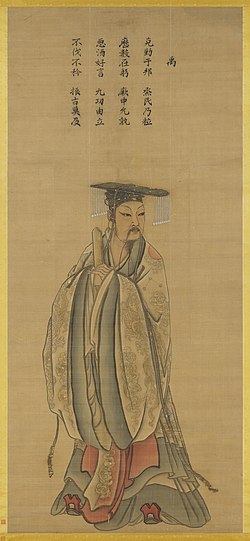
"As is well known, King Yao preferred his humble thatched cottage, and all the world enjoyed tranquillity; King Yu contented himself with a small modest palace, and all the empire rejoiced. In the days of Yin and Zhou Dynasties the hall of the ruler stood three feet above the usual height and its area was nine mats. The sage emperors and illustrious kings had no decorated chambers in lofty palaces built with the wealth, and by the strength, of a worn-out and despoiled people.
"Emperor Jie built a jade chamber and elephant stables; Emperor Zhou erected a surpassingly beautiful palace complex and a Deer Terrace. But these lost the empire. King Ling of Chu built beautiful palaces, but he came to an evil end. The First Emperor of Qin made the Epang Palace, but calamity fell upon his son, for the empire rebelled and his house was exterminated in the second generation.
"All those who have failed to consider the means of the people and given way to sensuous pleasures have perished. Your Majesty has the examples of Kings Yao, Yu, Shun, and Tang on the one hand, and the warnings of Kings Jie, Zhou, Ling, and the First Emperor on the other. To seek only self-indulgence and think only of fine palaces will surely end in calamity.
"The prince is the first and the head; his ministers are his limbs; they live or die together, they are involved in the same destruction. Though I am timorous, yet if I dared forget my duty, or failed to speak firmly, I should be unable to move Your Majesty. Now I have prepared my coffin and bathed my body ready for the most condign punishment."
But the Ruler of Wei disregarded this memorial and only urged on the rapid completion of the terrace. Thereon he set up the bronze figure with the golden bowl. Moreover, he sent forth a command to select the most beautiful women in the empire for his garden of delight. Many memorials were presented, but the Ruler of Wei heeded them not.
Now the Consort of the Ruler of Wei was of the Mao family of Henei. In earlier days, when he was a prince, he had loved her exceedingly, and when he succeeded to the Throne she became Empress Mao. Later he favored Lady Guo, and his Consort Mao was neglected. Lady Guo was beautiful and clever, and the Ruler of Wei delighted in her. He neglected state affairs for her society and often spent a month at a time in retirement with her. Every day there was some new gaiety.
In the spring, when the plants in the Fragrant Forest Park were in flower, the Ruler of Wei and Lady Guo came to the garden to enjoy them and to feast.
"Why not invite the Empress?" asked Lady Guo.
"If she came, nothing would pass my lips," replied the Ruler of Wei.
He gave orders that his Consort should be kept in ignorance of these rejoicings.
But when a month passed without the appearance of the Emperor, Empress Mao and her ladies went to the Blue Flower Pavilion to entertain themselves. Hearing music, she asked who was providing it, and they told her that the Emperor and Lady Guo were feasting in the grounds.
That day Empress Mao returned to her palace filled with sorrow. Next day she went out in her carriage and saw the Emperor on a verandah.
"Yesterday Your Majesty was walking in the north garden, and you had plenty of music too," said she, smiling.
Cao Rui was wroth and sent for all the attendants.
He upbraided them with disobedience, saying, "I had forbidden you to tell things to the Empress, and you disobeyed my command."
With this he put them all to death. Empress Mao feared and returned to her palace.
Then an edict appeared forcing Empress Mao to commit suicide and raising Lady Guo to be Empress in her place. And no officer dared to utter a remonstrance.
Just after this the Imperial Protector of Youzhou, Guanqiu Jian, sent in a memorial, saying: "Gongsun Yuan of Liaodong has risen in revolt, assumed the style of Prince of Yan, and adopted a reign title of Extending Han. Gongsun Yuan has built himself a Palace, established an administration of his own, and is disturbing the whole north with plundering."
A council met to consider this memorial.
Within, officials labor at ignoble tasks, and mean,
Without, the glint of weapons on the border may be seen.
How the insurgents were attacked will be related in the next chapter.
-
Wikipedia entry Bio
|
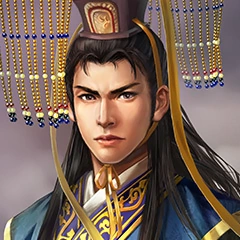
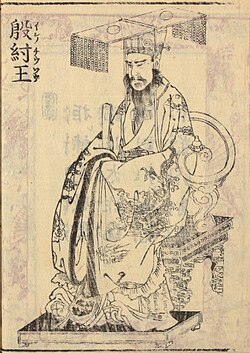
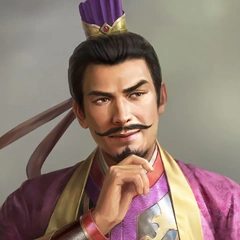
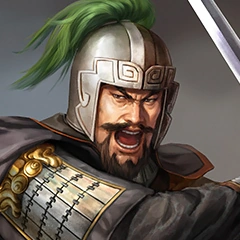
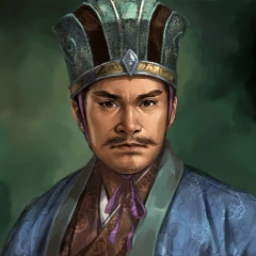
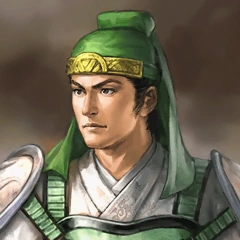
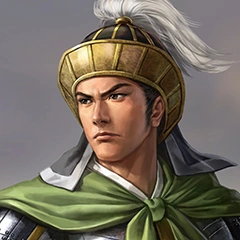
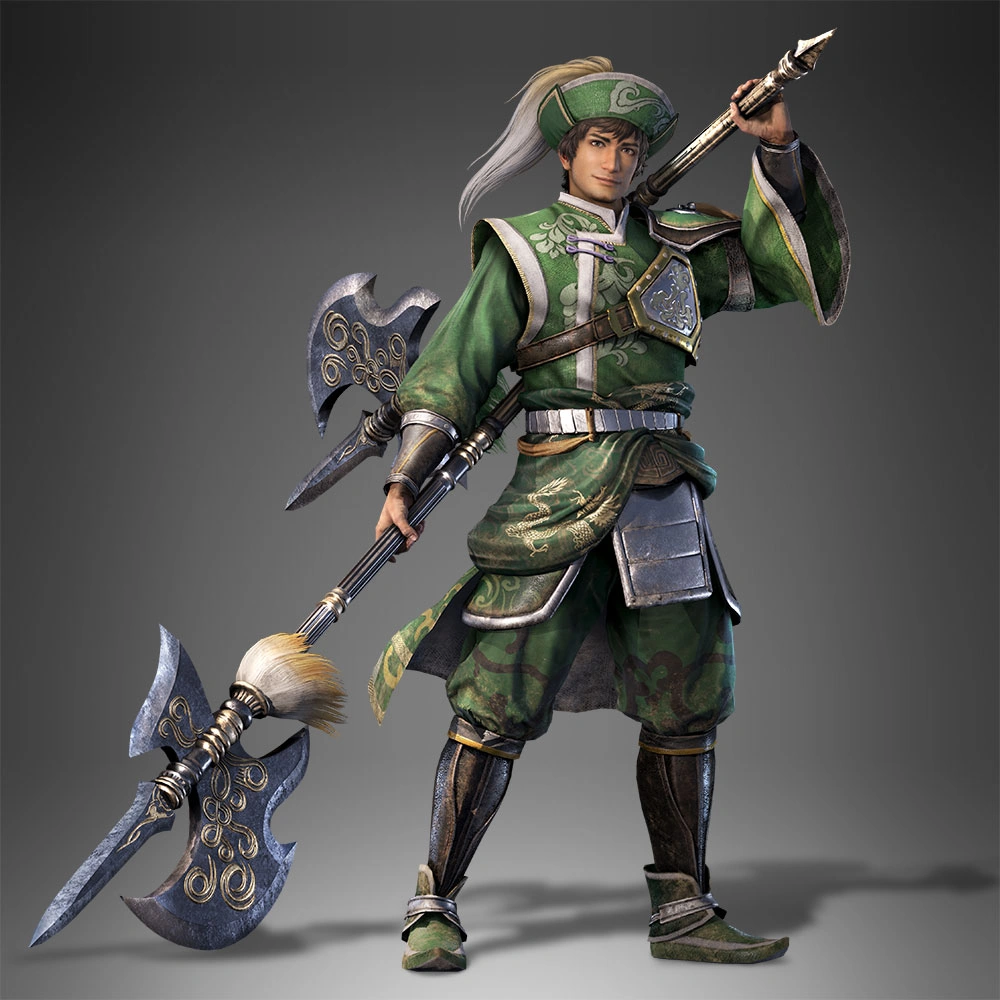
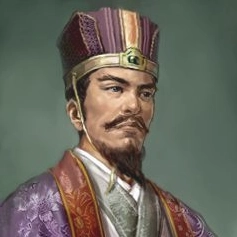
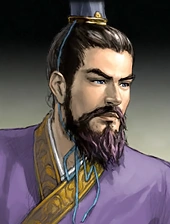
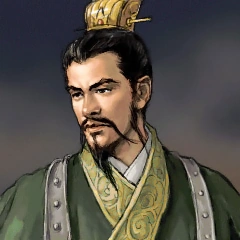
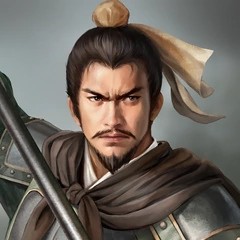
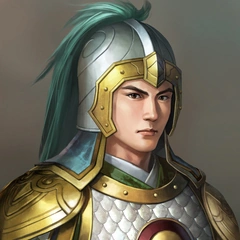
Cao Rui
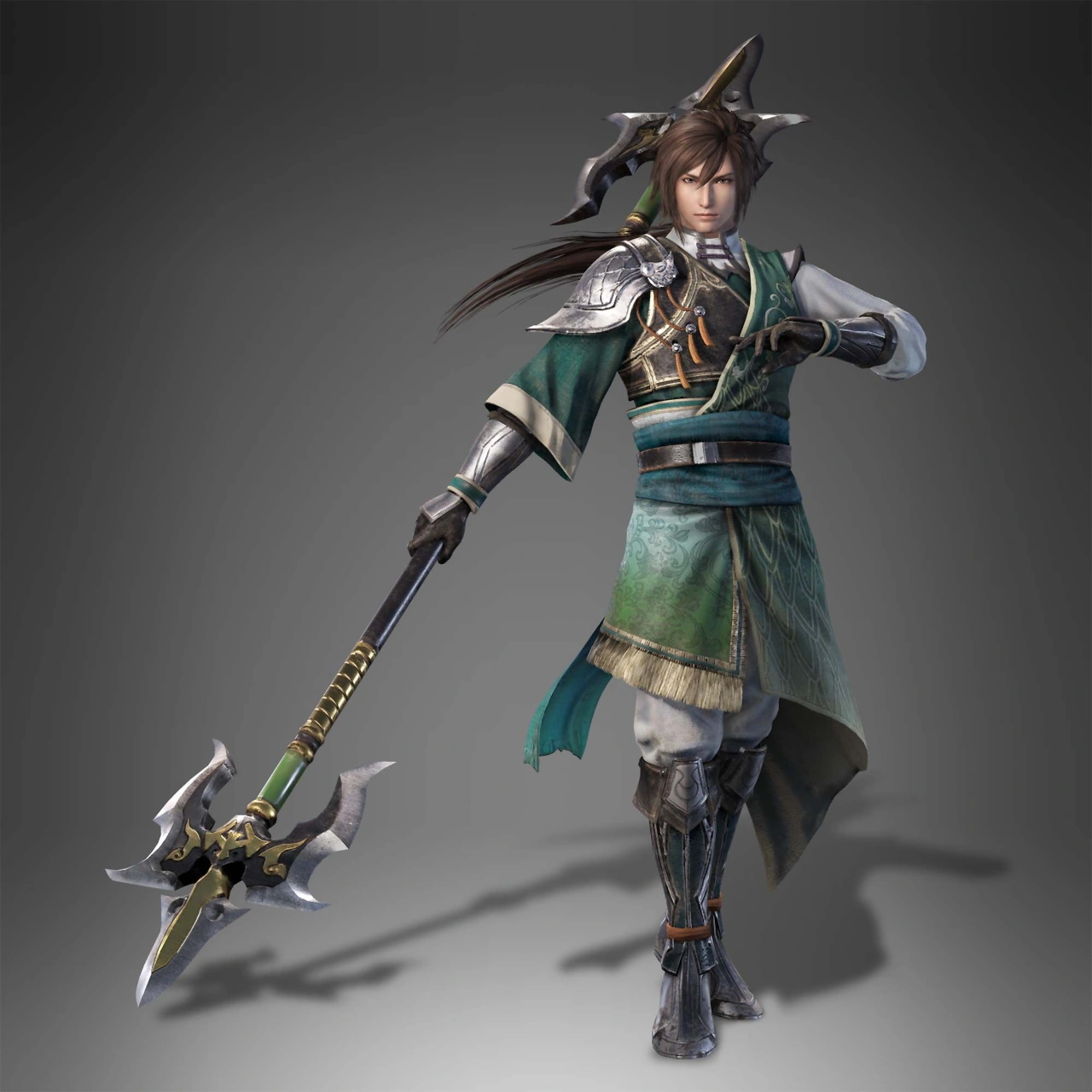
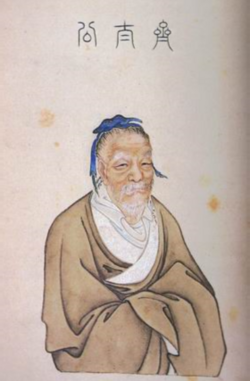
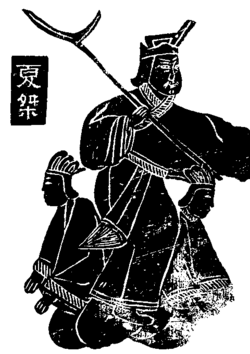
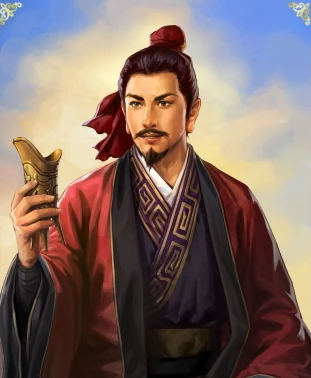
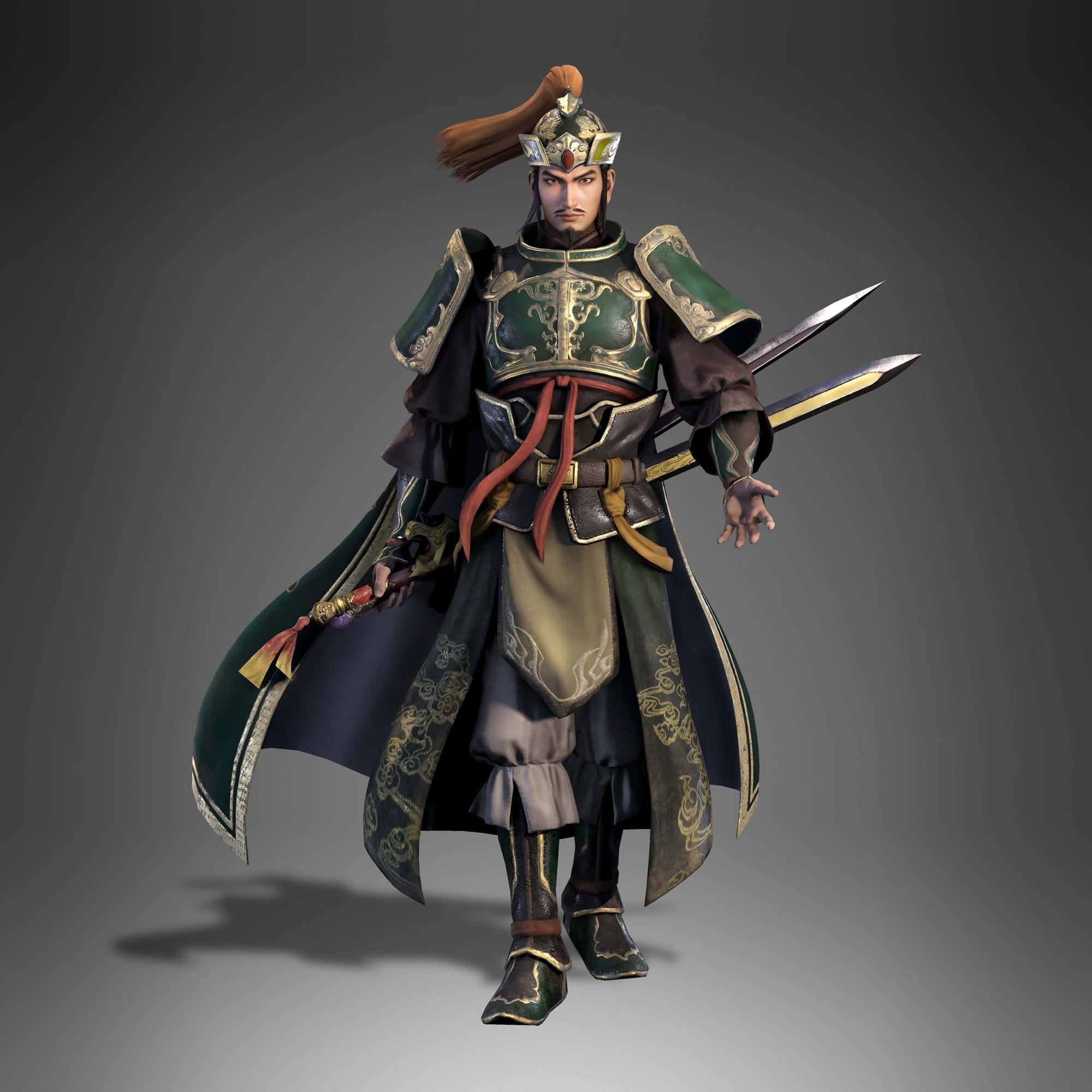
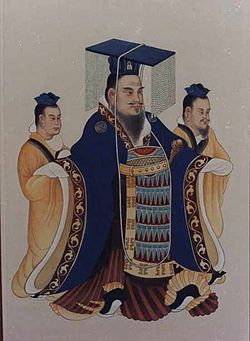
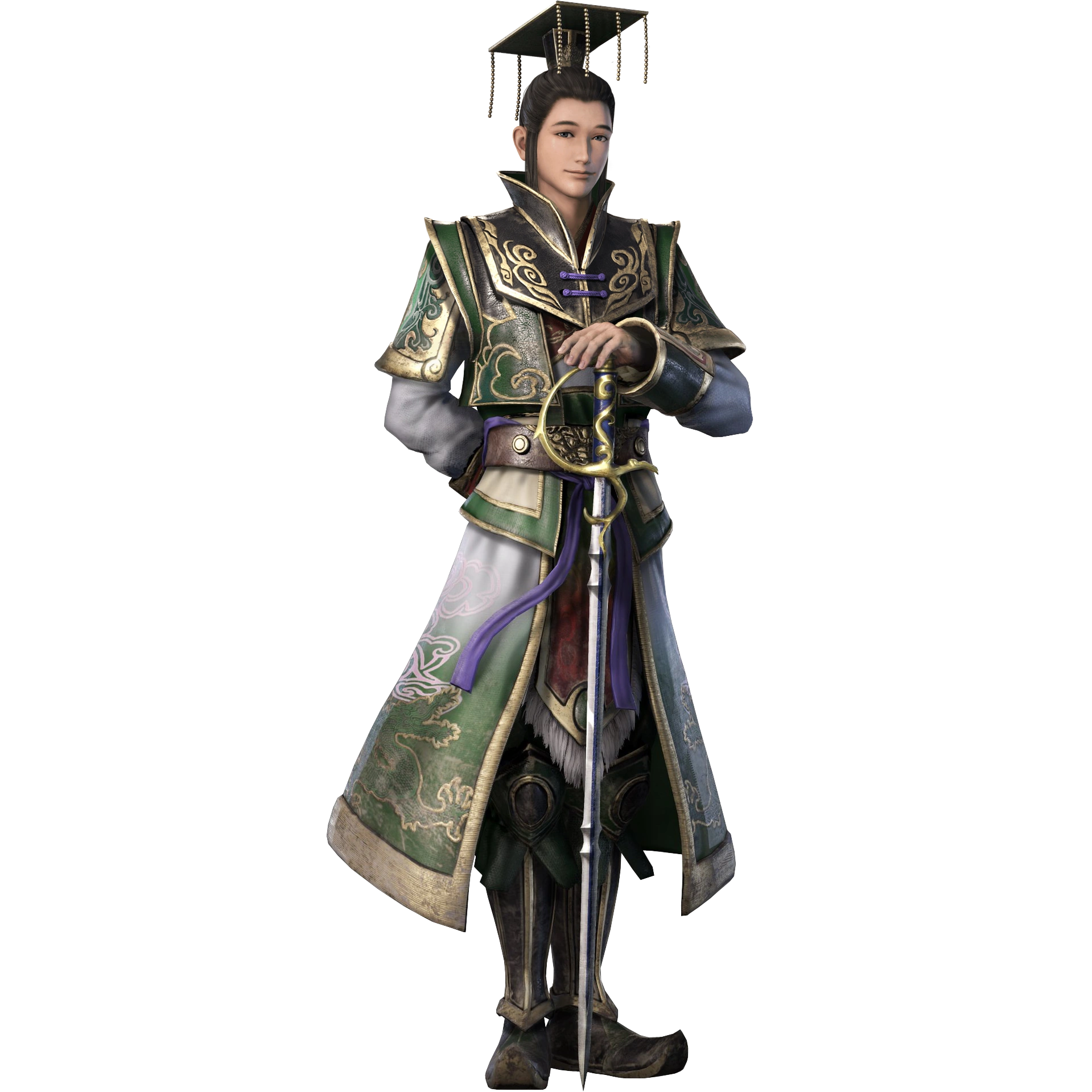
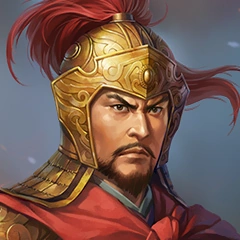
The chapter's second half is an indictment of him: he builds a palace complex at Xuchang and, at Luoyang, the Hall of Sunrise, the Hall of the Firmament, the Hall of Complete Patterns, the Hall of Beautiful Passions, the Green Flageolet Tower, the Phoenix Tower and the Nine Dragons Pool, with 'myriads of ordinary workers' labouring day and night until 'the strength of the people was spent in this toil'. He sets officers of state to carrying earth and timber for the Fragrant Forest Park, degrades Dong Xun for objecting and executes Zhang Mao for the same, ignores Yang Fu's memorial entirely, sends ten thousand workers to Chang'an for the bronze Dew Bowl figure, has the pedestal broken up for two colossi and a pair of dragons and phoenixes, and orders the most beautiful women in the empire selected for his garden. Then he puts every attendant who told Empress Mao about his party to death and forces her to suicide to make room for Lady Guo. The chapter ends with him convening the council over Gongsun Yuan's revolt.
18 mentions in this chapter
166 mentions in the book
|
|
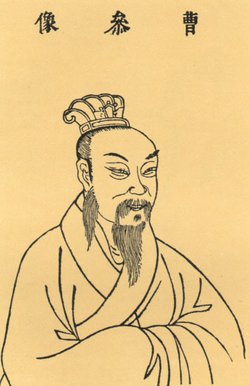
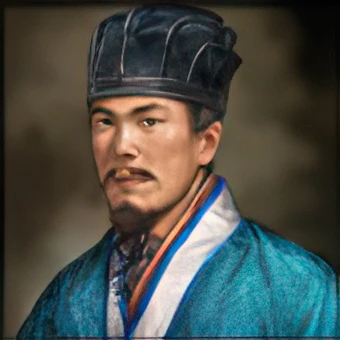
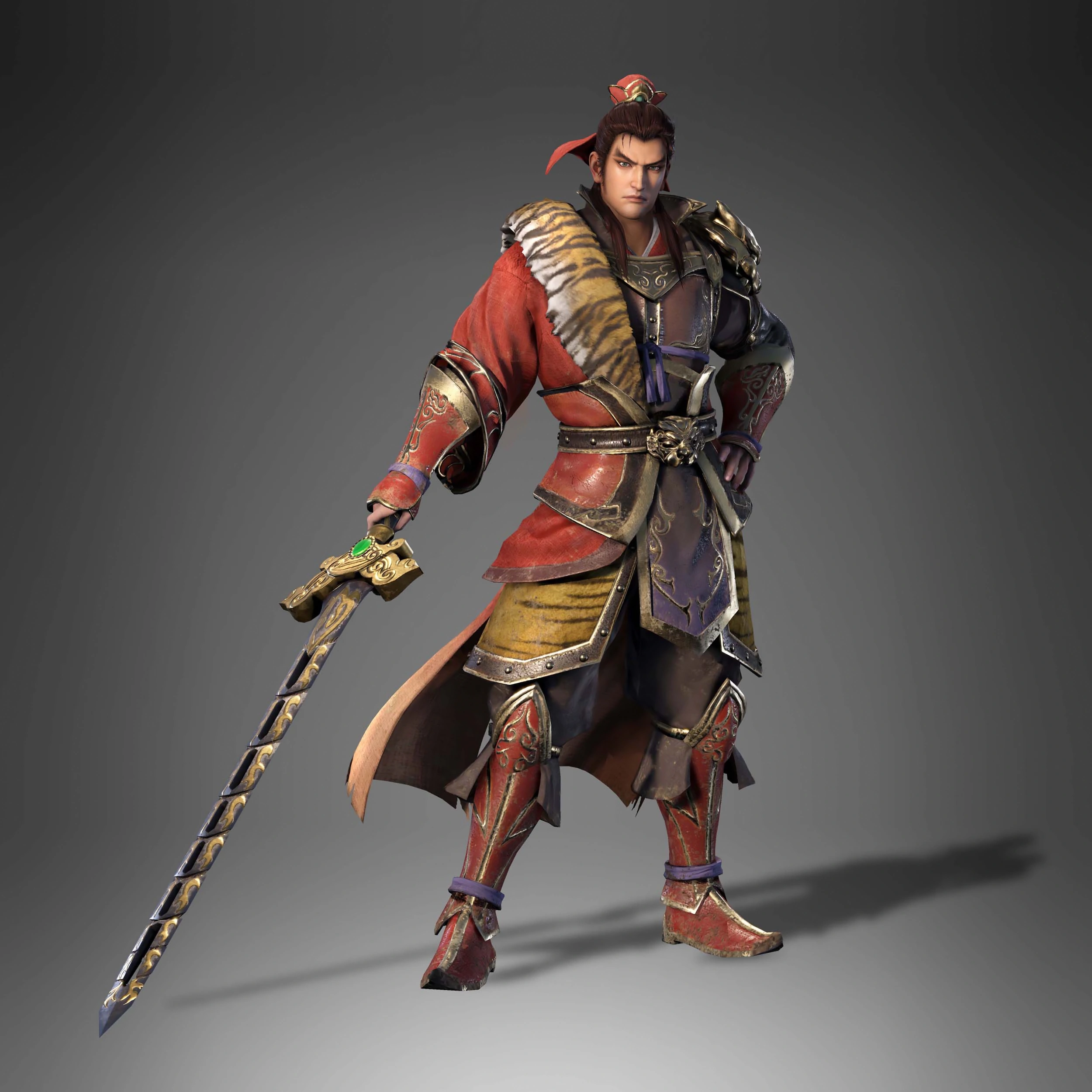
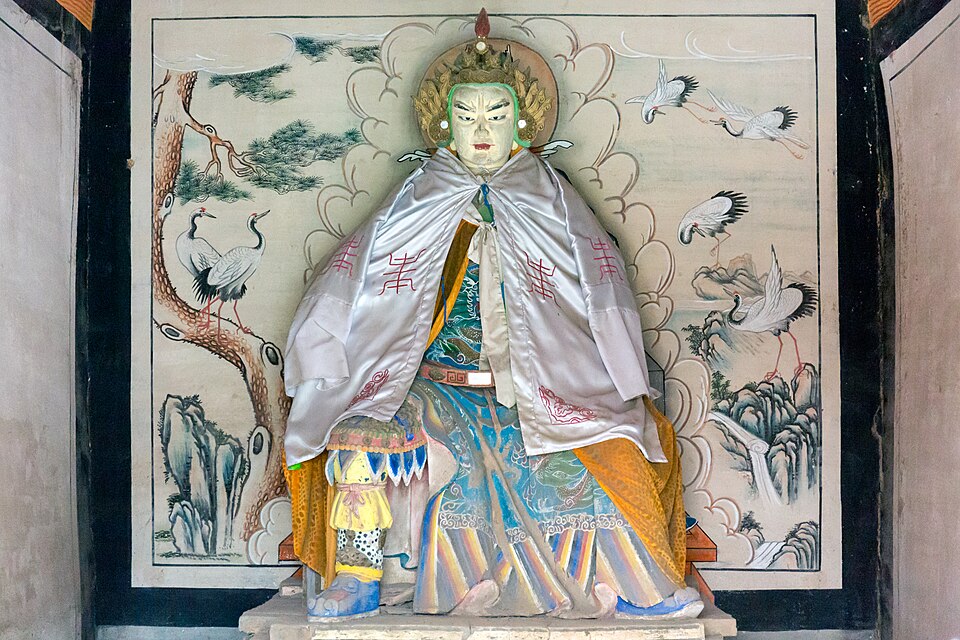
Cao Shen
Named in Du Fu's second elegy, paired with Xiao He, as one of the founding Han chancellors Zhuge Liang is ranked beside.
1 mention in this chapter
3 mentions in the book
|
|
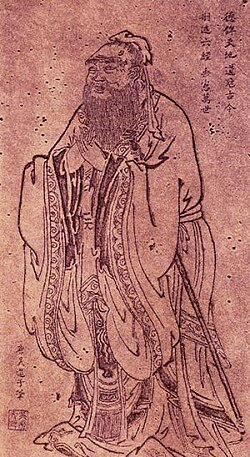
Confucius
Cited by Dong Xun in his memorial against the building works, as the authority on the reciprocal duties that Cao Rui is breaking: 'Confucius the Teacher said that princes should treat ministers with polite consideration, and ministers should serve princes with loyalty. Without loyalty, without propriety, can a state endure?'
1 mention in this chapter
16 mentions in the book
|
|
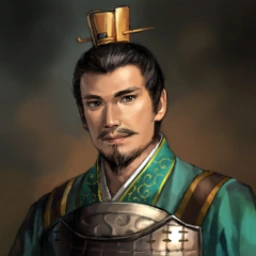
Consort Guo
Beautiful and clever, and the reason the Emperor 'neglected state affairs for her society and often spent a month at a time in retirement with her'. It is she who asks 'Why not invite the Empress?' at the spring feast, and gets the answer 'If she came, nothing would pass my lips.' Raised to Empress by the same edict that orders Empress Mao's suicide.
6 mentions in this chapter
25 mentions in the book
|
|
Deng Zhi
Named in passing only, as the benchmark for envoys. Sun Quan, pleased with Zong Yu's answer about the Baidicheng garrison, tells him 'As an envoy you seem no way inferior to Deng Zhi' - a reference back to the ch86 embassy.
1 mention in this chapter
55 mentions in the book
|
|
Di Xin
The second of Yang Fu's cautionary builders, the last Shang king: 'Emperor Zhou erected a surpassingly beautiful palace complex and a Deer Terrace. But these lost the empire.'
1 mention in this chapter
2 mentions in the book
|
|
Dong Xun
Wei's Minister of Works, and his memorial is the chapter's first protest against Cao Rui's building mania. Argues that the officers being made 'to carry timber and bear earth, to sweat and soil their feet' destroys the glory of the state for a useless edifice, cites Confucius on princes treating ministers with polite consideration, and signs off expecting to die for it: 'I recognize that these words of mine mean death, but I am of no value, a mere bullock's hair… Thy servant has eight sons, who will be a burden to Your Majesty after his death.' Cao Rui — 'Has the man no fear of death?' — is talked out of executing him and degrades him instead, adding a standing warning to kill anyone else who remonstrates.
2 mentions in this chapter
2 mentions in the book
|
|
Dong Yun
Gives the court its reading of Wei Yan - 'His mouth was full of hate and resentment, and only fear of the late Prime Minister held him in check. The Prime Minister's death gave him his opportunity' - and is then sent with the ensigns of authority to mediate and talk him round with kind words. 'So before Dong Yun had reached Nanzheng, Wei Yan was dead.'
4 mentions in this chapter
11 mentions in the book
|
|
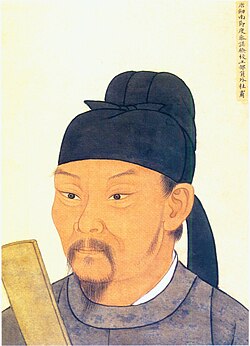
Du Fu
Named as the author of both elegies quoted here - the cypress-shaded memorial hall outside the Chengdu Wall ('The steps thereto are bright with new grass springing, / Hiding among the branches orioles are singing'), and the assessment that ranks him with Yi Yin, Lu Wang, Xiao He and Cao Shen.
1 mention in this chapter
4 mentions in the book
|
|
Empress Mao
Of the Mao family of Henei, loved exceedingly while he was a prince and made Empress on his accession, she is displaced in Cao Rui's affections by Lady Guo and then simply kept in ignorance: he forbids anyone to tell her about the spring feast in the Fragrant Forest Park, and after a month without seeing him she hears the music from the Blue Flower Pavilion. Her whole crime is one remark from a carriage the next day — 'Yesterday Your Majesty was walking in the north garden, and you had plenty of music too,' said she, smiling. He executes every attendant for having let her find out, and then 'an edict appeared forcing Empress Mao to commit suicide'.
6 mentions in this chapter
7 mentions in the book
|
|
Empress Wu
Liu Bei's empress and Wu Yi's sister, at Chengdu as Empress Dowager of Shu. She wails at the news of Zhuge Liang's death, sits in on the council over the duelling memorials, and supplies the decisive argument: 'The First Ruler used to say that Zhuge Liang knew that treachery lurked in the heart of Wei Yan… We should not believe too readily this tale of his that Yang Yi has rebelled. Yang Yi is a scholar and a civil officer, and the late Prime Minister placed him in a position of great responsibility… If we believe this statement, surely Yang Yi will be forced to go over to Wei. Nothing should be done without due meditation.'
5 mentions in this chapter
11 mentions in the book
|
|
Fei Yi
Proposes memorialising the throne against Wei Yan before trying to destroy him, and carries the news of the revolt to Chengdu himself. Reports Zhuge Liang's burial wish - 'that he should be buried on Dingjun Mountain, in open ground, without sacrifice or monument' - which is honoured. Made Deputy Prime Minister and Deputy Chair of the Secretariat. Then Yang Yi says the unsayable to him, and he reports it, and Yang Yi is finished.
6 mentions in this chapter
45 mentions in the book
|
|
Gongsun Yuan
Appears only in Guanqiu Jian's memorial, in the chapter's last three lines: 'Gongsun Yuan of Liaodong has risen in revolt, assumed the style of Prince of Yan, and adopted a reign title of Extending Han. Gongsun Yuan has built himself a Palace, established an administration of his own, and is disturbing the whole north with plundering.'
2 mentions in this chapter
30 mentions in the book
|
|
Guanqiu Jian
Imperial Protector of Youzhou, and his function is the memorial that ends the chapter — the report of Gongsun Yuan's revolt that arrives just as Cao Rui finishes killing his empress, and forces a council.
1 mention in this chapter
22 mentions in the book
|
|
He Ping
Wins the confrontation that decides the whole Wei Yan affair. Sent ahead by Yang Yi with three thousand troops, he reaches the rear of Nangu Valley, calls Wei Yan out — 'You rebelled immediately after the late chief's death, before even his body was cold' — and then talks past him to his men: 'you soldiers are Shu people. Your fathers and mothers, wives and children, and your friends are still in the land. Were you treated unkindly that you have joined a traitor?' More than half of Wei Yan's army walks off the field. He then fights a few bouts, feigns defeat, draws the pursuit into his archers, and cannot be caught.
12 mentions in this chapter
12 mentions in the book
|
|
Jiang Wan
The judgement that holds the court together while two generals accuse each other of treason by post. Guarantees Yang Yi 'to the extent of my whole house' and refuses to answer for Wei Yan, reads the situation exactly - 'I think the late Prime Minister has framed some scheme by which to get rid of Wei Yan... Your Majesty may feel sure that Wei Yan will fall into some trap' - and advises waiting. Proposes the Baidicheng garrison and the embassy to Wu. Made Prime Minister and Chair of the Secretariat per Zhuge Liang's testament, and then saves the life of the man who resents him for it.
6 mentions in this chapter
25 mentions in the book
|
|
Jiang Wei
Finds the way round the burnt Plank Trail - 'I know a by-way hereabout that will lead us round to the rear of these covered roads. True it is precipitous and dangerous... It is called the Chashan Mountain Path' - which is what puts Yang Yi's army behind Wei Yan instead of in front of him. Holds Nanzheng with the drawbridge up when Wei Yan and Ma Dai arrive demanding surrender, then rides out with three thousand men to draw Wei Yan's line so that Yang Yi can open the bag at the moment its cover names. Ends the chapter as General Who Upholds the Han, Lord of Pingxiang, Commander-in-Chief and Commander of Hanzhong.
13 mentions in this chapter
443 mentions in the book
|
|
Jiang Ziya
Named in Du Fu's second elegy under the name Lu Wang, paired with Yi Yin, as the kind of minister who makes a dynasty rather than merely serves one.
1 mention in this chapter
14 mentions in the book
|
|
Jie of Xia
The first of Yang Fu's four cautionary builders: 'Emperor Jie built a jade chamber and elephant stables... But these lost the empire.' Named again in the closing list of warnings.
2 mentions in this chapter
2 mentions in the book
|
|
Li Fu
Comes back from the Wuzhang Hills with the news, bows his head and weeps, and says it in four words - 'The Prime Minister is dead!' - then repeats Zhuge Liang's last messages to the court.
2 mentions in this chapter
8 mentions in the book
|
|
Liu Bei
Named in passing only, and long dead, but quoted by his widow at the decisive moment of the council: 'The First Ruler used to say that Zhuge Liang knew that treachery lurked in the heart of Wei Yan, and he wished to deal with Wei Yan; he only spared Wei Yan because Wei Yan is a valiant and committed leader.'
1 mention in this chapter
1978 mentions in the book
|
|
Liu Che
Cited by Ma Jun as the one long-lived emperor of the Latter Han line - 'only Emperor Wu enjoyed the throne very long and really attained to old age. That was because he drank of the essence of the brilliancy of the sun and the brightness of the moon' - which is the whole justification for hauling the bronze Dew Bowl figure from Chang'an to Luoyang.
1 mention in this chapter
2 mentions in the book
|
|
Liu Shan
Dreams that the Silky Hills protecting his capital were rived and fell, loses his appetite and his sleep over it, and hears the meaning from Qiao Zhou before Li Fu confirms it. Collapses at the news — 'Heaven smites me!' — and holds no court for many days. Sits through a fortnight of contradictory memorials without deciding anything, sends Dong Yun to mediate, and goes seven miles out of Chengdu with the whole court to meet the coffin. Reads the testament weeping, has the tomb sited by lot and then defers to Zhuge Liang's own wish for Dingjun Mountain, and confers the posthumous title of Zhuge Liang the Loyally Martial. Distributes the offices as the testament directs, and imprisons Yang Yi when Fei Yi reports what he said.
26 mentions in this chapter
254 mentions in the book
|
|
Ma Dai
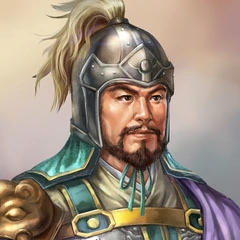
The executioner, and the payoff of the whispered orders from ch104. Rides with Wei Yan the whole way, is the only commander whose troops do not desert him, talks him out of defecting to Wei with what sounds like ambition on his behalf - 'A really strong person would try to carve out his own fortune and not be ready to crook the knee to another... I pledge myself to go with you to the seizure of Hanzhong' - and cuts him down from behind mid-shout. Given Wei Yan's forfeited rank for it.
9 mentions in this chapter
123 mentions in the book
|
|
Ma Jun
Doctorate Scholar and then Master of Works, superintendent of Cao Rui's entire building programme, and the man who supplies the Dew Bowl idea: of the twenty-four Latter Han emperors only Emperor Wu lived long, 'because he drank of the essence of the brilliancy of the sun and the brightness of the moon', distilled in the third watch into the bowl held by the bronze figure on the Terrace of Cypress Beams at Chang'an, 'and if mingled with powdered jade and swallowed, it restores youth to the aged'. He takes ten thousand workers to fetch it, scaffolds a two-hundred-foot terrace, has the image detached — its eyes 'moist as with tears' — and loses a thousand men when the pedestal comes down in a whirlwind. Then reports that the pillar cannot be moved because 'It weighs a million and half of pounds.'
5 mentions in this chapter
5 mentions in the book
|
|
Qiao Zhou
Reads the Latter Ruler's dream for him and confirms the worst: 'Last night I saw a large red star fall from the northeast to the southwest. Surely it forebodes a misfortune to the First Minister. Your Majesty's dream corresponds to what I saw.' The same star Sima Yi saw in ch104, read from the other end of the empire.
1 mention in this chapter
25 mentions in the book
|
|
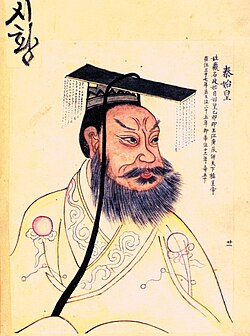
Qin Shi Huang
The fourth and heaviest of Yang Fu's cautionary builders: 'The First Emperor of Qin made the Epang Palace, but calamity fell upon his son, for the empire rebelled and his house was exterminated in the second generation.'
2 mentions in this chapter
2 mentions in the book
|
|
Quan Cong
Marches out of Wu with a large army and camps at the entrance to Baqiu just as the news of Zhuge Liang's death reaches Chengdu, and nobody in Shu knows why — 'Here is Wu breaking their oath just as the Prime Minister has died!' It turns out to be Sun Quan reinforcing the border in case Wei attacks Shu in its mourning, but the alarm is what produces the Baidicheng garrison and the embassy.
1 mention in this chapter
8 mentions in the book
|
|
Shun
Named in Yang Fu's roll of the four sage rulers Cao Rui should be following - 'Kings Yao, Yu, Shun, and Tang' - against the four builders who lost their empires.
1 mention in this chapter
16 mentions in the book
|
|
Sima Yi
His entire appearance is one sentence: in AD 235 'Sima Yi was created Grand Commander, with command over all the forces of Wei, and he departed for Luoyang.' That single promotion puts every Wei army under him before Gongsun Yuan gives him a reason to use them.
1 mention in this chapter
470 mentions in the book
|
|
Sun Quan
Tests the envoy before he reassures him. Meets Zong Yu with an angry face and 'Wu and Shu are one house. Why has your master increased the guard at Baidicheng?', takes the answer in good part — 'As an envoy you seem no way inferior to Deng Zhi' — and then explains himself: he wept daily for Zhuge Liang, put his court into mourning, and reinforced Baqiu by ten thousand men because he feared Wei would attack Shu in its grief. Seals it by snapping a gold-tipped arrow in two: 'If I betray my oath, may my posterity be cut off!' Sends his own envoy back with incense and silk for the sacrifice.
10 mentions in this chapter
603 mentions in the book
|
|
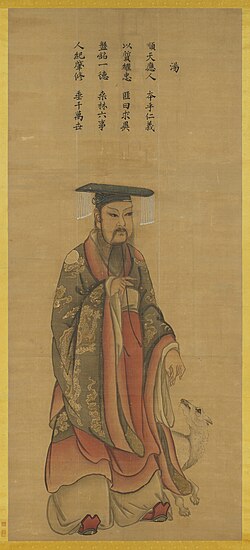
Tang of Shang
Named in Yang Fu's roll of the four sage rulers - 'Kings Yao, Yu, Shun, and Tang' - the frugal half of the memorial's argument.
1 mention in this chapter
6 mentions in the book
|
|
Wang Ping
Sent with Zhang Ni to garrison Baidicheng as a precaution when Quan Zong's Wu army appears at Baqiu — Jiang Wan's insurance against the alliance breaking now that Zhuge Liang is dead.
1 mention in this chapter
107 mentions in the book
|
|
Wei Yan
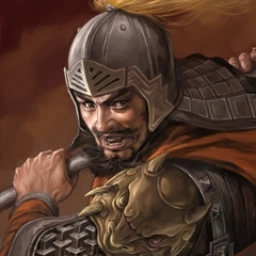
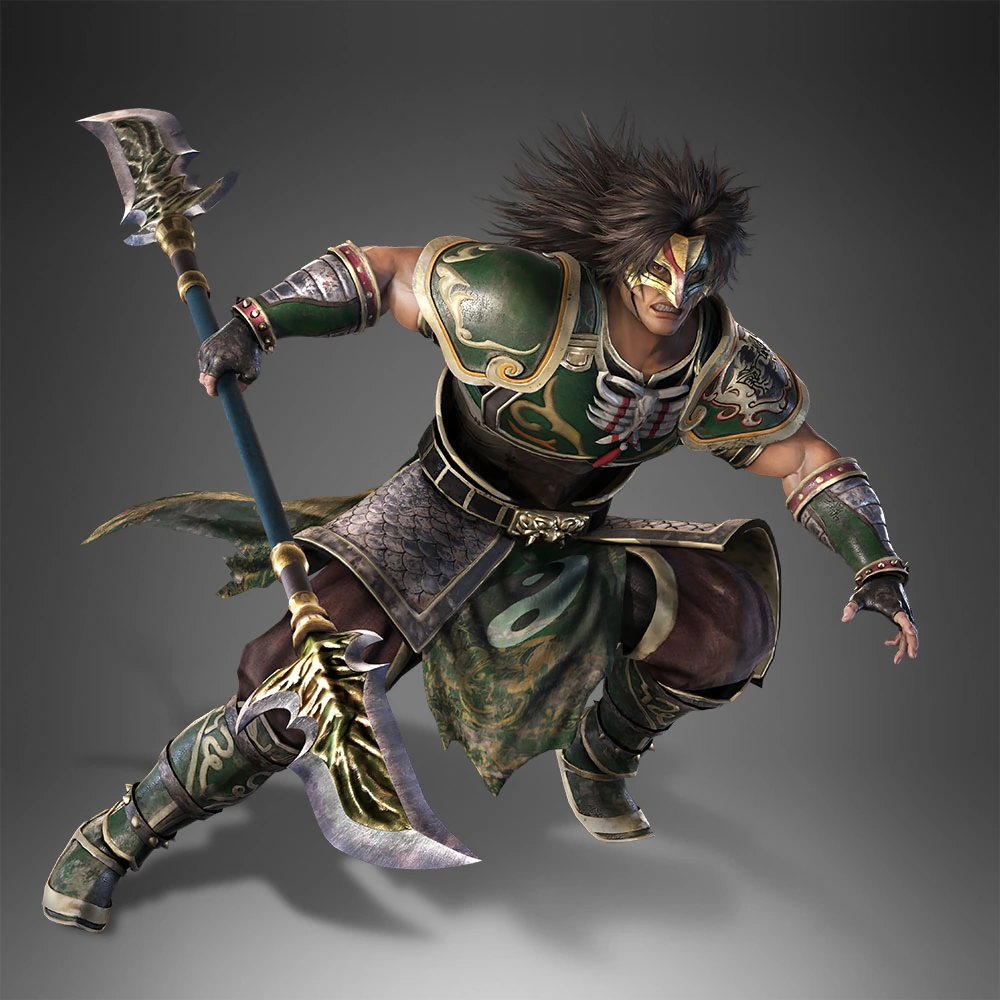
Dies here. Ma Dai talks him out of going over to Wei and into seizing Hanzhong first and then attacking the West River Land. His army does not stay with him — He Ping shames it away from him in a speech ('you soldiers are Shu people. Your fathers and mothers, wives and children, and your friends are still in the land'), after which 'more than a half ran away' and he cuts down his own departing officers without stopping the rest; Ma Dai's men are the only ones who hold. He burns the Plank Trail, files memorial after memorial accusing Yang Yi of rebellion, and dies on his own boast: told that if he can shout 'Who dares kill me?' three times Hanzhong is his, he answers 'Listen, you old fool! While Zhuge Liang lived I feared him somewhat. But he is dead and no one dares stand before me. I will not only shout the words thrice, but a myriad times.' He gets through it once. 'Behind him someone shouted savagely, "I dare!"' Liu Shan orders him honourably buried in consideration of his former services.
53 mentions in this chapter
353 mentions in the book
|
|
Wu Yi
Made Commander of the Flying Cavalry and Commander of Hanzhong in the reorganisation that follows the testament - and he is also Empress Wu's brother, which is why the Shu Empress Dowager's voice carries in the same chapter.
1 mention in this chapter
30 mentions in the book
|
|
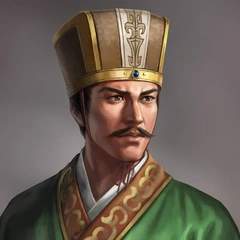
Xiao He
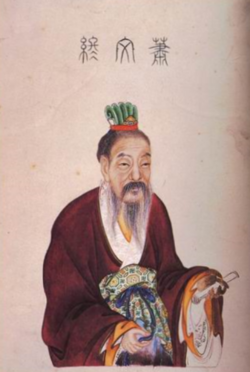
Named in Du Fu's second elegy among the great chancellors Zhuge Liang stands with: 'Yet stands with chiefs, like Xiao He, Cao Shen' - the two who organised the Han state at its founding.
1 mention in this chapter
5 mentions in the book
|
|
Xiong Qian
The third of Yang Fu's cautionary builders: 'King Ling of Chu built beautiful palaces, but he came to an evil end.' Named again in the closing list of the four rulers destroyed by their own architecture.
2 mentions in this chapter
2 mentions in the book
|
|
Yang Fu
Delivers the third and longest remonstrance, with his coffin already prepared and his body bathed for execution. Sets the frugal sages against the builders: Yao's thatched cottage, Yu's modest palace, the Yin and Zhou halls three feet high and nine mats across, against Jie's jade chamber and elephant stables, Di Xin's Deer Terrace, King Ling of Chu's palaces and the First Emperor's Epang - 'All those who have failed to consider the means of the people and given way to sensuous pleasures have perished.' Cao Rui disregards it entirely and hurries the terrace on.
1 mention in this chapter
31 mentions in the book
|
|
Yang Yi
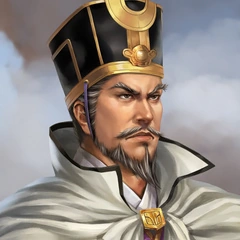
His fall happens in this chapter, in four paragraphs. He brings the coffin home over the Chashan Mountain Path, opens the silken bag at exactly the moment its cover specifies, baits Wei Yan into the shout, delivers the body to Chengdu, binds himself at court and confesses fault, and is promoted Instructor of the Center Army. Then Jiang Wan is made Prime Minister over his head, and he says the thing that finishes him — to Fei Yi, of all people: 'If when the Prime Minister died I had gone over to Wei, with the whole army, I should not have been thus left out in the cold.' Fei Yi reports it, Liu Shan imprisons him and means to execute him, Jiang Wan talks the sentence down to loss of rank, and he is sent to Hanjia in Hanzhong, 'where he committed suicide through shame'.
39 mentions in this chapter
68 mentions in the book
|
|
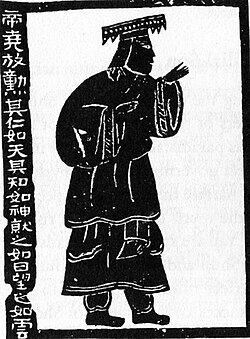
Yao
Cited twice in Yang Fu's memorial as the model of frugal rule: 'King Yao preferred his humble thatched cottage, and all the world enjoyed tranquillity', and again in the roll of good examples - 'Your Majesty has the examples of Kings Yao, Yu, Shun, and Tang on the one hand.'
2 mentions in this chapter
11 mentions in the book
|
|
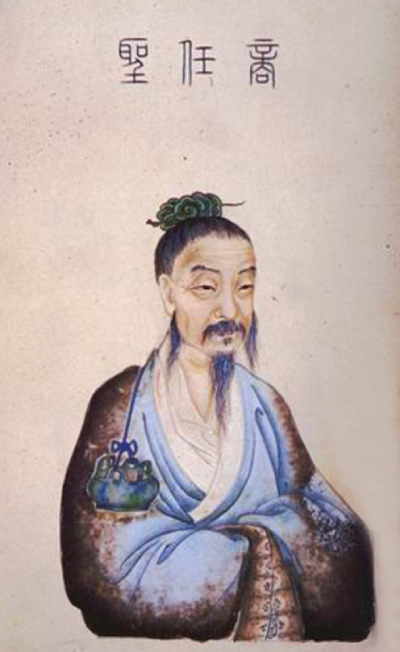
Yi Yin
Named in Du Fu's second elegy as one of the two founding ministers Zhuge Liang is likened to: 'Akin was he to famous Yi Yin, Lu Wang.'
1 mention in this chapter
17 mentions in the book
|
|
Yu the Great
Cited twice in Yang Fu's memorial, paired with Yao: 'King Yu contented himself with a small modest palace, and all the empire rejoiced', and in the list of the four sage rulers Cao Rui is told to imitate.
2 mentions in this chapter
25 mentions in the book
|
|
Zhang Mao
In the service of the Heir Apparent, he remonstrates against the building works immediately after Dong Xun has been degraded for the same thing and the warning has been issued. 'Cao Rui put him to death immediately.' One sentence, and it is the measure of the chapter.
1 mention in this chapter
1 mention in the book
|
|
Zhang Ni
Sent with Wang Ping to garrison Baidicheng against the Wu army at Baqiu.
1 mention in this chapter
54 mentions in the book
|
|
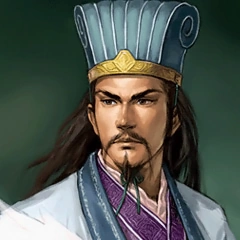
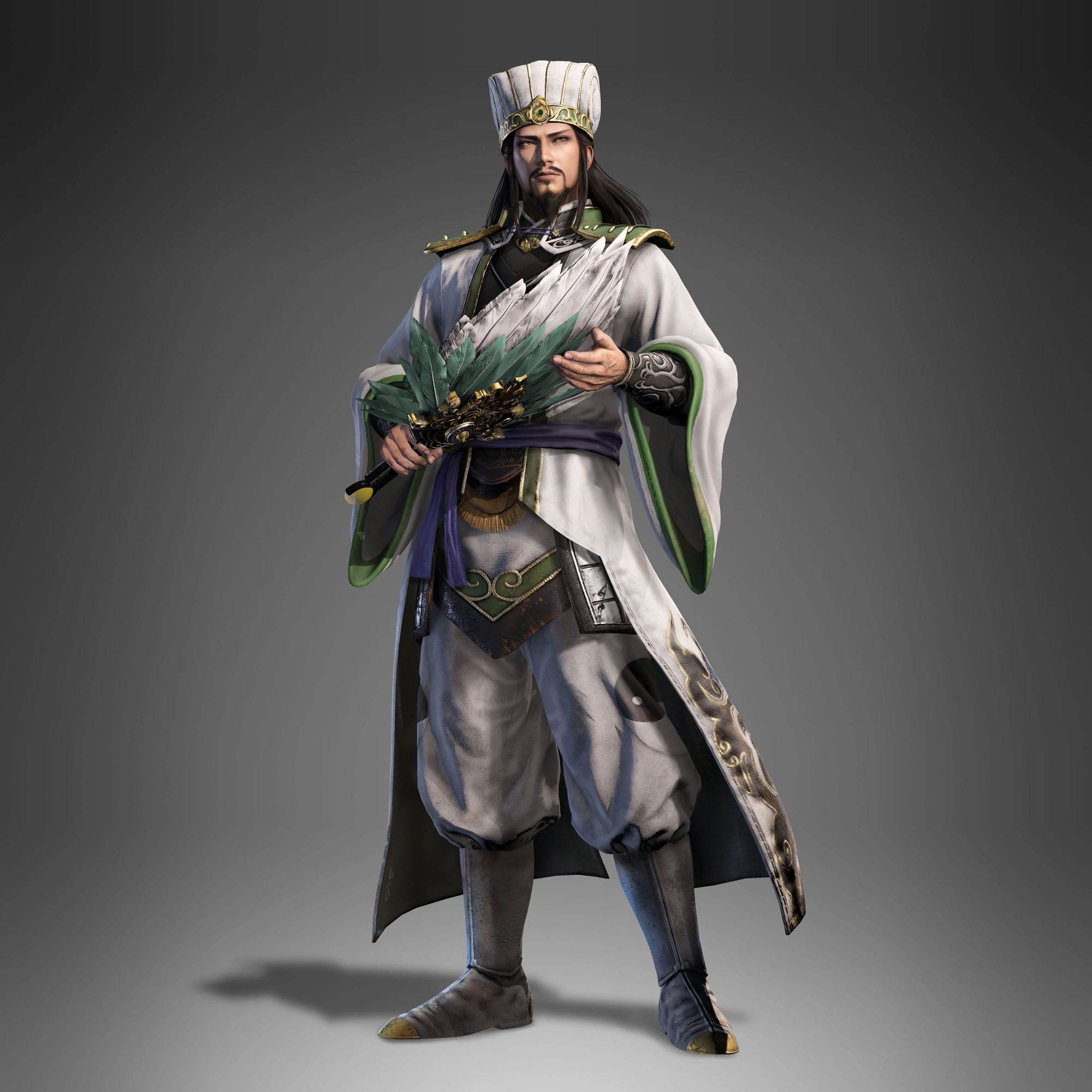
Zhuge Liang
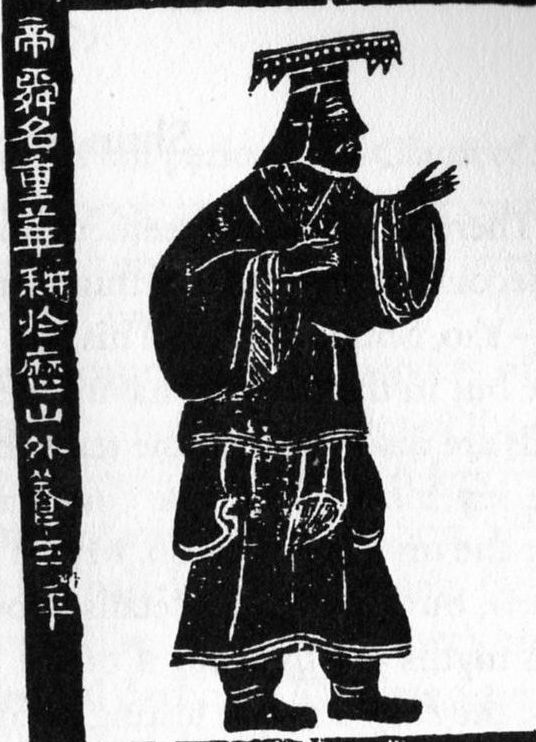
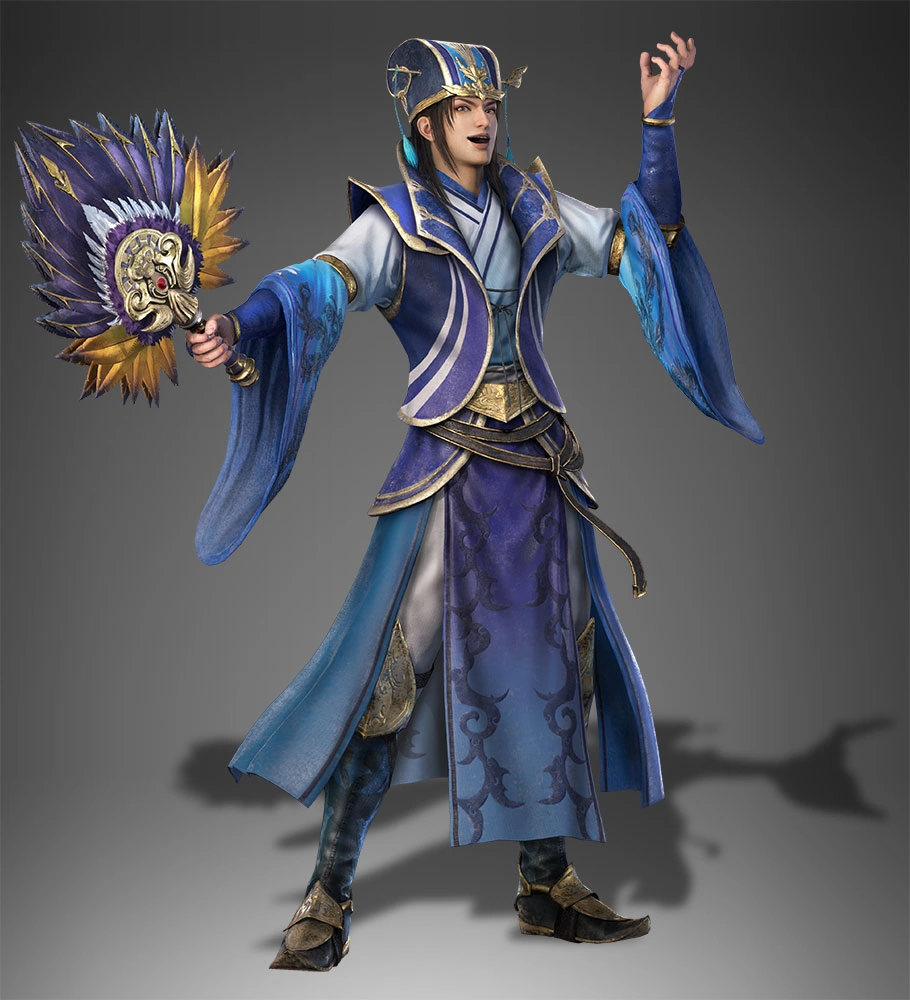
Dead before the chapter opens, and he wins it anyway. The silken bag works exactly as its cover specified, the Chashan Mountain Path gets his coffin home, and his testament distributes the government of Shu for the next decade. Buried in the tenth month on Dingjun Mountain in open ground, without sacrifice or monument, as he asked; posthumously titled Zhuge Liang the Loyally Martial, with a temple at Mianyang taking sacrifices at the four seasons. Du Fu supplies the chapter's two elegies, including the cypress-shaded hall outside the Chengdu Wall.
11 mentions in this chapter
1454 mentions in the book
|
|
Zhuge Zhan
First appearance, and it is at his father's funeral: when the coffin is carried into the Prime Minister's palace by royal command, 'his son Zhuge Zhan was chief mourner'. He will command the last stand at Mianzhu in ch117.
1 mention in this chapter
23 mentions in the book
|
|
Zong Yu
The embassy to Wu, chosen for a ready tongue. A Military Adviser and a man of Nanyang, he volunteers, goes to Jianye, finds the whole Wu court already in mourning, and parries Sun Quan's opening thrust about the Baidicheng garrison with the chapter's neatest line: 'It seemed as necessary for the west to increase the garrison there as for the east to have a force at Baqiu. Neither is worth asking about.' Comes home with the broken-arrow oath and a Wu sacrifice party, and is rewarded.
8 mentions in this chapter
8 mentions in the book
|
-
Baidicheng Settlement
-
Baqiu Settlement
-
Blue Flower Pavilion Structure/Building
-
Board of War Structure/Building
-
Chang'an County County(34.2464, 108.9070)
-
Chashan Mountain Path Landmark
-
Chengdu County County(30.6661, 104.0754)
-
Chengdu Wall Structure/Building
-
Dingjun Mountain Mountains/Hills
-
Epang Palace Structure/Building
-
Fragrant Forest Park Landmark
-
Green Flageolet Tower Structure/Building
-
Hall of Audience Structure/Building
-
Hall of Beautiful Passions Structure/Building
-
Hall of Complete Patterns Structure/Building
-
Hall of Sunrise Structure/Building
-
Hall of the Firmament Structure/Building
-
Hanzhong Commandery Commandery(33.0730, 107.0359)
-
Henei Commandery Commandery(35.0886, 112.9387)
-
Jianye Settlement
-
Liaodong Commandery Commandery
-
Luoyang County(34.7316, 112.5963)
-
-
-
Mianyang County
-
Nangu Valley Landmark
-
Nanyang Commandery Commandery(33.0017, 112.5355)
-
-
-
Nanzheng County
-
Nine Dragons Pool Structure/Building
-
Phoenix Tower Structure/Building
-
Pingxiang County County(36.9822, 114.9124)
-
Plank Trail Landmark
-
Shu (Three Kingdoms) Region
-
Silky Hills Mountains/Hills
-
Terrace of Cypress Beams Structure/Building
-
Wei (Three Kingdoms) Region
-
Wengzhong
-
West River Land Region
-
Wu (Three Kingdoms) Region
-
Xuchang City
-
Yan (Warring States/Spring+Autumn) Region
-
You Province Province
-
-