Pursuing The Shu Army, Wang Shuang Meets His Death;
Raiding Chencang, Zhuge Liang Scores A Victory.
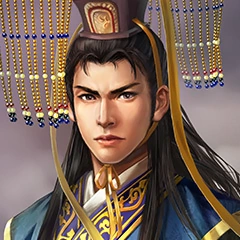
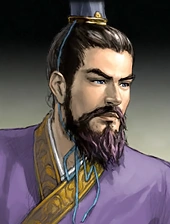
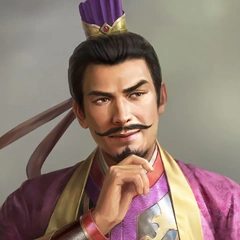
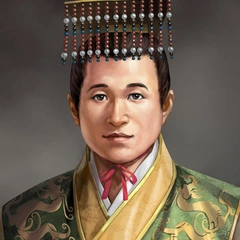
Now Sima Yi spoke to the Ruler of Wei, saying, "I have said repeatedly that Zhuge Liang would come against us by way of Chencang; wherefore I set Hao Zhao to guard it. If an Zhuge Liang did invade, he could easily obtain his supplies by that road. But with Hao Zhao and Wang Shuang on guard there, he will not dare to come that way. It is very difficult to get supplies any other way. Therefore I can give the invaders a month to exhaust their food. Hence their advantage lies in forcing a battle; ours is postponing it as long as possible. Wherefore I pray Your Majesty order Cao Zhen to hold passes and positions tenaciously and on no account to seek battle. In a month the enemy will have to retreat, and that will be our opportunity."
Cao Rui was pleased to hear so succinct a statement, but he said, "Since, Noble Sir, you foresaw all this so plainly, why did you not lead an army to prevent it?"
"It is not because I grudged the effort, but I had to keep the army here to guard against Lu Xun of Wu. Sun Quan will declare himself 'Emperor' before long. If he does, he will be afraid of Your Majesty's attack, and so he will try to invade us first. I shall be ready to defend our frontier. The army is prepared."
Just then one of the courtiers announced dispatches from Cao Zhen on military affairs, and Sima Yi closed his speech, saying, "Your Majesty should send someone especially to caution the Commander to be careful not to be tricked by Zhuge Liang, not to pursue rashly, and never to penetrate deeply into the enemy country."
The Ruler of Wei gave the order, and he sent the command by the hand of Minister Han Ji and gave him authority to warn Cao Zhen against giving battle.
Sima Yi escorted the royal messenger out of the city and, at parting, said, "I am giving this magnificent opportunity to obtain glory to Cao Zhen, but do not tell him the suggestion was mine; only quote the royal command. Tell him that defense is the best, pursuit is to be most cautious, and he is not to send any impetuous leader to follow up the enemy."
Han Ji agreed and took leave.
Cao Zhen was deep in affairs connected with his army when they brought news of a royal messenger, but he went forth to bid Han Ji welcome. When the ceremonial receipt of the edict had come to an end, he retired to discuss matters with Guo Huai and Sun Li.
"That is Sima Yi's idea," said Guo Huai with a laugh.
"But what of the idea?" asked Cao Zhen.
"It means that he perfectly understands Zhuge Liang's plans, and he will eventually have to be called in to defeat Shu."
"But if the Shu army holds its ground?"
"We will send Wang Shuang to reconnoiter and keep on the move along the by-roads so that they dare not attempt to bring up supplies. They must retreat when they have no more to eat, and we shall be able to beat them."
Then said Sun Li, "Let me go out to Qishan as if to escort a convoy from the West Valley Land, only the carts shall be laden with combustibles instead of grain. We will sprinkle sulfur and saltpeter over wood and reeds. The troops of Shu, who lack supplies, will surely seize the convoy and take it to their own camp, when we will set fire to the carts. When they are blazing, our hidden men can attack."
"It seems an excellent plan," said Cao Zhen.
And he issued the requisite orders: Sun Li to pretend to escort a convoy; Wang Shuang to prowl about the by-roads; Guo Huai and various generals to command in the Gu Valley, Jieting, and other strategic points. Also Zhang Hu, son of Zhang Liao, was made Leader of the Van, and Yue Chen, son of Yue Jing, was his second. These two were to remain on guard in the outermost camp.
Now at Qishan, Zhuge Liang sought to bring on a battle, and daily sent champions to provoke a combat. But the men of Wei would not come out.
Then Zhuge Liang called Jiang Wei and certain others to him and said, "The enemy refuse battle, because they know we are short of food. We can get none by way of Chencang, and all other roads are very difficult. I reckon the grain we brought with us will not last a month. What must we do?"
While thus perplexed, they heard that many carts of provisions for Wei were passing by from the West Valley Land, and the convoy was commanded by Sun Li.
"What is known of this Sun Li?" asked Zhuge Liang.
A certain man of Wei replied, "He is a bold man. Once he was out hunting with the Ruler of Wei on Great Rock Hill, and a tiger suddenly appeared in front of his master's chariot. He jumped off his horse and dispatched the beast with his sword. He was rewarded with a Commandership. He is an intimate friend of Cao Zhen."
"This is a ruse," said Zhuge Liang. "They know we are short of food, and those carts are only a temptation. They are laden with combustibles. How can they imagine that I shall be deceived by this sort of thing, when I have fought them with fire so many times? If we go to seize the convoy, they will come and raid our camp. But I will meet ruse with ruse."
Then Zhuge Liang sent Ma Dai with order: "You and three thousand troops are to make your way to the enemy's store camp and, when the wind serves, to start a fire. When the stores are burning, the soldiers of Wei will come to surround our camp. That is how we will provoke a battle."
He also sent Ma Zheng and Zhang Ni with five thousand troops each to halt near the camp so that they might attack from without.
These having gone, he called Guan Xing and Zhang Bao, and said, "The outermost camp of Wei is on the main road. This night, when the enemy see a blaze, our camp will be attacked, so you two are to lie in wait on the two sides of the Wei camp and seize it when they have left."
Calling Hu Ban and Wu Yi, he said, "You are to lie in wait outside the camp to cut off the retreat of the force of Wei."
All these arrangements made, Zhuge Liang betook himself to a summit of the Qishan Mountains to watch the results.
The soldiers of Wei heard that their enemies were coming to seize the grain convoy and ran to tell Sun Li, who sent on a message to Cao Zhen.
Cao Zhen sent to the chief camp for Zhang Hu and Yue Chen and told them, "Look out for a signal blaze; that would mean the coming of the army of Shu, and then you are to raid the Shu camp immediately."
Zhang Hu and Yue Chen sent watchers on the tower to look out for the promised blaze.
Meanwhile Sun Li marched over and hid in the west hills to await the coming of the men of Shu. That night, at the second watch, Ma Dai came with his three thousand troops all silent, the soldiers with gags, the horses with a lashing round their muzzles. They saw tier after tier of carts on the hills, making an enclosure like a walled camp, and on the carts were planted many flags.
They waited. Presently the southwest wind came up, and then they launched the fire. Soon all the carts were in a blaze that lit up the sky. Sun Li saw the blaze and could only conclude that the troops of Shu had arrived and his own side were giving the signal, so he dashed out to attack. But soon two parties of soldiers were heard behind him closing in. These were Ma Zheng and Zhang Ni, who soon had Sun Li as in a net. Then he heard a third ominous roll of drums, which heralded the approach of Ma Dai from the direction of the blaze.
Under these several attacks, the troops of Wei quailed and gave way. The fire grew more and more fierce. Soldiers ran and horses stampeded, and the dead were too many to count. Sun Li made a dash through the smoke and fire of the battle and got away.
When Zhang Hu and Yue Chen saw the fire, they threw open the gates of their camp and sallied forth to help defeat the army of Shu by seizing their camp. But when they reached the Shu camp, they found it empty. So they hurried to set out to return. That was the moment for Hu Ban and Wu Yi to appear and cut off their retreat. However, they fought bravely and got through. But when at length they reached their own camp, they were met by arrows flying thick as locusts. For Guan Xing and Zhang Bao had taken possession in their absence.
They could only set out for headquarters to report their mishap. As they neared Cao Zhen's camp, they met another remnant marching up. They were Sun Li's soldiers, and the two parties went into camp together and told the tale of their victimization. Cao Zhen thereafter looked to his defenses and attacked no more.
Thus victorious, the soldiers of Shu went to Zhuge Liang, who at once dispatched secret directions to Wei Yan. Then Zhuge Liang gave orders to break camp and retreat.
This move was not understood, and Yang Yi asked the leader, "O Prime Minister, you have just scored a victory, and the enemy have lost their bravery; why retreat?"
"Because we are short of food," said Zhuge Liang. "Our success lay in swift victory, but the enemy will not fight, and thus they weaken us day by day. Though we have worsted them now, they will soon be reinforced, and their light horse can cut off our provisions. Then we could not retreat at all. For a time they will not dare look at us, and we must take the occasion to do what they do not expect, and retreat. But I am solicitous about Wei Yan, who is on the Chencang road to keep off Wang Shuang. I fear he cannot get away. So I have sent him certain orders to slay Wang Shuang, and then the force of Wei will not dare to pursue."
Therefore the retreat began, but to deceive the enemy the watchmen were left in the empty camp to beat the watches through the night.
Cao Zhen was depressed at his recent misfortune. Then they told him Zhang He, General of the Left Army, had come. Zhang He came up to the gate, dismounted, and entered.
When he saw Cao Zhen, he said, "I have received a royal command to come and to be into your arrangements."
"Did you take leave of friend Sima Yi?" asked Cao Zhen.
Zhang He said, "His said to me that if you won the field the Shu army would stay, but if you did not, the Shu army would retreat. It seems that our side has missed success. Have you since found out what the troops of Shu are doing?"
"Not yet."
So Cao Zhen sent out some scouts, and they found empty camps. There were flags flying, but the army had been gone two days. Cao Zhen was disgusted.
When Wei Yan received his secret orders, he broke up camp that night and hastened toward Hanzhong. Wang Shuang's scouts heard this and told their chief, who hurried in pursuit. After about seven miles, he came in sight of Wei Yan's ensigns.
As soon as Wang Shuang got within hailing distance, he shouted, "Do not flee, Wei Yan!"
But no one looked back, so he again pressed forward.
Then he heard one of his guards behind him shouting, "There is a blaze in the camp outside the city wall. I think it is some wile of the enemy!"
Wang Shuang pulled up and, turning, saw the fire. He therefore tried to draw off his troops. Just as he passed a hill, a horseman suddenly came out of a wood.
"Here is Wei Yan!" shouted the horseman.
Wang Shuang was too startled to defend himself and fell at the first stroke of Wei Yan's blade. Wang Shuang's troops thought this was only the beginning of an ambush and serious attack, so they scattered. But really Wei Yan only had thirty men with him, and they moved off leisurely toward Hanzhong.
No man could better Zhuge Liang's foresight keen;
Brilliant as a comet where it flashed:
Back and forth at will his soldiers dashed,
And Wang Shuang's dead body marked where they had been.
The secret orders sent to Wei Yan was that he was to keep back thirty men and hide beside Wang Shuang's camp till that warrior left. Then the camp was to be set on fire. After that the thirty were to wait till Wang Shuang's return to fall upon him. The plan being successfully carried out, Wei Yan followed the retreating army into Hanzhong and handed over his command.
The Shu army having retreated safely to Hanzhong, feastings were held in celebration of the event.
Zhang He, who, failing to come up with the retiring enemy, presently returned to camp. Hao Zhao sent a letter to say that Wang Shuang had met his end. This loss caused Cao Zhen deep grief, so that he became ill and had to return to Luoyang. He left Zhang He, Sun Li, and Guo Huai to guard the approaches to Changan.
Meanwhile in the South Land, at a court held by Sun Quan, the Prince of Wu, a certain spy reported: "Prime Minister Zhuge Liang has invaded Wei twice, and Commander-in-Chief Cao Zhen has suffered great losses."
Thereupon his ministers urged on Sun Quan that he should attack Wei and try to gain the Middle Land.
However, Sun Quan could not make up his mind, and Zhang Zhao endeavored to prove to him that his hour was come by this memorial:
"I have heard that a phoenix has lately appeared in the hills east of Wuchang and bowed; that a yellow dragon has been seen in the Great River. My lord, your virtue matches that of Kings Yu and Tang, and your understanding is on a level with that of Kings Wen and Wu. Wherefore you should now proceed to the imperial style and then raise an army to maintain your authority."
And many other officers supported Zhang Zhao's proposal. They finally persuaded Sun Quan to decide upon the 'tiger' day in the forth month, in summer. They prepared an altar on the south of Wuchang, and on that day his courtiers formally requested him to ascend to the high place and assume the style of "Emperor".
"Yellow Dragon" was chosen as the style of the reign (AD 229). Sun Jian, the deceased father of the new Emperor, was given the title of the Martially Glorious Emperor, his mother Empress Wu, and his elder brother, Sun Ce, was made posthumously Prince of Changsha, and his son, Sun Deng, was styled Heir Apparent. The rank of Left Companion of the Heir Apparent was conferred upon the eldest son of Zhuge Jin, Zhuge Ke. The rank of Right Companion of the Heir Apparent was bestowed upon the second son of Zhang Zhao, Zhang Xi.
This son of Zhuge Jin was a person seven-span height, very clever, and especially apt at capping verses. Sun Quan liked him much. When Zhuge Ke was six, he went with his father to a banquet. Sun Quan noticed that Zhuge Jin had a long face, so he bade a man lead in a donkey, and he wrote on it with chalk, "My friend Zhuge Jin". Everyone roared with laughter. But the youngster ran up and added a few strokes making it read, "My friend Zhuge Jin's donkey". The guests were astonished at his ready wit, and praised him. Sun Quan was also pleased and made him a present of the donkey.
Another day, at a large official banquet, Sun Quan sent the boy with a goblet of wine to each courtier.
When he came to Zhang Zhao, the old man declined it, saying, "This is not the proper treatment for old age."
"Can you not make him drink?" said Sun Quan.
Then said Zhuge Ke to the old gentleman, "You remember Lu Wang; he was ninety and yet gripped the signaling flags and wielded the axes of an army commander in the field. He never spoke of age. Nowadays in battle we put seniors behind, but at the banquet board we give them a front place. How can you say we do not treat old age properly?"
Zhang Zhao had no reply ready, and so had to drink. This sort of precocity endeared the boy to Sun Quan, and now Sun Quan made him the Left Companion to the Heir Apparent.
Zhang Zhao's son, Zhang Xi, was chosen for honor on account of the eminent services of his father, whose rank was only below that of Prince. Then Gu Yong became Prime Minister and Lu Xun, Regent Marshal. And Lu Xun assisted the Heir Apparent in the custody of Wuchang. Sun Quan himself returned to Jianye.
As Sun Quan seemed powerful and well established, the whole of his court turned their thoughts toward the suppression of Wei. Only Zhang Zhao opposed it and tendered counsels of internal reform.
"It is not well to begin Your Majesty's new reign with fighting. Rather improve learning and hide the sword; establish schools and so give the people the blessings of peace. Make a treaty with Shu to share the empire, and lay your plans slowly and carefully."
Sun Quan saw the wisdom of the advice. He sent an envoy into the River Lands to lay the scheme of an alliance before the Latter Ruler. The Latter Ruler called his courtiers to discuss it. Many were opposed to Sun Quan as an upstart usurper and advised rejection of any friendly proposals from him.
Then Jiang Wan said, "We should get the opinion of Zhuge Liang."
So they sent and put the matter before the Prime Minister.
Zhuge Liang said, "Send an envoy with presents and felicitations and ask Sun Quan to send Lu Xun against Wei. Then Sima Yi will be engaged with Wu, and I may once more march to Qishan and attempt Capital Changan."
Wherefore the Chair of the Secretariat, Chen Zhen, was sent with presents of horses, a jeweled belt, gold and pearls, and precious things into the South Land to congratulate the Ruler of Wu on his newly assumed dignity. And the presents were accepted, and the bearer thereof honored and allowed to return.
When this was all over, Sun Quan called in Lu Xun and asked his opinion about the concerted attack on Wei. Lu Xun saw through the scheme at once.
"We owe this to Zhuge Liang's fear of Sima Yi," said he. "However, we must consent since Shu asks it. We will make a show of raising an army and in a measure support them. When Zhuge Liang has actually attacked Wei, we will make for the Middle Land ourselves."
Orders went forth for enlisting and training Jingzhou soldiers ready for an expedition to start presently.
When Chen Zhen returned to Hanzhong and reported to the Prime Minister, Zhuge Liang was still worried that he could not advanced hastily by the road through Chencang. So he sent scouts out first.
Soon the scouts brought the news back: "The defender of the city, Hao Zhao, is being very ill."
"That means success for me," cried he, cheering.
He called in Wei Yan and Jiang Wei, and said, "Take five thousand troops and hasten to Chencang. If you see a blaze, then attack."
They could hardly believe what the order was meant, and came again to see their chief and asked the exact date of departure.
Replied Zhuge Liang, "In three days you should be ready to march. Do not come to take leave of me, but set out as soon as possible."
After they had left his tent, he summoned Guan Xing and Zhang Bao and gave them secret instructions.
Now when Guo Huai heard that Commander Hao Zhao of Chencang was ill, he and Zhang He talked over the matter.
Guo Huai said, "Hao Zhao is very ill. You had better go and relieve him. I will report to the capital what we have done that they may arrange."
So Zhang He started with his three thousand troops to relieve the sick man.
Hao Zhao was indeed at the point of death, and suddenly they told him that the army of Shu had reached the walls. Hao Zhao roused himself and bade them go on the ramparts. But then fire broke out at each gate, a panic spread in the city, and the noise of the confusion startled the dying man so that he passed away just as the troops of Shu were bursting in.
When Wei Yan and Jiang Wei reached the walls, they were perplexed to find no sign of life. No flags were flying and no watchmen struck the hours. They delayed their attack for a time. Then they heard a bomb, and suddenly the wall was thick with flags, and there appeared the well-known figure of the minister.
"You have come too late," cried Zhuge Liang.
Both dropped out of the saddle and prostrated themselves.
"Really, you are supernatural, O Prime Minister!" they cried.
They entered the city, and then he explained to them, saying, "I heard the news that Hao Zhao was seriously sick, so I sent you with the deadline of three days as a decoy to calm the people of this city. Then I hid myself in the ranks of another force under Guan Xing and Zhang Bao, which came to Chencang by double marches. Also, I had sent spies into the city to start the fires and throw the defenders into confusion. An army without a leader could never fight, and I could take the city easily. This is an instance of the rule of war: 'Do the unexpected; attack the unprepared.'"
They bowed. In commiseration Zhuge Liang sent all the family of Hao Zhao, and his coffin, over to Wei, thus showing his sense of the dead man's loyalty.
Turning once more to Wei Yan and Jiang Wei, he said, "But do not divest yourself of your armor. Go and attack San Pass and drive away the guards while they are in a state of surprise. If you delay, Wei will have sent reinforcements."
They went. Surely enough the capture of San Pass was easy as the Wei soldiers scattered. But when they went up to look around, they saw a great cloud of dust moving toward them. The Wei reinforcements were already near.
They remarked to each other, "The Prime Minister's foresight was superhuman."
When they had looked a little longer, they saw the leader of the Wei army then approaching was Zhang He.
They then divided their soldiers to hold the approaches. When Zhang He saw that all was prepared, he retired. Wei Yan followed and fought a battle, defeating Zhang He heavily.
Wei Yan sent to report his success, but Zhuge Liang had already left Chencang and had gone into the Xie Valley to capture the county of Jianwei. Other armies from Shu followed. Moreover, the Latter Ruler sent Chen Shi to assist in the campaign. Zhuge Liang then marched his main force to Qishan and there made a camp. Then he called an assembly of officers.
"Twice have I gone out by Qishan without success, but at last I am here. I think Wei will resume the former battle ground and oppose us. If so, they will assume that I shall attack Yongcheng and Meicheng and send armies to defend them. But I see Yinping and Wudu are connected with Hanzhong. If I can win these, I can drive a wedge into the Wei force. Who will go to take these places?"
Jiang Wei and Wang Ping offered themselves. The former was sent with ten thousand troops to capture Wudu; the latter, with an equal force, went to Yinping.
Zhang He went back to Changan and saw Guo Huai and Sun Li, to whom he said, "Chencang is lost, Hao Zhao is dead, and San Pass is taken. Zhuge Liang is again at Qishan, and thence has sent out two armies."
Guo Huai was frightened, saying, "In that case, Yongcheng and Meicheng are in danger."
Leaving Zhang He to guard Changan, Guo Huai sent Sun Li to Yongcheng, and he himself set out at once for Meicheng. He sent an urgent report to Luoyang.
At Wei's next court the Emperor was informed of all the misfortunes in the west: "Chencang has fallen, and Hao Zhao has died. Zhuge Liang has captured San Pass. He is camping at Qishan and is planning to invade Wei."
Cao Rui was alarmed.
Just then Man Chong reported, "Sun Quan has declared himself Emperor, and Lu Xun is drilling his army in Wuchang. An invasion from the east can be expected soon."
Cao Rui was embarrassed and frightened. Cao Zhen, being ill, could not be consulted, and Sima Yi was called. He was ready with a proposal.
"In my humble opinion, Wu will not attack us," said Sima Yi.
"What makes you think so?" asked the Ruler of Wei.
"Because Zhuge Liang still resents, and wishes to avenge, the event at Xiaoting. He never ceases to desire to absorb Wu. His only fear is that we may swoop down upon Shu. That is why there is an alliance with Wu. Lu Xun knows it also quite well, and he is only making a show of raising an army as they arranged. The truth is he is sitting on the fence. Hence Your Majesty may disregard the menace on the east, and only protect yourself against Shu."
"Your insight is very profound," said the Ruler of Wei.
Sima Yi was created Commander-in-Chief of all the forces in the west, and the Ruler of Wei directed a courtier to go to Cao Zhen for the seal.
"I would rather go myself," said Sima Yi.
So Sima Yi left the audience and went to the palace of Cao Zhen, where presently he saw the invalid. First he asked after his health and then gradually opened his errand.
"Shu and Wu have made an alliance to invade Wei and share its domains, and Zhuge Liang is at Qishan the third time. Have you heard, Illustrious Sir?"
"My people have kept back all news as I am ill," said he, startled. "But if this is true, the country is in danger. Why have they not made you Commander-in-Chief to stop this invasion?"
"I am unequal to the post," said Sima Yi.
"Bring the seal and give it to him," said Cao Zhen to his attendants.
"You are anxious on my account. Really I am only come to lend you an arm. I dare not accept the seal."
Cao Zhen started up, saying, "If you do not take it, I shall have to go to see the Emperor, ill as I am. The Middle Land is in danger."
"Really the Emperor has already shown his kindness, but I dare not accept his offer."
"If you have been appointed, then Shu will be driven off."
Thrice Sima Yi declined the seal, but eventually he received it into his hands as he knew Cao Zhen was sincere. Then he took leave of the Ruler of Wei and marched to Changan.
The seal of office changes hands,
Two armies now one force become.
Sima Yi's success or failure will be told in the next chapter.
-
Wikipedia entry Bio
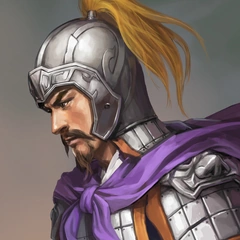
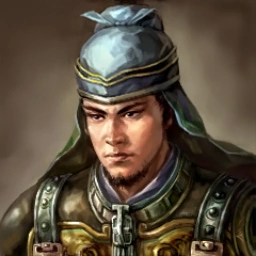
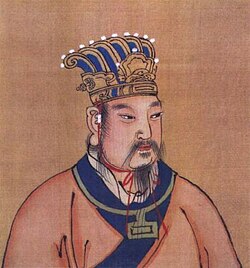
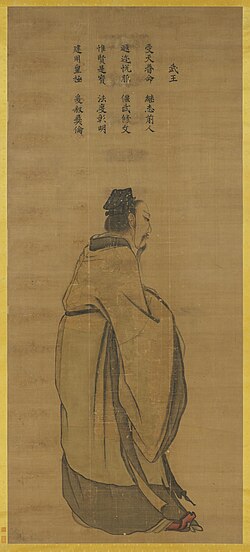
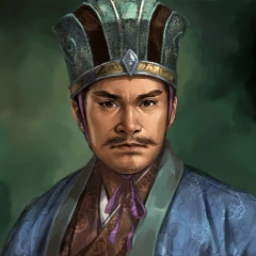
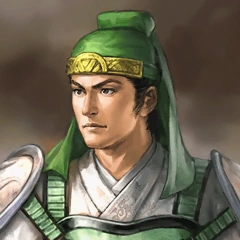
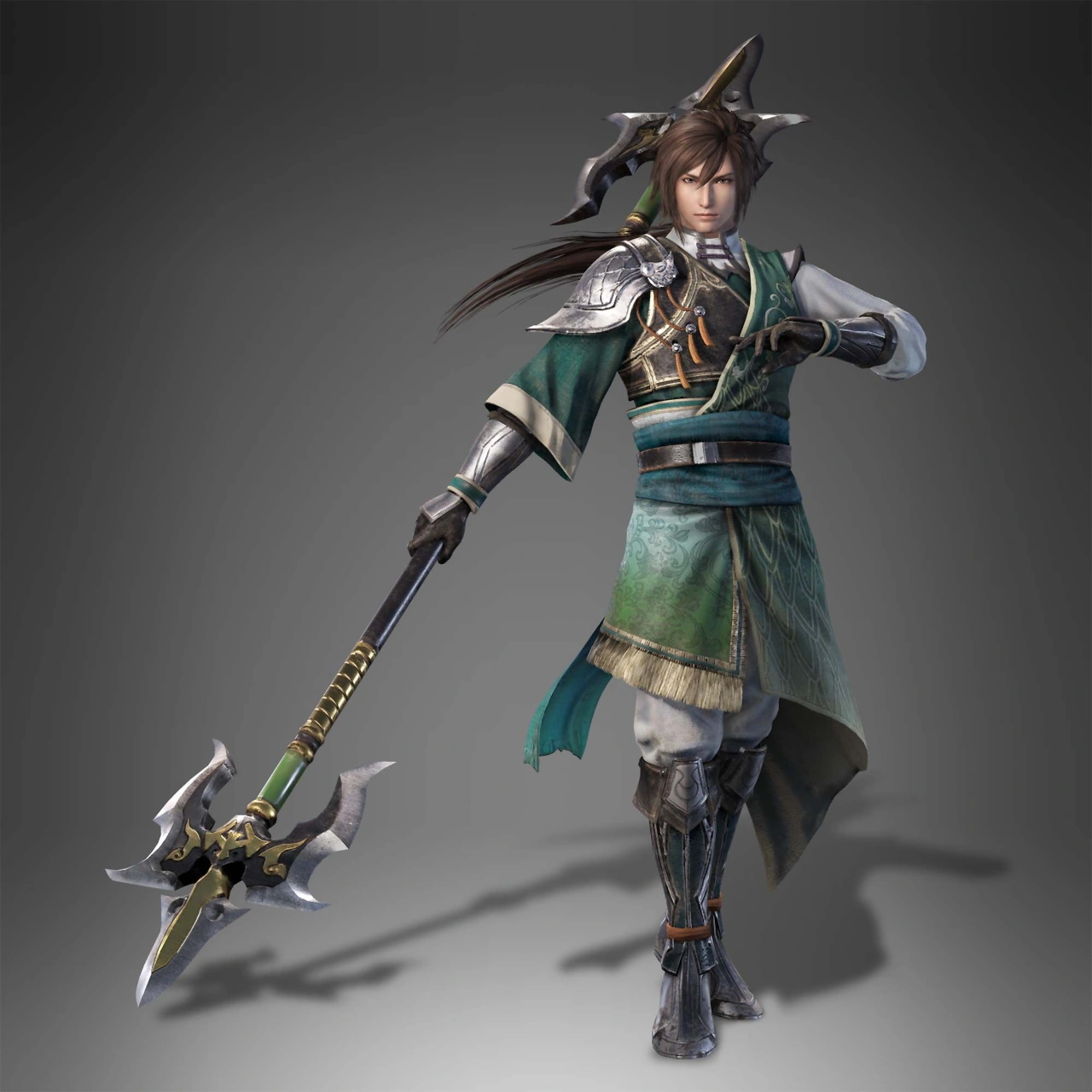
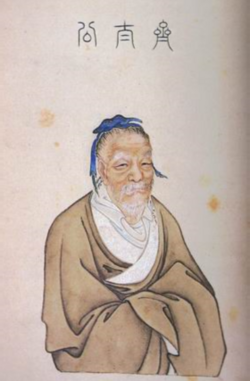
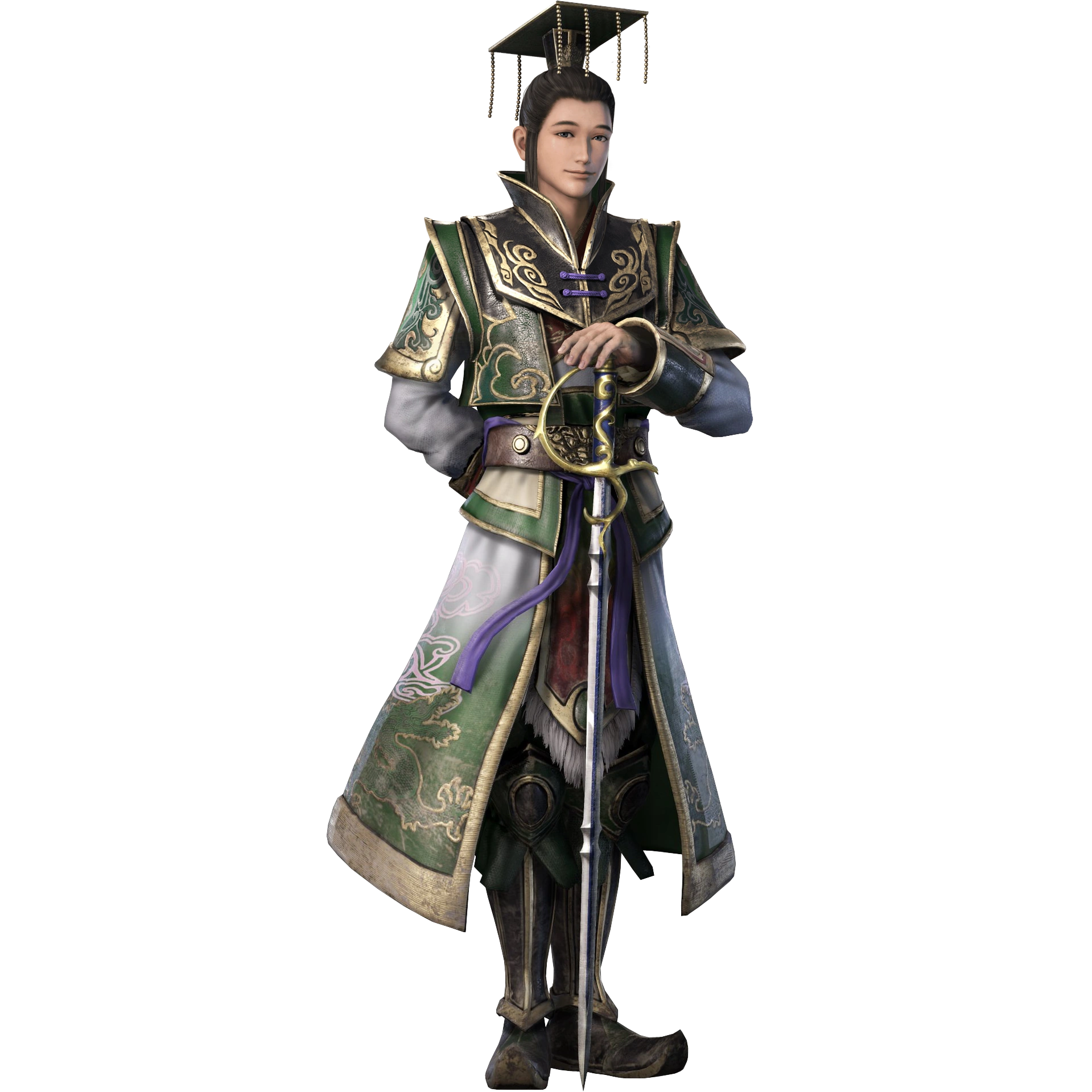
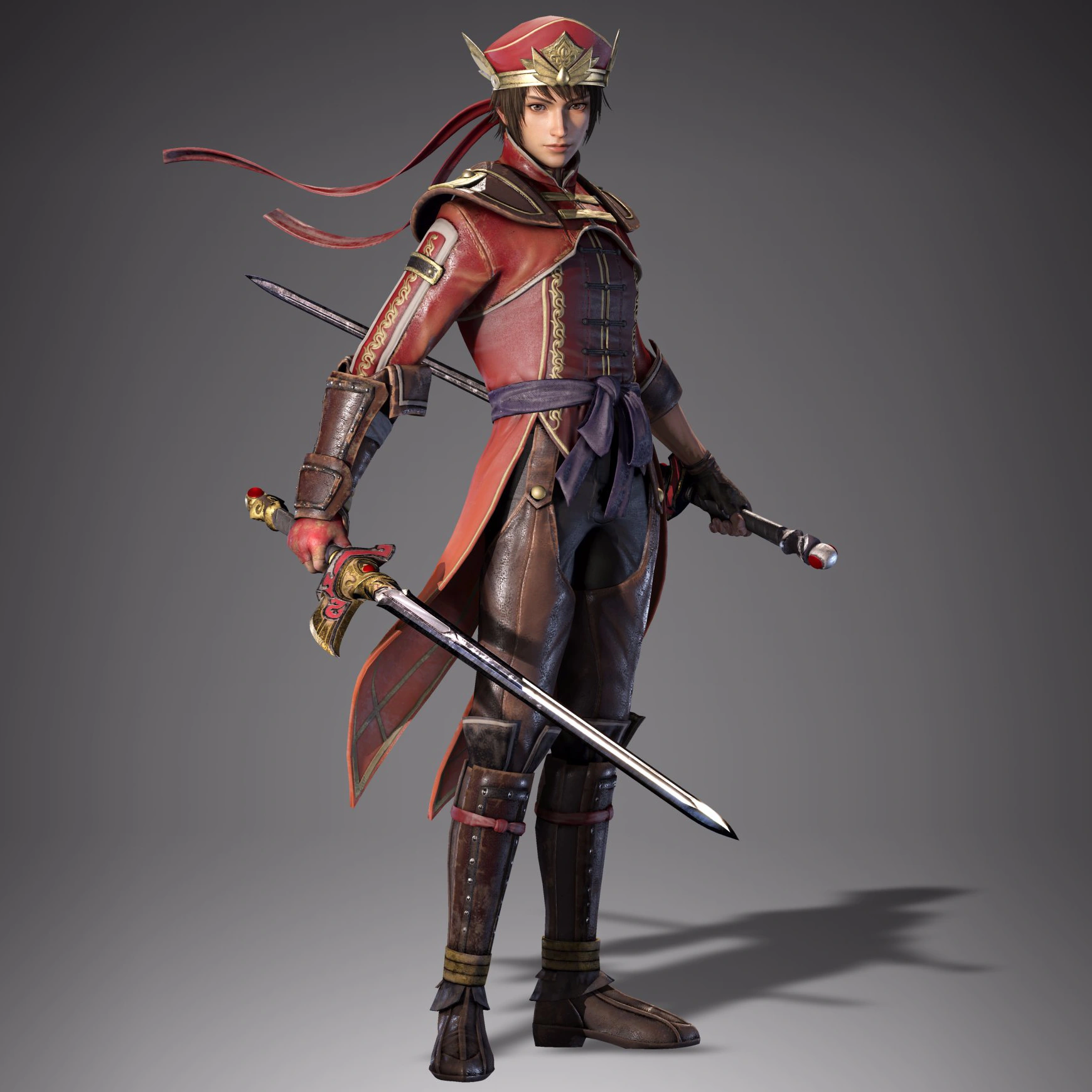
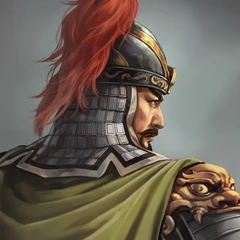
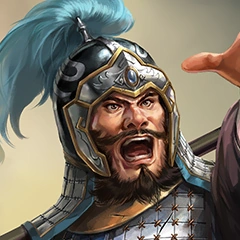
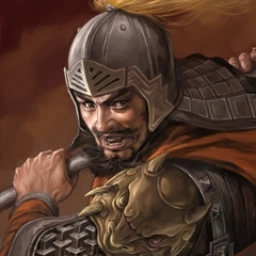
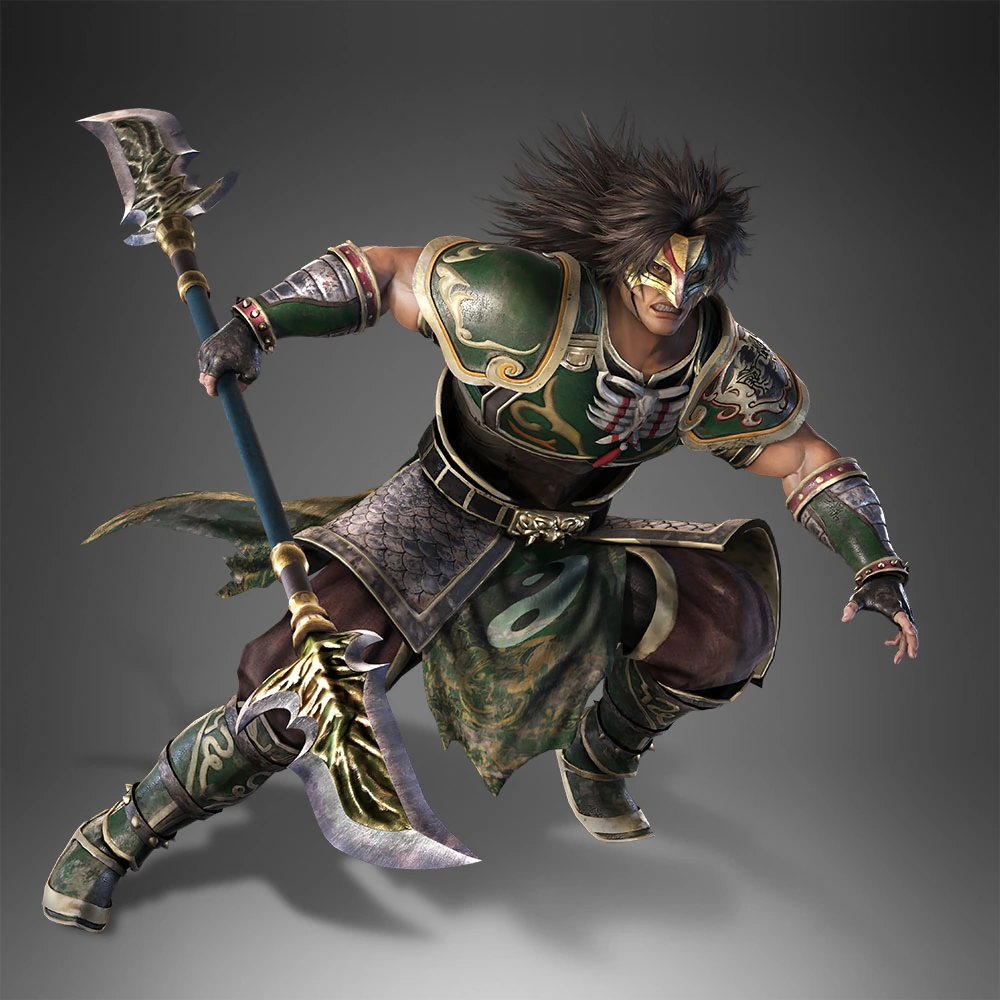
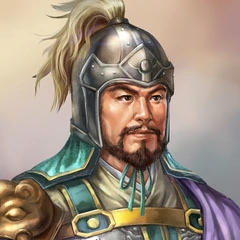
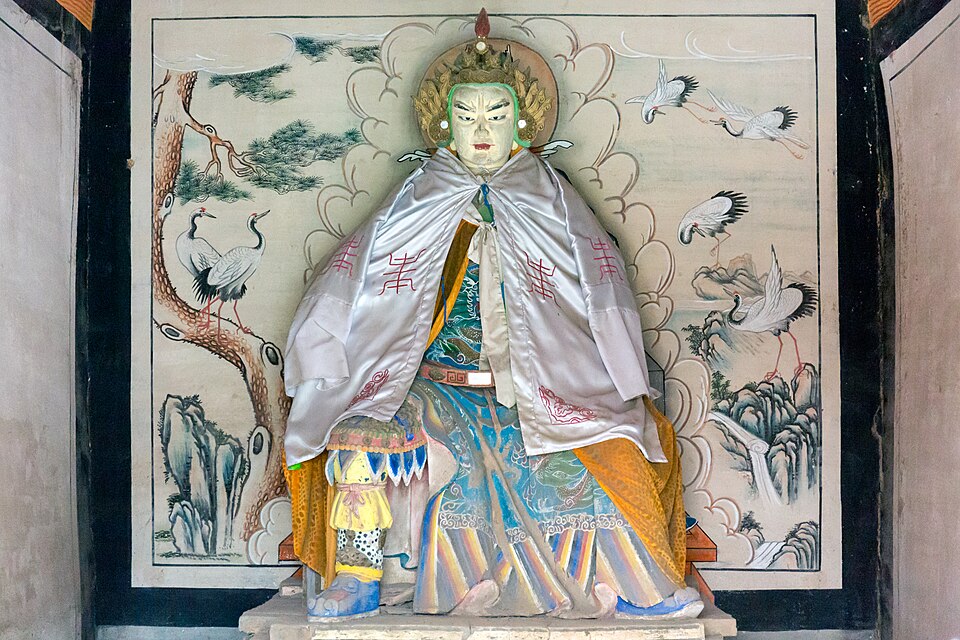
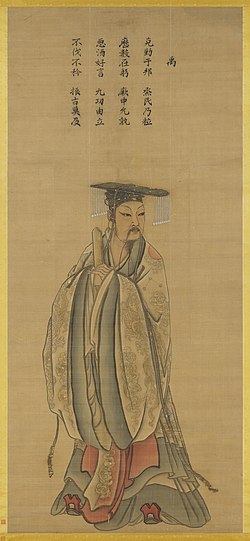
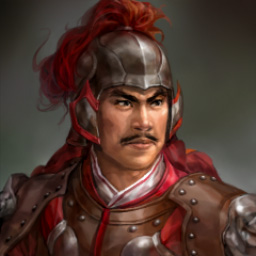
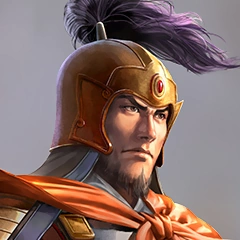
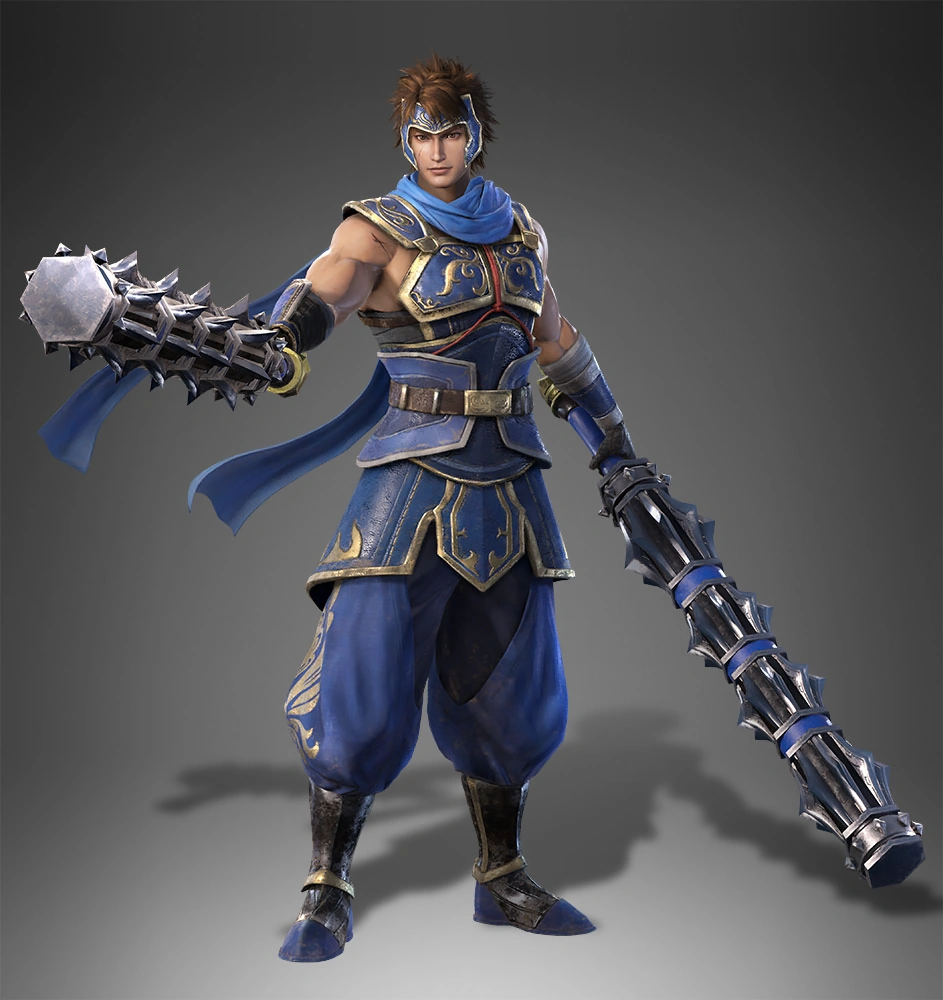
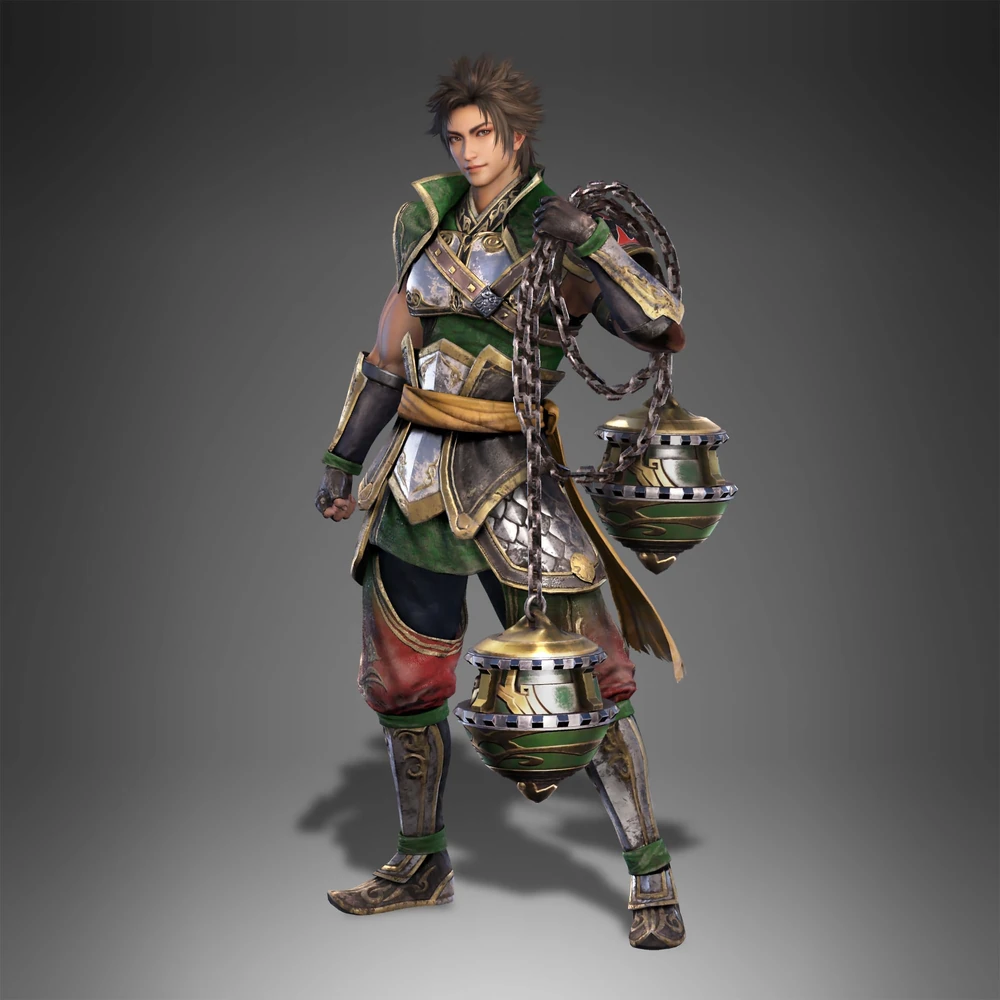
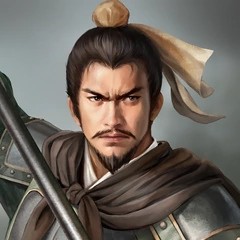
|
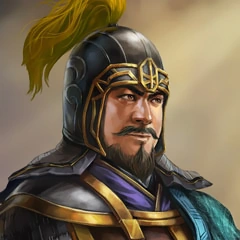
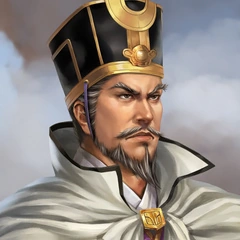
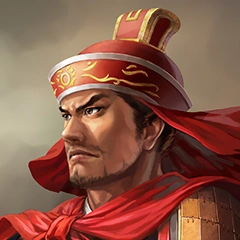
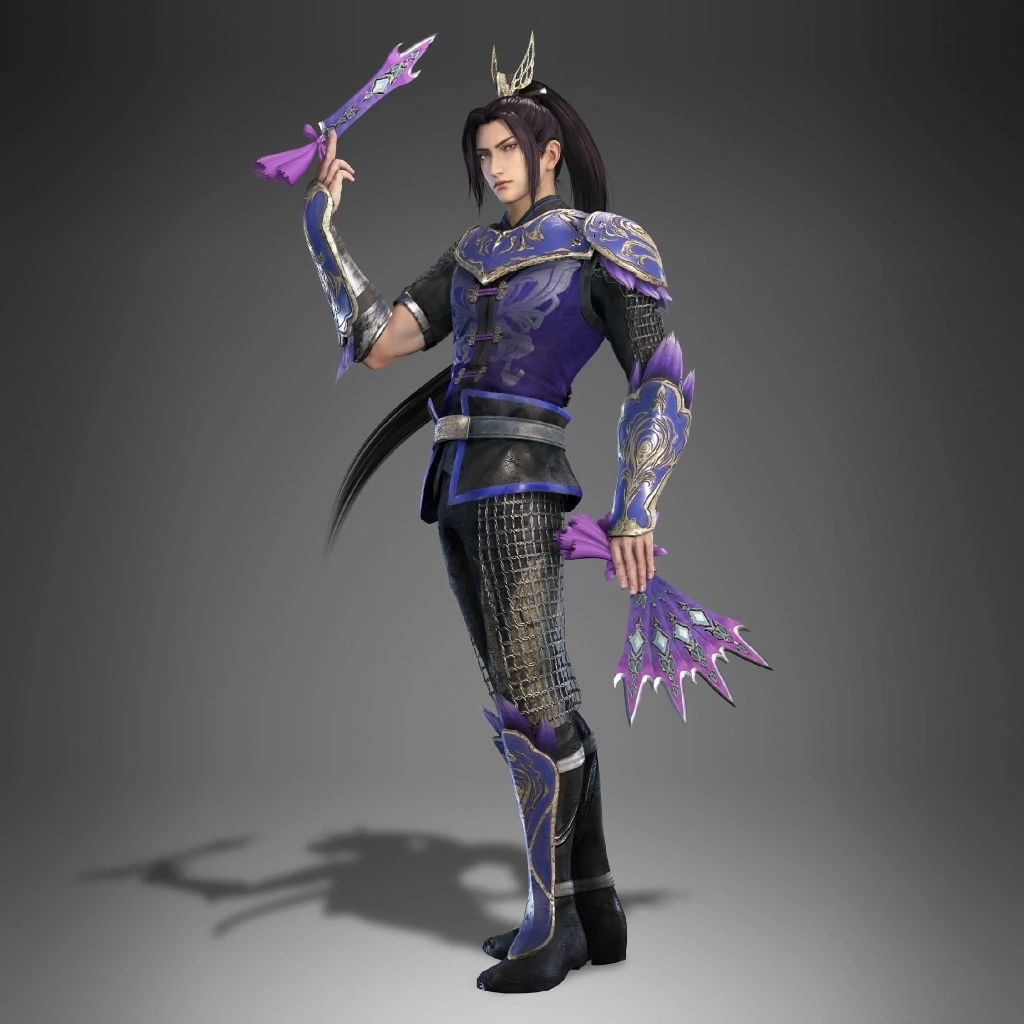
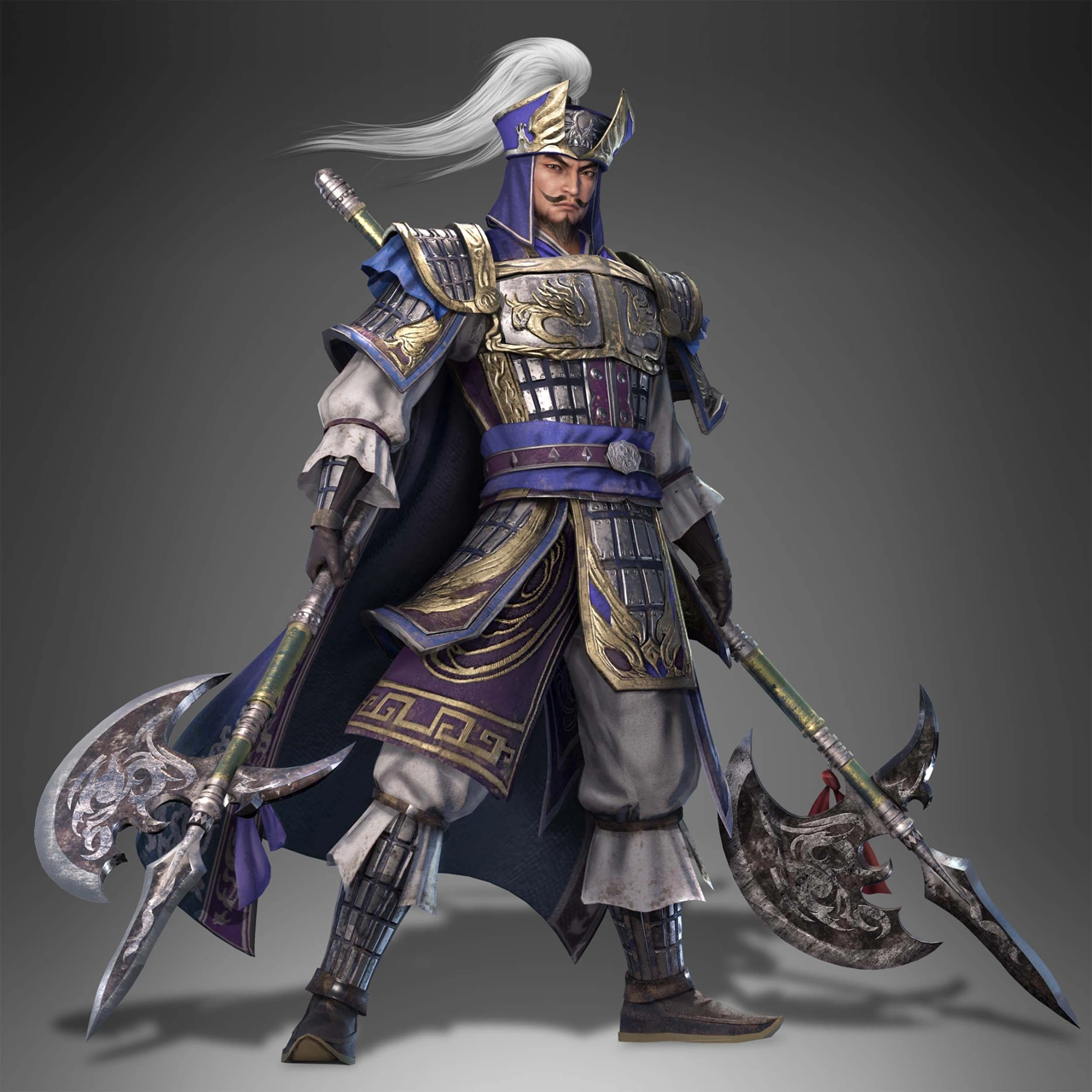
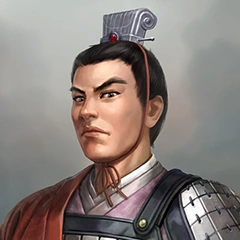
Cao Rui
Holds the Wei court through the chapter. Pleased by Sima Yi's analysis but pointed about it — 'Since, Noble Sir, you foresaw all this so plainly, why did you not lead an army to prevent it?' — then sends Han Ji with the edict restraining Cao Zhen from battle. Alarmed by the fall of Chencang and San Pass and then by Man Chong's report of Sun Quan's accession, he calls in Sima Yi, accepts his reading that Wu will not actually move ('Your insight is very profound'), and makes him Commander-in-Chief in the west. He is also the master in Sun Li's tiger story, hunting on Great Rock Hill.
10 mentions in this chapter
166 mentions in the book
|
|
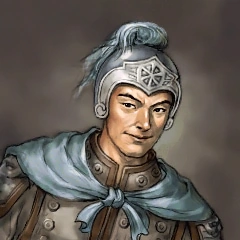
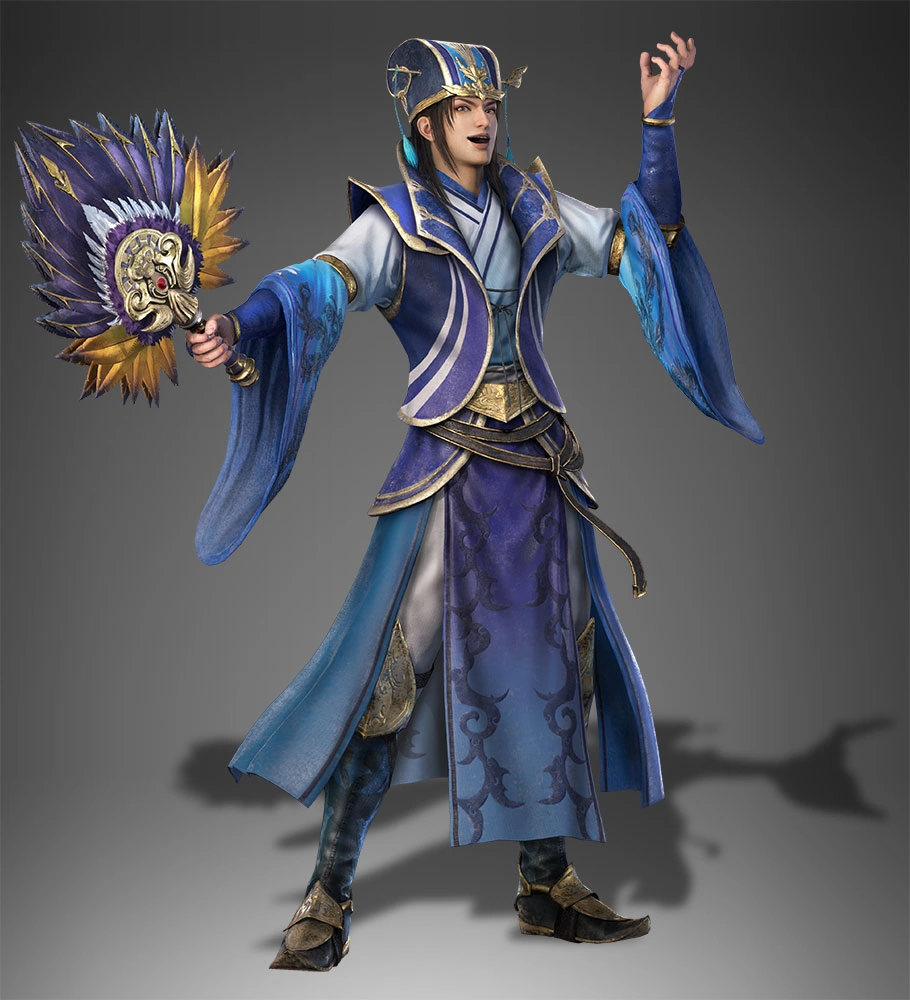
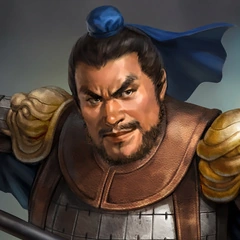
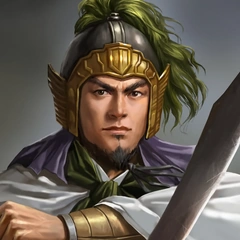
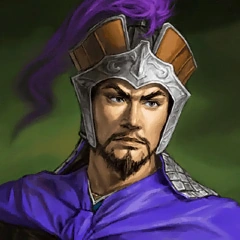
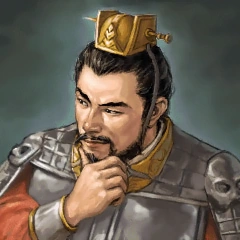
Cao Zhen
Wei commander-in-chief through the whole first half of the chapter. Receives Cao Rui's edict from Han Ji's hand (Sima Yi's advice, deliberately passed off as the Emperor's so the credit falls to Cao Zhen), holds his positions and refuses battle, and adopts Sun Li's decoy-convoy plan: carts loaded with wood and reeds sprinkled with sulfur and saltpeter instead of grain. Zhuge Liang reads it on sight, burns the carts and takes the outer camp; Cao Zhen 'thereafter looked to his defenses and attacked no more' and does not even notice the Shu army has been gone two days. Wang Shuang's death breaks him - he falls ill and withdraws to Luoyang, and when Sima Yi visits he presses the commander's seal on him: 'If you do not take it, I shall have to go to see the Emperor, ill as I am.'
25 mentions in this chapter
137 mentions in the book
|
|
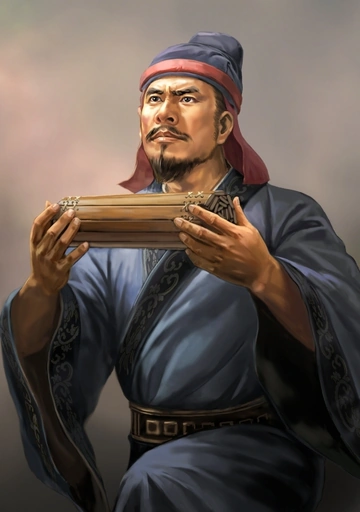
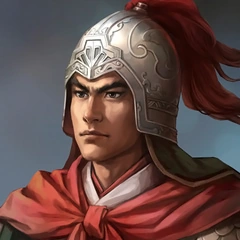
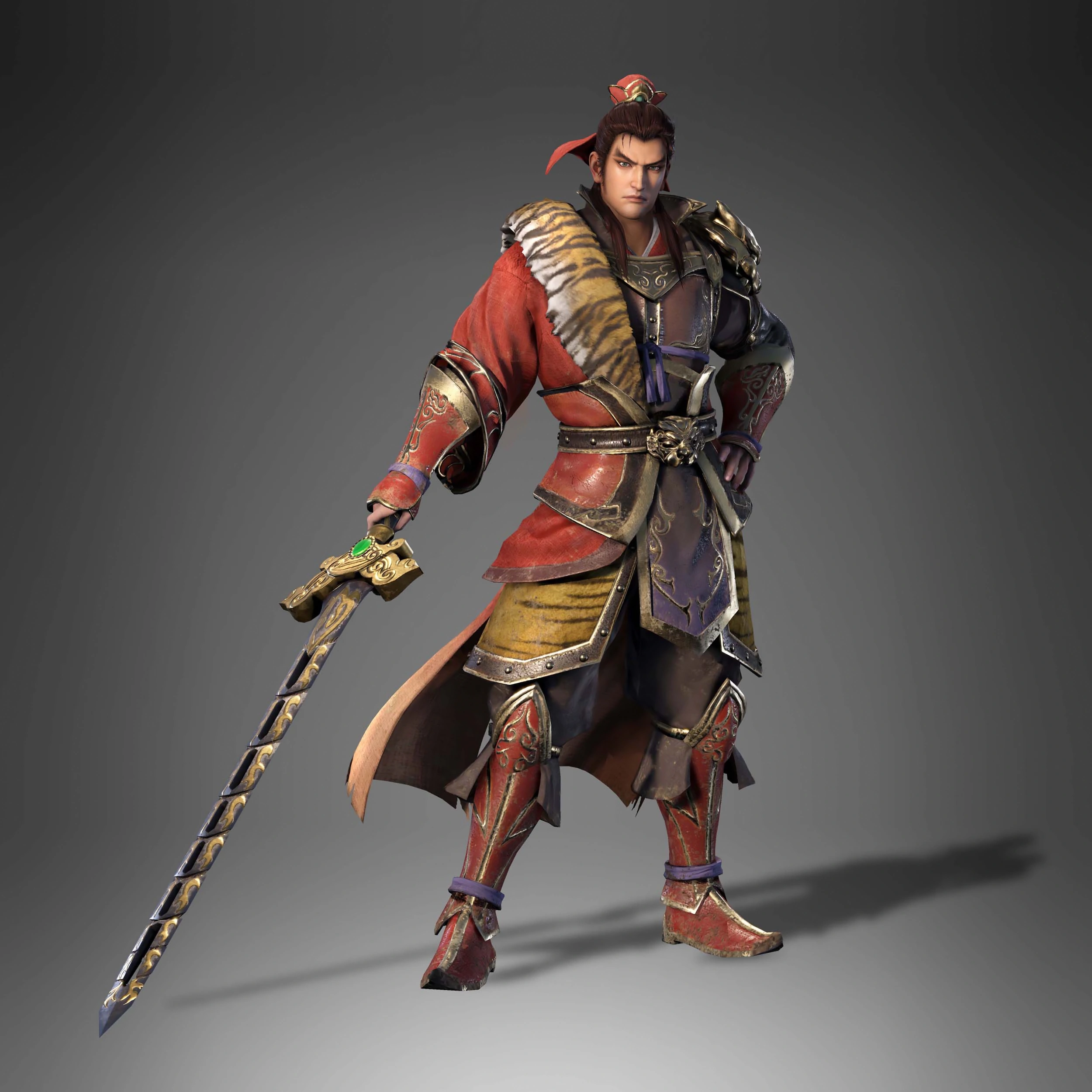
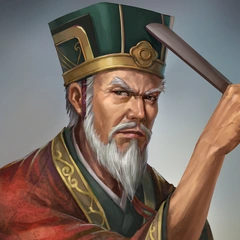
Chen Shi
Sent up by the Latter Ruler as reinforcement once the campaign is already under way: 'Moreover, the Latter Ruler sent Chen Shi to assist in the campaign.' Named in passing here; his part comes in the next chapter.
1 mention in this chapter
22 mentions in the book
|
|
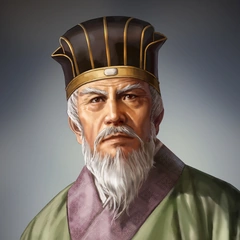
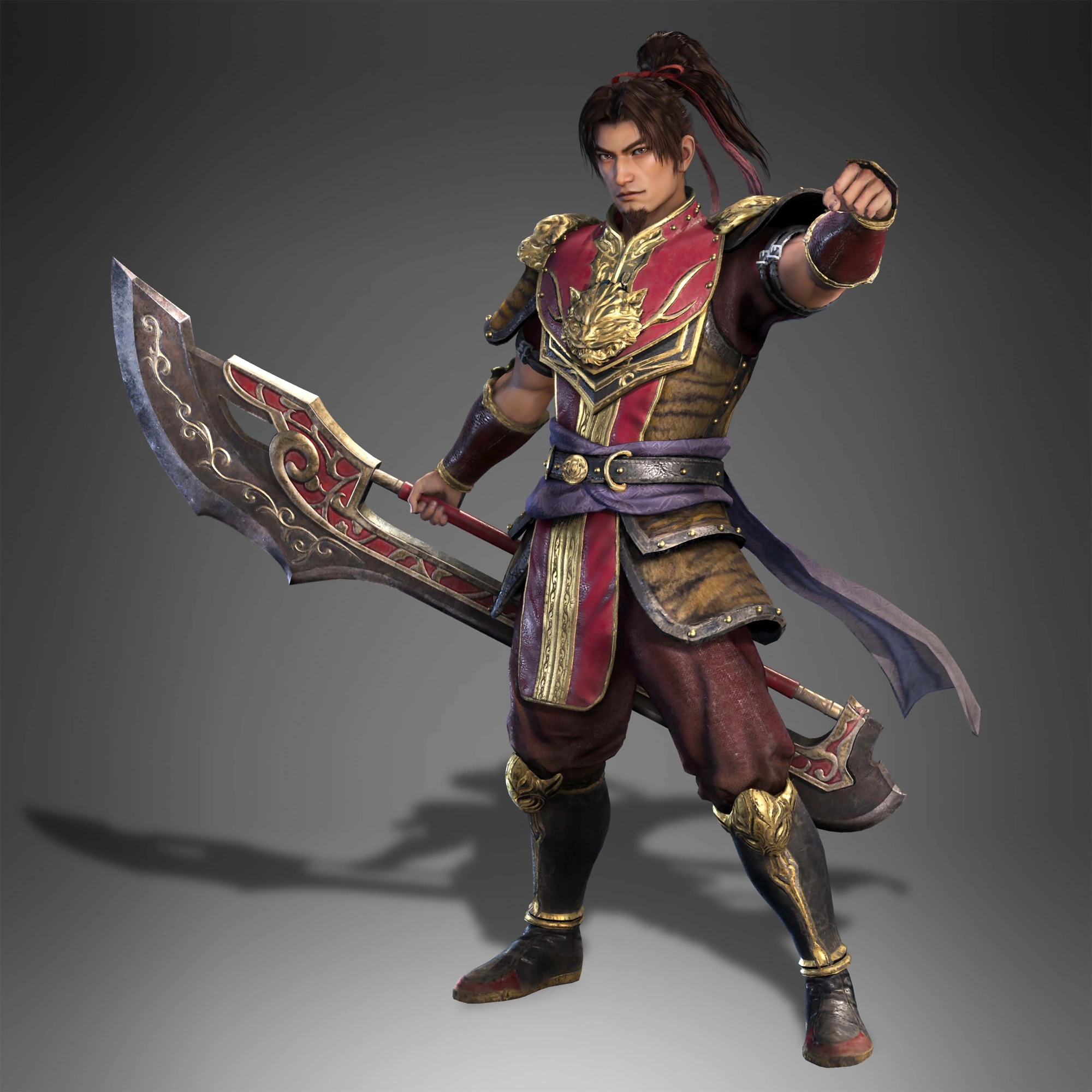
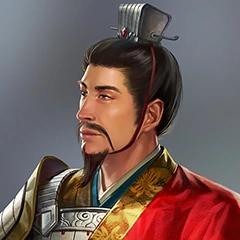
Chen Zhen
Chair of the Secretariat, sent as Shu's congratulatory embassy to the new Emperor of Wu with horses, a jeweled belt, gold, pearls and precious things - the ratification Zhuge Liang argued for against a court that wanted to reject Sun Quan as an upstart usurper. The presents are accepted, he is honoured and allowed to return, and he reports back to Zhuge Liang at Hanzhong.
2 mentions in this chapter
22 mentions in the book
|
|
Gu Yong
Made Prime Minister of Wu at the accession - 'Then Gu Yong became Prime Minister and Lu Xun, Regent Marshal.'
1 mention in this chapter
19 mentions in the book
|
|
Guan Xing
Set with Zhang Bao to lie on either side of the outermost Wei camp - 'seize it when they have left' - and takes it the moment Zhang Hu and Yue Chen ride off after the fire, so the returning garrison is met by its own walls and arrows thick as locusts. Later part of the concealed second force that marches on Chencang by double stages while Wei Yan and Jiang Wei are still counting out their three days.
4 mentions in this chapter
127 mentions in the book
|
|
Guo Huai
Recognises the edict's real author at once - 'That is Sima Yi's idea... he perfectly understands Zhuge Liang's plans, and he will eventually have to be called in to defeat Shu' - and supplies the supply-strangling brief that sends Wang Shuang out to the by-roads. Commands in the Gu Valley and at Jieting. After Chencang falls he grasps what is coming ('In that case, Yongcheng and Meicheng are in danger'), sends Sun Li to Yongcheng, takes Meicheng himself, and sends the urgent report to Luoyang.
9 mentions in this chapter
106 mentions in the book
|
|
Han Ji
Carries the edict. Sent by Cao Rui to warn Cao Zhen against giving battle, pursuing rashly or penetrating deep into enemy country. Sima Yi escorts him out of the city and tells him to quote the royal command only and never say whose idea it was - 'I am giving this magnificent opportunity to obtain glory to Cao Zhen.' He delivers it faithfully, and Guo Huai laughs and names the real author anyway.
3 mentions in this chapter
3 mentions in the book
|
|
Hao Zhao
Dies at Chencang. Sima Yi's entire strategy rests on him - 'with Hao Zhao and Wang Shuang on guard there, he will not dare to come that way' - and he is already mortally ill when the scouts report it to Zhuge Liang, who takes the news as the campaign's opening move: 'That means success for me.' He rouses himself and has them carry him to the ramparts, but Zhuge Liang's planted spies fire every gate at once and the panic kills him outright, 'just as the troops of Shu were bursting in'. Zhuge Liang sends his coffin and his whole family back to Wei in recognition of his loyalty.
12 mentions in this chapter
29 mentions in the book
|
|
Hu Ban
Set with Wu Yi to lie outside the Wei camp and cut the retreat. Catches Zhang Hu and Yue Chen on their way back from the empty Shu camp; they fight through bravely, but only into Guan Xing and Zhang Bao's arrows.
2 mentions in this chapter
51 mentions in the book
|
|
Ji Chang
King Wen of Zhou, alluded to in Zhang Zhao's memorial as a standard of understanding: 'your understanding is on a level with that of Kings Wen and Wu.'
1 mention in this chapter
13 mentions in the book
|
|
Ji Fa
King Wu of Zhou, alluded to once in Zhang Zhao's memorial: 'your understanding is on a level with that of Kings Wen and Wu.'
1 mention in this chapter
24 mentions in the book
|
|
Jiang Wan
Breaks the deadlock in Liu Shan's court when the ministers want to refuse Sun Quan's overture outright: 'We should get the opinion of Zhuge Liang.' The matter goes to Hanzhong and comes back as the policy of ratification.
1 mention in this chapter
25 mentions in the book
|
|
Jiang Wei
Takes Wudu: 'Jiang Wei and Wang Ping offered themselves. The former was sent with ten thousand troops to capture Wudu; the latter, with an equal force, went to Yinping.' Earlier he is the officer Zhuge Liang consults when the grain runs short — 'I reckon the grain we brought with us will not last a month. What must we do?' — and he rides with Wei Yan to take Chencang the moment Hao Zhao dies, then straight on to storm San Pass without unarming.
5 mentions in this chapter
443 mentions in the book
|
|
Jiang Ziya
Alluded to by Zhuge Ke under the name Lu Wang as the precedent for honouring the old: at ninety he 'gripped the signaling flags and wielded the axes of an army commander in the field. He never spoke of age.' One mention, and 'Lu Wang' matches it exactly.
1 mention in this chapter
14 mentions in the book
|
|
Lady Wu
Named only in the accession honours: Sun Quan's mother, made Empress Wu posthumously.
1 mention in this chapter
9 mentions in the book
|
|
Liu Shan
Receives Sun Quan's envoy proposing an alliance and a shared empire, puts it to a court that mostly wants to reject him as a usurper, and on Jiang Wan's motion refers it to Zhuge Liang - then follows the advice, sending Chen Zhen with presents to congratulate the new Emperor of Wu. Also sends Chen Shi west to reinforce the expedition.
3 mentions in this chapter
254 mentions in the book
|
|
Lu Xun
Made Regent Marshal at the accession and given the custody of Wuchang alongside the Heir Apparent. He is also the reason Sima Yi will not leave the east in the opening pages. When Sun Quan finally asks his opinion of the joint attack on Wei he sees straight through it: 'We owe this to Zhuge Liang's fear of Sima Yi... However, we must consent since Shu asks it. We will make a show of raising an army and in a measure support them. When Zhuge Liang has actually attacked Wei, we will make for the Middle Land ourselves.' Which is exactly the fence-sitting Sima Yi describes to Cao Rui a few pages later.
8 mentions in this chapter
127 mentions in the book
|
|
Ma Dai
Springs the trap on the grain convoy. Takes three thousand men to the Wei store camp at the second watch with the soldiers gagged and the horses' muzzles lashed, finds the carts tiered up the hills 'making an enclosure like a walled camp' with flags planted on them, waits for the southwest wind and fires them - a blaze that lights the sky, draws Sun Li out of the west hills into Ma Zheng and Zhang Ni's jaws, and pulls Zhang Hu and Yue Chen out of their camp for Guan Xing and Zhang Bao.
3 mentions in this chapter
123 mentions in the book
|
|
Ma Zhong
One jaw of the pincer on Sun Li: sent with five thousand troops (Zhang Ni with another five thousand) to halt near the camp and attack from outside once the convoy burns. When Sun Li charges at the blaze thinking it his own side's signal, the two of them close in behind him and 'soon had Sun Li as in a net', and the third roll of drums is Ma Dai coming up out of the fire.
2 mentions in this chapter
27 mentions in the book
|
|
Man Chong
At court in Luoyang, and his one act is the report that changes the strategic picture: 'Sun Quan has declared himself Emperor, and Lu Xun is drilling his army in Wuchang. An invasion from the east can be expected soon.' It lands on top of the news from Chencang and is what finally frightens Cao Rui into sending for Sima Yi.
1 mention in this chapter
33 mentions in the book
|
|
Sima Yi
Right about everything and not in command until the last page. Explains that Chencang was garrisoned precisely because Zhuge Liang would come that way, that Shu's advantage is a quick battle and Wei's is delay, and that a month will starve the invaders out; declines to lead in person because he is holding the east against Lu Xun, and predicts flatly that 'Sun Quan will declare himself Emperor before long. If he does, he will be afraid of Your Majesty's attack, and so he will try to invade us first.' Has his own advice delivered to Cao Zhen as a royal command with his name kept out of it - 'do not tell him the suggestion was mine; only quote the royal command.' Later reads the Shu-Wu alliance correctly too: Zhuge Liang still wants Wu for Xiaoting, Lu Xun is 'sitting on the fence', and Wei should only defend westward. Made Commander-in-Chief of all forces in the west, and refuses the seal three times before taking it from the sick Cao Zhen's hands.
15 mentions in this chapter
470 mentions in the book
|
|
Sun Ce
Named only in the accession honours: Sun Quan's elder brother, made posthumously Prince of Changsha.
1 mention in this chapter
242 mentions in the book
|
|
Sun Deng
Styled Heir Apparent when Sun Quan takes the imperial title, given Zhuge Ke and Zhang Xi as his Left and Right Companions, and left in the custody of Wuchang with Lu Xun assisting him while Sun Quan returns to Jianye.
1 mention in this chapter
3 mentions in the book
|
|
Sun Jian
Named only in the accession honours: the new Emperor's deceased father, given the title Martially Glorious Emperor.
2 mentions in this chapter
126 mentions in the book
|
|
Sun Li
Proposes and runs the decoy convoy: march out to Qishan as if escorting grain from the West Valley Land, the carts loaded with wood and reeds sprinkled with sulfur and saltpeter, so the starving Shu troops seize them and burn in their own camp. Introduced through a tiger story - out hunting with Cao Rui on Great Rock Hill he jumped from the saddle and killed a tiger in front of the royal chariot with his sword, and was given a Commandership for it; an intimate friend of Cao Zhen. The plan is turned inside out on him: Ma Dai fires the carts first, Ma Zheng and Zhang Ni close from behind and have him 'as in a net', and he cuts his way out through the smoke with a remnant. Later sent to hold Yongcheng.
14 mentions in this chapter
32 mentions in the book
|
|
Sun Quan
Takes the imperial title, and the Three Kingdoms become three formal monarchies. Cannot make up his mind when his ministers urge an attack on Wei, and is argued onto the throne by Zhang Zhao's memorial of omens — a phoenix in the hills east of Wuchang, a yellow dragon in the Great River, virtue matching Kings Yu and Tang, understanding matching Kings Wen and Wu. Ascends an altar south of Wuchang on the 'tiger' day of the fourth month and takes 'Yellow Dragon' as the reign style (AD 229). Distributes the honours: Sun Jian the Martially Glorious Emperor, his mother Empress Wu, Sun Ce posthumously Prince of Changsha, Sun Deng Heir Apparent, Zhuge Ke and Zhang Xi the Heir's Left and Right Companions, Gu Yong Prime Minister, Lu Xun Regent Marshal. Delighted by the boy Zhuge Ke twice — the donkey label, which he rewards with the donkey, and the Lu Wang retort that makes Zhang Zhao drink. Then takes Zhang Zhao's second piece of advice and reforms instead of fighting, proposes the Shu treaty, accepts Shu's congratulations, and lets Lu Xun make only a show of raising an army. Returns to Jianye.
21 mentions in this chapter
603 mentions in the book
|
|
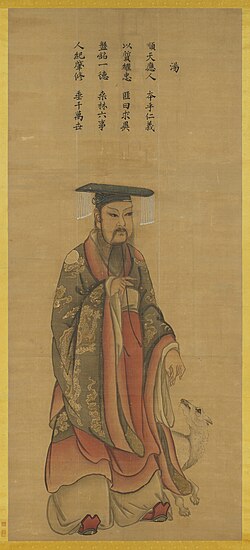
Tang of Shang
Alluded to in Zhang Zhao's memorial as a standard of virtue, paired with Yu the Great: 'your virtue matches that of Kings Yu and Tang.' One mention, and bare 'Tang' matches nothing else in the chapter.
1 mention in this chapter
6 mentions in the book
|
|
Wang Ping
Sent with ten thousand troops to take Yinping while Jiang Wei takes Wudu - the two commanderies Zhuge Liang wants because 'Yinping and Wudu are connected with Hanzhong. If I can win these, I can drive a wedge into the Wei force.' (Wei Yan's and Jiang Wei's ch98 summaries had this the wrong way round.)
1 mention in this chapter
107 mentions in the book
|
|
Wang Shuang
Cao Zhen sends him to prowl the by-roads and choke Shu's supply line, which is the whole basis of Sima Yi's month-long starvation plan. When the Shu camps empty he pursues Wei Yan toward Hanzhong, closes to hailing distance and shouts 'Do not flee, Wei Yan!' — then a guard spots the blaze Wei Yan's thirty hidden men have set in his own camp behind him. He wheels back, and as he passes a hill Wei Yan rides out of a wood with 'Here is Wei Yan!' and takes him down at the first stroke. His troops scatter thinking it a full ambush; there were thirty men. The chapter's quatrain closes on 'And Wang Shuang's dead body marked where they had been.'
14 mentions in this chapter
32 mentions in the book
|
|
Wei Yan
Left on the Chencang road to hold off Wang Shuang, he gets Zhuge Liang's secret order, breaks camp by night toward Hanzhong, leaves thirty men hidden beside Wang Shuang's camp to fire it once its owner rides out, and kills Wang Shuang himself at the first stroke when the pursuit turns back. Then sent with Jiang Wei to take the leaderless Chencang after Hao Zhao's death, arrives to find the city already Zhuge Liang's and drops out of the saddle to prostrate himself — 'Really, you are supernatural, O Prime Minister!' — and is sent straight on without unarming to storm San Pass, which falls easily. Finally beats Zhang He's relief force in the field.
15 mentions in this chapter
353 mentions in the book
|
|
Wu Yi
Paired with Hu Ban outside the Wei camp with orders 'to cut off the retreat of the force of Wei' that sallies after the signal fire.
2 mentions in this chapter
30 mentions in the book
|
|
Yang Yi
Asks the question the retreat needs explaining for - 'O Prime Minister, you have just scored a victory, and the enemy have lost their bravery; why retreat?' - and draws out Zhuge Liang's whole reasoning: short food, an enemy that will not fight, reinforcements coming, light horse that could cut the provision road, and the order already sent to Wei Yan to kill Wang Shuang so the pursuit never starts.
1 mention in this chapter
68 mentions in the book
|
|
Yu the Great
Alluded to in Zhang Zhao's memorial as a standard of virtue: 'your virtue matches that of Kings Yu and Tang.'
1 mention in this chapter
25 mentions in the book
|
|
Yue Chen
Second-in-command of the Wei van. Yue Jing's son, paired with Zhang Hu in the outermost camp, sets the tower watch for the signal fire, sallies out with him against the empty Shu camp, and loses his own camp to Guan Xing and Zhang Bao while he is gone.
4 mentions in this chapter
17 mentions in the book
|
|
Yue Jin
Named in passing only, and long dead: 'Yue Chen, son of Yue Jing, was his second.'
1 mention in this chapter
51 mentions in the book
|
|
Zhang Bao
With Guan Xing, ambushes and seizes the outermost Wei camp while its garrison is away chasing the fire, then rides in the hidden force that carries Zhuge Liang to Chencang ahead of his own decoy orders.
4 mentions in this chapter
92 mentions in the book
|
|
Zhang He
Arrives at Cao Zhen's camp under royal command just after the fire, carrying Sima Yi's test - 'if you won the field the Shu army would stay, but if you did not, the Shu army would retreat' - and the scouts confirm the retreat. Fails to catch the retiring army. Then sent with three thousand troops to relieve the dying Hao Zhao, and arrives to find Chencang gone and San Pass taken; seeing Wei Yan and Jiang Wei already holding the approaches he retires, and Wei Yan follows and beats him heavily. Falls back on Changan and is left to guard it.
12 mentions in this chapter
232 mentions in the book
|
|
Zhang Hu
Zhang Liao's son, made Leader of the Van with Yue Chen as his second and posted in the outermost Wei camp. Sets watchers on the tower for the signal blaze, takes Ma Dai's fire for it, throws open his gates and rides for the Shu camp - which is empty. Fights his way back through Hu Ban and Wu Yi only to be met by arrows 'flying thick as locusts' from his own camp, which Guan Xing and Zhang Bao have taken in his absence.
4 mentions in this chapter
12 mentions in the book
|
|
Zhang Liao
Named in passing only, and long dead: 'Also Zhang Hu, son of Zhang Liao, was made Leader of the Van.' He exists in this chapter solely as his son's patronymic.
1 mention in this chapter
170 mentions in the book
|
|
Zhang Ni
The other jaw of the pincer on Sun Li, five thousand troops to Ma Zheng's five thousand, closing in behind him out of the dark once the grain carts go up.
2 mentions in this chapter
54 mentions in the book
|
|
Zhang Xiu
Zhang Zhao's second son, made Right Companion of the Heir Apparent at Sun Quan's accession and 'chosen for honor on account of the eminent services of his father, whose rank was only below that of Prince.'
2 mentions in this chapter
2 mentions in the book
|
|
Zhang Zhao
Writes the memorial that makes Sun Quan an emperor - the phoenix east of Wuchang, the yellow dragon in the Great River, 'your virtue matches that of Kings Yu and Tang, and your understanding is on a level with that of Kings Wen and Wu' - and carries the rest of the officers with him. Then, alone against the whole court, argues down the war they all want: 'It is not well to begin Your Majesty's new reign with fighting. Rather improve learning and hide the sword; establish schools and so give the people the blessings of peace. Make a treaty with Shu to share the empire' - which becomes Wu policy. His rank is set only below that of Prince, and his second son Zhang Xi is made Right Companion to the Heir. Also the straight man in the Zhuge Ke drinking exchange: refuses the cup as improper for old age, is answered with Lu Wang at ninety, and 'had no reply ready, and so had to drink.'
7 mentions in this chapter
77 mentions in the book
|
|
Zhuge Jin
Zhuge Ke's father and the butt of the donkey joke: Sun Quan, noticing his long face at a banquet, had a donkey led in and chalked 'My friend Zhuge Jin' on it to general laughter, and the six-year-old saved him by adding two words. His eldest son is made Left Companion of the Heir Apparent.
5 mentions in this chapter
68 mentions in the book
|
|
Zhuge Ke
First major appearance - Zhuge Jin's clever son, seven spans in height and especially apt at capping verses. At six he turns the donkey Sun Quan had chalked 'My friend Zhuge Jin' into 'My friend Zhuge Jin's donkey' and is given the donkey for it. Later, sent round with the wine at a large banquet, he answers Zhang Zhao's refusal by citing Lu Wang, who at ninety still 'gripped the signaling flags and wielded the axes of an army commander in the field. He never spoke of age. Nowadays in battle we put seniors behind, but at the banquet board we give them a front place' - and the old man has to drink. Made Left Companion of the Heir Apparent. The future regent of Wu.
3 mentions in this chapter
41 mentions in the book
|
|
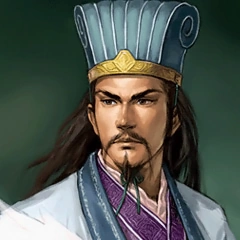
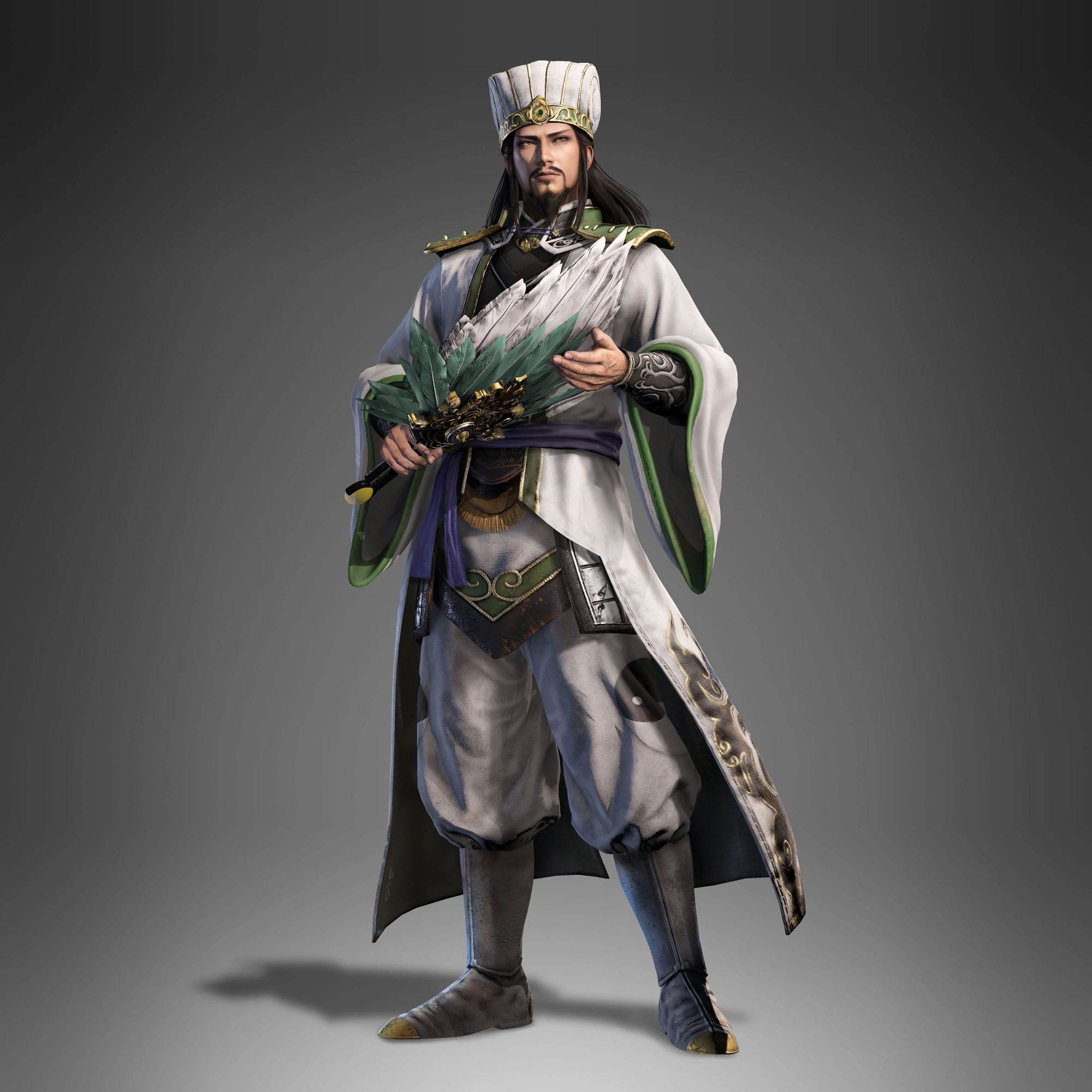
Zhuge Liang
The Third Northern Expedition, run on a month's grain. Reads Sun Li's convoy as a fire-trap on sight - 'How can they imagine that I shall be deceived by this sort of thing, when I have fought them with fire so many times?' - and answers ruse with ruse: Ma Dai to burn the carts, Ma Zheng and Zhang Ni to close on Sun Li, Guan Xing and Zhang Bao to take the outer camp, Hu Ban and Wu Yi to cut the retreat, while he watches from a summit of the Qishan Mountains. Then retreats at the moment of victory because the food will not last, leaving watchmen beating the hours in empty camps and a secret order for Wei Yan to kill Wang Shuang so nobody dares follow. Hears Hao Zhao is dying - 'That means success for me' - sends Wei Yan and Jiang Wei off under a three-day deadline purely as a decoy 'to calm the people of this city', marches a hidden force to Chencang by double stages under Guan Xing and Zhang Bao, has spies fire the gates from inside, and is standing on the wall when his own generals arrive: 'You have come too late.' Sends Hao Zhao's coffin and family home to Wei. Takes San Pass, then the county of Jianwei out of the Xie Valley, camps at Qishan for the third time, and sends Jiang Wei to Wudu and Wang Ping to Yinping. On the diplomatic side he is the one who tells Liu Shan to ratify Sun Quan's imperial title rather than break the alliance: 'Then Sima Yi will be engaged with Wu, and I may once more march to Qishan and attempt Capital Changan.'
29 mentions in this chapter
1454 mentions in the book
|
-
Battle of Jianwei Battle · February - May 229 · Wudu CommanderyAttackers: Shu HanDefenders: Cao Wei
-
-
-
Chang'an County County(34.2464, 108.9070)
-
Changsha Commandery Commandery
-
-
-
Chencang
-
Great Rock Hill
-
Gu Valley
-
Hanzhong Commandery Commandery(33.0730, 107.0359)
-
Jianwei
-
Jianye Settlement
-
Jieting
-
Jing Province Province
-
Luoyang County(34.7316, 112.5963)
-
-
-
Meicheng
-
Middle Land Region
-
Qishan Mountains Mountains/Hills
-
San Pass Pass
-
Shu (Three Kingdoms) Region
-
Wei (Three Kingdoms) Region
-
West Valley Land Region
-
Wu (Three Kingdoms) Region
-
Wuchang County
-
Wudu Commandery Commandery(33.8491, 105.6551)
-
Xiaoting Landmark
-
Xie Valley Landmark
-
Yangtze River River
-
Yinping County County(23.0991, 109.6084)
-
Yongcheng