Shedding Tears, Zhuge Liang Puts Ma Su To Death;
Cutting Hair, Zhou Fang Beguiles Cao Xiu.
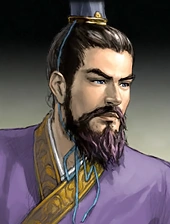
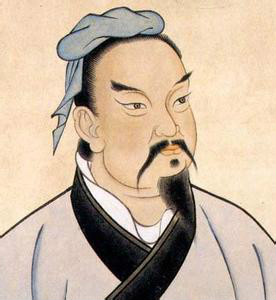
The proposer of the great plan that was to conquer the empire was the Chair of the Secretariat, named Sun Zu.
"Noble Sir, expound your excellent scheme," said the Ruler of Wei.
And Sun Zu said, "When your great progenitor, Emperor Cao, first got Zhang Lu, he was at a critical stage in his career, but thenceforward all went well. He used to say the land of Nanzheng is really a natural hell. In the Xie Valley there are one hundred fifty miles of rocks and caves, so that it is an impossible country for an army. If Wei be denuded of soldiers in order to conquer Shu, then for sure we shall be invaded by Wu on the east. My advice is to divide the army among the various generals and appoint each a place of strategic value to hold, and let them train their forces. In a few years the Middle Land will be prosperous and wealthy, while the other two Shu and Wu, will have been reduced by mutual quarrels and will fall an easy prey. I hope Your Majesty will consider whether this is not a superior plan."
"What does the General think?" said Cao Rui to Sima Yi.
He replied, "Chairman Sun Zu says well."
So Cao Rui bade Sima Yi draw up a scheme of defense and station the soldiers, leaving Guo Huai and Zhang He to guard Changan. And having rewarded the army, the Ruler of Wei returned to Luoyang.
When Zhuge Liang got back to Hanzhong and missed Zhao Zilong and Deng Zhi, the only two generals who had not arrived, he was sad at heart and bade Guan Xing and Zhang Bao go back to afford them assistance. However, before the reinforcing parties could leave, the missing men arrived. Furthermore, they came with their army in excellent condition and not a man short, nor a horse nor any of their equipment.
As they drew near, Zhuge Liang went out of the city to welcome them.
Thereupon Zhao Zilong hastily dismounted and bowed to the earth, saying, "The Prime Minister should not have come forth to welcome a defeated general."
But Zhuge Liang lifted him up and took his hand and said, "Mine was the fault. Mine were the ignorance and unwisdom that caused all this. But how is it that amid all the defeat and loss you have come through unscathed?"
And Deng Zhi replied, "It was because friend Zhao Zilong sent me ahead, while he guarded the rear and warded off every attack. One leader he slew, and this frightened the others. Thus nothing was lost or left by the way."
"A really great general!" said Zhuge Liang.
He sent Zhao Zilong a gift of fifty ounces of gold, and to his army ten thousand rolls of silk.
But these were returned as Zhao Zilong said, "All armies have accomplished nothing, and that is also our fault. The rules for reward and punishment must be strictly kept. I pray that these things be kept in store till the winter, when they can be distributed among the army."
"When the First Ruler lived, he never tired of extolling Zhao Zilong's virtues. The First Ruler was perfectly right," said Zhuge Liang.
And his respect for the veteran was doubled.
Then came the turn of the four unfortunate leaders Ma Su, Wang Ping, Wei Yan, and Gao Xiang to render account. Wang Ping was called to the Commander-in-Chief's tent and rebuked.
"I ordered you and Ma Su to guard Jieting. Why did you not remonstrate with him and prevent this great loss?"
"I did remonstrate many times. I wished to build a rampart down in the road and construct a solid camp, but the Counselor would not agree and showed ill temper. So I led five thousand troops and camped some three miles off. When the army of Wei came in crowds and surrounded my colleague, I led my army to attack them a score of times. But I could not penetrate, and the catastrophe came quickly. Many of our troops surrendered, and mine were too few to stand. Wherefore I went to friend Wei Yan for help. Then we were intercepted and imprisoned in a valley and only got out by fighting most desperately. We got back to my camp to find the enemy in possession, and so we set out for Liliu. On the road I met Gao Xiang, and we three tried to raid the enemy's camp, hoping to recover Jieting. But as there was no one soldier there, I grew suspicious. From a hill I saw Wei Yan and Gao Xiang had been hemmed in by the soldiers of Wei, so I went to rescue them. Thence we hastened to Yangping Pass to try to prevent that from falling. It was not that I failed to remonstrate. And you, O Prime Minister, can get confirmation of my words from any of the officers."
Zhuge Liang bade him retire, and sent for Ma Su. He came, bound himself, and threw himself on the earth at the tent door.
Zhuge Liang got angry, saying, "You have filled yourself with the study of the books on war ever since you were a boy. You know them thoroughly. I enjoined upon you that Jieting was most important, and you pledged yourself and all your family to do your best in the enterprise. Yet you would not listen to Wang Ping, and thus you caused this misfortune. The army is defeated, generals have been slain and cities and territory lost, all through you. If I do not make you an example and vindicate the law, how shall I maintain a proper state of discipline? You have offended, and you must pay the penalty. After your death the little ones of your family shall be my care, and I will see that they get a monthly allowance. Do not let their fate cause you anxiety."
Zhuge Liang told the executioners to take Ma Su away.
Ma Su wept bitterly, saying, "Pity me, O Prime Minister! You have looked upon me as a son; I have looked up to you as a father. I know my fault is worthy of death, but I pray you remember how King Shun employed Yu, after executing Yu's father. Though I die, I will harbor no resentment down in the depths of the Nine Golden Springs."
Zhuge Liang brushed aside his tears and said, "We have been as brothers, and your children shall be as my own. I know what to do."
They led the doomed man away. Without the main gate, just as they were going to deal the fatal blow, High Counselor Jiang Wan, who had just arrived from Capital Chengdu, was passing in. He bade the executioners wait a while, and he went in and interceded for Ma Su.
"Formerly the King of Chu put Minister Cheng Dechen to death due to a defeat, and his rival Duke Wen of Jin rejoiced. There is great confusion in the land, and yet you would slay a man of admitted ability. Can you not spare him?"
Zhuge Liang's tears fell, but he said, "Sun Zi maintains that the one way to obtain success is to make the law supreme. Now confusion and actual war are in every quarter. If the law be not observed, how may rebels be made away with? He must die."
Soon after they bore in the head of Ma Su as proof, and Zhuge Liang wailed bitterly.
"Why do you weep for him now that he has met the just penalty for his fault?" said Jiang Wan.
"I was not weeping then because of Ma Su, but because I remembered the words of the First Ruler. At his last moment in Baidicheng, he said: 'Ma Su's words exceed his deeds. Do not make much use of him.' It has come true, and I greatly regret my want of insight. That is why I weep."
Every officer wept. Ma Su was but thirty-nine, and he met his end in the fifth month of the sixth year of Beginning Prosperity (AS 228).
A poet wrote about him thus:
That was pitiful that he who talked so glib
Of war, should lose a city, fault most grave,
With death as expiation. At the gate
He paid stern law's extremest penalty.
Deep grieved, his chief recalled the late Prince's words.
The head of Ma Su was paraded round the camps. Then it was sewn again to the body and buried with it. Zhuge Liang conducted the sacrifices for the dead and read the oration. A monthly allowance was made for the family, and they were consoled as much as possible.
Next Zhuge Liang made his memorial to the Throne and bade Jiang Wan bear it to the Latter Ruler. Therein Zhuge Liang proposed his own degradation from his high office.
"Naturally a man of mediocre abilities, I have enjoyed your confidence undeservedly. Having led out an expedition, I have proved my inability to perform the high office of leader. Over solicitude was my undoing. Hence happened disobedience at Jieting and the failure to guard the Gu Valley. The fault is mine in that I erred in the use of officers. In my anxiety I was too secretive. The 'Spring and Autumn' philosophy has pronounced the commander such as I am is blameworthy, and whither may I flee from my fault? I pray that I may be degraded three degrees as punishment. I cannot express my mortification. I humbly await your command."
"Why does the Prime Minister speak thus?" said the Latter Ruler after reading the memorial. "It is but the ordinary fortune of war."
Court Counselor Fei Yi said, "The ruler must enhance the majesty of the law, for without law how can people support him? It is right that the Prime Minister should be degraded in rank."
Thereupon an edict was issued reducing Zhuge Liang to the rank of General of the Right Army, but retaining him in the same position in the direction of state affairs and command of the military forces. Fei Yi was directed to communicate the decision.
Fei Yi bore the edict into Hanzhong and gave it to Zhuge Liang, who bowed to the decree. The envoy thought Zhuge Liang might be mortified, so he ventured to felicitate him in other matters.
"It was a great joy to the people of Shu when you, O Prime Minister, captured the four northwest counties," said he.
"What sort of language is this?" said Zhuge Liang, annoyed. "Success followed by failure is no success. It shames me indeed to hear such a compliment."
"His Majesty will be very pleased to hear of the acquisition of Jiang Wei."
This remark also angered Zhuge Liang, who replied, "It is my fault that a defeated army has returned without any gain of territory. What injury to Wei was the loss of Jiang Wei?"
Fei Yi tried again, saying, "But with an army of one hundred thousand bold veterans, you can attack Wei again."
Said Zhuge Liang, "When we were at Qishan and Gu Valley, we outnumbered the enemy, but we could not conquer them. On the contrary, they beat us. The defect was not in the number of soldiers, but in the leadership. Now we must reduce the army, discover our faults, reflect on our errors, and mend our ways against the future. Unless this is so, what is the use of a numerous army? Hereafter everyone will have to look to the future of his country. But most diligently each of you must fight against my shortcomings and blame my inefficiencies. Then we may succeed, rebellion can be exterminated, and merit can be set up."
Fei Yi and the officers acknowledged the aptness of these remarks. Fei Yi went back to the capital, leaving Zhuge Liang in Hanzhong resting his soldiers and doing what he could for the people, training and heartening his troops and turning special attention to the construction of apparatus for assaults on cities and crossing rivers. He also collected grain and fodder and built battle rafts, all for future use.
The spies of Wei got to know of these doings in the River Lands and reported to Luoyang. The Ruler of Wei called Sima Yi to council and asked how Shu might be annexed.
"Shu cannot be attacked," was the reply. "In this present hot weather they will not come out, but, if we invade, they will only garrison and defend their strategic points, which we should find it hard to overcome."
"What shall we do if they invade us again?"
"I have prepared for that. Just now Zhuge Liang shall imitate Han Xin who secretly crossed the river into Chencang. I can recommend a man to guard the place by building a rampart there and rendering it absolutely secure. He is a nine-span man, round shouldered and powerful, a good archer and prudent strategist. He would be quite equal to dealing with an invasion."
The Ruler of Wei was very pleased and asked for his name.
"His name is Hao Zhao, and he is in command at Hexi."
The Ruler of Wei accepted the recommendation, and an edict went forth promoting Hao Zhao to General Who Guards the West, and sending him to command in the county of Chencang.
Soon after this edict was issued, a memorial was received from Cao Xiu, Minister of War and Commander of Yangzhou, saying that Zhou Fang, the Wu Governor of Poyang, wished to tender his submission and transfer his allegiance, and had sent a man to present a memorandum under seven headings showing how the power of the South Land could be broken and to ask that an army be dispatched soon.
Cao Rui spread the document out on the couch that he and Sima Yi might read it.
"It seems very reasonable," said Sima Yi. "Wu could be quite destroyed. Let me go with an army to help Cao Xiu."
But from among the courtiers stepped out Jia Kui, who said, "What this man of Wu says may be understood in two ways. Do not trust it. Zhou Fang is a wise and crafty man and very unlikely to desert. In this is some ruse to decoy our soldiers into danger."
"Such words must also be listened to," said Sima Yi. "Yet such a chance must not be missed."
"You and Jia Kui might both go to the help of Cao Xiu," said the Ruler of Wei.
Sima Yi and Jia Kui went.
A large army, led by Cao Xiu, moved to Huancheng. Jia Kui, assisted by General Man Chong and Governor Hu Zhi of Dongwan, marched to capture Yangcheng, and facing the East Pass. Sima Yi led the third army to Jiangling.
Now the Prince of Wu, Sun Quan, was at the East Pass in Wuchang, and there he assembled his officers and said, "The Governor of Poyang, Zhou Fang, has sent up a secret memorial saying that Cao Xiu intends to invade. Zhou Fang has therefore set out a trap for Cao Xiu and has drawn up a document giving seven plausible circumstances, hoping thereby to cajole the Wei army into his power. The armies of Wei are on the move in three divisions, and I need your advice."
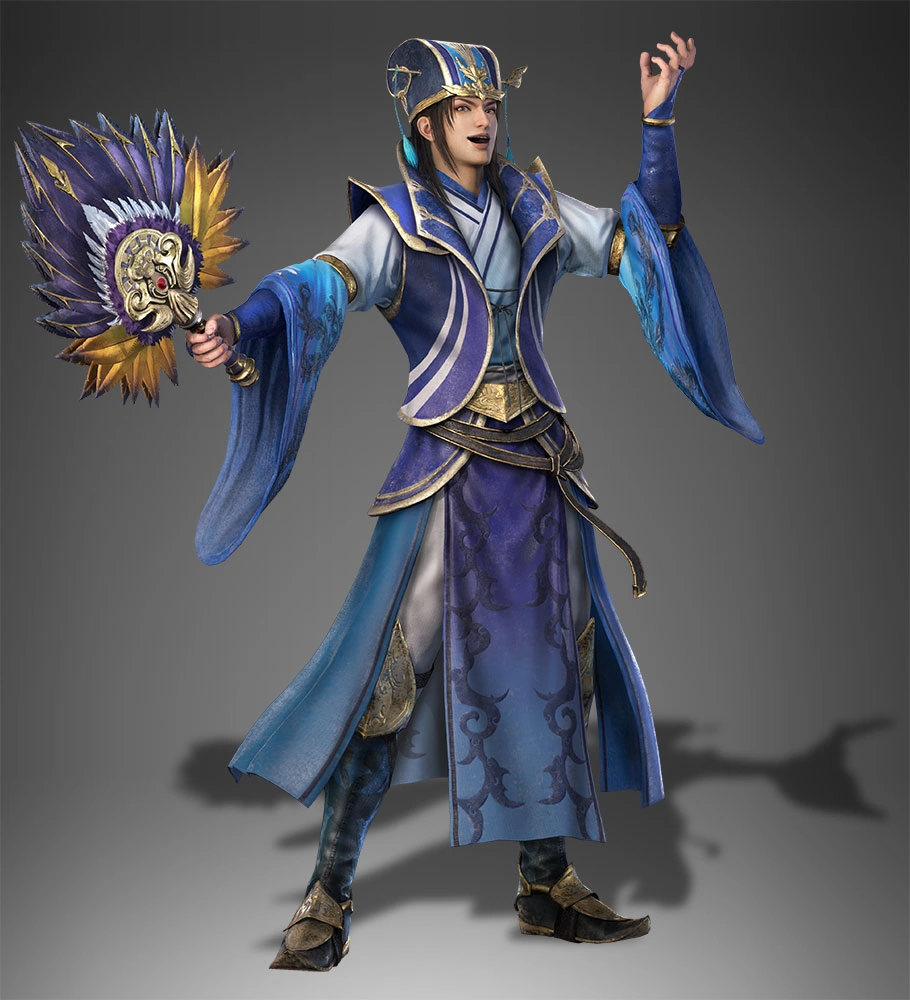
Gu Yong stood forth, saying, "There is only one man fit to cope with the present need: He is Lu Xun."
So Lu Xun was summoned and made Grand Commander, General Who Pacifies the North, Commander-in-Chief of all the State Armies, including the Imperial Guards, and Assistant in the Royal Duties. He was given the White Banners and the Golden Axes, which denoted imperial rank. All officers, civil and military, were placed under his orders. Moreover, Sun Quan personally stood beside him and held his whip while he mounted his steed.
Having received all these marks of confidence and favor, Lu Xun wanted two persons to be his assistants.
Sun Quan asked their names, and Lu Xun said, "They are Zhu Huan, General Who Fortifies Prowess, and Quan Zong, General Who Calms the South. These two should be in command."
Sun Quan approved and appointed Zhu Huan and Quan Zong as Left Commander and Right Commander respectively.
Then the grand army, comprising all the forces of the eighty-one counties of the South Land and the levies of Jingzhou, seven hundred thousand troops in total, was assembled and marched out in three divisions, Lu Xun in the center, with Zhu Huan and Quan Zong supporting him left and right with the other two columns.
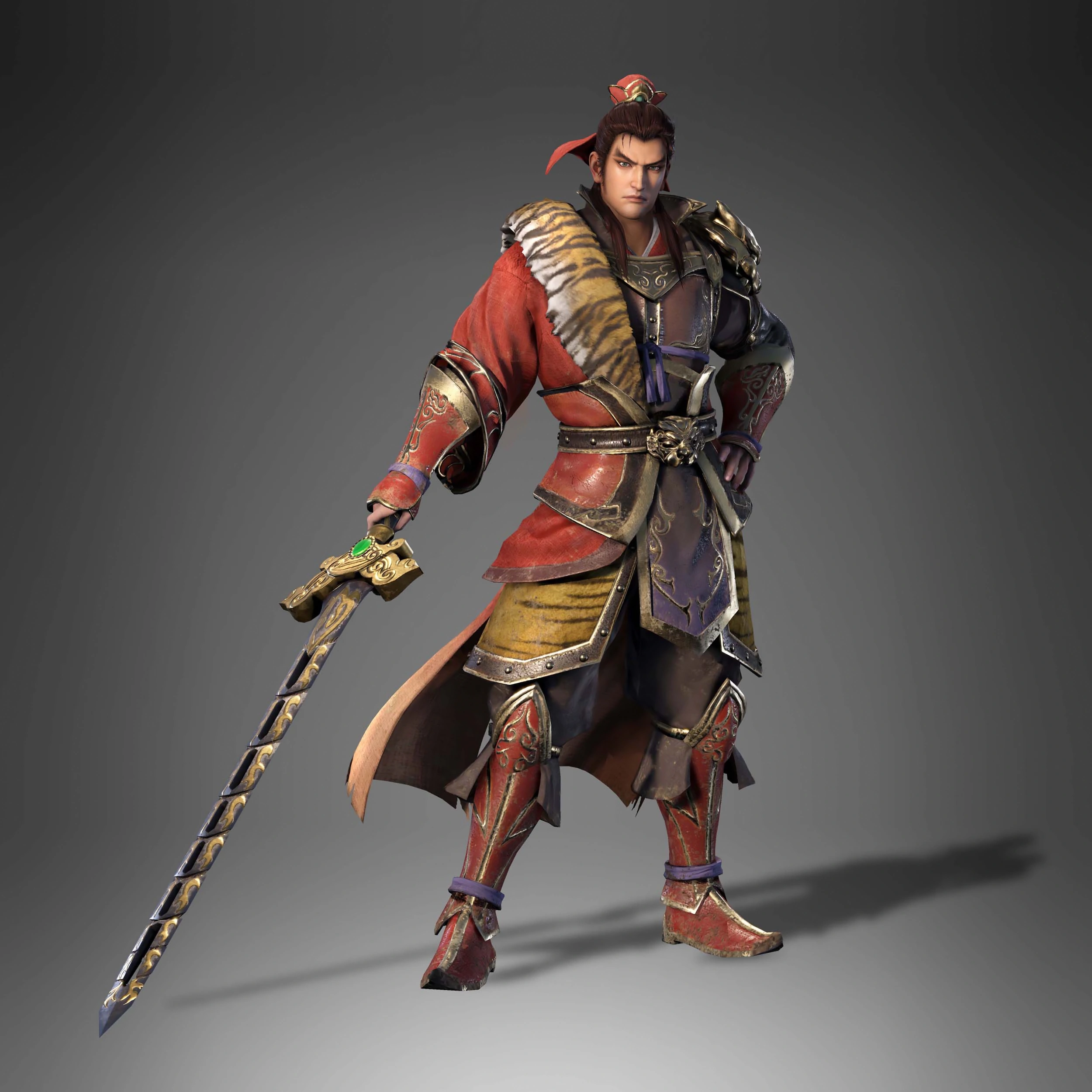
Then said Zhu Huan, "Cao Xiu is neither able nor bold. He holds office because he is of the blood. He has fallen into the trap laid by Zhou Fang and marched too far to be able to withdraw. If the Commander-in-Chief will smite, Cao Xiu must be defeated. Defeated, he must flee along two roads, one Jiashi on the left, the other Guichi on the right, both of which are precipitous and narrow. Let me and my colleague go to prepare an ambush in these roads. We will block them and so cut off their escape. If this Cao Xiu could be captured, and a hasty advance made, success would be easy and sure. We should get Shouchun, whence Xuchang and Luoyang can be seen. This is the one chance in the thousand."
"I do not think the plan good," said Lu Xun. "I have a better one."
Zhu Huan resented the rejection of his scheme and went away. Lu Xun ordered Zhuge Jin and certain others to garrison Jiangling and oppose Sima Yi and made all other dispositions of forces.
Cao Xiu neared Huancheng, and Zhou Fang came out of the city to welcome him and went to the general's tent.
Cao Xiu said, "I received your letter and the memorandum, which was most logical, and sent it to His Majesty. He has set in motion accordingly three armies. It will be a great merit for you, Sir, if the South Land can be added to His Majesty's dominions. People say you are abundant in craft, but I do not believe what they say, for I think you will be true to me and not fail."
Zhou Fang wept. He seized a sword from one of his escort and was about to kill himself, but Cao Xiu stopped him.
Still leaning on the sword, Zhou Fang said, "As to the seven things I mentioned, my regret is that I cannot show you all. You doubt me because some persons from Wu and Wei have been poisoning your mind against me. If you heed them, the only course for me is to die. Heaven only can make manifest my loyal heart."
Again he made to slay himself.
But Cao Xiu in trepidation threw his arms about him, saying, "I did not mean it. The words were uttered in jest. Why do you act thus?"
Upon this, Zhou Fang, with his sword, cut off his hair and threw it on the ground, saying, "I have dealt with you with sincerity, Sir, and you joke about it. Now I have cut off the hair, which I inherited from my parents, in order to prove my sincerity."
Then Cao Xiu doubted no more, but trusted him fully and prepared a banquet for him, and when the feast was over Zhou Fang returned to his own.
General Jia Kui came to Cao Xiu, and when asked whether there was any special reason for the visit, he said, "I have come to warn you, Commander, to be cautious and wait till you and I can attack the enemy together. The whole army of Wu is encamped at Huancheng."
"You mean you want to share in my victory," sneered Cao Xiu.
"It is said Zhou Fang cut off his hair as a pledge of sincerity. That is only another bit of deceit. According to the Spring and Autumn Annals, Yao Li cut off his arm as a pledge of loyalty before he assassinated Prince Qing Ji. Mutilation is no guarantee. Do not trust Zhou Fang."
"Why do you come to utter ill-omened words just as I am opening the campaign? You destroy the spirit of the army!" said Cao Xiu.
In his wrath he told the lictors to put Jia Kui to death.
However, the officers interceded, saying, "Before the march, killing our general is not favorable to the army. O Commander, spare him until after the expedition!"
And Jia Kui was reprieved. But he was not assigned any part in the campaign, and his troops were left in reserve. Cao Xiu himself went away to the East Pass.
When Zhou Fang heard that Jia Kui had been broken, he rejoiced in his heart, saying, "If Cao Xiu had attended to his words, then Wu would have lost. Heaven is good to me and is giving me the means of achieving great things."
Then he sent a secret messenger to Huancheng, and Lu Xun knew that the time had come. He assembled the officers for orders.
Lu Xun said, "Shiding, lying over against us, is a hilly country fit for preparing an ambush. It will be occupied as suitable to array our army and await the coming of Wei. Xu Sheng is to be Leader of the Van, and the army will move there."
Now Cao Xiu told Zhou Fang to lead the way for his attack. While on march, Cao Xiu asked, "What is the place lying ahead?"
Zhou Fang replied, "Shiding, a suitable place to camp in."
So a great camp was made there.
But soon after the scouts reported, "Wu soldiers, unknown in number, have camped among the hills."
Cao Xiu began to feel alarmed, saying, "Zhou Fang said there were no soldiers. Why these preparations?"
Cao Xiu hastily sought Zhou Fang to ask him, but was told, "Zhou Fang has gone away with a few dozen riders. No one knows whither."
"I have been deceived and am in a trap," said Cao Xiu, now very repentant of his easy confidence. "However, there is nothing to fear."
Then he made his arrangements to march against the enemy, and when they were complete and the array drawn up, Zhang Pu, the Leader of the Van, rode out and began to rail at the men of Wu.
"Rebel leader, come and surrender!" cried Zhang Pu.
Then rode out Xu Sheng and fought with him. But Zhang Pu was no match for Xu Sheng, as was soon evident, wherefore he led his troops to retire.
"Xu Sheng is too strong," said Zhang Pu when he saw Cao Xiu.
"Then will we defeat him by a surprise," said Cao Xiu.
He sent Zhang Pu with twenty thousand troops to hide in the south of Shiding, while another equal party under Xue Qiao was sent north.
And Cao Xiu arranged, saying, "Tomorrow I will lead a thousand soldiers to provoke the troops of Wu into battle, then I will feign defeat and lead them to the hills in the north, when a bomb will explode and a three-pronged ambush will bring us victory."
On the other side Lu Xun called his two generals, Zhu Huan and Quan Zong, and said, "Each of you is to lead thirty thousand troops and take a cross cut from Shiding to the enemy's camp. Give a fire signal behind the camp on arrival, and then the main army will advance to the camp's front for a double attack."
As evening fell these two moved out their troops, and by the middle of the second watch both had got behind the camp of Wei. Due to darkness, Zhang Pu, Cao Xiu's general, who was there in ambush, did not recognize that the troops who approached him were enemies, but went as to meet friends and was at once slain by the blade of Zhu Huan. The soldiers of Wei then fled, and Zhu Huan lit his signal fires.
Quan Zong, marching up, came across the northern ambush under Xue Qiao. Quan Zong began a battle at once, and the troops of Wei were soon put to flight. Both the armies of Wu pursued, and confusion reigned in Cao Xiu's camp, troops fighting with others of their own side and slaying each other.
Cao Xiu despaired and fled toward Jiashi. Xu Sheng, with a strong force, came along the high road and attacked. And the soldiers of Wei killed were very many. Those who escaped did so by abandoning all their armors.
Cao Xiu was in straits, but he struggled along the Jiashi Road. Here came a cohort into the road from the side. It was led by Jia Kui. Cao Xiu's alarm gave place to shame on meeting Jia Kui.
"I took no notice of what you said, and so this evil came upon me," said he.
Jia Kui replied, "Commander, you should quickly get out of this road. For if the troops of Wu block it, we shall be in grave danger."
So Cao Xiu hastened, while Jia Kui protected his retreat. And Jia Kui ordered his soldiers to set flags and banners up among trees and in thickets and along by-paths, so as to give an impression of having many men posted all round. Wherefore when Xu Sheng came in pursuit, he thought the country was full of ambushing men and dared not proceed far. So he gave up the pursuit and retired.
By these means Cao Xiu was rescued, and finally Sima Yi withdrew his army upon the news of Cao Xiu's defeat.
In the meantime, Lu Xun was awaiting news of victory. Soon Xu Sheng, Zhu Huan, and Quan Zong came and reported their successes, and they brought great spoil of carts and bullocks, horses and mules, and military material and weapons. And they had also ten thousand prisoners. There was great rejoicing, and Lu Xun with Zhou Fang led the army home into Wu.
On their return Sun Quan, the Prince of Wu, came out with a numerous cortege of officers to welcome the victors, and an imperial umbrella was borne over the head of Lu Xun as they wended their way homeward.
When the officers presented their felicitations, Sun Quan noticed that Zhou Fang had no hair.
Sun Quan was very gracious to him, saying, "This deed of yours, and the sacrifice you made to attain it, will surely be written in the histories."
He made Zhou Fang the Lord of the Gate Within. Then there were great feastings and greetings and much revelry.
Lu Xun said, "Cao Xiu has been thoroughly beaten, and the soldiers of Wei are cowed. I think now is an occasion to send letters into Shu to advise Zhuge Liang to attack Wei."
Sun Quan agreed, and letters were sent to the River Lands.
The east, successful in one fight,
Would unto war the west incite.
The next chapter will say if Zhuge Liang once more tried to overcome Wei.
-
Wikipedia entry Bio
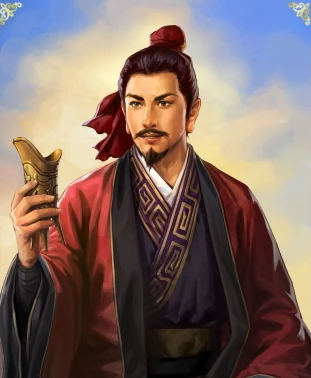
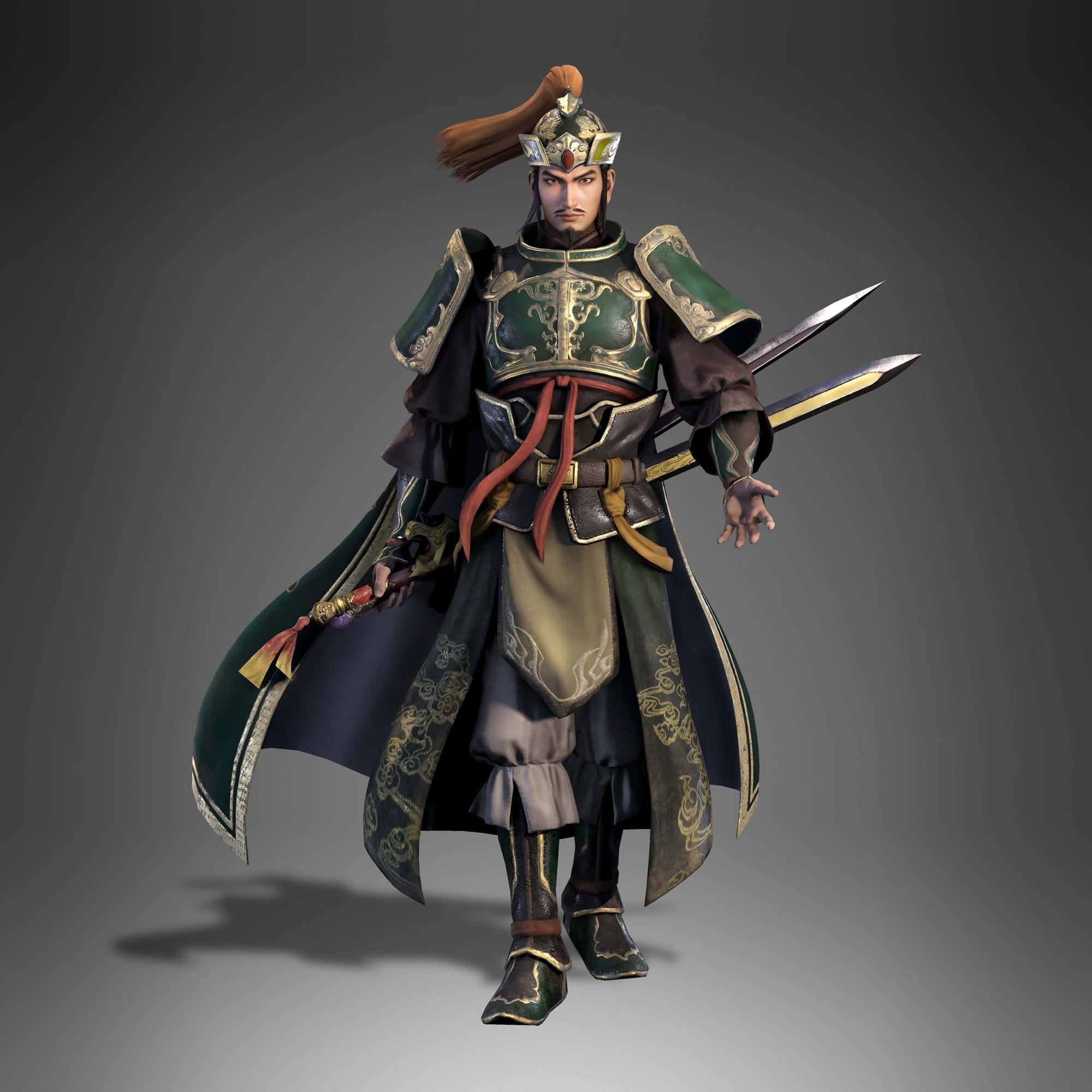
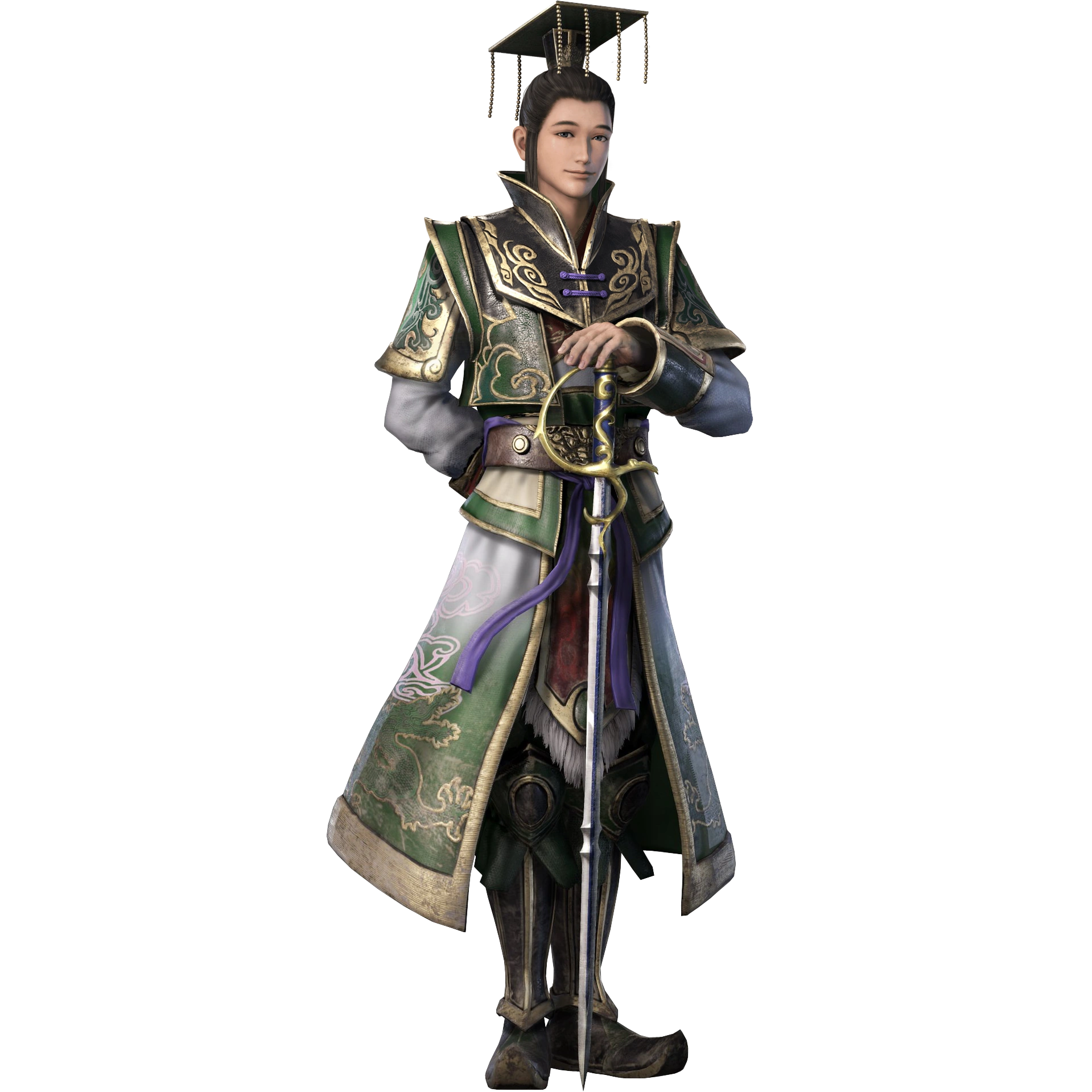
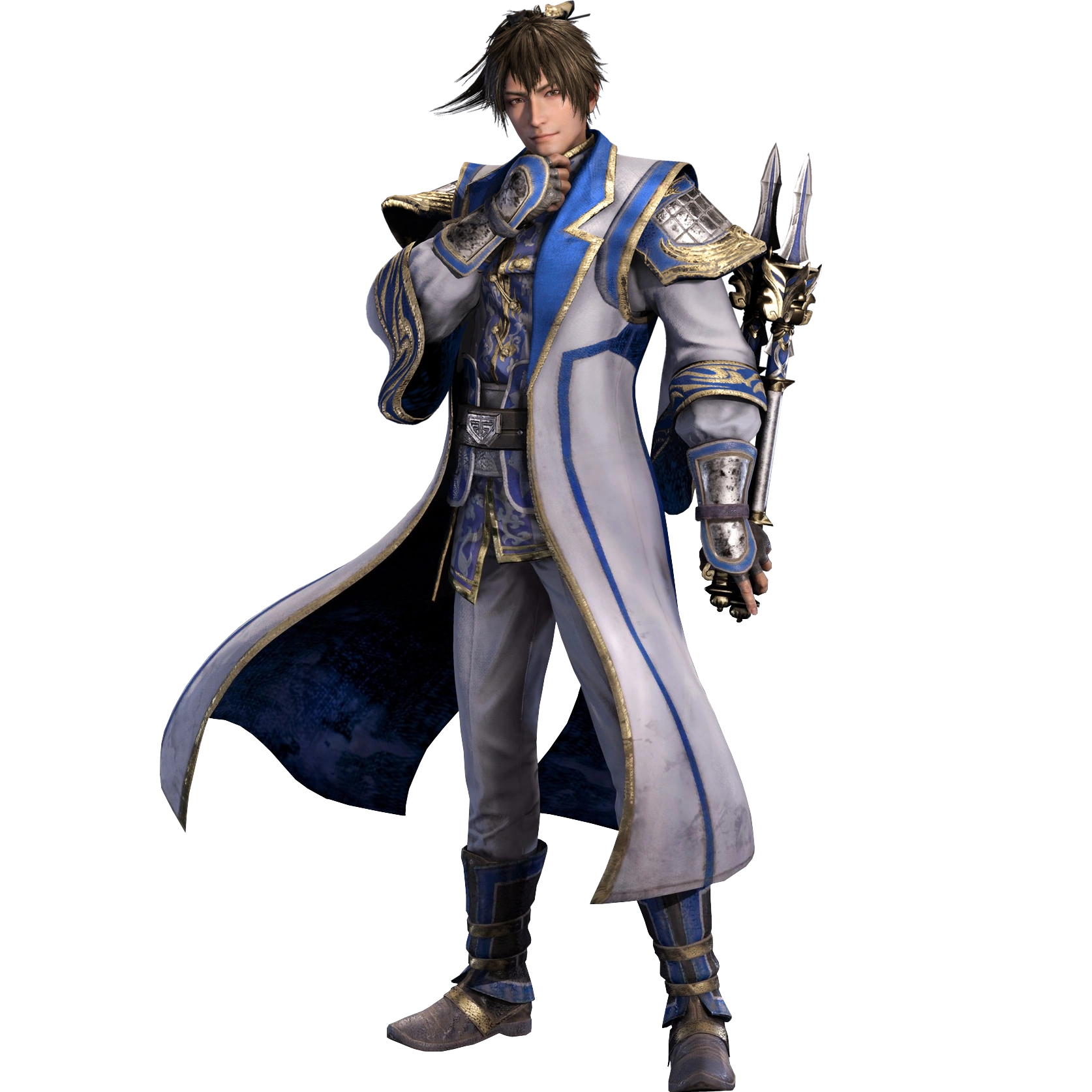
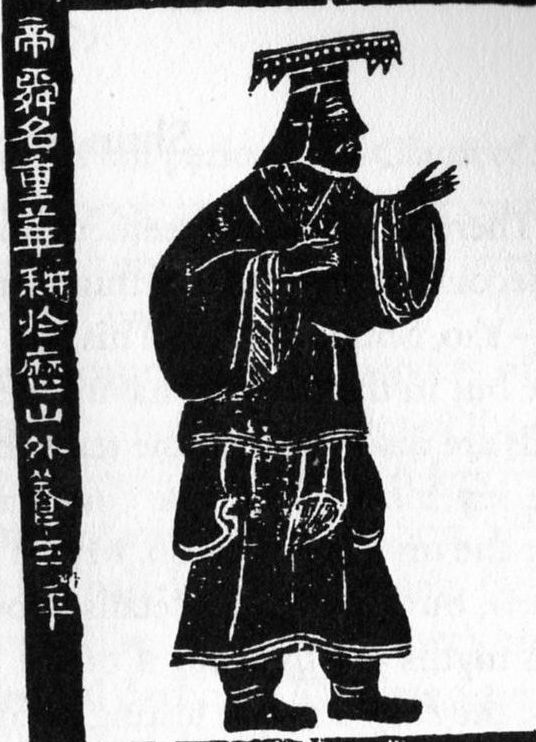
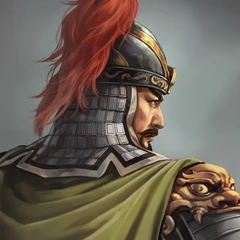
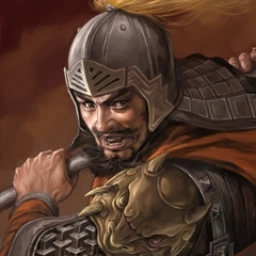
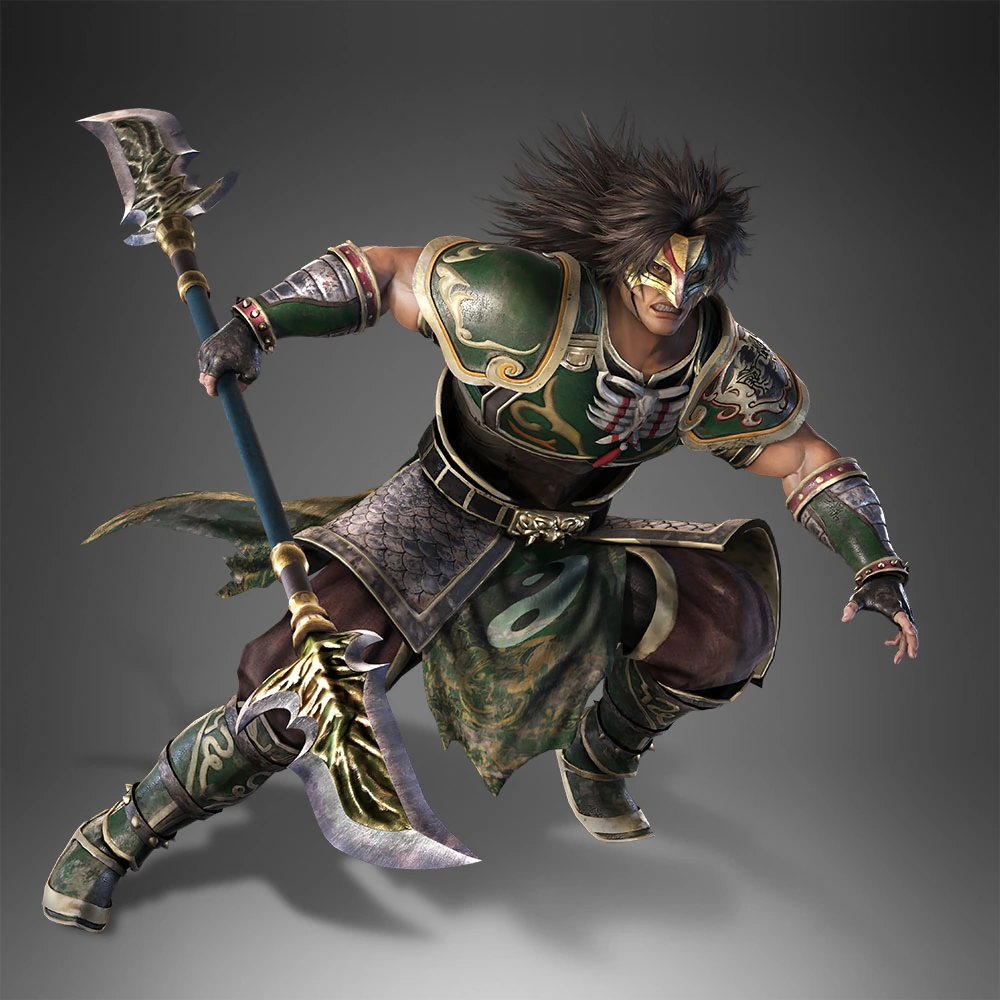
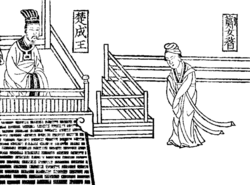
|
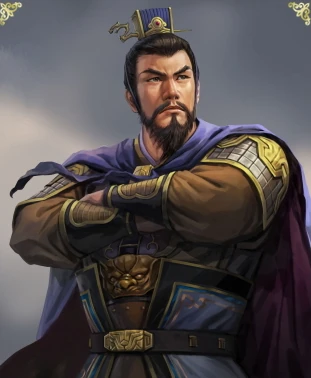
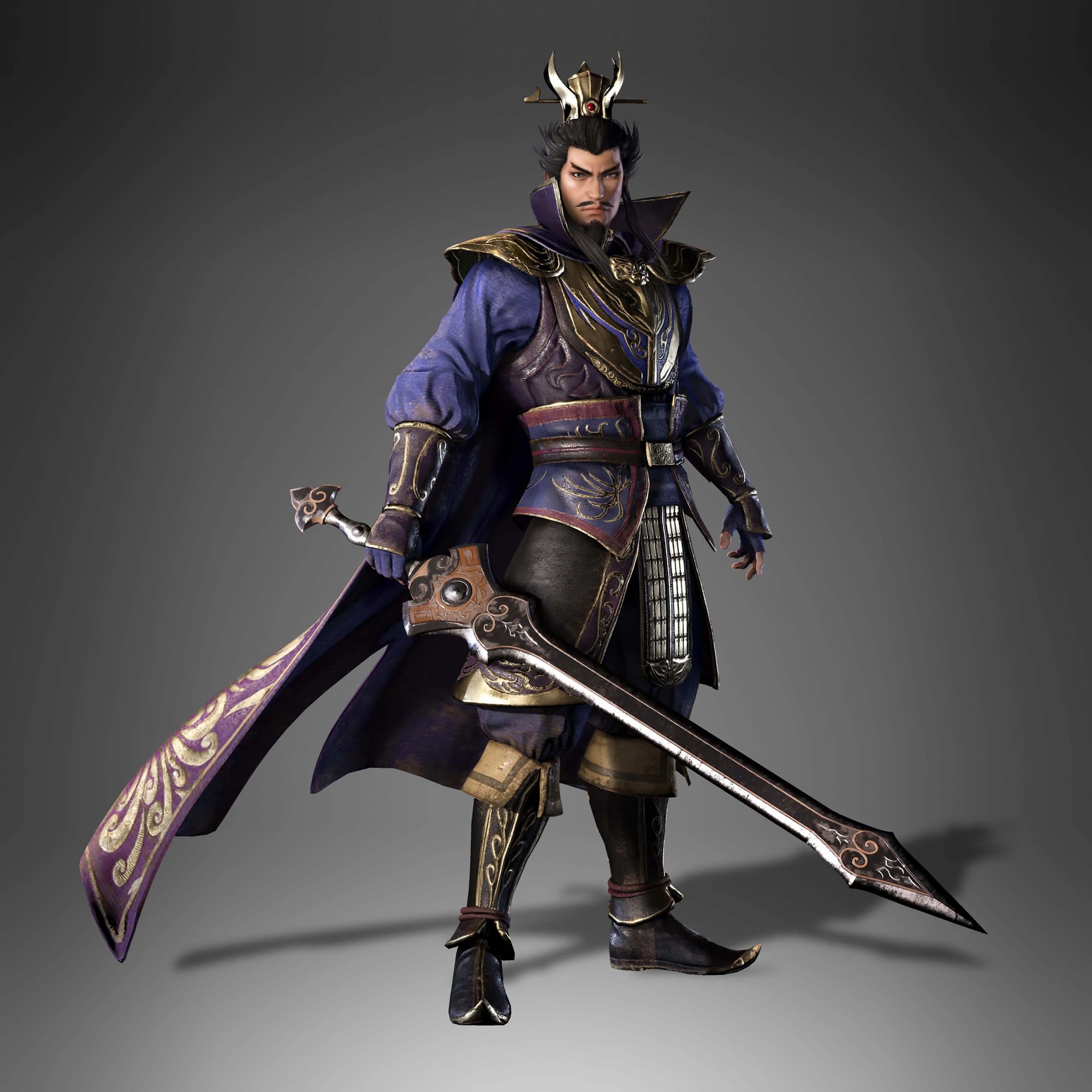
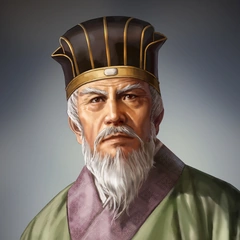
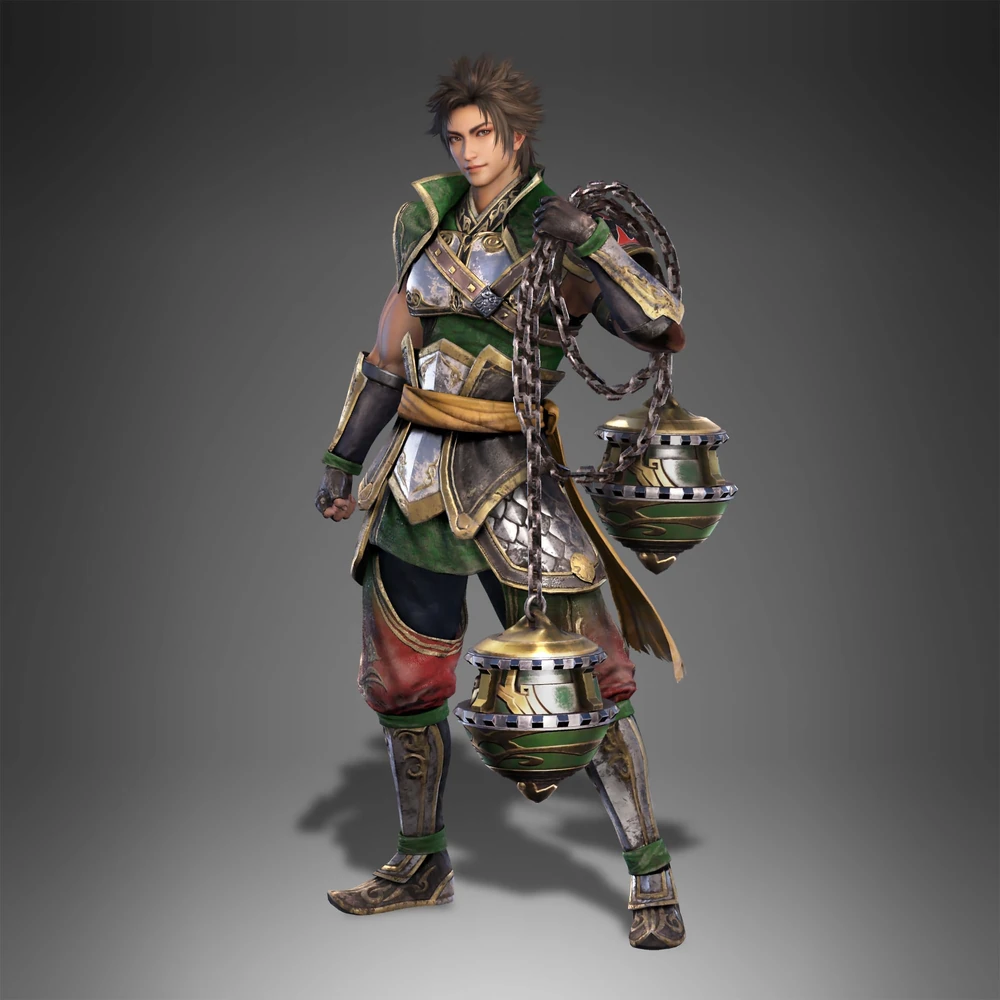
Cao Cao
Named in Sun Zu's opening argument as the authority for leaving Shu alone — 'When your great progenitor, Emperor Cao, first got Zhang Lu, he was at a critical stage in his career… He used to say the land of Nanzheng is really a natural hell.'
1 mention in this chapter
2543 mentions in the book
|
|
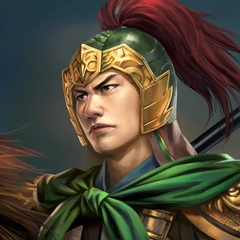
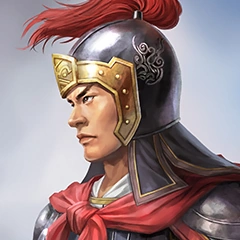
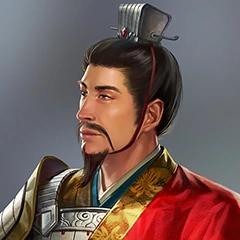
Cao Rui
Adopts Sun Zu's defensive strategy, rewards the army and returns to Luoyang. Promotes Hao Zhao to hold Chencang on Sima Yi's recommendation. Reads Zhou Fang's seven-point memorandum on the couch with Sima Yi, hears Jia Kui's objection, and splits the difference by sending them both — 'You and Jia Kui might both go to the help of Cao Xiu' — which is how the one man who saw through it ends up placed to rescue the man who didn't.
9 mentions in this chapter
166 mentions in the book
|
|
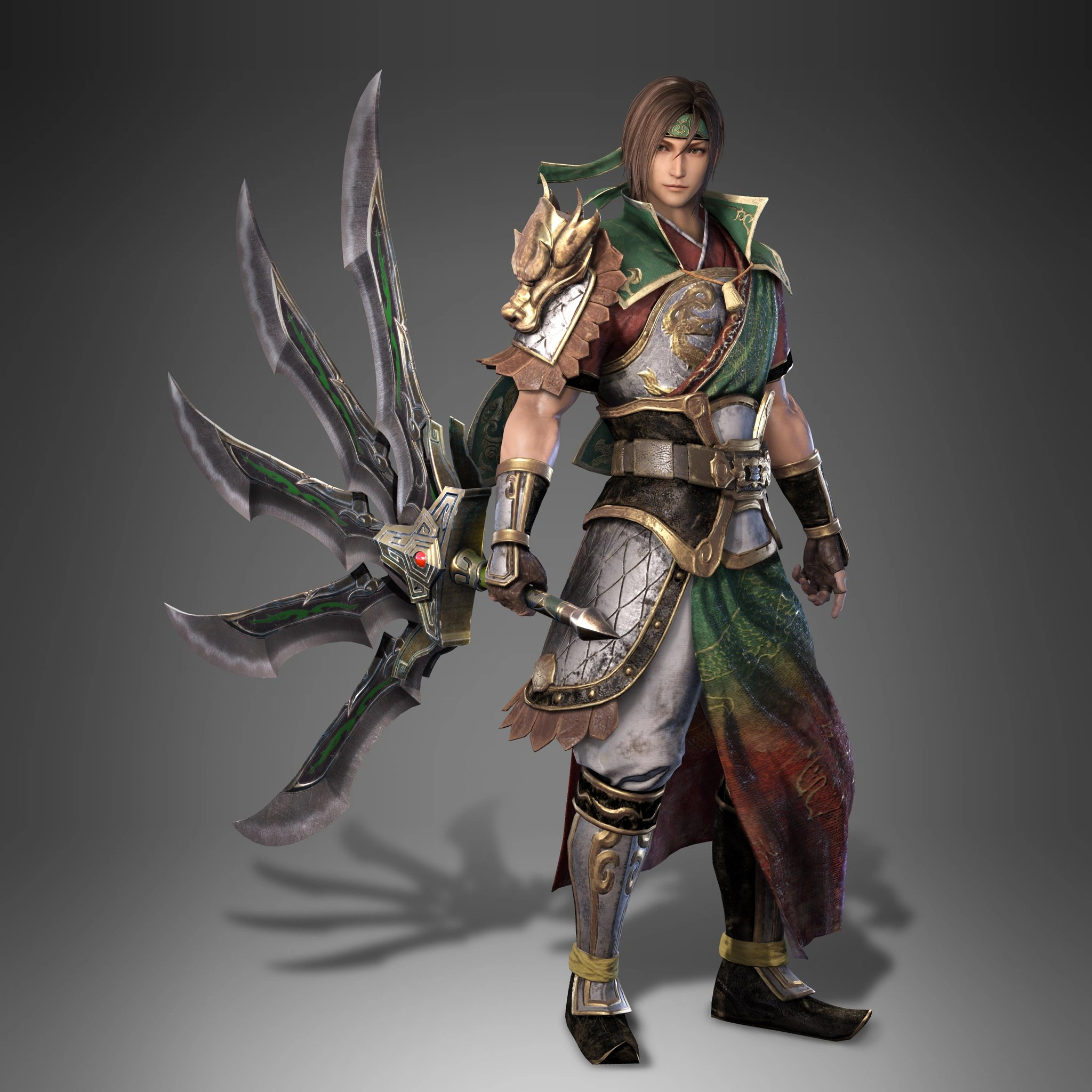
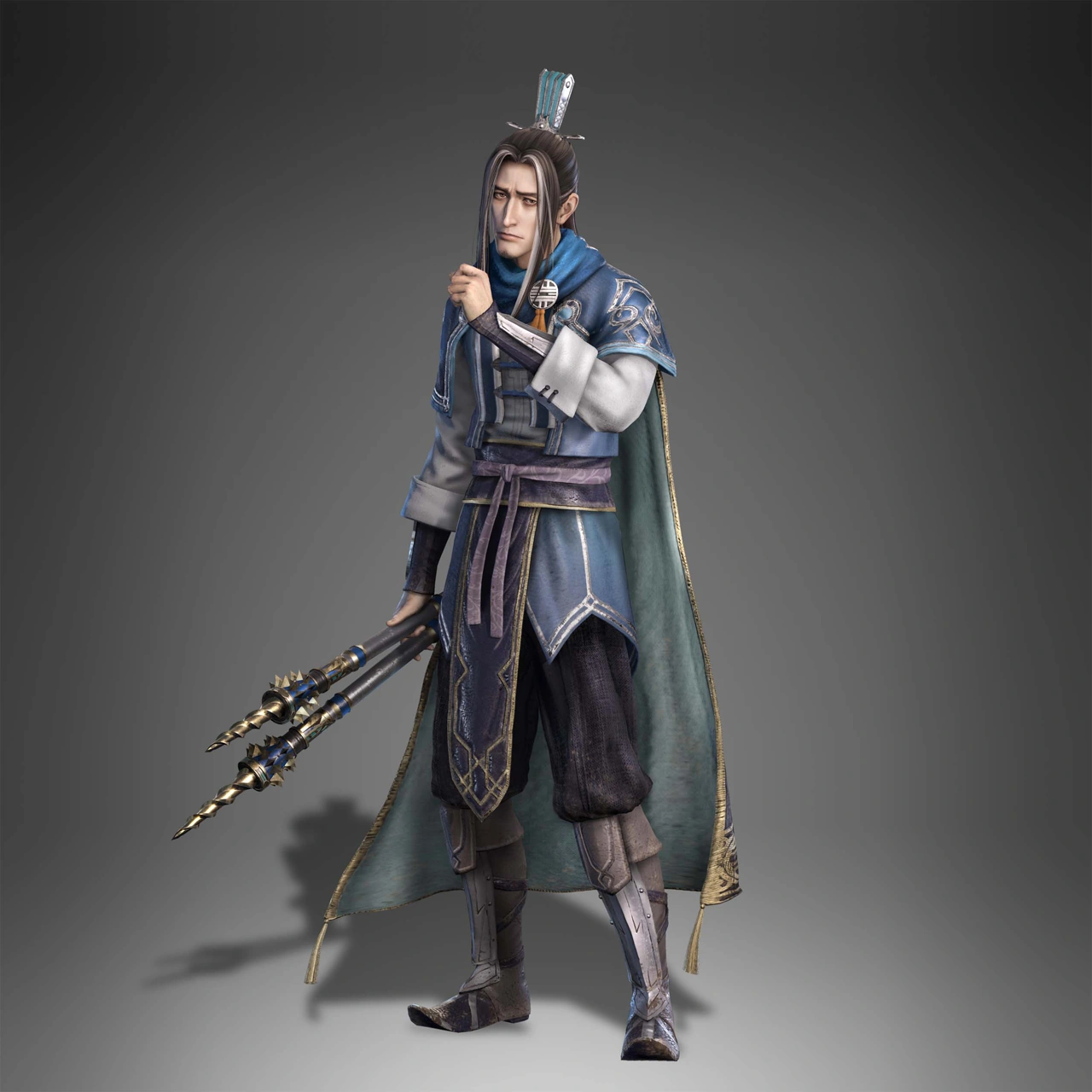
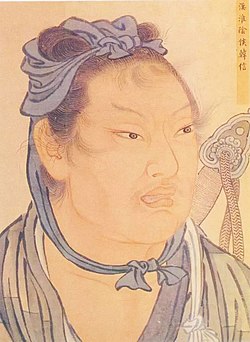
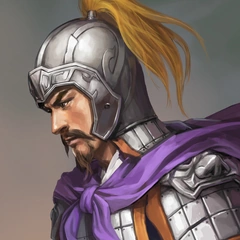
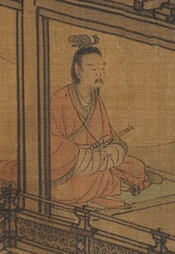
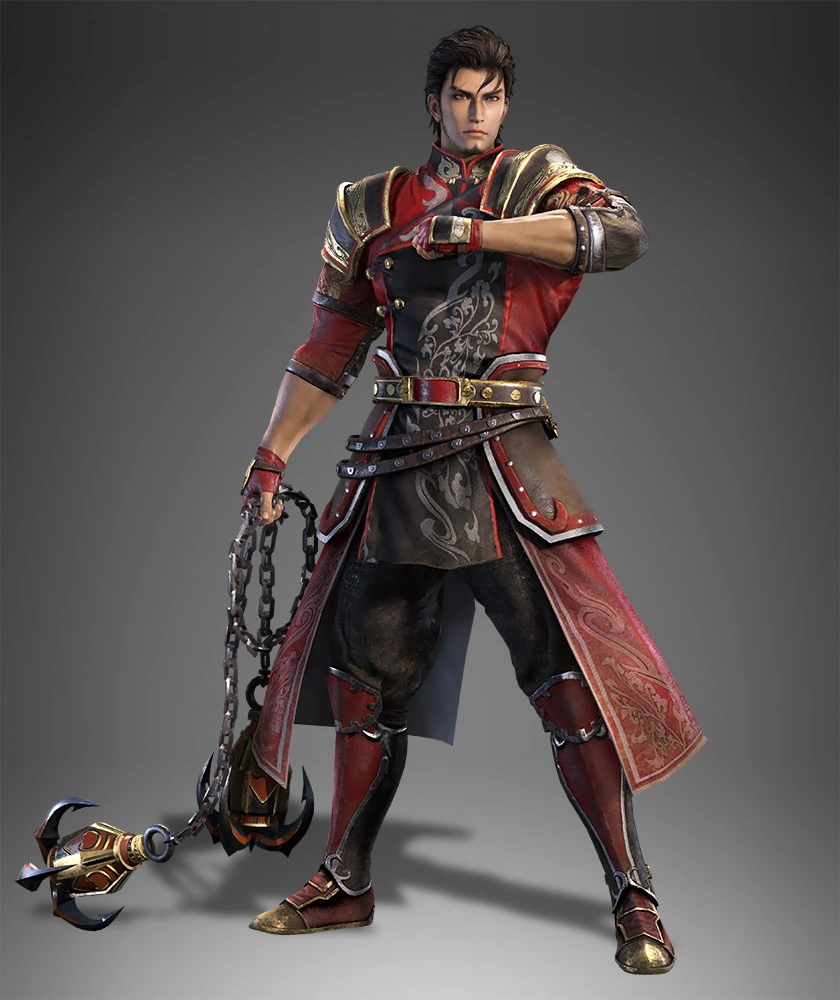
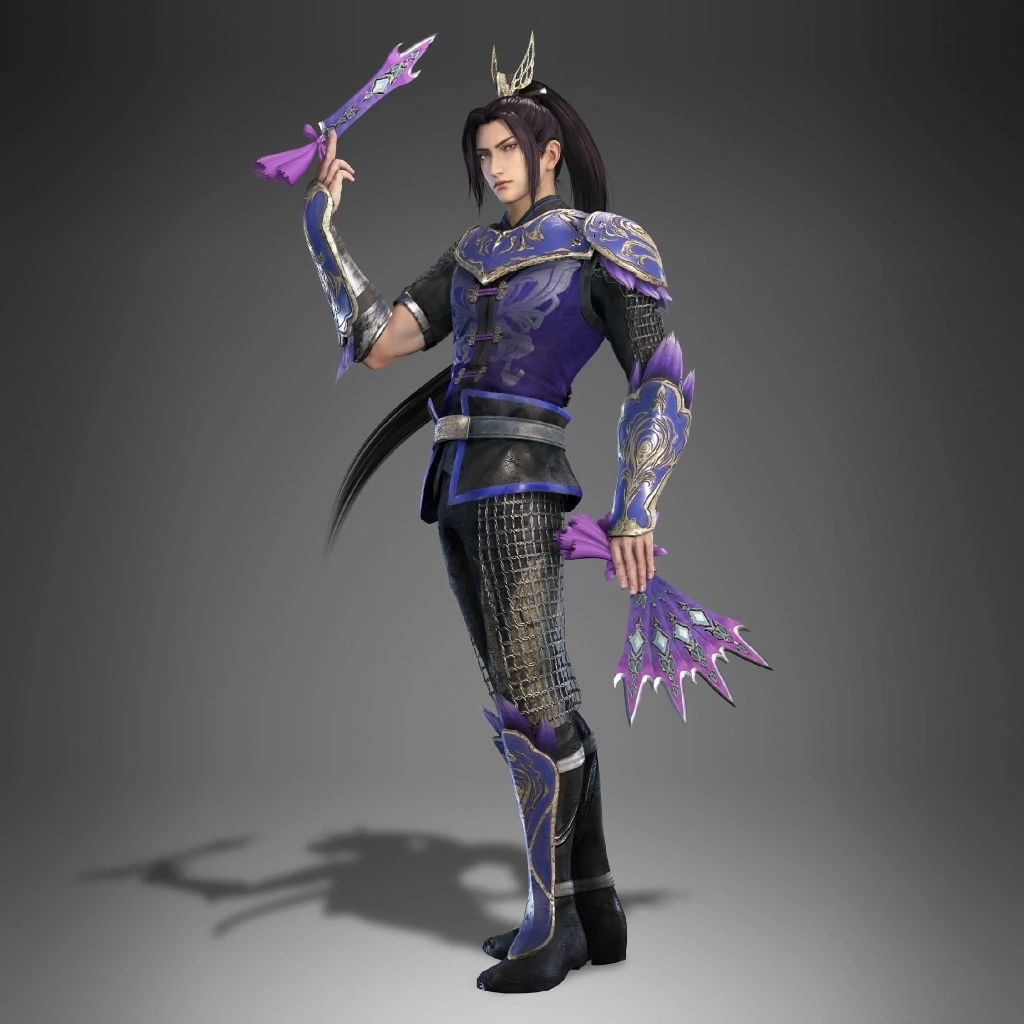
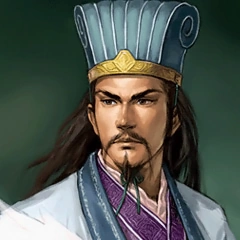
Cao Xiu
Forwards Zhou Fang's seven-point memorandum to the throne, tells Zhou Fang to his face that 'People say you are abundant in craft, but I do not believe what they say', and is talked out of every doubt by the hair-cutting. Threatens Jia Kui with execution for warning him, sidelines him, and marches to Shiding on Zhou Fang's own recommendation of the ground. Discovers the trap only when Zhou Fang has ridden off with a few dozen men — 'I have been deceived and am in a trap' — sets a three-pronged ambush that Zhu Huan and Quan Zong walk in behind, and flees down the Jiashi road to be rescued by the man he almost killed: 'I took no notice of what you said, and so this evil came upon me.'
36 mentions in this chapter
63 mentions in the book
|
|
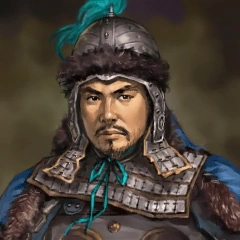
Cheng Dechen
The Chu minister in Jiang Wan's plea, put to death by his king after a defeat — to the open delight of the rival he had failed against. The argument that executing able men is a gift to your enemies.
1 mention in this chapter
1 mention in the book
|
|
Deng Zhi
Returns with Zhao Zilong and gives the credit away: 'It was because friend Zhao Zilong sent me ahead, while he guarded the rear and warded off every attack. One leader he slew, and this frightened the others. Thus nothing was lost or left by the way.'
2 mentions in this chapter
55 mentions in the book
|
|
Fei Yi
Argues at court FOR the demotion — 'The ruler must enhance the majesty of the law, for without law how can people support him?' — then carries the edict into Hanzhong and tries three times to soften it. The four northwest counties: 'Success followed by failure is no success.' The acquisition of Jiang Wei: 'What injury to Wei was the loss of Jiang Wei?' A hundred thousand veterans for another attack: the defect was leadership, not numbers. All three rebuffed, and he acknowledges the aptness of it.
6 mentions in this chapter
45 mentions in the book
|
|
Gao Xiang
One of the four leaders called to render account for Jieting. Otherwise appears only within Wang Ping's testimony — met on the road to Liliu, party to the failed night raid to retake Jieting, and hemmed in with Wei Yan until Wang Ping came back for them.
3 mentions in this chapter
20 mentions in the book
|
|
Gu Yong
Answers Sun Quan's call for advice with one name and no hedging: 'There is only one man fit to cope with the present need: He is Lu Xun.'
1 mention in this chapter
19 mentions in the book
|
|
Guan Xing
Guan Xing; with the expedition.
1 mention in this chapter
127 mentions in the book
|
|
Guo Huai
Left with Zhang He to garrison Changan under Sun Zu's holding strategy while Cao Rui returns to Luoyang.
1 mention in this chapter
106 mentions in the book
|
|
Han Xin
Named by Sima Yi as the model he expects Zhuge Liang to copy — 'Zhuge Liang shall imitate Han Xin who secretly crossed the river into Chencang' — which is why Chencang gets a garrison and a commander before the second expedition has begun.
1 mention in this chapter
13 mentions in the book
|
|
Hao Zhao
Recommended by Sima Yi and described before he is named — 'a nine-span man, round shouldered and powerful, a good archer and prudent strategist', in command at Hexi. Promoted to General Who Guards the West and sent to fortify Chencang against the invasion nobody has launched yet. The only promotion in the chapter, and the reason chapter 97 goes the way it does.
2 mentions in this chapter
29 mentions in the book
|
|
Hu Zhi
Governor of Dongwan, marching with Jia Kui and Man Chong in the second of Wei's three columns to take Yangcheng and face the East Pass.
1 mention in this chapter
1 mention in the book
|
|
Ji Chong'er
The rival who 'rejoiced' when the King of Chu executed Cheng Dechen — the beneficiary in Jiang Wan's argument against killing Ma Su.
1 mention in this chapter
8 mentions in the book
|
|
Jia Kui
Right twice and punished for it. Warns at court that Zhou Fang's submission 'may be understood in two ways' and that a man so wise and crafty is very unlikely to desert. Sent along anyway, he rides to Cao Xiu's camp to warn him again, meets the sneer 'You mean you want to share in my victory', and answers with the precedent that exactly fits: Yao Li cut off his own arm as a pledge of loyalty before assassinating Prince Qing Ji — 'Mutilation is no guarantee.' Cao Xiu orders him put to death for ill-omened words; the officers get him reprieved, but his troops are left in reserve. He then saves the man who sidelined him, meeting the rout on the Jiashi road and covering it by planting flags and banners through the trees and by-paths until Xu Sheng takes the country for full of ambushes and calls off the pursuit.
13 mentions in this chapter
18 mentions in the book
|
|
Jiang Wan
Arrives from Chengdu in time to stop the executioners at the gate and intercede — the precedent of the King of Chu putting Cheng Dechen to death after a defeat, to his rival Duke Wen of Jin's delight, and the argument that a man of admitted ability should not be killed amid such confusion. Refused. Asks afterwards why Zhuge Liang weeps for a man who met a just penalty, and gets the answer about the First Ruler's warning. Then carries the self-demotion memorial to Chengdu.
3 mentions in this chapter
25 mentions in the book
|
|
Jiang Wei
Named once, and only as a thing Fei Yi thinks worth congratulating Zhuge Liang on — and is snapped at for: 'What injury to Wei was the loss of Jiang Wei?'
2 mentions in this chapter
443 mentions in the book
|
|
Liu Bei
Dead, and quoted twice as the better judge of men. On Zhao Zilong: 'When the First Ruler lived, he never tired of extolling Zhao Zilong's virtues. The First Ruler was perfectly right.' And on Ma Su, the warning at Baidicheng that Zhuge Liang ignored and now weeps over — 'Ma Su's words exceed his deeds. Do not make much use of him.'
3 mentions in this chapter
1978 mentions in the book
|
|
Liu Shan
Reads the self-demotion memorial and tries to wave it away — 'Why does the Prime Minister speak thus? It is but the ordinary fortune of war' — and is talked round by Fei Yi. Issues the edict reducing Zhuge Liang to General of the Right Army while leaving him in charge of state affairs and the armies, which is a demotion in name only.
2 mentions in this chapter
254 mentions in the book
|
|
Lu Xun
Nominated by Gu Yong as the only man fit for it and invested past the point of ceremony: Grand Commander, General Who Pacifies the North, Commander-in-Chief of all the State Armies including the Imperial Guards, Assistant in the Royal Duties, given the White Banners and Golden Axes of imperial rank, with every officer civil and military under him — and Sun Quan personally holding his whip while he mounted. Asks for Zhu Huan and Quan Zong, takes seven hundred thousand out in three divisions, REJECTS Zhu Huan's plan to block the Jiashi and Guichi roads in favour of his own, occupies Shiding, and sends his two commanders round behind the Wei camp for a double attack. Comes home under an imperial umbrella and immediately proposes writing to Shu to set Zhuge Liang moving again.
14 mentions in this chapter
127 mentions in the book
|
|
Ma Su
Comes bound and throws himself down at the tent door. Zhuge Liang's charge is that he knew the books thoroughly, pledged his whole family, and would not listen to Wang Ping. His plea is a precedent — 'remember how King Shun employed Yu, after executing Yu's father' — and a promise: 'Though I die, I will harbor no resentment down in the depths of the Nine Golden Springs.' Answered with 'We have been as brothers, and your children shall be as my own.' Dies at thirty-nine, in the fifth month of the sixth year of Beginning Prosperity; his head is paraded round the camps, then sewn back to the body for burial, with sacrifices, an oration, and a monthly allowance for his family.
11 mentions in this chapter
56 mentions in the book
|
|
Man Chong
Leads the second column: 'Jia Kui, assisted by General Man Chong and Governor Hu Zhi of Dongwan, marched to capture Yangcheng, and facing the East Pass.'
1 mention in this chapter
33 mentions in the book
|
|
Qing Ji
The prince Yao Li assassinated after cutting off his own arm to prove loyalty — the victim in the precedent Jia Kui uses to warn Cao Xiu off Zhou Fang.
1 mention in this chapter
1 mention in the book
|
|
Quan Cong
Right Commander alongside Zhu Huan (B-T spells him 'Quan Zong'). Takes thirty thousand round behind the Wei camp by the cross cut from Shiding, runs into Xue Qiao's northern ambush and routs it, and joins the pursuit that turns Cao Xiu's camp into his own men killing each other.
7 mentions in this chapter
8 mentions in the book
|
|
Shun
Invoked by Ma Su in his plea for mercy — the sage king who employed Yu after executing Yu's father, the precedent for sparing a useful man whose kin has been put to death.
1 mention in this chapter
16 mentions in the book
|
|
Sima Yi
Endorses Sun Zu's holding strategy in two words, draws up the scheme of defence and stations the troops. Judges Shu unattackable in the hot weather and prepares instead for the invasion he is sure is coming, naming Chencang and the man to hold it. Reads Zhou Fang's memorandum as reasonable and volunteers to exploit it, concedes Jia Kui's objection must also be listened to — 'Yet such a chance must not be missed' — and leads the third army against Jiangling, where Zhuge Jin holds him. Withdraws on the news of Cao Xiu's defeat without having fought.
10 mentions in this chapter
470 mentions in the book
|
|
Sun Quan
Lays out Zhou Fang's secret memorial to his officers, takes Gu Yong's recommendation, and invests Lu Xun with everything short of the throne — the White Banners and Golden Axes, command of all state armies and the Imperial Guards, every officer subordinated — then stands beside him and holds his whip while he mounts. Comes out with a full cortege to meet the victors and has an imperial umbrella carried over Lu Xun's head. Notices Zhou Fang's missing hair and makes him Lord of the Gate Within: 'This deed of yours, and the sacrifice you made to attain it, will surely be written in the histories.'
8 mentions in this chapter
603 mentions in the book
|
|
Sun Tzu
Quoted by Zhuge Liang to refuse Jiang Wan's plea for Ma Su's life, with tears already falling: 'Sun Zi maintains that the one way to obtain success is to make the law supreme. Now confusion and actual war are in every quarter. If the law be not observed, how may rebels be made away with? He must die.' The same authority Ma Su had cited on the hilltop one chapter earlier.
1 mention in this chapter
16 mentions in the book
|
|
Sun Zi
Chair of the Secretariat, and the author of the strategy that shapes the rest of the war. Opens the chapter proposing that Wei stop trying to conquer Shu and simply hold: the Xie Valley is a hundred and fifty miles of rock and cave, Nanzheng 'a natural hell' by Cao Cao's own account, and stripping the west invites Wu in from the east. Divide the army among the generals, garrison the strategic points, train, and let Shu and Wu ruin each other. Sima Yi's endorsement is two words — 'Chairman Sun Zu says well' — and Cao Rui adopts it whole.
3 mentions in this chapter
8 mentions in the book
|
|
Wang Ping
Rebuked first, exonerated by his own account. Asked why he did not prevent the disaster, he gives the whole sequence — remonstrated many times, wanted a rampart down in the road, was met with ill temper, camped three miles off with five thousand, attacked 'a score of times' to break through, went to Wei Yan for help, was trapped in a valley, found his own camp taken, met Gao Xiang on the road to Liliu, saw the night raid fail, and pulled Wei Yan and Gao Xiang out before making for Yangping Pass — and closes with the line that settles it: 'It was not that I failed to remonstrate… you can get confirmation of my words from any of the officers.' (No promotion is recorded in this chapter.)
3 mentions in this chapter
107 mentions in the book
|
|
Wei Yan
One of 'the four unfortunate leaders Ma Su, Wang Ping, Wei Yan, and Gao Xiang' called to render account, and otherwise appears only inside Wang Ping's narration of Jieting — the man he went to for help, and whom he later saw hemmed in with Gao Xiang and turned back to rescue.
3 mentions in this chapter
353 mentions in the book
|
|
Xiong Yun
The King of Chu in Jiang Wan's precedent, who put his minister Cheng Dechen to death for a defeat and thereby pleased his rival.
1 mention in this chapter
1 mention in the book
|
|
Xu Sheng
Leader of the Van. Beats Zhang Pu in single combat badly enough that he breaks off and reports 'Xu Sheng is too strong'. Comes down the high road into the rout and kills a great many, then pursues Cao Xiu toward Jiashi — until Jia Kui's planted flags make the country look full of ambushes and he turns back.
7 mentions in this chapter
58 mentions in the book
|
|
Xue Qiao
One of Cao Xiu's generals, sent north of Shiding with twenty thousand men for the three-pronged ambush. Quan Zong's column runs into him in the dark and routs him.
2 mentions in this chapter
2 mentions in the book
|
|
Yao Li
Jia Kui's counter-precedent to the hair-cutting: 'According to the Spring and Autumn Annals, Yao Li cut off his arm as a pledge of loyalty before he assassinated Prince Qing Ji. Mutilation is no guarantee.' Exactly right, and exactly what gets him nearly executed.
1 mention in this chapter
1 mention in the book
|
|
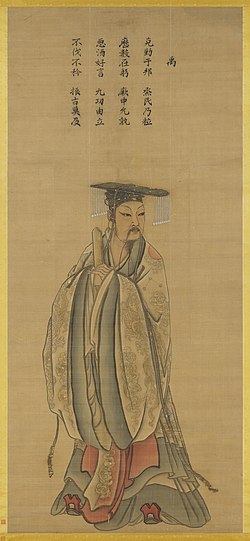
Yu the Great
The other half of Ma Su's precedent — the son King Shun employed after executing his father, offered as the reason Zhuge Liang might spare him and use him still.
2 mentions in this chapter
25 mentions in the book
|
|
Zhang Bao
1 mention in this chapter
92 mentions in the book
|
|
Zhang He
Left with Guo Huai to garrison Changan under the new defensive posture.
1 mention in this chapter
232 mentions in the book
|
|
Zhang Lu
Zhang Lu; named in passing.
1 mention in this chapter
83 mentions in the book
|
|
Zhang Pu
Cao Xiu's Leader of the Van. Rides out to rail at the Wu line — 'Rebel leader, come and surrender!' — is outfought by Xu Sheng and withdraws, then is posted with twenty thousand in the southern ambush at Shiding. In the dark he takes Zhu Huan's approaching column for friends, goes out to meet them, and is killed on the spot.
6 mentions in this chapter
6 mentions in the book
|
|
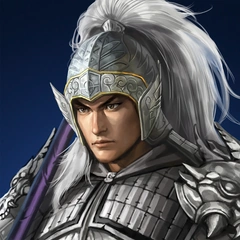
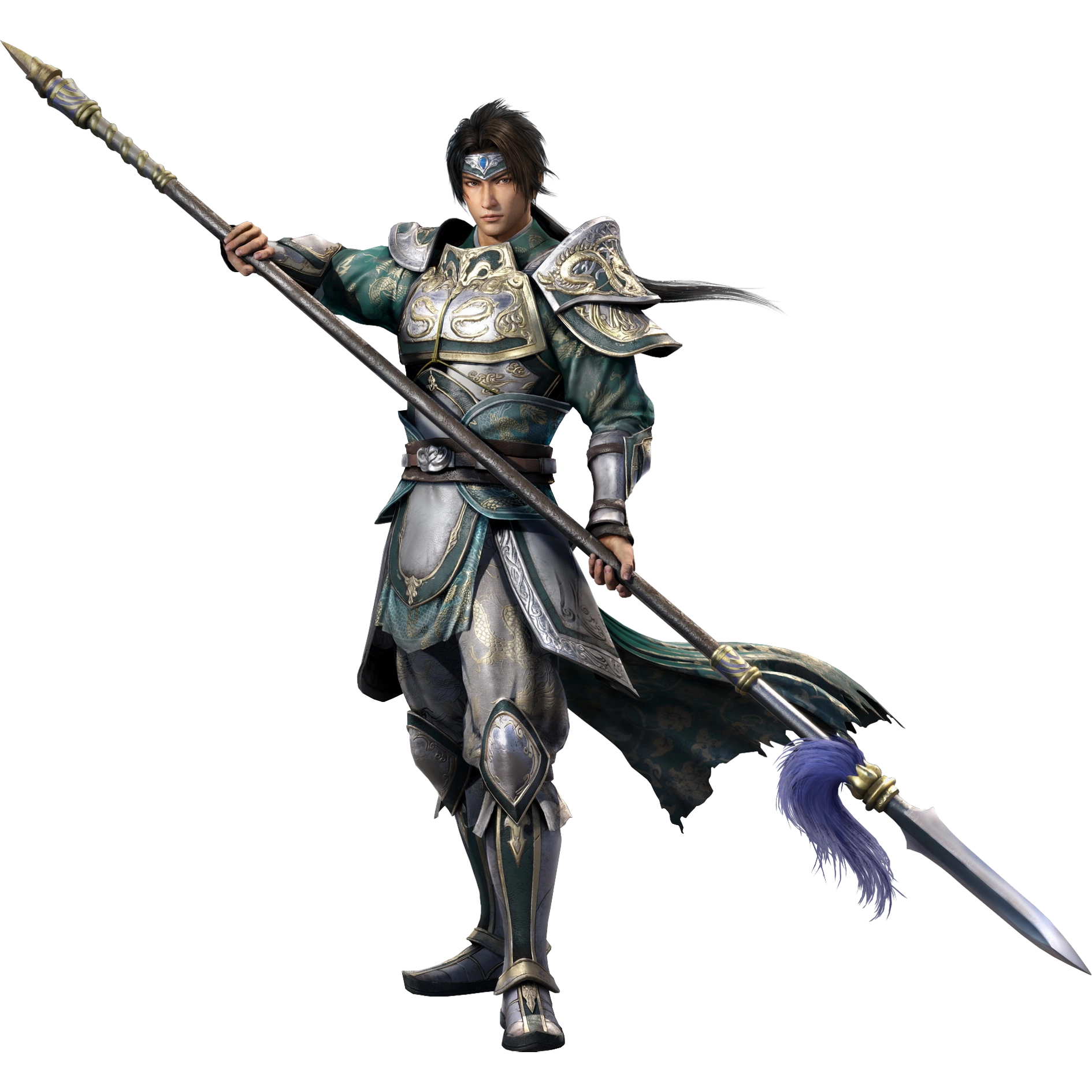
Zhao Yun
Comes home with his army 'in excellent condition and not a man short, nor a horse nor any of their equipment' — the one clean result of the campaign — and refuses to be congratulated for it, dismounting to bow and call himself a defeated general. Then refuses the reward too: fifty ounces of gold and ten thousand rolls of silk sent back with the argument that the armies accomplished nothing, the rules for reward and punishment must be strictly kept, and the goods should be stored until winter and distributed to the troops. Zhuge Liang's answer is the First Ruler's verdict — 'he never tired of extolling Zhao Zilong's virtues. The First Ruler was perfectly right' — and his respect for the veteran is doubled.
6 mentions in this chapter
475 mentions in the book
|
|
Zhou Fang
The chapter's centrepiece and the most theatrical deception in the novel. Governor of Poyang, he offers his submission to Cao Xiu with a memorandum under seven headings on how to break the South Land. When Cao Xiu repeats the rumour of his craftiness, Zhou Fang weeps, seizes a sword from an escort and twice tries to kill himself — and when stopped, cuts off his hair instead and throws it on the ground: 'I have dealt with you with sincerity, Sir, and you joke about it. Now I have cut off the hair, which I inherited from my parents, in order to prove my sincerity.' Rejoices privately when Jia Kui is broken — 'Heaven is good to me' — names Shiding as the place to camp, then rides off with a few dozen men. Sun Quan notices the missing hair at the victory feast and makes him Lord of the Gate Within.
21 mentions in this chapter
21 mentions in the book
|
|
Zhu Huan
Left Commander, and the man whose better plan is thrown away. Reads Cao Xiu exactly — 'neither able nor bold. He holds office because he is of the blood' — and proposes blocking the two narrow escape roads, Jiashi and Guichi, to take him alive and roll on to Shouchun, 'the one chance in the thousand'. Lu Xun answers 'I do not think the plan good', and Zhu Huan resents the rejection and walks away. Executes the plan he was given anyway: gets behind the Wei camp by the second watch, kills Zhang Pu — who mistakes his column for friends in the dark — and lights the signal fire.
9 mentions in this chapter
17 mentions in the book
|
|
Zhuge Jin
Given Jiangling to garrison against Sima Yi's column — the holding assignment that lets Lu Xun commit everything else to Shiding.
1 mention in this chapter
68 mentions in the book
|
|
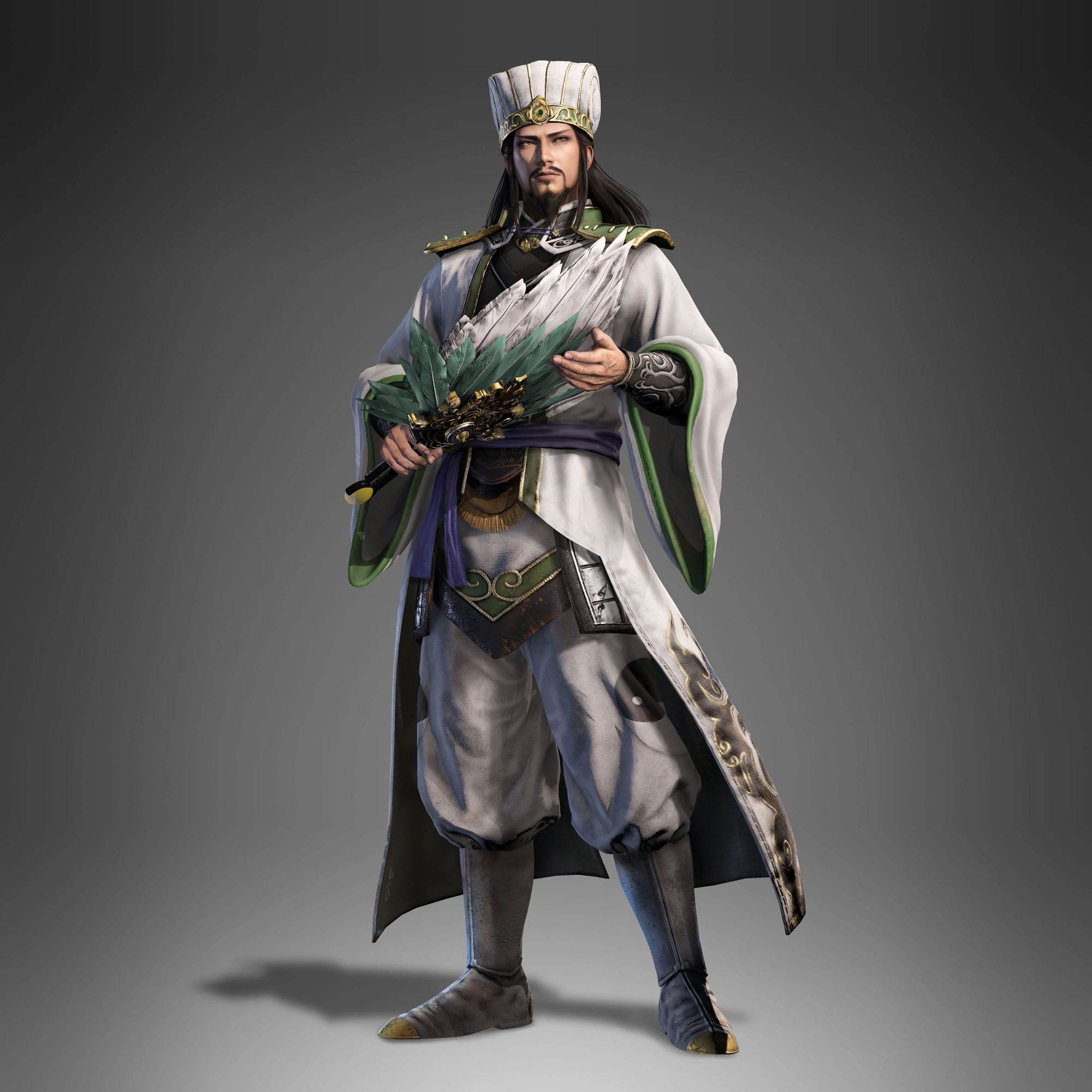
Zhuge Liang
Three scenes of a man taking the blame. Goes out of the city to meet the returning Zhao Zilong and, when the veteran says a defeated general should not be welcomed, lifts him up: 'Mine was the fault. Mine were the ignorance and unwisdom that caused all this.' Then the execution — angry with Ma Su, tearful with Jiang Wan, and finally weeping in a way he has to explain: not for Ma Su, but because the First Ruler warned him at Baidicheng that 'Ma Su's words exceed his deeds. Do not make much use of him.' Then the self-demotion memorial: over-solicitude was his undoing, the fault his for misusing officers, and he asks to be degraded three degrees. Rebuffs all three of Fei Yi's attempted compliments — 'Success followed by failure is no success' — and reduces the army rather than enlarge it, on the grounds that 'the defect was not in the number of soldiers, but in the leadership'.
24 mentions in this chapter
1454 mentions in the book
|
-
Battle of Shiting Battle · June - October 228Attackers: Sun QuanDefenders: Cao Wei
-
-
-
Chang'an County County(34.2464, 108.9070)
-
Chencang
-
Chengdu County County(30.6661, 104.0754)
-
East Pass Pass
-
Gu Valley
-
Guichi
-
Hanzhong Commandery Commandery(33.0730, 107.0359)
-
Hexi
-
Huancheng County
-
Jiangling County County(30.3504, 112.1908)
-
Jiashi
-
Jiashi Road LandmarkJiashi
-
Jieting
-
Jing Province Province
-
Liliu
-
Luoyang County(34.7316, 112.5963)
-
-
-
Nanzheng County
-
Poyang Commandery Commandery
-
Qishan Mountains Mountains/Hills
-
Shiding
-
Shouchun County
-
Shu (Three Kingdoms) Region
-
Wei (Three Kingdoms) Region
-
Wu (Three Kingdoms) Region
-
Wuchang County
-
Xie Valley Landmark
-
Xuchang City
-
Yang Province Province
-
Yangcheng County County(27.1592, 115.5170)
-
-
-
Yangping Pass Pass