Sima Yi Occupies The Banks Of River Wei;
Zhuge Liang Constructs Mechanical Bullocks And Horses.
Qiao Zhou, who protested against the war, was Grand Historian. He was also an astrologer.
He opposed the war, saying, "My present office involves the direction of the observations on the Astrological Terrace, and I am bound to report whether the aspect forebodes misfortune or promises happiness. Not long since, several flights of thousands of birds came from the south, plunged into River Han and were drowned. This is an evil augury. Moreover, I have studied the aspect of the sky, and the 'Wolf' constellation is influencing the aspect of the planet Venus. An aura of prosperity pervades the north. To attack Wei will not be to our profit. Again, the people in Chengdu say that the cypress trees moan in the night. With so many evil omens, I wish that the Prime Minister should not go forth to war, but remain at home to guard what we have."
"How can I?" said Zhuge Liang. "His Late Majesty laid upon me a heavy responsibility, and I must exert myself to the utmost in the endeavor to destroy these rebels. The policy of a state cannot be changed because of inauspicious signs."
Zhuge Liang was not to be deterred. He instructed the officials to prepare the Great Bovine Sacrifice in the Dynastic Temple. Then, weeping, he prostrated himself and made this declaration:
"Thy servant Zhuge Liang has made five expeditions to Qishan without gaining any extension of territory. His fault weighs heavily upon him. Now once again he is about to march, pledged to use every effort of body and mind to exterminate the rebels against the Han House, and to restore to the dynasty its glory in the Middle Land. To achieve this end, he would use the last remnant of his strength and could die content."
The sacrifice ended, he took leave of the Latter Ruler and set out for Hanzhong to make the final arrangements for his march. While so engaged, he received the unexpected news of the death of Guan Xing. He was greatly shocked, and fainted. When he had recovered consciousness, his officers did their utmost to console him.
"How pitiful! Why does Heaven deny long life to the loyal and good? I have lost a most able general just as I am setting out and need him most."
As all are born, so all must die;
People are as gnats against the sky;
But loyalty or piety
May give them immortality.
The armies of Shu numbered three hundred forty thousand strong, and they marched in five divisions, with Jiang Wei and Wei Yan in the van, and when they had reached Qishan, Li Hui, the Commissary General, was instructed to convey stores into the Xie Valley in readiness.
In Wei they had recently changed the style of the year period to "Green Dragon", because a green dragon had been seen to emerge from Mopo Well. The year of the fighting was the second year (AD 234).
The courtiers said to the Ruler of Wei, "The commanders of the passes report thirty or so legions advancing in five divisions from Shu upon Qishan."
The news distressed the Ruler of Wei, who at once called in Sima Yi and told him of the invasion.
Sima Yi replied, "The aspect of the sky is very auspicious for the Middle Land. The Wolf star has encroached upon the planet Venus, which bodes ill for the River Lands. Thus Zhuge Liang is pitting his powers against Heaven, and will meet defeat and suffer death. And I, by virtue of Your Majesty's good fortune, am to be the instrument of destruction. I request to name four leaders to go with me."
"Who are they? Name them," said the Ruler of Wei.
"They are the four sons of Xiahou Yuan: Xiahou Ba, Xiahou Wei, Xiahou Hui, and Xiahou He. Xiahou Ba and Xiahou Wei are trained archers and cavaliers; Xiahou Hui and Xiahou He are deep strategists. All four desire to avenge the death of their father. Xiahou Ba and Xiahou Wei should be Leaders of the Van; Xiahou Hui and Xiahou He should be Marching Generals, to discuss and arrange plans for the repulse of our enemy."
"You remember the evil results of employing the Dynastic Son-in-Law Xiahou Mao: He lost his army and is still too ashamed to return to court. Are you sure these are not of the same kidney?"
"They are not like Xiahou Mao in the least."
The Ruler of Wei granted the request and named Sima Yi as Commander-in-Chief with the fullest authority. When Sima Yi took leave of the Ruler of Wei, he received a command in Cao Rui's own writing:
"When you, Noble Sir, reach the banks of River Wei and have well fortified that position, you are not to give battle. The army of Shu, disappointed of their desire, will pretend to retire and so entice you on, but you will not pursue. You will wait till their supplies are consumed and they are compelled to retreat, when you may smite them. Then you will obtain the victory without distressing the army unduly. This is the best plan of campaign."
Sima Yi took it with bowed head. He proceeded forthwith to Changan. When he had mustered the forces assembled from all western counties, they numbered four hundred thousand, and they were all camped on River Wei. In addition, fifty thousand troops were farther up the stream preparing nine floating bridges. The two Leaders of the Van, Xiahou Ba and Xiahou Wei, were ordered to cross the river and camp, and in rear of the main camp on the east a solid earth rampart was raised to guard against any surprises from the rear.
While these preparations were in progress, Guo Huai and Sun Li came to the new camp.
Guo Huai said, "With the troops of Shu at Qishan, there is a possibility of their dominating River Wei, going up on the plain, and pushing out a line to the northern hills whereby to cut off all highways in the West Valley Land."
"You say well," said Sima Yi. "See to it. Take command of all the West Valley Land forces, occupy Beiyuan, and make a fortified camp there. But adopt a defensive policy. Wait till the enemy's food supplies get exhausted before you think of attack."
So Guo Huai and Sun Li left to carry out these orders.
Meanwhile Zhuge Liang made five main camps at Qishan, and between Xie Valley and Saber Pass he established a line of fourteen large camps. He distributed the troops among these camps as for a long campaign. He appointed inspecting officers to make daily visits to see that all was in readiness.
When he heard that the army of Wei had camped in Beiyuan, he said to his officers, "They camp there fearing that our holding this area will sever connection with West Valley Land. I am pretending to look toward Beiyuan, but really my objective is River Wei. I am going to build a hundred or more large rafts and pile them with straw, and I have five thousand of marines to manage them. In the darkness of the night I shall attack Beiyuan. Sima Yi will come to the rescue. If he is only a little worsted, I shall cross the river with the rear divisions, then the leading divisions will embark on the rafts, drop down the river, set fire to the floating bridges, and attack the rear of the enemy. I shall lead an army to take the gates of the first camp. If we can get the south bank of the river, the campaign will become simple."
Then the generals took orders and went to prepare.
The spies carried information of the doings of the troops of Shu to Sima Yi, who said to his generals, "Zhuge Liang has some crafty scheme, but I think I know it. He proposes to make a show of taking Beiyuan, and then, dropping down the river, he will try to burn our bridges, throw our rear into confusion, and then attack our camps."
So he gave Xiahou Ba and Xiahou Wei orders: "You are to listen for the sounds of battle about Beiyuan. If you hear the shouting, you are to march down to the river, to the hills on the south, and lay an ambush against the troops of Shu as they arrive."
Zhang Hu and Yue Chen were to lead two other forces, of two thousand of bowmen each, and lie in hiding on the north bank near the bridges to keep off the rafts that might come down on the current and keep them from touching the bridges.
Then he sent for Guo Huai and Sun Li, and said, "Zhuge Liang is coming to Beiyuan to cross the river secretly. Your new force is small, and you can hide half way along the road. If the enemy cross the river in the afternoon, that will mean an attack on us in the evening. Then you are to simulate defeat and run. They will pursue. You can shoot with all your energy, and our marines and land troops will attack at once. If the attack is in great force, look out for orders."
All these orders given, Sima Yi sent his two sons Sima Shi and Sima Zhao to reinforce the front camp, while he led his own army to relieve Beiyuan.
Zhuge Liang sent Wei Yan and Ma Dai to cross River Wei and attack Beiyuan, while the attempt to set fire to the bridges was confided to Hu Ban and Wu Yi. The general attack on the Wei camp by River Wei was to be made by three divisions: The front division under Wang Ping and Zhang Ni, the middle division under Jiang Wei and Ma Zheng, the rear division under Liao Hua and Zhang Yi. The various divisions started at noon and crossed the river, where they slowly formed up in battle order.
Wei Yan and Ma Dai arrived Beiyuan about dusk. The scouts having informed the defenders of their approach, Sun Li abandoned his camp and fled. This told Wei Yan that his attack was expected, and he turned to retire. At this moment a great shouting was heard, and there appeared two bodies of the enemy under Sima Yi and Guo Huai bearing down upon the attackers from left and right. Wei Yan and Ma Dai fought desperately to extricate themselves, but many of the soldiers of Shu fell into the river and drowned. The others scattered. However, Wu Yi came up and rescued the force from entire destruction, and moved across the river to make camp.
Hu Ban set half his troops to navigate the rafts down the river to the bridges. But Zhang Hu and Yue Chen stationed near the bridges shot clouds of arrows at them, and the Shu leader, Hu Ban, was wounded. He fell into the river and was drowned. The crews of the rafts jumped into the water and got away. The rafts fell into the hands of the soldiers of Wei.
At this time the front division under Wang Ping and Zhang Ni were ignorant of the defeat of their Beiyuan army, and they went straight for the camps of Wei. They arrived in the second watch.
They heard loud shouting, and Wang Ping said to Zhang Ni, "We do not know whether the cavalry sent to Beiyuan has been successful or not. It is strange that we do not see a single soldier of the enemy. Surely Sima Yi has found out the plan and prepared to frustrate the attack. Let us wait here till the bridges have been set on fire and we see the flames."
So they halted. Soon after, a mounted messenger came up with orders: "The Prime Minister bade you retire immediately, as the attack on the bridges has failed."
Wang Ping and Zhang Ni attempted to withdraw, but a bomb exploded and the troops of Wei, who had taken a by-road to their rear, at once attacked. A great fire started also. A disorderly battle ensued, from which Wang Ping and Zhang Ni eventually forced their ways out, but only with great loss.
And when Zhuge Liang collected his army at Qishan once more he found, to his sorrow, that he had lost more than ten thousand troops.
Just at this time Fei Yi arrived front Chengdu.
Zhuge Liang received him and, after the ceremonies were over, said, "I would trouble you, Sir, to carry a letter for me into East Wu. Will you undertake the mission?"
"Could I possibly decline any task you laid upon me?" said Fei Yi.
So Zhuge Liang wrote a letter and sent it to Sun Quan. Fei Yi took it and hastened to Capital Jianye, where he saw Sun Quan, the Ruler of Wu, and presented this letter:
"The Hans have been unfortunate, and the line of rulers has been broken. The Cao party have usurped the seat of government and still hold the command. My late master, Emperor Bei, confided a great task to me, and I must exhaust every effort to achieve it. Now my army is at Qishan, and the rebels are on the verge of destruction on River Wei. I hope Your Majesty, in accordance with your oath of alliance, will send a leader against the north to assist by taking the Middle Land, and the empire can be shared. The full circumstances cannot be told, but I hope you will understand and act."
Sun Quan was pleased at the news and said to the envoy, "I have long desired to set my arm in motion, but have not been able to arrange with Zhuge Liang. After this letter I will lead an expedition myself, and go to Juchao and capture Xincheng of Wei. Moreover, I will send Lu Xun and Zhuge Jin to camp at Miankou and Jiangxia, and take Xiangyang. I will also send another army under Sun Shao and Zhang Cheng into Guangling to capture Huaiyang. The total number will be three hundred thousand troops, and they shall start at once."
Fei Yi thanked him and said, "In such a case the Middle Land will fall forthwith."
A banquet was prepared. At this, Sun Quan said, "Whom did the Prime Minister send to lead the battle?"
Fei Yi replied, "Wei Yan was the chief leader."
"A man brave enough, but ambitious. One day he will work a mischief unless Zhuge Liang is present. But surely Zhuge Liang knows."
"Your Majesty's words are to the point," said the envoy. "I will return at once and lay them before Zhuge Liang."
Fei Yi quickly took leave and hastened to Qishan with his news of the intended expedition of Wu against Wei with three hundred thousand troops in three directions.
"Did the Ruler of Wu say nothing else?" asked Zhuge Liang.
Then Fei Yi told him what had been said about Wei Yan.
"Truly a comprehending ruler," said Zhuge Liang, appreciatively. "But I could not be ignorant of this. However, I value Wei Yan because he is very bold and devoted."
"Then Sir, you ought to decide soon what to do with him."
"I have a scheme of my own."
Fei Yi returned to Chengdu, and Zhuge Liang resumed the ordinary camp duties of a leader.
When Zhuge Liang was in a council with his commanders, suddenly a certain Wei leader came and begged to be allowed to surrender. Zhuge Liang had the man brought in and questioned him.
"I am a leader, Zheng Wen by name. General Qin Lang and I are old colleagues. Recently Sima Yi transferred us and, showing great partiality for my colleague, appointed him Leader of the Van and threw me out like a weed. I was disgusted and left, and I wish to join your ranks if you will accept my service."
Just at that moment a soldier came in to say that Qin Lang with a company had appeared in front of the tents and was challenging Zheng Wen.
Said Zhuge Liang, "How does this man stand with you in fighting skill?"
"I should just kill him," said Zheng Wen.
"If you were to slay him, that would remove my doubts."
Zheng Wen accepted the proposer with alacrity, mounted his horse, and away he went. Zhuge Liang went out to see the fight. There was the challenger shaking his spear and reviling his late friend as rebel and brigand and horse-thief.
"Traitor! Give me back my horse you stole!" cried Qin Lang, galloping toward Zheng Wen as soon as he appeared.
Zheng Wen whipped up his horse, waved his sword, and went to meet the attack. In the first bout he cut down Qin Lang. The Wei soldiers then ran away. The victor hacked off the head of his victim and returned to lay it at Zhuge Liang's feet.
Seated in his tent, Zhuge Liang summoned Zheng Wen and burst out: "Take him away and behead him!"
"I have done nothing wrong!" cried Zheng Wen.
"As if I do not know Qin Lang! The man you have just killed was not Qin Lang. How dare? you try to deceive me?"
Zheng Wen said, "I will own up. But this was his brother Qin Ming."
Zhuge Liang smiled.
"Sima Yi sent you to try this on for some reason of his own, but he could not throw dust in my eyes. If you do not tell the truth, I will put you to death."
Thus caught, the false deserter confessed and begged his life.
Zhuge Liang said, "You can save your life by writing a letter to Sima Yi telling him to come to raid our camp. I will spare you on this condition. And if I capture Sima Yi, I will give you all the credit and reward you handsomely."
There was nothing for it but to agree, and the letter was written. Then Zheng Wen was placed in confinement.
But Fan Jian asked, "How did you know this was only a pretended desertion?"
"Sima Yi looks to his people," replied Zhuge Liang. "If he made Qin Lang a leading general, Qin Lang was certainly a man of great military skill and not the sort of man to be overcome by this fellow Zheng Wen in the first encounter. So Zheng Wen's opponent certainly was not Qin Lang. That is how I knew."
They congratulated him on his perspicacity. Then Zhuge Liang selected a certain persuasive speaker from among his officers and whispered certain instructions in his ear. The officer at once left and carried the letter just written to the Wei camp, where he asked to see the Commander-in-Chief. He was admitted, and the letter was read.
"Who are you?" said Sima Yi.
"I am a man from the Middle Land, a poor fellow stranded in Shu. Zheng Wen and I are fellow villagers. Zhuge Liang has given Zheng Wen a Van Leadership as a reward for what he has done, and Zheng Wen got me to bring this letter to you and to say that he will show a light tomorrow evening as a signal, and he hopes you will lead the attack yourself. Zheng Wen will work from the inside in your favor."
Sima Yi took great pains to test the reliability of these statements, and he examined the letter minutely to see if it bore any signs of fabrication, but he found it was Zheng Wen's writing.
Presently he ordered in refreshments for the bearer of the letter, and then he said, "We will fix today at the second watch for the raid, and I will lead in person. If it succeeds, I will give you a good appointment as a reward."
Taking leave, the soldier retraced his steps to his own camp and reported the whole interview to Zhuge Liang.
Zhuge Liang held his sword aloft toward the North Star, took the proper paces for an incantation, and prayed.
This done, he summoned Wang Ping, Zhang Ni, Wei Yan, Ma Dai, Ma Zheng, and Jiang Wei, to whom he gave certain instructions. When they had gone to carry them out, he ascended a hill, taking with him a few score guards only.
Sima Yi had been taken in by Zheng Wen's letter and intended to lead the night raid. But the elder of his sons, Sima Shi, expostulated with his father.
"Father, you are going on a dangerous expedition on the faith of a mere scrap of paper," said his son. "I think it imprudent. What if something goes unexpectedly wrong? Let some general go in your place, and you come up in rear as a reserve."
Sima Yi saw there was reason in this proposal, and he finally decided to send Qin Lang, with ten thousand troops, and Sima Yi himself would command the reserve.
The night was fine with a bright moon. But about the middle of the second watch the sky clouded over, and it became very black, so that a man could not see his next neighbor.
"This is providential," chuckled Sima Yi.
The expedition duly started, soldiers with gags, and horses with cords round their muzzles. They moved swiftly and silently, and Qin Lang made straight for the camp of Shu.
But when he reached it and entered, and saw not a soldier, he knew he had been tricked. He yelled to his troops to retire, but lights sprang up all round, and attacks began from four sides. Fight as he would, Qin Lang could not free himself.
From behind the battle area Sima Yi saw flames rising from the camp of Shu and heard continuous shouting, but he knew not whether it meant victory for his own army or to his enemy. He pressed forward toward the fire. Suddenly, a shout, a roll of drums, and a blare of trumpets close at hand, a bomb that seemed to rend the earth, and Wei Yan and Jiang Wei bore down upon Sima Yi, one on each flank. This was the final blow to him. Of every ten soldiers of Wei, eight or nine were killed or wounded, and the few others scattered to the four winds.
Meanwhile Qin Lang's ten thousand troops were falling under arrows that came in locust-flights, and their leader was killed. Sima Yi and the remnant of his army ran away to their own camp.
After the third watch the sky cleared. Zhuge Liang from the hill-top sounded the gong of retreat. This obscurity in the third watch was due to an incantation called Concealing Method. The sky became clear, because Zhuge Liang performed another incantation to have the Deities of Six Layers sweep away the few floating clouds that still persisted.
The victory was complete. The first order on Zhuge Liang's return to camp was to put Zheng Wen to death.
Next he considered new plans for capturing the south bank. Every day be sent a party to offer a challenge before the camps of the enemy, but no one accepted.
One day Zhuge Liang rode in his small chariot to the front of the Qishan Mountains, keenly scanned the course of River Wei and carefully surveyed the lie of the land. Presently he came to a valley shaped like a bottle-gourd, large enough to form a hiding place for a whole thousand soldiers in the inner recess, while half as many more could hide in the outer. In rear the mountains were so close that they left passage only for a single horseman. The discovery pleased the general mightily, and he asked the guides what the place was called.
They replied, "It is called Shangfang Valley, and nicknamed Gourd Valley."
Returning to his camp, he called up two leaders named Du Rui and Hu Zhong and whispered into their ears certain secret orders. Next he called up a thousand craftspeople and sent them into the Gourd Valley to construct "wooden oxen and running horses" for the use of the troops. Finally he set Ma Dai with five hundred troops to guard the mouth of the Gourd Valley and prevent all entrance and exit.
Zhuge Liang said, "People from outside cannot enter, from inside cannot exit. I will visit the valley at irregular intervals to inspect the work. A plan for the defeat of Sima Yi is being prepared here and must be kept a profound secret."
Ma Dai left to take up the position. The two generals, Du Rui and Hu Zhong, were superintendents of the work in the Gourd Valley. Zhuge Liang came every day to give instructions.
One day Yang Yi went to Zhuge Liang and said, "The stores of grain are all at Saber Pass, and the labor of transport is very heavy. What can be done?"
Zhuge Liang replied, smiling, "I have had a scheme ready for a long time. The timber that I collected and bought in the River Lands was for the construction of wooden transport animals to convey grain. It will be very advantageous, as they will require neither food nor water and they can keep on the move day and night without resting."
All those within hearing said, "From old days till now no one has ever heard of such a device. What excellent plan have you, O Prime Minister, to make such marvelous creatures?"
"They are being made now after my plans, but they are not yet ready. Here I have the sketches for these mechanical oxen and horses, with all their dimensions written out in full. You may see the details."
Zhuge Liang then produced a paper, and all the generals crowded round to look at it. They were all greatly astonished and lauded, "The Prime Minister is superhuman!"
A few days later the new mechanical animals were complete and began work. They were quite life-like and went over the hills in any desired direction. The whole army saw them with delight. They were but in charge of Right General Gao Xiang and a thousand soldiers to guide them. They kept going constantly between Saber Pass and the front carrying grain for the use of the soldiers.
Along the Saber Pass mountain roads
The running horses bore their loads,
And through Xie Valley's narrow way
The wooden oxen paced each day.
O generals, use these means today,
And transport troubles take away.
Sima Yi was already sad enough at his defeat, when the spies told him of these wooden bullocks and horses of new design which the soldiers of Shu were using to convey their grain.
This troubled him still more, and he said to his generals, "I knew the transportation from the River Lands was difficult; therefore, I shut the gates and remained on the defensive waiting for the enemy to be starved. With this device, they may never be compelled to retreat for want of food."
Then he called up Zhang Hu and Yue Chen and gave orders: "Each of you with five hundred troops will goes to the Xie Valley by by-roads. When you see the Shu soldiers transport their grain by, you are to let them through, but only to attack at the end and capture four or five of the wooden horses and bullocks."
So a thousand soldiers went on this service disguised as soldiers of Shu. They made their way along the by-ways by night and hid. Presently the wooden convoy came along under the escort of Gao Xiang. Just as the end of it was passing, they made a sudden rush, and captured a few of the "animals" which the soldiers of Shu abandoned. In high glee they took them to their own camp.
When Sima Yi saw them, he had to confess they were very life-like. But what pleased him most was that he could imitate them now that he had models.
"If Zhuge Liang can use this sort of thing, it would be strange if I could not," said he.
He called to him many clever craftspeople and made them then and there take the machines to pieces and make some exactly like them. In less than half a month, they had completed a couple of thousand after Zhuge Liang's models, and the new mechanical animals could move. Then Sima Yi placed Cen Wei, General Who Guards the Frontiers, in charge of this new means of transport, and the "animals" began to ply between the camp and the West Valley Land. The Wei soldiers were filled with joys.
Gao Xiang returned to camp and reported the loss of a few of his wooden oxen and horses.
"I wished him to capture some of them," said Zhuge Liang, much pleased. "I am just laying out these few, and before long I shall get some very solid help in exchange."
"How do you know, O Prime Minister?" said his officers.
"Because Sima Yi will certainly copy them; and when he has done that, I have another plan ready to play on him."
Some days later Zhuge Liang received a report that the enemy were using the same sort of wooden bullocks and horses to bring up supplies from Xizhou.
"Exactly as I thought," said he.
Calling Wang Ping, he said, "Dress up a thousand soldiers as those of Wei, and find your way quickly and secretly to Beiyuan. Tell them that you are escort for the convoy, and mingle with the real escort. Then suddenly turn on them so that they scatter. Next you will turn the herd this way. By and by you will be pursued. When that occurs, you will give a turn to the tongues of the wooden animals, and they will be locked from movement. Leave them where they are and run away. When the soldiers of Wei come up, they will be unable to drag the creatures and equally unable to carry them. I shall have soldiers ready, and you will go back with them, give the tongues a backward turn and bring the convoy here, The enemy will be greatly astonished."
Next he called Zhang Ni and said, "Dress up five hundred soldiers in the costume of the Deities of the Six Layers so that they appear supernatural. Fit them with demon heads and wild beast shapes, and let them stain their faces various colors so as to look as strange as possible. Give them flags and swords and bottle-gourds with smoke issuing from combustibles inside. Let these soldiers hide among the hills till the convoy approaches, when they will start the smoke, rush out suddenly and drive off the wooden animals. No one will dare pursue such uncanny company."
When Zhang Ni had left, Wei Yan and Jiang Wei were called.
"You will take ten thousand troops, go to the border of Beiyuan to receive the wooden transport creatures and defend them against attack."
Then another five thousand under Zhang Yi and Liao Hua was sent to check Sima Yi if he should come, while a small force under Ma Dai and Ma Zheng was sent to bid defiance to the enemy near their camp on the south bank.
So one day when a convoy was on its way from the West Valley Land, the scouts in front suddenly reported some soldiers ahead who said they were escort for the grain. Commander Cen Wei halted and sent to inquire. It appeared the newcomers were really the soldiers of Wei, however, and so he started once more.
The newcomers joined up with his own troops. But before they had gone much farther, there was a yell, and the men of Shu began to kill, while a voice shouted, "Wang Ping is here!"
The convoy guard were taken aback. Many were killed, but the others rallied round Cen Wei and made some defense. However, Wang Ping slew Cen Wei, and the others ran this way and that, while the convoy was turned toward the Shu camp.
The fugitives ran off to Beiyuan and reported the mishap to Guo Huai, who set out hot foot to rescue the convoy. When he appeared, Wang Ping gave the order to turn tongues, left the wooden animals in the road, and ran away. Guo Huai made no attempt to pursue, but tried to put the wooden animals in motion toward their proper destination. But he could not move them.
He was greatly perplexed. Then suddenly there arose the roll of drums all round, and out burst two parties of soldiers. These were Wei Yan and Jiang Wei's troops, and when they appeared Wang Ping's soldiers faced about and came to the attack as well. These three being too much for Guo Huai; he retreated before them. Thereupon the tongues were turned back again and the wooden herd set in motion.
Seeing this, Guo Huai came on again. But just then he saw smoke curling up among the hills and a lot of extraordinary creatures burst out upon him. Some held swords and some flags, and all were terrible to look at. They rushed at the wooden animals and urged them away.
"Truly these are supernatural helpers," cried Guo Huai, quite frightened.
The soldiers also were terror-stricken and stood still.
Hearing that his Beiyuan troops had been driven off, Sima Yi came out to the rescue. Midway along the road, just where it was most precipitous, a cohort burst out upon him with fierce yells and bursting bombs. Upon the leading banners he read Han General Zhang Yi and Han General Liao Hua.
Panic seized upon his army, and they ran like winds.
In the field the craftier leader on the convoy makes a raid,
And his rival's life endangers by an ambush subtly laid.
If you would know the upshot, read the next chapter.
-
Wikipedia entry Bio
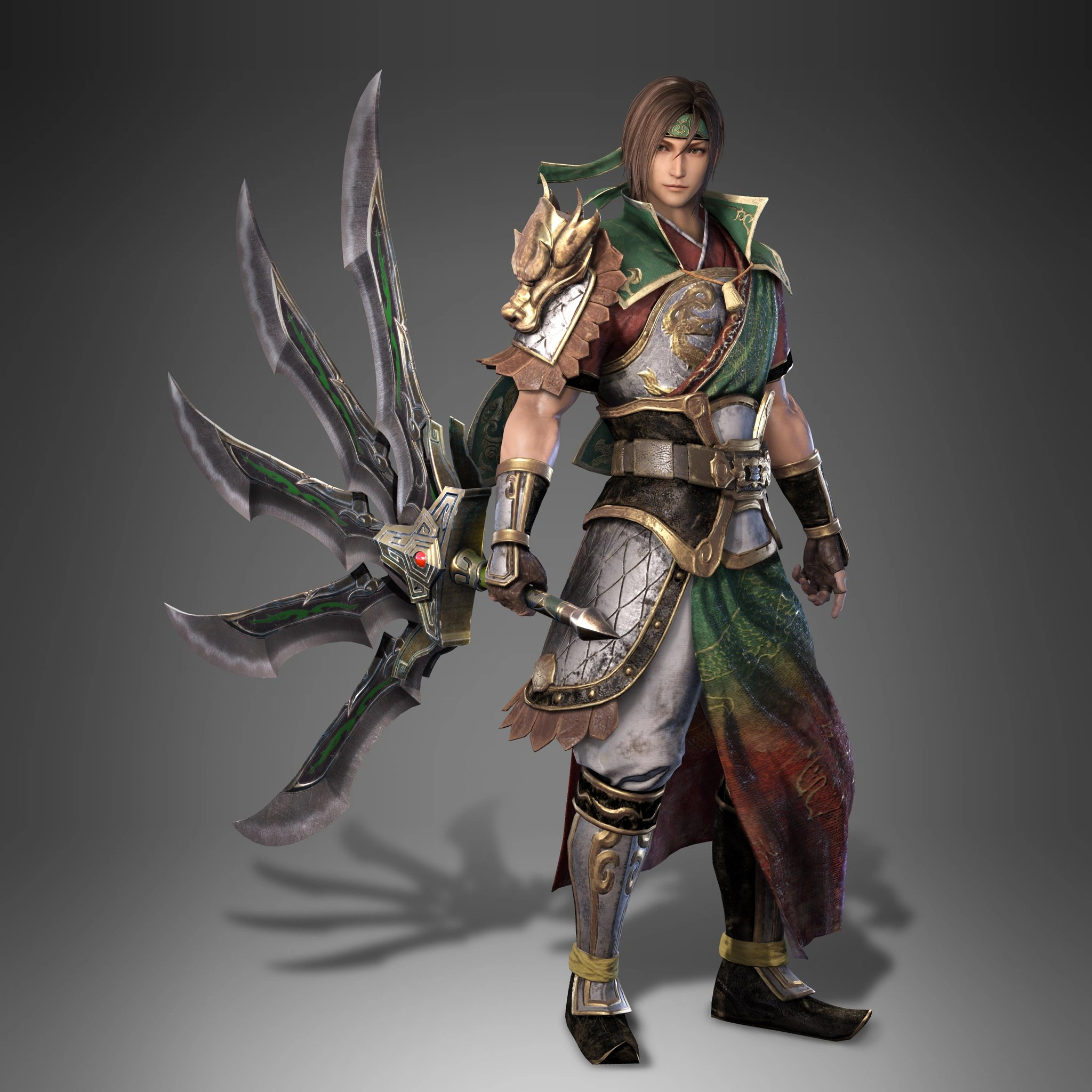
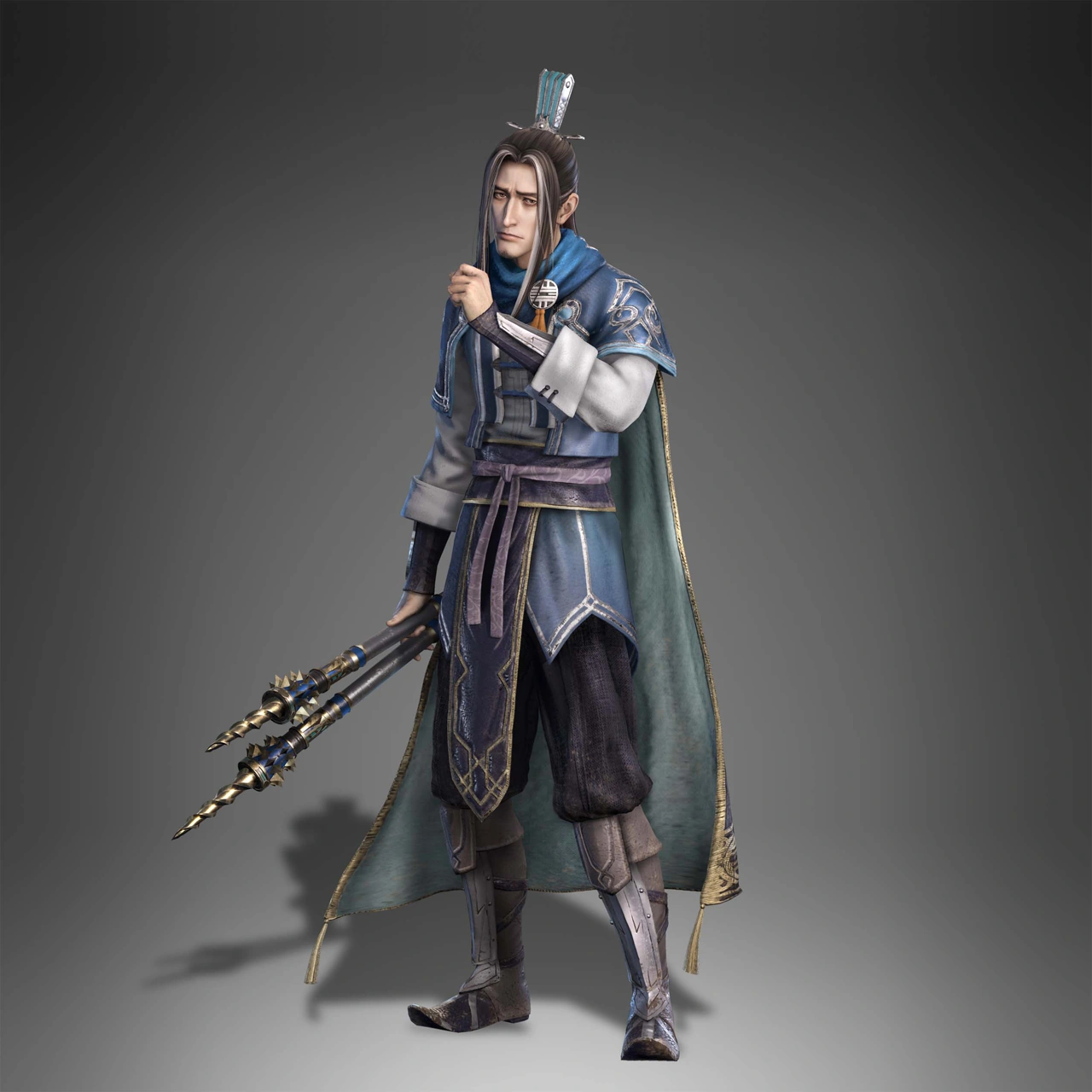
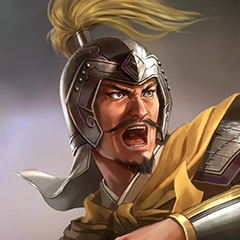
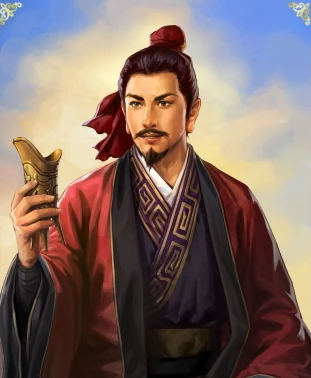
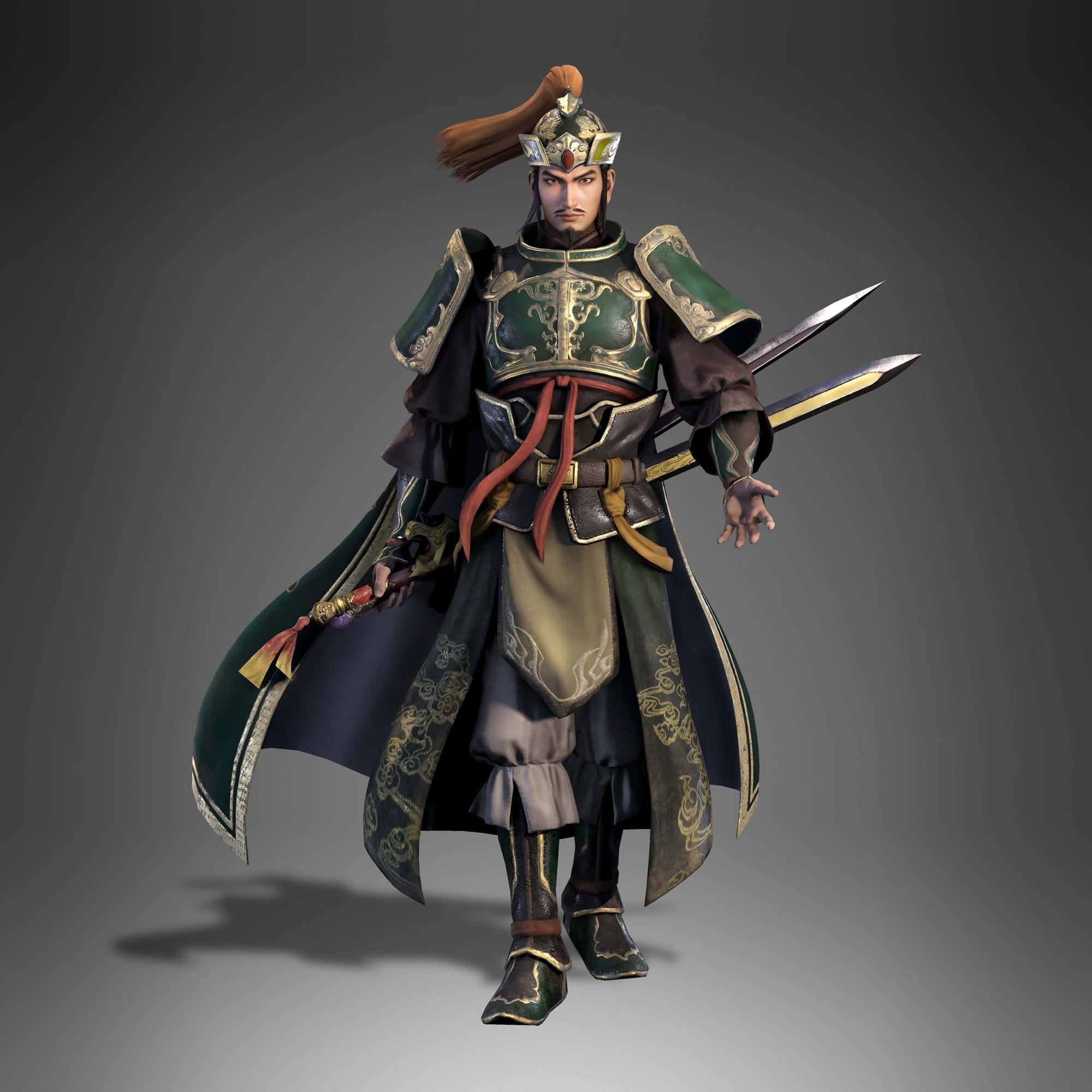
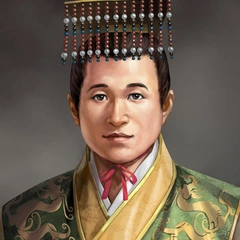
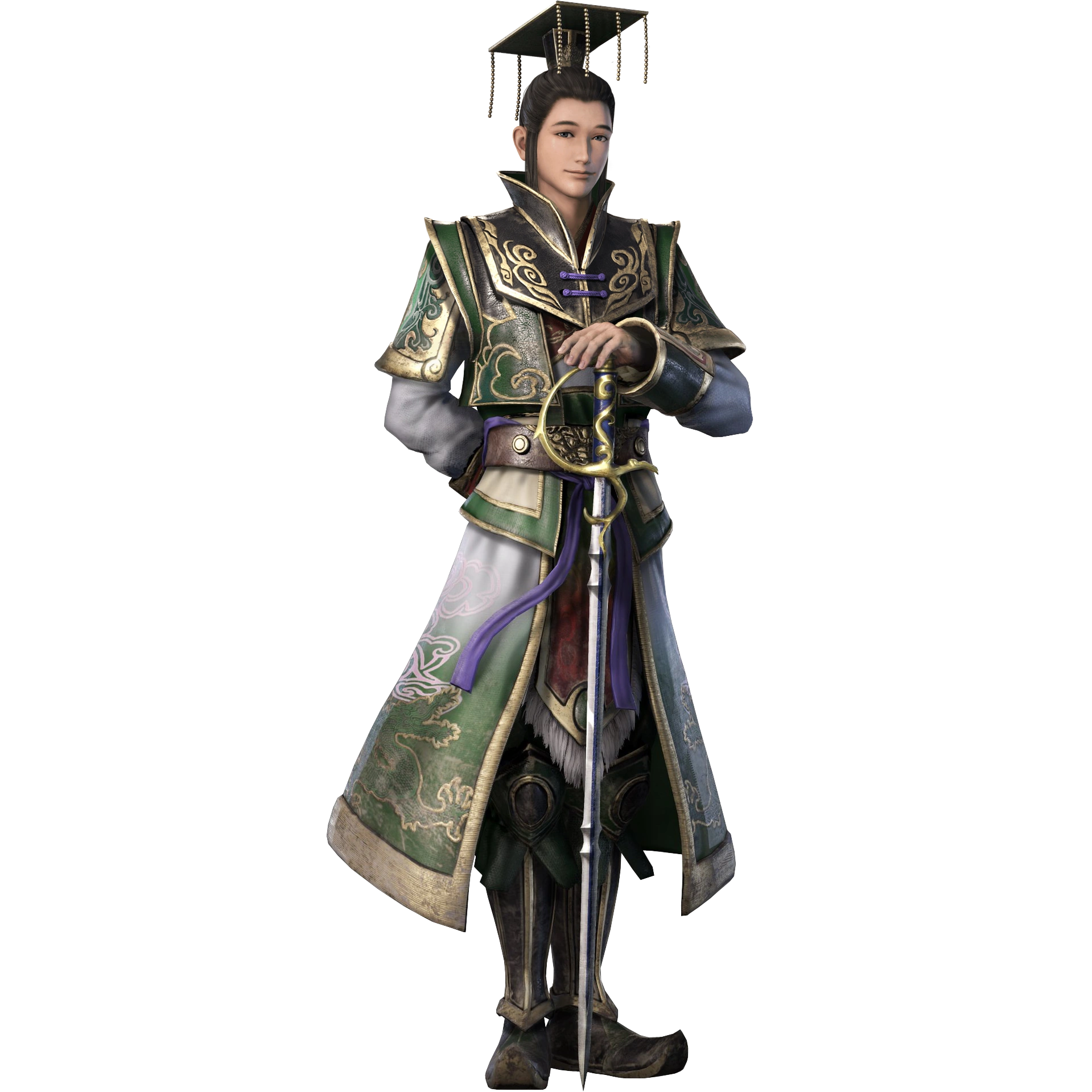
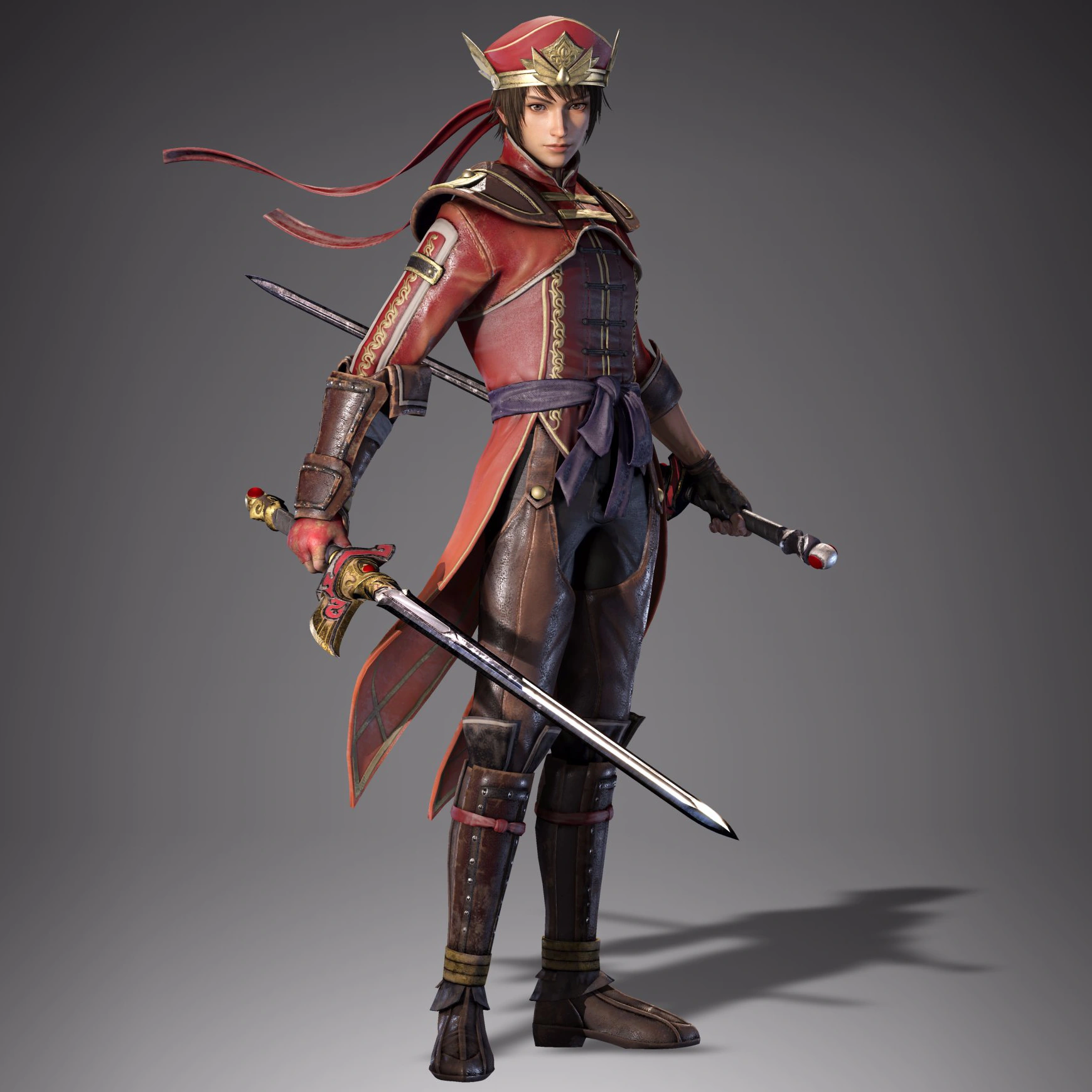
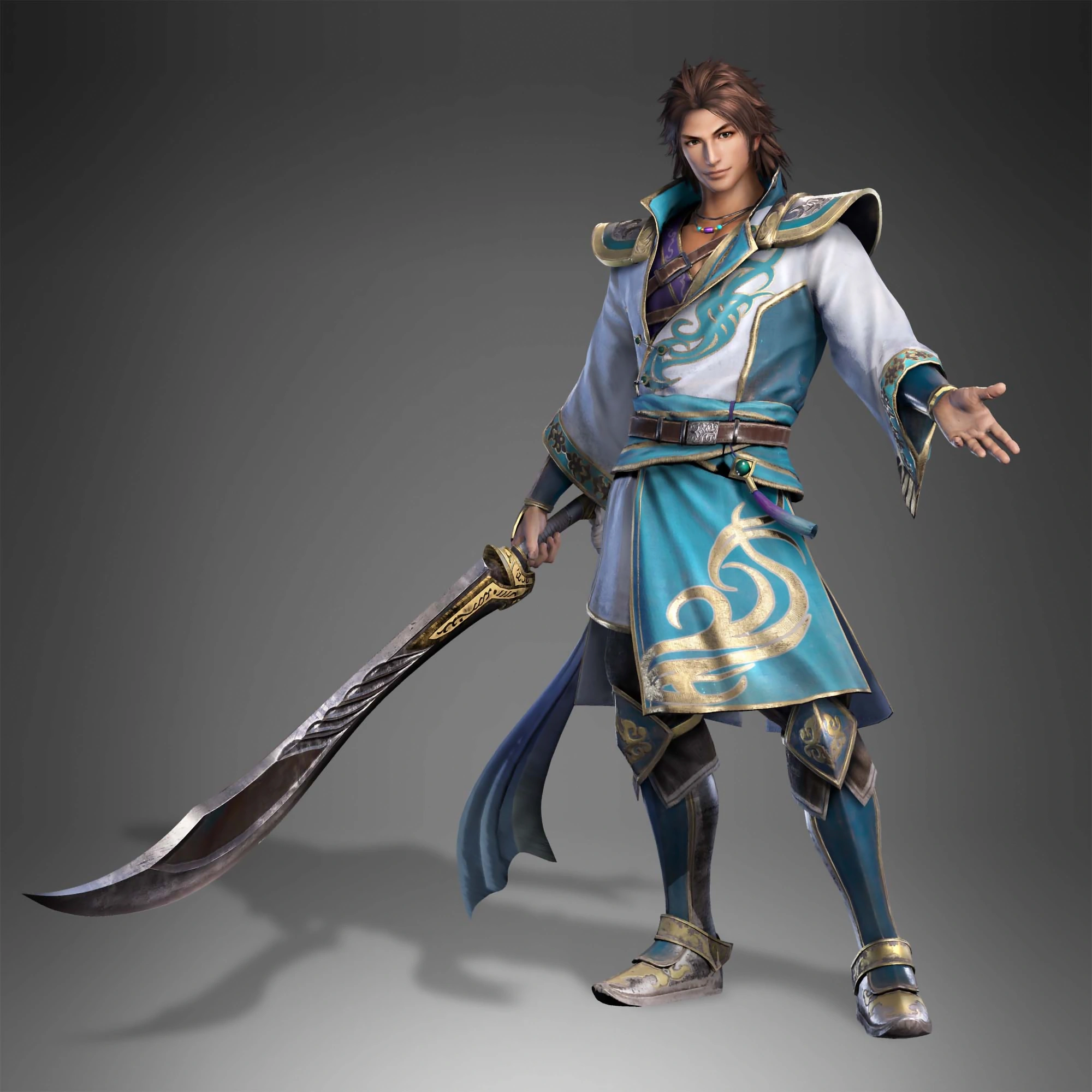
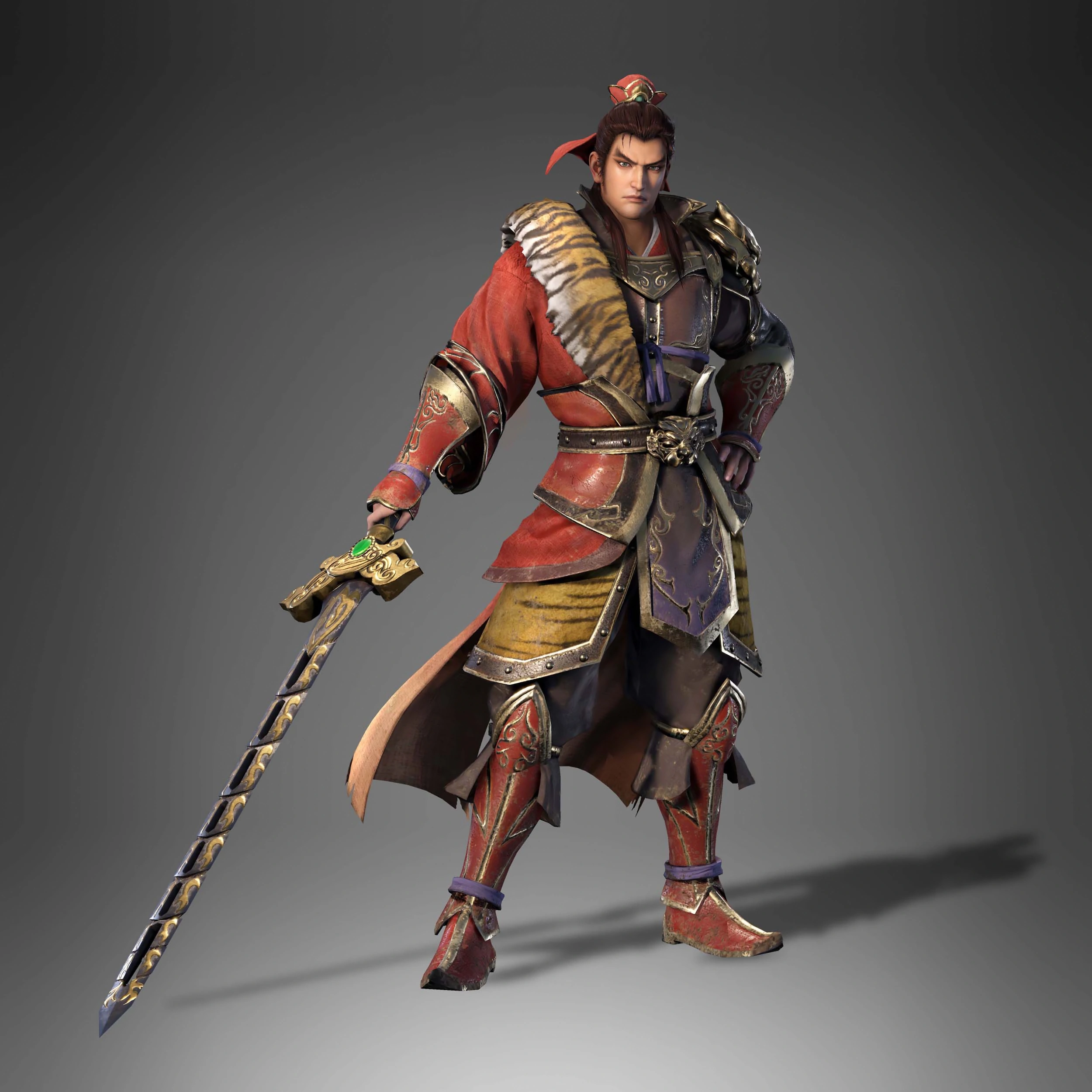
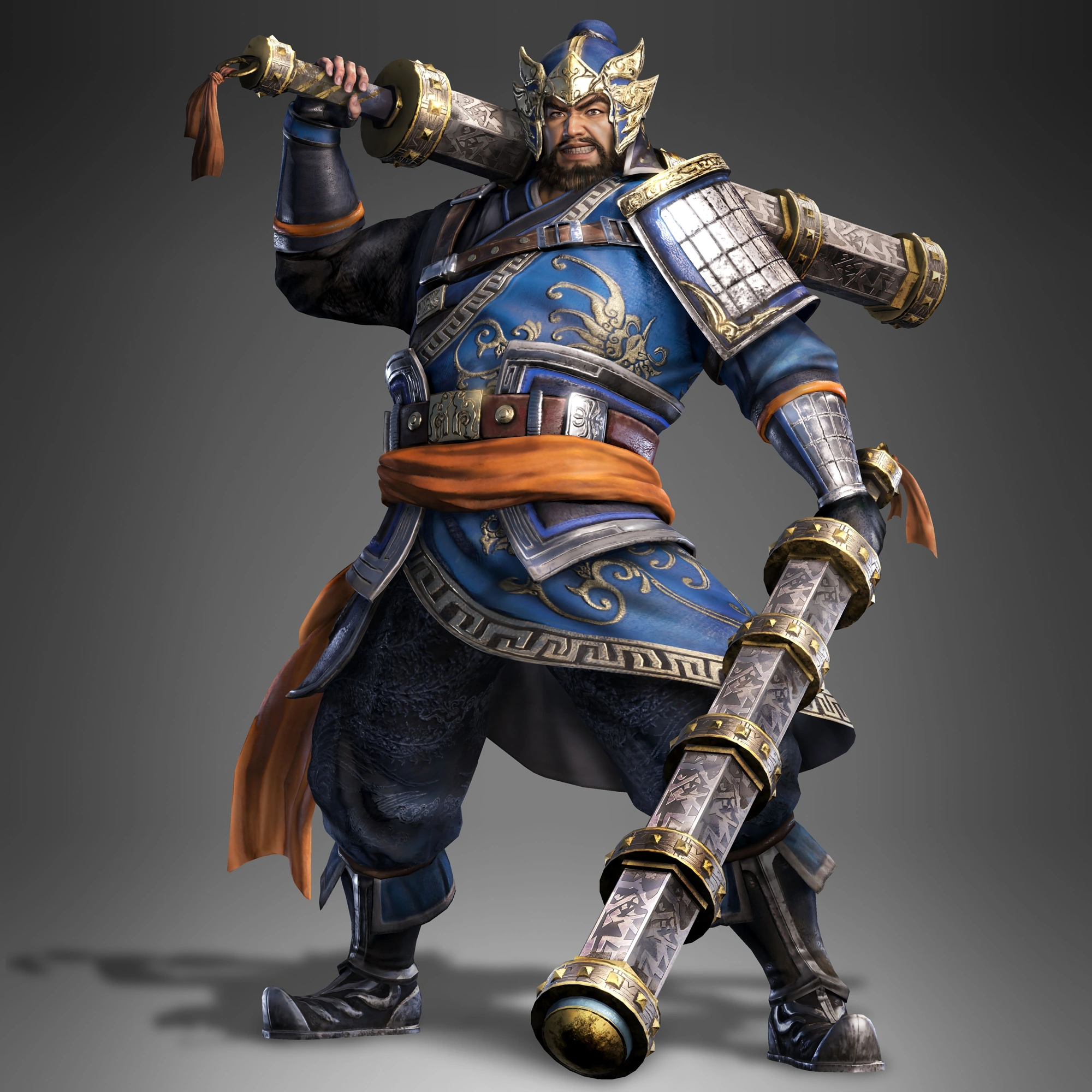
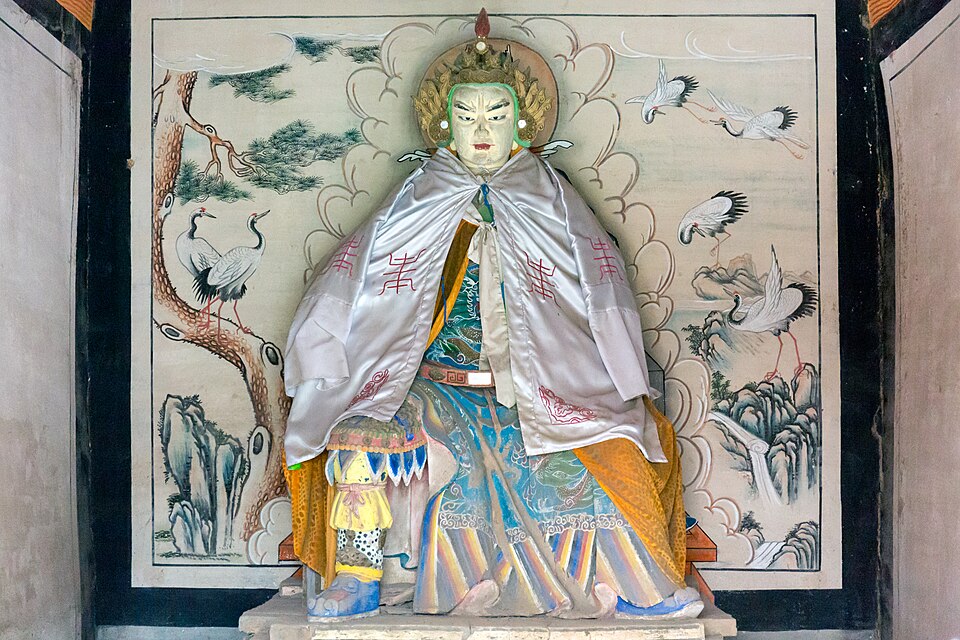
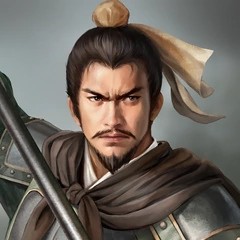
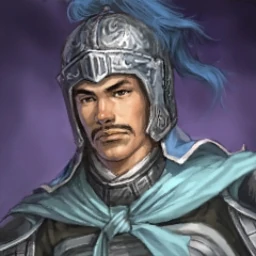
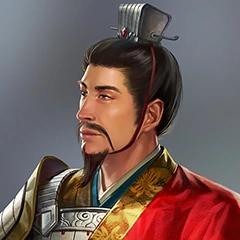
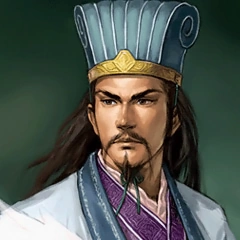
|
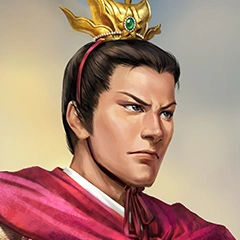
Cao Rui
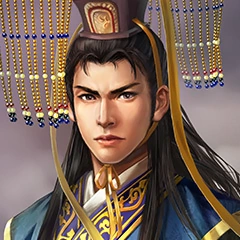
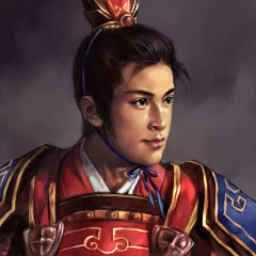
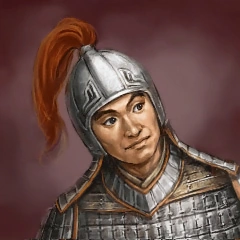
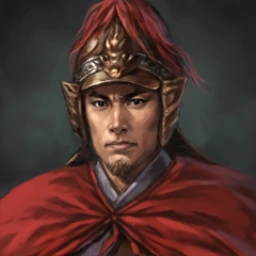
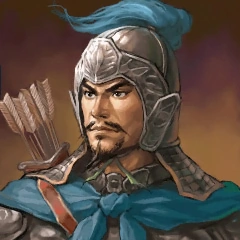
Distressed by the report of thirty legions in five divisions, calls Sima Yi in and grants him everything he asks: the four Xiahou brothers, the supreme command, and full authority. Also the chapter's one note of caution, remembering the last Xiahou given an army - 'You remember the evil results of employing the Dynastic Son-in-Law Xiahou Mao: He lost his army and is still too ashamed to return to court. Are you sure these are not of the same kidney?' Then writes the campaign plan out in his own hand: fortify River Wei, give no battle, do not pursue a feigned retreat, wait until their supplies are consumed. His reign style has just been changed to Green Dragon after a green dragon was seen to emerge from Mopo Well.
6 mentions in this chapter
166 mentions in the book
|
|
Cen Wei
Wei's General Who Guards the Frontiers, put in charge of the two thousand copied wooden oxen and horses that Sima Yi's craftspeople build in under half a month, and killed on the first convoy: Wang Ping's disguised thousand join his escort on the road from the West Valley Land, turn on it, and 'Wang Ping slew Cen Wei'. The convoy is driven off to the Shu camp.
4 mentions in this chapter
4 mentions in the book
|
|
Du Rui
One of the two superintendents, with Hu Zhong, of the sealed workshop in the Gourd Valley where the wooden oxen and running horses are built - the secret Zhuge Liang keeps behind Ma Dai's five hundred guards.
2 mentions in this chapter
2 mentions in the book
|
|
Fan Jian
At the front, and he is the officer who asks the question that lets Zhuge Liang explain the Zheng Wen deduction: 'How did you know this was only a pretended desertion?'
1 mention in this chapter
7 mentions in the book
|
|
Fei Yi
The chapter's courier between three capitals. Arrives at Qishan from Chengdu just after the Beiyuan defeat, accepts the embassy to Wu without hesitation ('Could I possibly decline any task you laid upon me?'), carries Zhuge Liang's letter to Sun Quan at Jianye, and brings back both the promise of three hundred thousand troops on three fronts and Sun Quan's private warning about Wei Yan — which he presses on Zhuge Liang: 'Then Sir, you ought to decide soon what to do with him.'
8 mentions in this chapter
45 mentions in the book
|
|
Gao Xiang
Right General, given the thousand men who drive the wooden oxen and running horses between Saber Pass and the front - the transport that ends Sima Yi's starvation strategy. Loses four or five of the animals to Zhang Hu and Yue Chen's disguised raiders and reports it as a loss; Zhuge Liang tells him it was the point: 'I wished him to capture some of them.'
3 mentions in this chapter
20 mentions in the book
|
|
Guan Xing
Where he dies. Zhuge Liang is at Hanzhong making the final arrangements for the march when 'he received the unexpected news of the death of Guan Xing. He was greatly shocked, and fainted', and on coming round says 'How pitiful! Why does Heaven deny long life to the loyal and good? I have lost a most able general just as I am setting out and need him most.' The chapter gives him four lines of verse.
1 mention in this chapter
127 mentions in the book
|
|
Guo Huai
Supplies the analysis that puts Wei on the north bank: with Shu at Qishan there is a danger of their 'dominating River Wei, going up on the plain, and pushing out a line to the northern hills whereby to cut off all highways in the West Valley Land'. Given the whole West Valley Land force and told to fortify Beiyuan and stay defensive. Helps crush Wei Yan and Ma Dai's attack there. Later rides out to recover the stolen wooden-ox convoy, cannot make the animals move once Wang Ping has turned their tongues, is driven off by Wei Yan and Jiang Wei, and is finally stopped altogether by five hundred Shu soldiers in demon heads and beast shapes trailing gourd-smoke: 'Truly these are supernatural helpers.'
10 mentions in this chapter
106 mentions in the book
|
|
Hu Ban
Given the job of burning Sima Yi's nine floating bridges with Wu Yi — a hundred rafts piled with straw and five thousand marines — and sends half his force down the current into Zhang Hu and Yue Chen's archers waiting on the north bank. 'Zhang Hu and Yue Chen stationed near the bridges shot clouds of arrows at them, and the Shu leader, Hu Ban, was wounded. He fell into the river and was drowned.' The crews swam for it and the rafts were taken by Wei; the failure of his attack is what forces the whole Beiyuan operation to be called off.
3 mentions in this chapter
51 mentions in the book
|
|
Hu Zhong
He and Du Rui are the two leaders Zhuge Liang whispers secret orders to and then puts in charge of the thousand craftspeople sealed inside the Gourd Valley to build the wooden oxen and running horses — with Ma Dai on the mouth of the valley to stop anyone going in or out, and Zhuge Liang himself visiting at irregular intervals: 'A plan for the defeat of Sima Yi is being prepared here and must be kept a profound secret.'
2 mentions in this chapter
2 mentions in the book
|
|
Jiang Wei
Middle division of the River Wei crossing with Ma Zheng, and in the van of the whole march with Wei Yan. One of the two who catch Sima Yi's reserve on the flank on the night of the false letter. Then sent with Wei Yan and ten thousand men to the Beiyuan border to take delivery of the stolen convoy and hold it against Guo Huai.
6 mentions in this chapter
443 mentions in the book
|
|
Li Hui
Commissary General of the expedition, instructed on arrival at Qishan to move the stores forward into the Xie Valley in readiness - the supply line the wooden oxen are later built to serve.
1 mention in this chapter
15 mentions in the book
|
|
Liao Hua
Rear division of the River Wei crossing with Zhang Yi, and then the second half of the chapter's last ambush: five thousand men to check Sima Yi if he comes out for the convoy, bursting on him at the most precipitous point of the road with bombs and the Han General Liao Hua banner, so that 'panic seized upon his army, and they ran like winds'.
3 mentions in this chapter
87 mentions in the book
|
|
Liu Bei
Named in passing only, and long dead, in the salutation of Zhuge Liang's letter to Sun Quan: 'My late master, Emperor Bei, confided a great task to me, and I must exhaust every effort to achieve it.'
1 mention in this chapter
1978 mentions in the book
|
|
Liu Shan
Takes Zhuge Liang's leave after the Dynastic Temple sacrifice and sees the sixth expedition out. Named only by title here, and only as the throne the Prime Minister reports to before marching.
1 mention in this chapter
254 mentions in the book
|
|
Lu Xun
Given the central of Wu's three fronts - camp at Miankou and Jiangxia with Zhuge Jin and take Xiangyang - in the three-hundred-thousand mobilisation Sun Quan orders on the strength of Zhuge Liang's letter.
1 mention in this chapter
127 mentions in the book
|
|
Ma Dai
Rides on Beiyuan with Wei Yan and is caught in the same trap. Then given the quietest and most important job in the chapter: five hundred men on the mouth of the Gourd Valley with orders that nobody goes in or out while the wooden oxen are built. Later sent with Ma Zheng to make a noisy demonstration against the south-bank camp while the convoy is being stolen.
7 mentions in this chapter
123 mentions in the book
|
|
Ma Zhong
Middle division of the crossing with Jiang Wei, one of the six summoned for secret orders before the night ambush, and finally paired with Ma Dai to bid defiance to the Wei camp on the south bank while the convoy is taken in the north.
3 mentions in this chapter
27 mentions in the book
|
|
Qiao Zhou
Grand Historian and astrologer. He lays out the omens in full — thousands of birds flying in from the south and drowning themselves in River Han, the Wolf constellation pressing on Venus, an aura of prosperity over the north, and the cypress trees of Chengdu moaning in the night — and asks that the Prime Minister 'not go forth to war, but remain at home to guard what we have'. Overruled in one sentence. Sima Yi reads the same Wolf-and-Venus aspect the opposite way a few pages later, which is the joke.
1 mention in this chapter
25 mentions in the book
|
|
Qin Lang
Dies here. His name is first used as cover for his brother Qin Ming in the staged duel. Then, when Sima Shi talks his father out of leading the night raid in person, Qin Lang gets it instead — ten thousand men, gagged, with cords round the horses' muzzles, into a camp with 'not a soldier' in it. 'Meanwhile Qin Lang's ten thousand troops were falling under arrows that came in locust-flights, and their leader was killed.'
13 mentions in this chapter
13 mentions in the book
|
|
Qin Ming
Qin Lang's brother, and the disposable half of Sima Yi's plant. Rides out to challenge Zheng Wen under his brother's name, reviling him as rebel, brigand and horse-thief - 'Traitor! Give me back my horse you stole!' - and is cut down in the first bout so the desertion will look genuine. The one bout is exactly what gives the deception away.
1 mention in this chapter
1 mention in the book
|
|
Sima Shi
Saves his father's life with one objection. Sent with Sima Zhao to reinforce the front camp, and when Sima Yi decides to lead the night raid on Zheng Wen's word he argues him out of it: 'Father, you are going on a dangerous expedition on the faith of a mere scrap of paper. I think it imprudent... Let some general go in your place, and you come up in rear as a reserve.' Qin Lang goes instead, and dies.
2 mentions in this chapter
94 mentions in the book
|
|
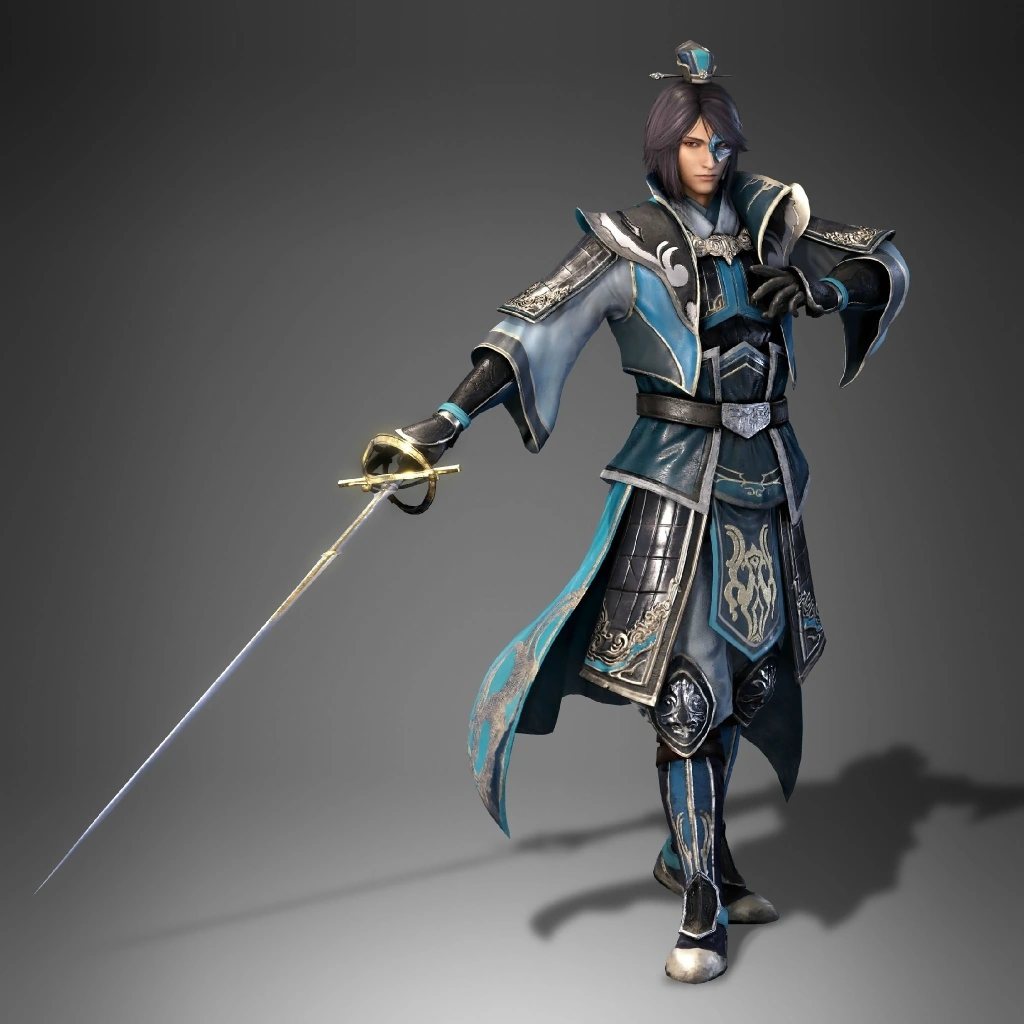
Sima Yi
His best chapter and his worst hour in the same forty pages. Asks for the four sons of Xiahou Yuan by name and by aptitude (Xiahou Ba and Xiahou Wei as archer-cavaliers for the van, Xiahou Hui and Xiahou He as strategists), musters four hundred thousand on River Wei with nine floating bridges and an earth rampart behind the camp, carrying a private written command from Cao Rui that lays out the whole waiting strategy. Then reads Zhuge Liang's Beiyuan plan off the spies' report exactly right — 'He proposes to make a show of taking Beiyuan, and then, dropping down the river, he will try to burn our bridges' — and beats it comprehensively: Sun Li abandons Beiyuan as a feint, Wei Yan and Ma Dai are caught between him and Guo Huai, Hu Ban is drowned, and Shu loses more than ten thousand men. That is his one clean victory over Zhuge Liang in the novel. He then loses all of it to Zheng Wen's forged letter, which he tests carefully and passes; only Sima Shi's objection stops him leading the raid in person, and Qin Lang dies in his place while he himself is caught on both flanks by Wei Yan and Jiang Wei and loses eight or nine of every ten men. Ends the chapter copying the wooden oxen, having two thousand built in a fortnight, and watching Wang Ping steal his own convoy back.
32 mentions in this chapter
470 mentions in the book
|
|
Sima Zhao
Sent with his brother Sima Shi to reinforce the front camp on River Wei while Sima Yi takes his own army to relieve Beiyuan.
1 mention in this chapter
170 mentions in the book
|
|
Sun Li
Sent with Guo Huai to hold Beiyuan, and his part in the trap is to lose it convincingly - when Wei Yan and Ma Dai arrive at dusk, 'Sun Li abandoned his camp and fled', which tells Wei Yan he is expected a moment too late to get clear.
4 mentions in this chapter
32 mentions in the book
|
|
Sun Quan
Answers Zhuge Liang's letter with the largest commitment Wu makes in the whole alliance: three hundred thousand troops on three fronts at once - himself to Juchao to take Xincheng, Lu Xun and Zhuge Jin to camp at Miankou and Jiangxia and take Xiangyang, Sun Shao and Zhang Cheng into Guangling for Huaiyang - 'and they shall start at once.' Then, at the banquet, asks who is leading for Shu and delivers the chapter's second prophecy on hearing it is Wei Yan: 'A man brave enough, but ambitious. One day he will work a mischief unless Zhuge Liang is present. But surely Zhuge Liang knows.'
6 mentions in this chapter
603 mentions in the book
|
|
Sun Shao
Given the eastern prong of Wu's mobilisation with Zhang Cheng: into Guangling to capture Huaiyang.
1 mention in this chapter
14 mentions in the book
|
|
Wang Ping
Front division at the River Wei crossing with Zhang Ni, and the one who smells the trap in the silence - 'It is strange that we do not see a single soldier of the enemy. Surely Sima Yi has found out the plan' - and halts to wait for the bridge fires that never come. Fights his way out of the ambush that follows. Then the chapter's best piece of work: a thousand men dressed as Wei soldiers who join Cen Wei's convoy escort on the road, turn on it, kill Cen Wei, and drive the wooden oxen off; when Guo Huai catches up they twist the animals' tongues to lock them, abandon them in the road and run, and come back for them once he has been driven off.
11 mentions in this chapter
107 mentions in the book
|
|
Wei Yan
Leads the Beiyuan attack with Ma Dai, finds the camp abandoned, realises he is expected, and is caught between Sima Yi and Guo Huai on the way back - 'many of the soldiers of Shu fell into the river and drowned' - until Wu Yi pulls what is left out. Then one of the two who break Sima Yi's reserve on the night of the false letter, coming down on his flank with Jiang Wei. Later covers the recaptured convoy at Beiyuan with Jiang Wei and drives Guo Huai off it. He is also the subject of the chapter's other prophecy, from Sun Quan of all people: 'A man brave enough, but ambitious. One day he will work a mischief unless Zhuge Liang is present.' Zhuge Liang's answer is that he knows, and values him anyway, and 'I have a scheme of my own.'
12 mentions in this chapter
353 mentions in the book
|
|
Wu Yi
Assigned with Hu Ban to burn the nine floating bridges, and when that fails and Hu Ban drowns it is Wu Yi who comes up at Beiyuan and 'rescued the force from entire destruction', bringing Wei Yan and Ma Dai's survivors back across the river to make camp.
2 mentions in this chapter
30 mentions in the book
|
|
Xiahou Ba
First major appearance. Named by Sima Yi as one of the four sons of Xiahou Yuan, a trained archer and cavalier, and made joint Leader of the Van with his brother Xiahou Wei - all four brothers asking for the campaign because they want to avenge their father. Crosses River Wei to camp on the far bank, and is posted with Xiahou Wei to ambush the Shu troops on the southern hills at the sound of fighting from Beiyuan.
5 mentions in this chapter
66 mentions in the book
|
|
Xiahou He
One of the four sons of Xiahou Yuan, paired with Xiahou Hui as the strategists of the family and made a Marching General 'to discuss and arrange plans for the repulse of our enemy'.
3 mentions in this chapter
5 mentions in the book
|
|
Xiahou Hui
One of the four sons of Xiahou Yuan, named by Sima Yi with Xiahou He as a 'deep strategist' rather than a fighter, and made a Marching General to plan the campaign rather than lead the van.
3 mentions in this chapter
5 mentions in the book
|
|
Xiahou Mao
Named in passing only, as Cao Rui's cautionary example when Sima Yi asks for four Xiahous at once: the Dynastic Son-in-Law who lost his army in ch92 and 'is still too ashamed to return to court'. Sima Yi's answer is flat - 'They are not like Xiahou Mao in the least.'
2 mentions in this chapter
55 mentions in the book
|
|
Xiahou Wei
One of the four sons of Xiahou Yuan, named with Xiahou Ba as a trained archer and cavalier and made joint Leader of the Van. Crosses the river to camp, then lies in ambush with his brother on the hills south of the river against the Shu crossing.
5 mentions in this chapter
8 mentions in the book
|
|
Xiahou Yuan
Named in passing only, and long dead - but he is the reason all four of his sons are on this campaign: Sima Yi's case for them is that 'all four desire to avenge the death of their father'.
1 mention in this chapter
105 mentions in the book
|
|
Yang Yi
Raises the problem that produces the chapter's invention - 'The stores of grain are all at Saber Pass, and the labor of transport is very heavy. What can be done?' - and gets the answer that the timber bought in the River Lands was always meant for wooden transport animals 'as they will require neither food nor water and they can keep on the move day and night without resting'.
1 mention in this chapter
68 mentions in the book
|
|
Yue Chen
Paired with Zhang Hu throughout: two thousand bowmen at the floating bridges whose volleys drown Hu Ban and capture the rafts, then five hundred men disguised as Shu soldiers to steal the samples of the wooden oxen that Sima Yi wants to copy.
3 mentions in this chapter
17 mentions in the book
|
|
Zhang Cheng
Paired with Sun Shao for the Guangling and Huaiyang front, the easternmost of Wu's three armies.
1 mention in this chapter
1 mention in the book
|
|
Zhang Hu
Does two jobs. Posted with Yue Chen and two thousand bowmen on the north bank by the floating bridges, where their arrows kill Hu Ban and take the whole raft flotilla. Then sent with five hundred men by by-roads into the Xie Valley to let a wooden-ox convoy pass and snatch four or five animals off its tail — the theft Zhuge Liang wanted him to make.
3 mentions in this chapter
12 mentions in the book
|
|
Zhang Ni
Front division with Wang Ping at the crossing and out of the ambush with him. Then given the costume half of the convoy raid: five hundred men dressed as the Deities of the Six Layers with demon heads and beast shapes, faces stained every colour, flags, swords and bottle-gourds trailing smoke, hidden in the hills to burst out and drive the wooden animals away - 'No one will dare pursue such uncanny company', and nobody does.
8 mentions in this chapter
54 mentions in the book
|
|
Zhang Yi
Rear division of the crossing with Liao Hua, and joint commander of the ambush that ends the chapter - the one that sends Sima Yi's relief force running from the sight of two banners.
3 mentions in this chapter
76 mentions in the book
|
|
Zheng Wen
The chapter's central trick and its victim. Comes in as a deserter with a grievance - Sima Yi transferred him and his old colleague Qin Lang together, made Qin Lang Leader of the Van and 'threw me out like a weed'. Kills the challenger outside the tents in a single bout and brings the head in, and is ordered beheaded on the spot: 'As if I do not know Qin Lang! The man you have just killed was not Qin Lang.' Admits it was Qin Lang's brother Qin Ming, then confesses the whole plant, and buys his life by writing the letter that invites Sima Yi to raid the Shu camp. Put in confinement, and executed the moment the ambush has done its work - 'The first order on Zhuge Liang's return to camp was to put Zheng Wen to death.'
19 mentions in this chapter
19 mentions in the book
|
|
Zhuge Jin
Paired with Lu Xun for the Miankou and Jiangxia camps and the attack on Xiangyang, the middle prong of Wu's three-front entry into the war.
1 mention in this chapter
68 mentions in the book
|
|
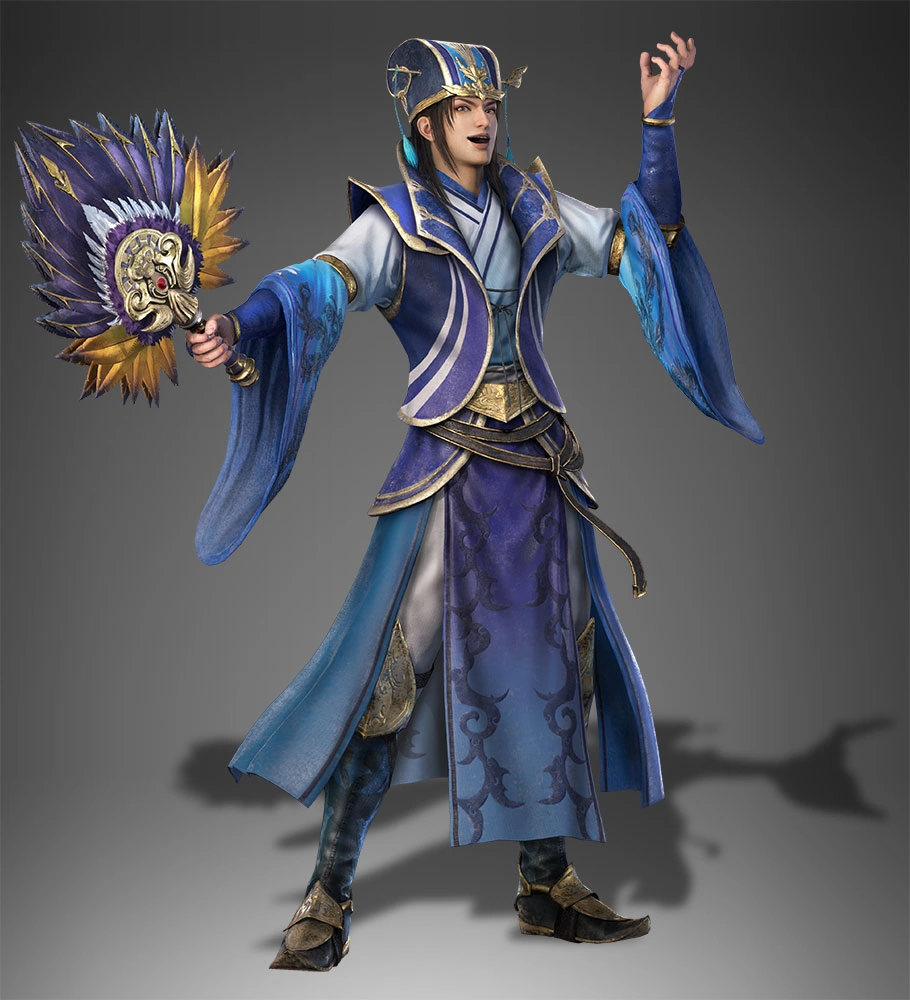
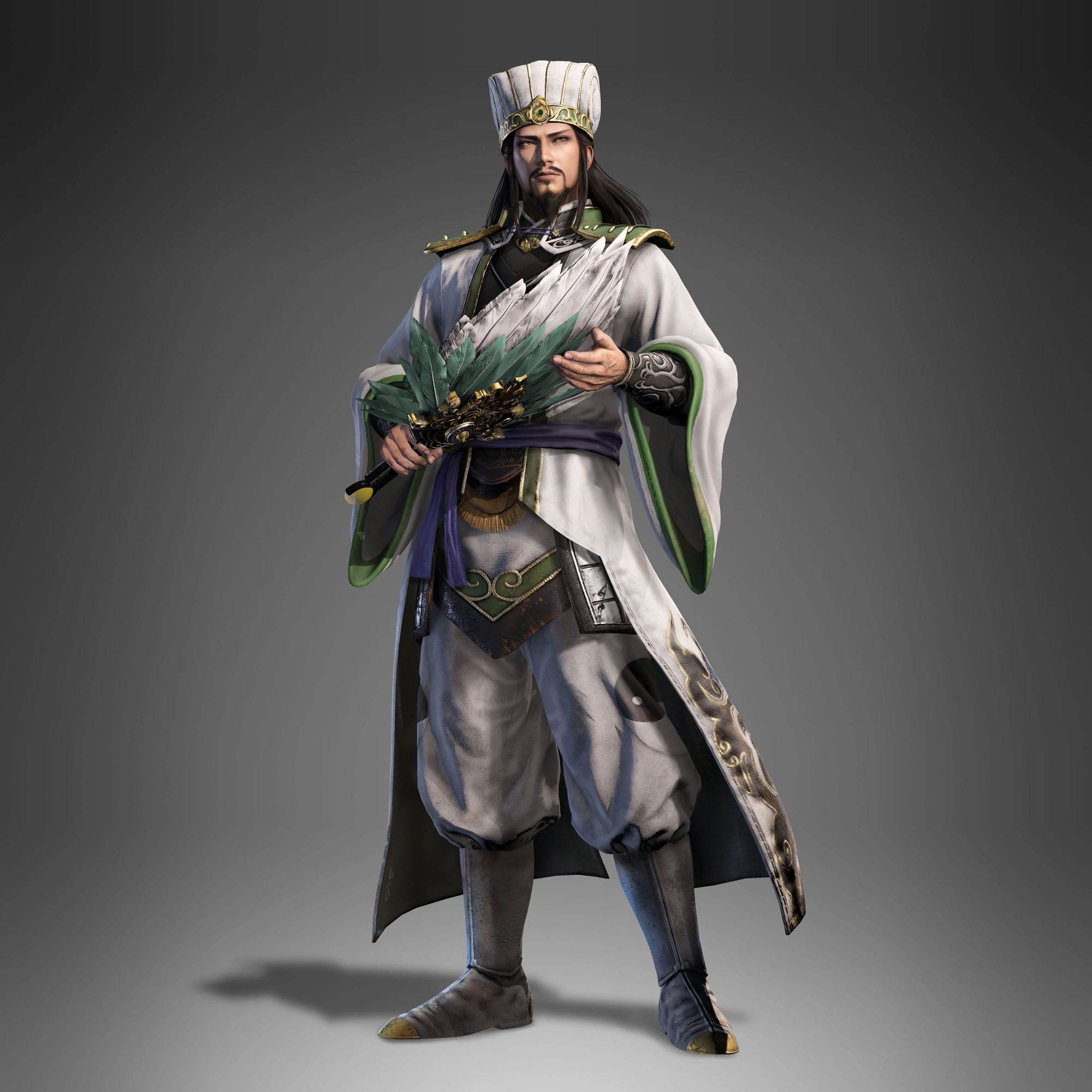
Zhuge Liang
Overrules Qiao Zhou's omens ('The policy of a state cannot be changed because of inauspicious signs'), makes the Great Bovine Sacrifice in the Dynastic Temple and prays the chapter's most exposed line — 'Thy servant Zhuge Liang has made five expeditions to Qishan without gaining any extension of territory. His fault weighs heavily upon him… he would use the last remnant of his strength and could die content.' Faints at the news of Guan Xing's death. Marches three hundred forty thousand in five divisions, makes five camps at Qishan and fourteen more between the Xie Valley and Saber Pass. Loses the Beiyuan-and-rafts operation outright, along with Hu Ban and ten thousand men — a rare clean defeat. Writes to Sun Quan for the three-front alliance. Then unpicks Sima Yi's false deserter by pure inference ('If he made Qin Lang a leading general, Qin Lang was certainly a man of great military skill and not the sort of man to be overcome by this fellow Zheng Wen in the first encounter'), turns the letter around, blacks out the sky with the Concealing Method incantation, and destroys the night raid. Finds the Gourd Valley on a survey ride and seals a thousand craftspeople inside it. Finally invents the wooden oxen, lets Sima Yi capture four or five on purpose — 'I am just laying out these few, and before long I shall get some very solid help in exchange' — and takes the copies back with the locking-tongue trick and five hundred men dressed as the Deities of the Six Layers.
44 mentions in this chapter
1454 mentions in the book
|
-
Beiyuan
-
Chang'an County County(34.2464, 108.9070)
-
Chengdu County County(30.6661, 104.0754)
-
Dynastic Temple Structure/Building
-
Guangling Commandery Commandery
-
Han River River
-
Hanzhong Commandery Commandery(33.0730, 107.0359)
-
Huaiyang
-
Jiangxia Commandery Commandery(30.7702, 113.5952)
-
Jianye Settlement
-
Juchao County County
-
Miankou
-
Middle Land Region
-
Mopo Well Landmark
-
Qishan Mountains Mountains/Hills
-
River Wei River
-
Saber Pass Pass
-
Shangfang Valley
-
Shu (Three Kingdoms) Region
-
Wei (Three Kingdoms) Region
-
West Valley Land Region
-
Wu (Three Kingdoms) Region
-
Xiangyang Commandery Commandery(32.0265, 112.1587)
-
Xie Valley Landmark
-
Xincheng Commandery Commandery(32.0590, 110.7271)
-
Xizhou Region