Listening To Slander, The Latter Ruler Recalls His Army;
Living In Farms, Jiang Wei Avoids Disaster.
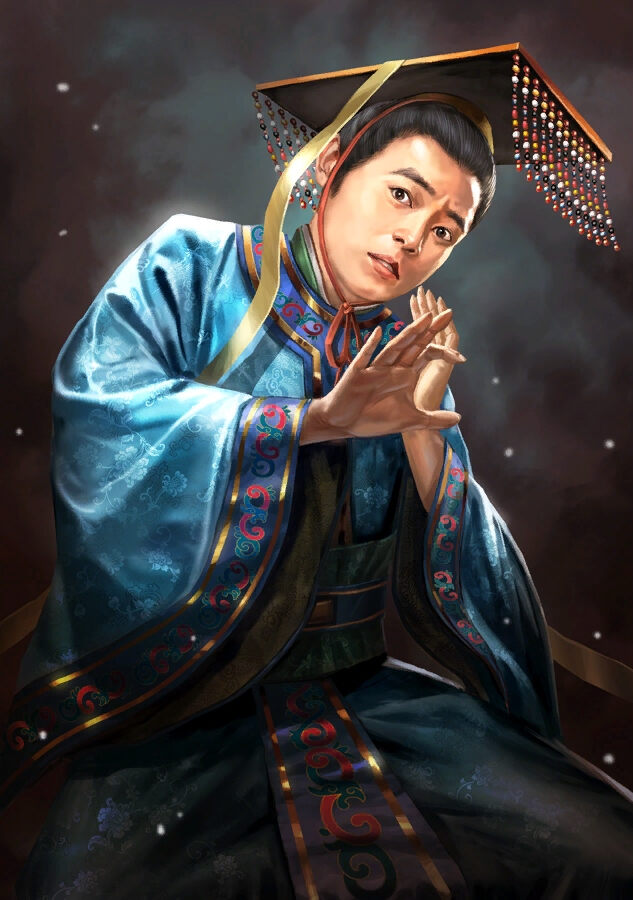
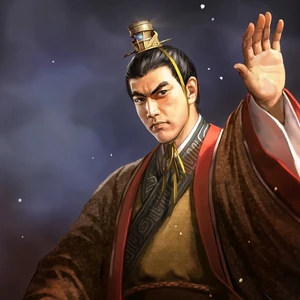
In the autumn of the fifth year of Wonderful Sight, in Shu-Han calendar (AD 262), Jiang Wei was occupied with preparations for the renewal of an attack: Mending the hill roads, gathering stores, and mobilizing his boats on the waterways of Hanzhong. These things done, he memorized the Throne, asking permission to go again to the attack:
"Although I have not been wholly victorious nor accomplished great things, yet I have put fear into the hearts of the Wei armies. Our soldiers have been long under training, and they must now be used, or the army will go to pieces for lack of exercise. The soldiers are ready to die, the officers prepared for all risks, and I am determined to conquer or perish."
The Latter Ruler did not consent at once.
As he was hesitating, Qiao Zhou stood forth and said, "I have observed the heavens. I have seen the leadership stars in Shu dull and obscured. This expedition will be disastrous, and I hope Your Majesty will not approve."
The Latter Ruler replied, "Let us see the results of this campaign. If it fails, then the war shall cease."
Qiao Zhou tried to dissuade the Latter Ruler two or three more times, but he failed. In despair he withdrew to his home, and retired on the pretext of illness.
As the final preparations were being made, Jiang Wei said to Liao Hua, "We are pledged to get through to the Middle Land this time. What do you advise to start with?"
"I dare not presume to advise you, General. For years we have been fighting and giving the people no rest. In Deng Ai we find a most formidable and resourceful opponent and an extraordinarily capable man, so that you must exert yourself to the very utmost."
Jiang Wei was annoyed. Said he, "The late Prime Minister made six attempts, all for the state. I have attacked eight times. Was anyone of those attacks to serve my private ends? This time I go to attack Taoyang, and no one shall say me nay. I will punish opposition with death."
Jiang Wei left Liao Hua in charge of the base in Hanzhong and marched with three hundred thousand troops to Taoyang. His movements were reported in the Qishan camps, and Deng Ai's spies confirmed the news.
It happened that Sima Wang was with Deng Ai discussing military matters, and the former, when he heard it, said, "That move is a decoy: He does not mean it. What he really intends is an attack on Qishan."
"However, he has really gone to Taoyang," said Deng Ai.
"How can you know?"
"Formerly Jiang Wei has always opened with a march to those parts of the country where we have stored supplies. Taoyang has no stores, so he thinks we shall not have taken care for its defense as we shall concentrate our efforts on Qishan. But, if he can take that place, he can collect stores there, and get into touch with the Qiang tribespeople and finally work out some grand plan."
"Supposing this true, what should we do?"
"I advise the abandonment of this place and a march in two bodies toward Taoyang. I know a small town called Houxia, eight miles from Taoyang, which is the throat of the place. You go to Taoyang, hide your force, and open the gates. Then act as I shall tell you presently. I will lie in wait at Houxia. We shall score a victory."
Deng Ai gave Shi Zuan the command of the camps in Qishan when the main body left.
Meanwhile Xiahou Ba led the van of the Shu army toward Taoyang. As he drew near, he noticed the place seemed to have no defenses; not a flag staff reared its head. The gates stood wide open.
He was too wary to go straight in however, and said, "Is there any ruse in there?"
His generals said, "We think the city was deserted when they heard your army coming. A few people were running away along the southern road."
Xiahou Ba rode south and saw there that the northwest road, at a little distance from the city, was crowded with fugitives.
"The city is really empty," said Xiahou Ba.
He led the way in all ready to fight, and the troops followed. As they came near to the curtain wall, however, a bomb exploded. At this sound the drums beat, trumpets blared, and flags suddenly appeared. At the same moment the drawbridge rose.
"Caught!" said Xiahou Ba.
As he turned to retire, the arrows and stones flew down in clouds, and under these Xiahou Ba and many of his soldiers lost their lives.
Most able strategist and brave,
Xiahou Ba, outwitted here
By Deng Ai, more prudent still, and slain,
Deserves a pitying tear.
The flights of arrows from the ramparts was followed by a sortie, which broke up the force of Shu entirely, and the troops fled. However, Jiang Wei came up and drove Sima Wang back into the city. The army of Shu camped beside the walls. Jiang Wei was very grieved at the loss of Xiahou Ba.
That night Deng Ai came up secretly and attacked the Shu camp. At the same time the defenders within the city made a sortie. Jiang Wei could not resist the double attack, and left the field. He marched some seven miles and camped.
Twice beaten, the soldiers of Shu were very downcast.
Jiang Wei tried to console them, saying, "Loss or gain is the platitude of war. But I am not worried yet about our recent defeats, for a total victory will surely come in this expedition if all of you strive your best. But remember, no mutiny! He who talks of retreat will suffer death."
Then Zhang Yi said, "With so many troops of Wei here, their camp at Qishan must be undefended. I propose, General, that while you continue the contest here with Deng Ai, I go to try to capture the nine camps. If I succeed, Changan will be at our mercy."
The second division of the army was detached to march on Qishan, and Jiang Wei went down to Houxia to provoke Deng Ai into fighting. The challenge this time was accepted forthwith. Deng Ai led his troops out and engaged with Jiang Wei in a fight, but after thirty bouts without a decision, both retired to their camps.
For days after this, Jiang Wei challenged again and again, but Deng Ai declined and would not fight. The Shu soldiers howled abuse and hurled insults at their opponents, but all without effect.
Then Deng Ai thought within him, "There must be some reason for this persistence. I think they have sent an army to try to seize Qishan while they hold me here. Shi Zuan and the force there are insufficient, and I shall have to go to the rescue."
Deng Ai called his son Deng Zhong, and said, "Hold this place most carefully. Let them challenge as they may, do not go out. Tonight I go to the help of Qishan."
It was night, and Jiang Wei was in his tent, intent upon his plans, when he was disturbed by a great shouting and drumming. They told him Deng Ai had suddenly appeared. The generals asked leave to go out to fight.
"Let no one move!" said Jiang Wei.
The fact was Deng Ai had only made a demonstration at the camp of Shu on his way to reinforce Qishan.
Then Jiang Wei said to his officers, "The attack of Deng Ai was a feint. He has certainly gone to relieve Qishan."
So Jiang Wei decided to go to the aid of Zhang Yi. He left Fu Qian to guard the camp, and he marched away with three thousand troops.
Zhang Yi was then actually attacking the Wei position on Qishan. Shi Zuan had few troops, and it looked as though the defenders must soon give in, when the sudden appearance of Deng Ai made all the difference. The onslaught of Deng Ai's force drove off Zhang Yi, and he was forced to take refuge behind the hills. No road was open to him. When things looked worst, he saw the Wei soldiers suddenly falling back in confusion.
"General Jiang Wei has come!" they told him.
Zhang Yi took the opportunity to return to the attack, and the tables were turned. Deng Ai lost the fight and retired into his camp, which Jiang Wei surrounded and attacked vigorously.
In Chengdu the Latter Ruler fell daily more and more under the malign influence of Huang Hao, who encouraged him in every form of self-indulgence and ministered to every desire for luxury and dissipation. Government was left to look after itself.
At that time High Minister Liu Yang had a very beautiful wife, Lady Hu. One day she went into the Palace to visit the Empress, who kept her there a whole month. Liu Yang was not without suspecting an intrigue with the Latter Ruler and took a brutal revenge. He bound Lady Hu, and made five hundred of his soldiers shame her to the last degree by beating her on the face with their boots. She swooned many times.
The story got to the ears of the Latter Ruler, and he ordered the officials concerned to investigate and decide the crime and its punishment.
The judges found that: "Soldiers are not proper persons to administer a punishment to a woman, and the face is not a portion of the body to be mortified: The author of this crime ought to be put to death."
Wherefore Liu Yang was beheaded.
As time went on the Latter Ruler indulged in unbridled sensuality, and gradually all good people left the government, giving place to the meanest, who soon swarmed there.
Among the sycophants of Huang Hao was Yan Yun, General of the Right Army, whose lack of merit had not stood in the way of preferment.
Hearing of Jiang Wei's defeats at Qishan, Yan Yun got his friend Huang Hao to propose to the Latter Ruler, saying, "Jiang Wei should be recalled as he has not been able to score a decisive victory. Yan Yun can be sent to replace him."
The Latter Ruler agreed, and the edict was issued.
One day, as Jiang Wei was working out his plan of attack on the camps of Wei, three edicts came, all to the same effect, recalling him to the capital. Disobedience being out of the question, Jiang Wei ceased all operations and sent the Taoyang force back first. Then gradually he and Zhang Yi withdrew with the others.
Deng Ai in his camp wondered at the rolling of drums one night, but next day he heard that the Shu camps were empty. However, he suspected some ruse and did not pursue.
Arrived in Hanzhong, the army halted, and Jiang Wei went on to the capital in company with the messenger who had brought his orders. Here he waited ten days, and still the Latter Ruler held no court. He began to suspect mischief.
One day near a Palace gate he met Secretary General Xi Zheng, and asked, "Do you know the reason for my recall?"
"What General! Do you not know? Huang Hao wanted to push Yan Yun into favor, so he intrigued for your recall. Now they have found out Deng Ai is too clever to be tackled, and so they are not fighting any more."
"I shall certainly have to put this eunuch fellow out of the way," said Jiang Wei.
"Hush! You are the successor of the Martial Lord, Zhuge Liang, the man to whom he bequeathed his unfinished task. You are too important to act hastily or indiscreetly. If the Emperor withdrew his support, it would go ill with you."
"Sir, what you say is true," replied Jiang Wei.
However, soon after this Jiang Wei, with a small party, got into the Palace. The Latter Ruler was enjoying himself with Huang Hao in the gardens. They told Huang Hao, who at once hid himself among the rocks by a pond.
Jiang Wei approached his master and prostrated himself, saying, "Why did Your Majesty recall me? I had the enemy in my power at Qishan when the triple edicts came."
The Latter Ruler hummed and hawed, but made no reply. Then Jiang Wei began his real grievance.
"This Huang Hao is wicked and artful and seems to have the last say in everything. The times of the Emperor Ling and the Ten Regular Attendants have returned. Your Majesty may recall Zhang Rang recently or Zhao Gao in the old time. If you will only slay this man, the court will be purified, and you may return gloriously to the home of your fathers."
The Latter Ruler smiled, saying, "Huang Hao is but a minor servant, one who runs errands for me. If he tried to do as you say, he could not. I always wondered why Dong Yun seemed to hate poor Huang Hao so much. Now you are the same. I pray you, Noble Sir, take no notice of him."
"Unless Your Majesty gets rid of him, evil is very close," said Jiang Wei, beating his head upon the ground.
The Latter Ruler replied, "If you love anyone, you want him to live; if you dislike him, you desire his death. Can you not bear with my one poor eunuch?"
The Latter Ruler bade one of the attendants go and call Huang Hao. When Huang Hao approached the pavilion, the Latter Ruler told him to ask pardon of Jiang Wei.
Huang Hao prostrated himself and wept, saying, "I am always in attendance upon the Sacred One---that is all I do. I never meddle in state affairs. I pray you, General, pay no heed to what people say. If you desire my death, I am in your hands, but pity me."
And tears ran down his cheeks. Jiang Wei went away in ill humor. Outside he sought his friend Xi Zheng and told him what had happened.
"General, you are in grave danger," said Xi Zheng. "And if you fall, the country falls with you."
"Can you advise me?" said Jiang Wei. "How can I secure the state and myself?"
Xi Zheng replied, "There is a place of refuge for you in the West Valley Land, and that is Tazhong. It is a rich county, and you can make a cantonment there like the Martial Lord did. Request the Emperor to let you go thither. You can gather in corn and wheat for your armies, you can secure all the west of Longyou, you can keep Wei from troubling Hanzhong, you will retain your military authority, so that no one will dare intrigue against you, and you will be safe. Thus you can ensure the safety of the state and yourself. You should lose no time."
"Your speech is gold and jewels!" said Jiang Wei, gratefully.
Without loss of time, Jiang Wei memorialized the Throne and obtained the Latter Ruler's consent. Then he returned to Hanzhong, assembled his officers, and told them his plans.
"Our many expeditions have failed to achieve success owing to lack of supplies. Now I am about to take eighty thousand troops to Tazhong to form a cantonment and grow wheat and corn ready for the next expedition. You are spent with much fighting and may now repose while collecting grain and guarding Hanzhong. The armies of Wei are from home and have to drag their grain over the mountains. They will be worn out with the labor and must soon retire. That will be the time to smite them, and success must be ours."
Hu Ji was set over Hanshou, Wang Han of Yuecheng, Jiang Bin over Hancheng, and Jiang Shu and Fu Qian went to guard the passes. After these arrangements had been made, Jiang Wei went off to Tazhong to grow grain and mature his plans.
Deng Ai heard of these dispositions and discovered that the armies of Shu were distributed in forty camps, each connected with the next like the joints of a huge serpent. He sent out his spies to survey the country, and they made a map which was sent to the capital.
But when the Duke of Jin, Sima Zhao, saw the memorial and the map, he was very angry.
"This Jiang Wei has invaded our country many times, and we have been unable to destroy him. He is the one sorrow of my heart."
Said Jia Chong, "He has carried on the work of Zhuge Liang only too thoroughly, and it is hard to force him back. What you need is some crafty brave to assassinate him, so remove this constant menace of war."
But Assistant Xun Xu said, "That is not the way. Liu Shan, the Ruler of Shu, is steeped in dissipation and has given all his confidence to one favorite, Eunuch Huang Hao. The higher officers of state are concerned solely with their own safety, and Jiang Wei has gone to Tazhong only that he may save his life. If you send an able leader and a strong army, victory is certain. Where is the need for an assassin's dagger?"
"These are excellent words," said Sima Zhao, with a laugh, "but if I would attack Shu, where is the leader?"
"Deng Ai is the ablest leader of the day," said Xun Xu. "Give him Zhong Hui as his second, and the thing is done."
"Exactly what I think!" said Sima Zhao.
So he summoned Zhong Hui and said to him, "I desire to send you as leader against Wu: Can you go?"
"My lord's design is not against Wu, but Shu," was his reply.
"How well you know my inmost thought!" said Sima Zhao. "But how would you conduct an expedition against Shu?"
"Thinking that my lord would desire to attack Shu, I have already prepared plans. Here they are."
He laid out his maps, and thereon were shown the camps, and storehouses, and roads all complete.
Sima Zhao was highly pleased.
"You are an excellent leader," said he. "What say you to going with Deng Ai?"
"The River Lands is large, and there is space for more than one set of operations. Deng Ai can be sent along another line."
Zhong Hui was given the title of General Who Conquers the West and the insignia of a Commander-in-Chief over the forces of the Land Within the Passes and control of the armies of Qingzhou, Xuzhou, Yanzhou, Yuzhou, Jingzhou, and Yangzhou. At the same time a commission with authority ensign was sent to Deng Ai giving him command of the forces beyond the pass, with the title of General Who Conquers the West. And the time for an attack on Shu was settled.
When Sima Zhao was settling the plans in the court, Deng Dun, General of the Front Army, said, "Why are you sending our armies into a distant and dangerous country and thus inviting trouble? Jiang Wei has invaded this country many times, and the wars have cost us many lives. We should rather seek safety in defense."
"I am sending a righteous army against an unrighteous ruler. How dare you oppose my designs?"
Sima Zhao ordered the executioners to put Deng Dun to death forthwith, and they soon returned to lay his head at the foot of the steps. This frightened all those present, and they turned pale.
Sima Zhao said, "It is six years since I conquered the east, and the six years have been spent in preparation. I have long intended to reduce both Wu and Shu. Now I will destroy Shu, and then like a flood I will descend upon Wu and conquer that. That is the method 'destroy Guo to capture Yu'. I can tell very nearly what forces they have in Shu. There are eighty or ninety thousand troops in the garrison of Capital Chengdu, forty or fifty thousand on the frontier, while Jiang Wei has about sixty thousand in his cantonments. Against them we can pit one hundred thousand troops beyond the pass under Deng Ai, enough to hold Jiang Wei and keep him from moving east, and Zhong Hui has two or three hundred thousand veterans within the pass. And they will march in three divisions through Luo Valley and straight into Hanzhong. Liu Shan, the Ruler of Shu, is an oblivious fool with his frontier cities in ruins, the populace and officials quaking with fear. The state will not last long."
The assembly praised this perspicacity.
Zhong Hui marched as soon as he received his seal of office. Lest his real object should be known, he gave out that his force was directed against Wu. To give color to the pretense, he had many large ships built in Qingzhou, Yanzhou, Yuzhou, Jingzhou, and Yangzhou. He also sent Tang Zi along the coastal regions of Dengzhou and Laizhou to collect vessels.
Even his chief, Sima Zhao, was deceived and called him to ask: "I commanded you to invade the Riverlands by land march. Why are you collecting ships?"
Zhong Hui replied, "If Shu hears that we intend to attack the west, they will ask assistance from Wu. So I pretend to attack Wu, and Wu will not dare to move under a year. When Shu is beaten, the ships will be ready and useful for an expedition into the east."
Sima Zhao was pleased. The day chosen for the march was the third day of the seventh month in the fourth year of Wonderful Beginning, in Wei calendar (AD 264). Sima Zhao escorted his leader out of the city for three miles and then took his leave.
Shao Ti, Minister of the Western Affairs, whispered a word of warning.
"My lord has sent Zhong Hui with a large army against Shu. I think he is too ambitious to be trusted with such powers?"
"Think you I do not know?" said Sima Zhao.
"Then why have you sent him alone and without a colleague?"
Sima Zhao said a few words to Shao Ti which put his doubts at rest.
Zhong Hui went alone, although his master knew,
Occasion serving, he would be untrue.
The next chapter will tell the reader what Shao Ti heard.
-
Wikipedia entry Bio
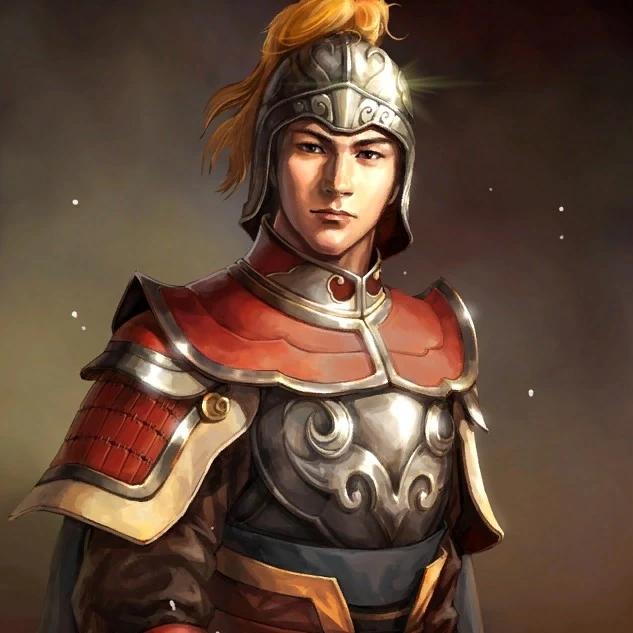

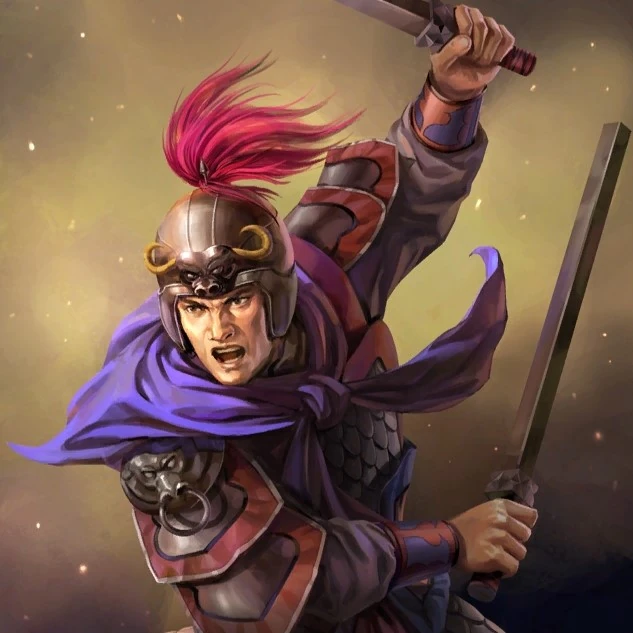
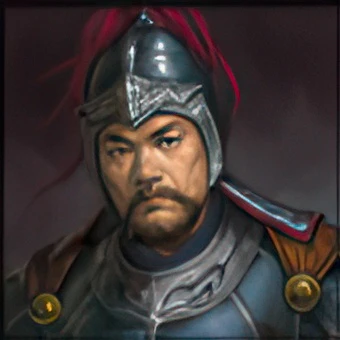
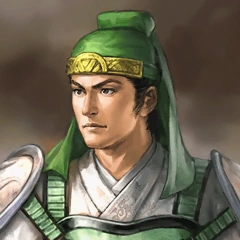
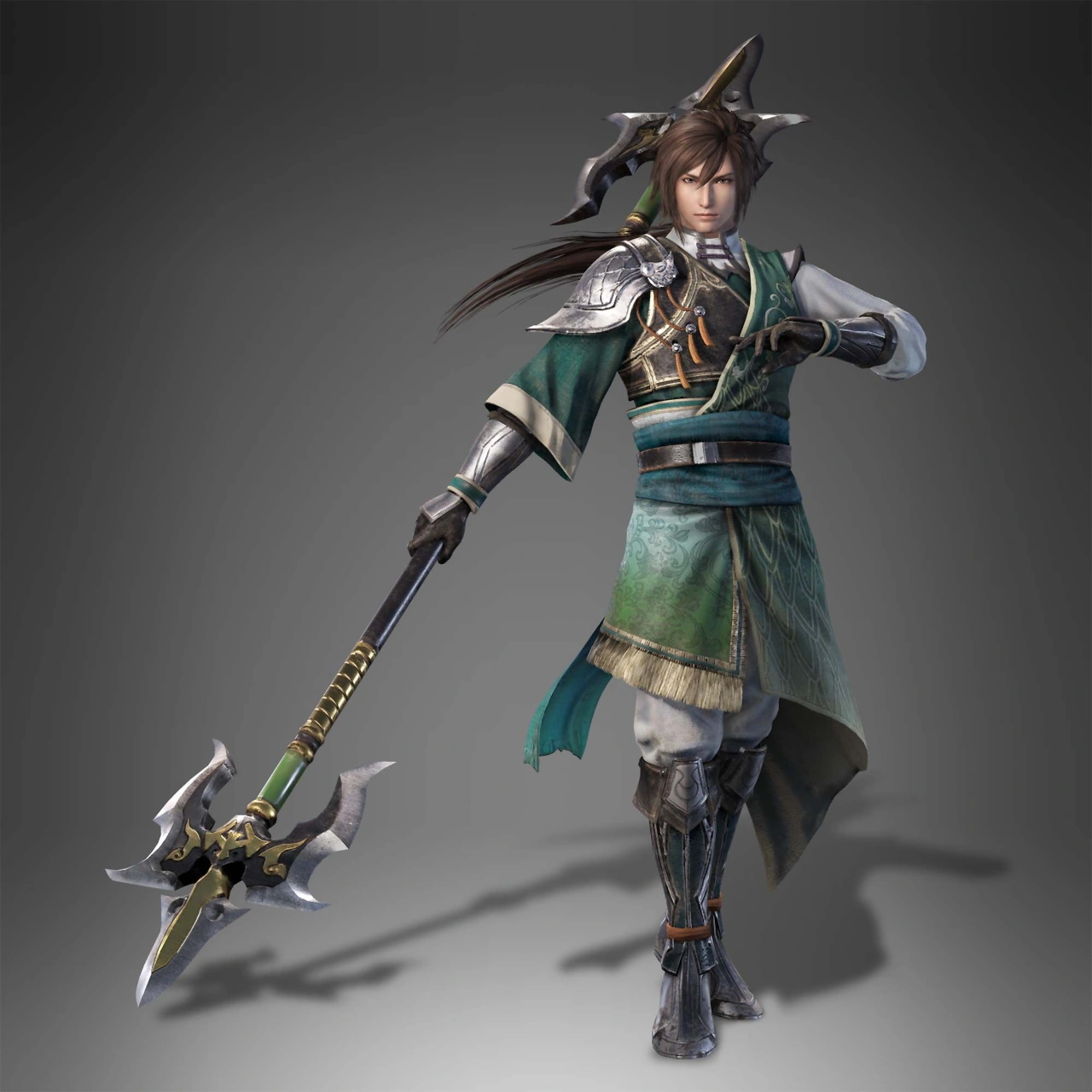
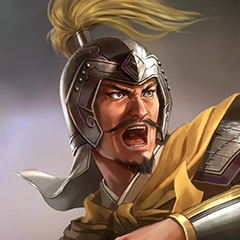
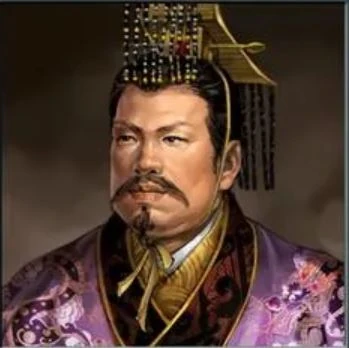
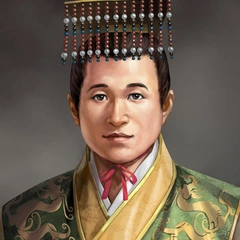
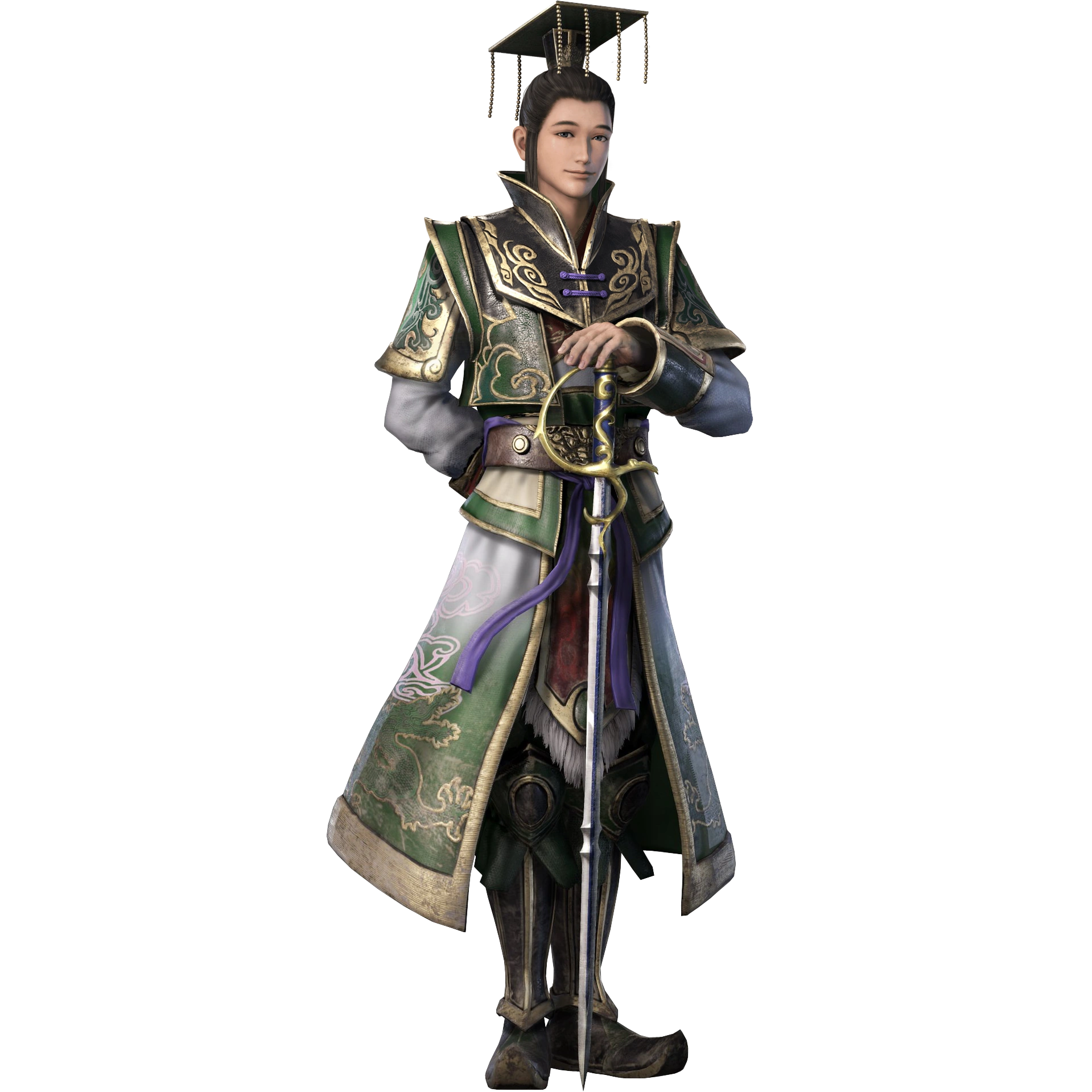
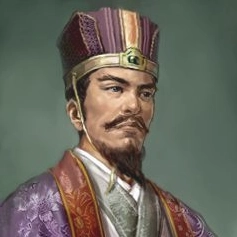
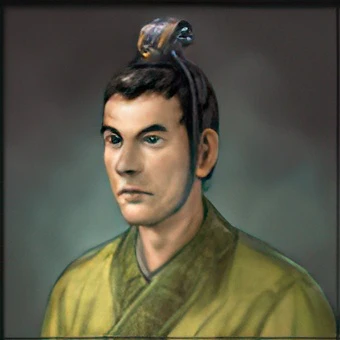
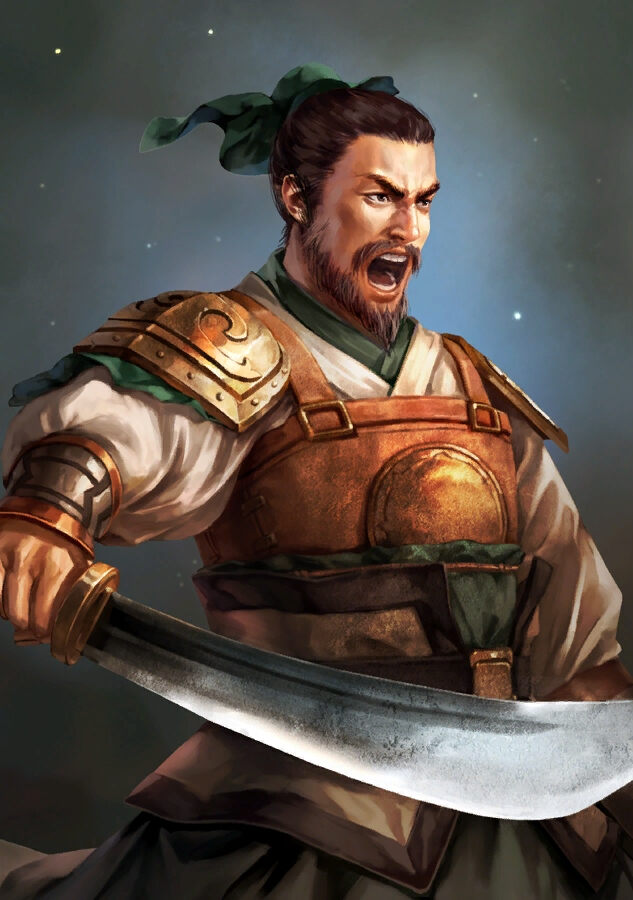
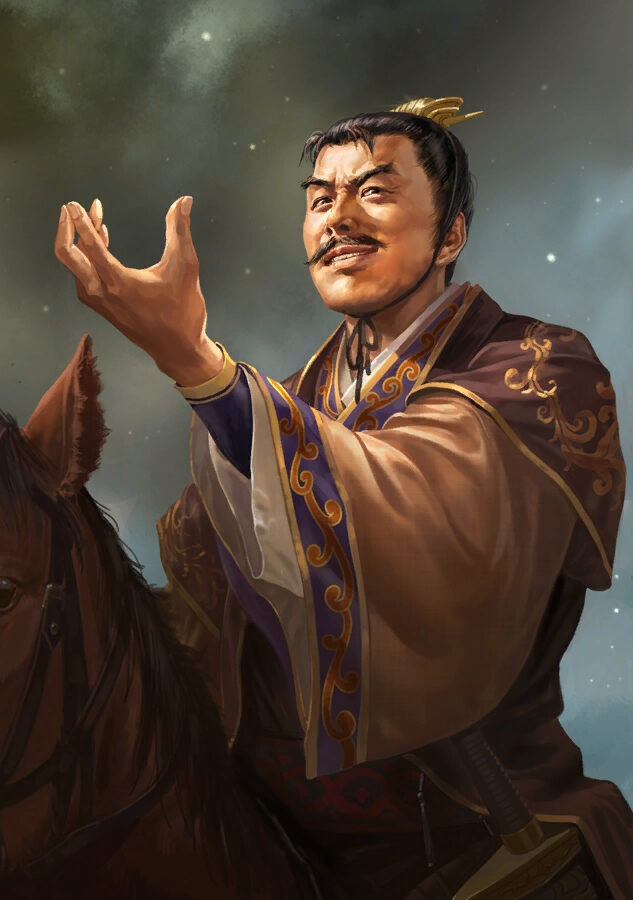
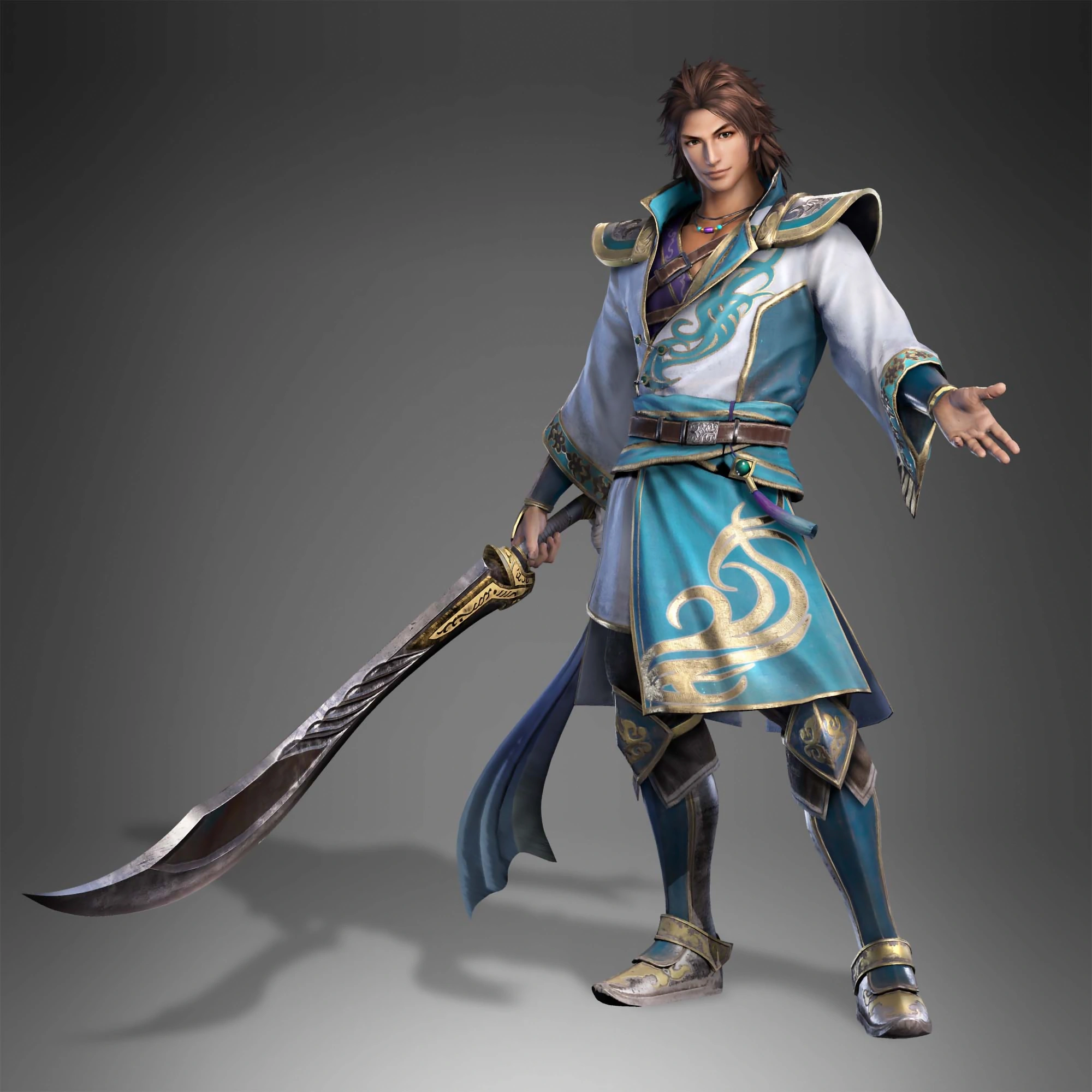
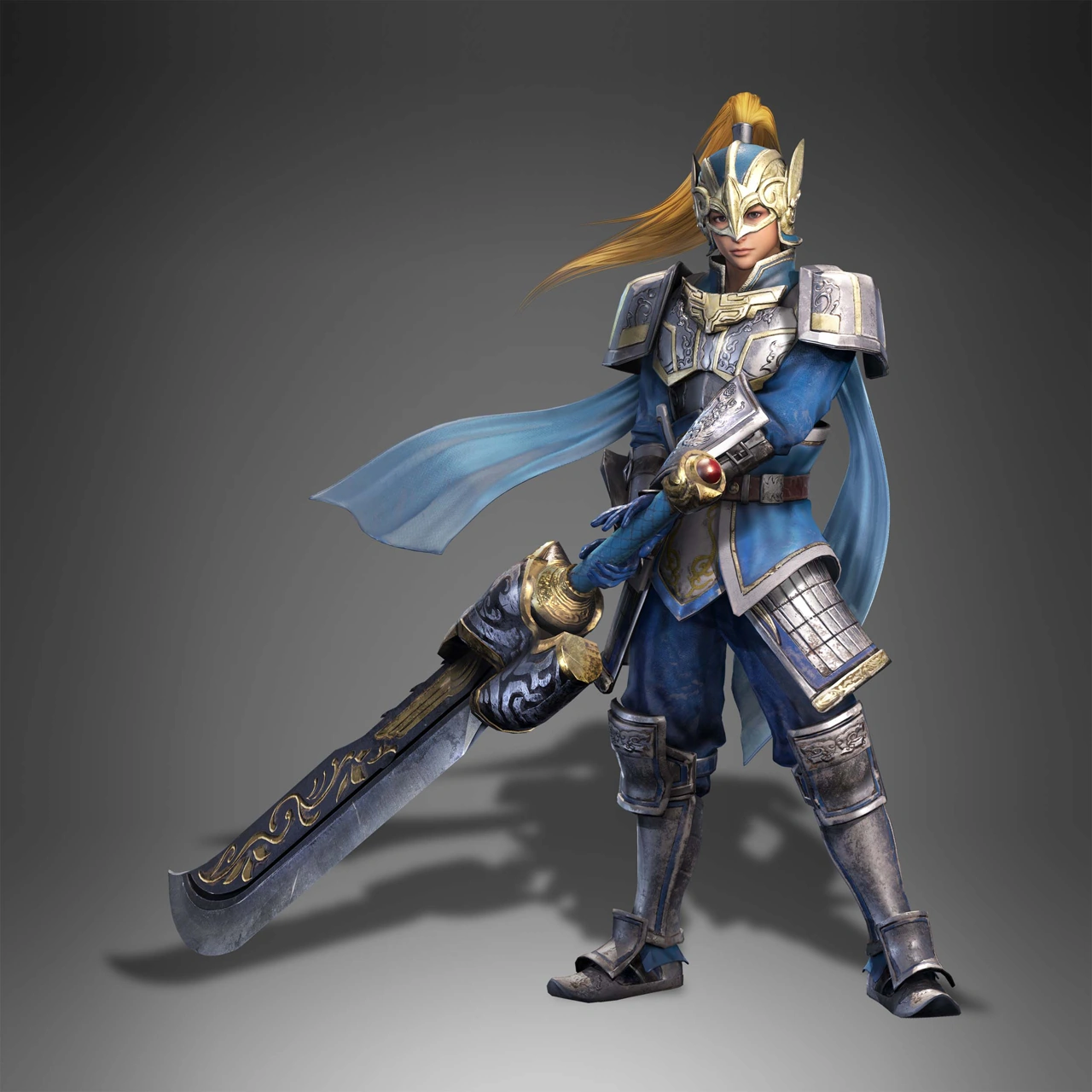
|
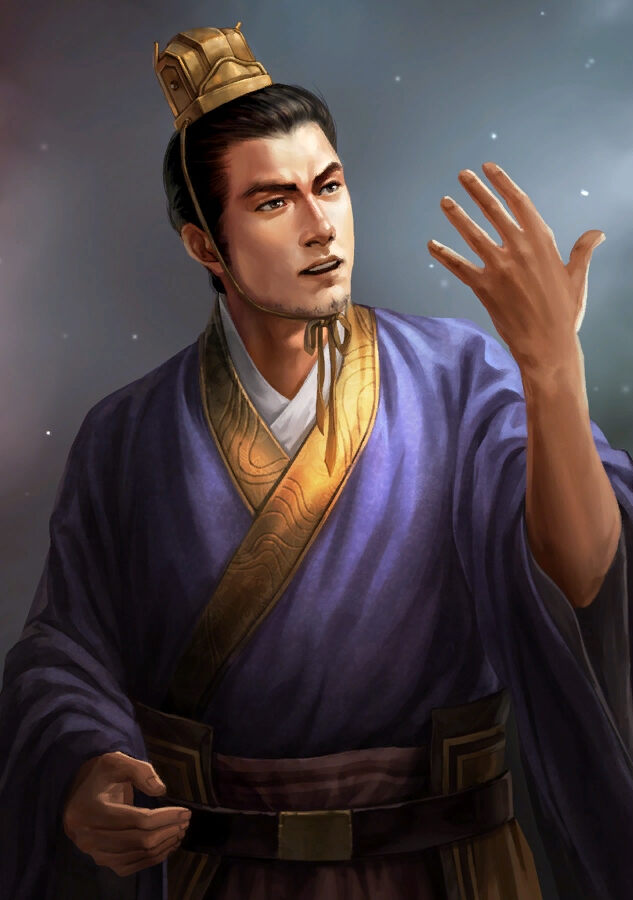
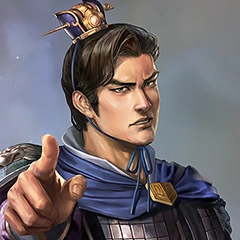
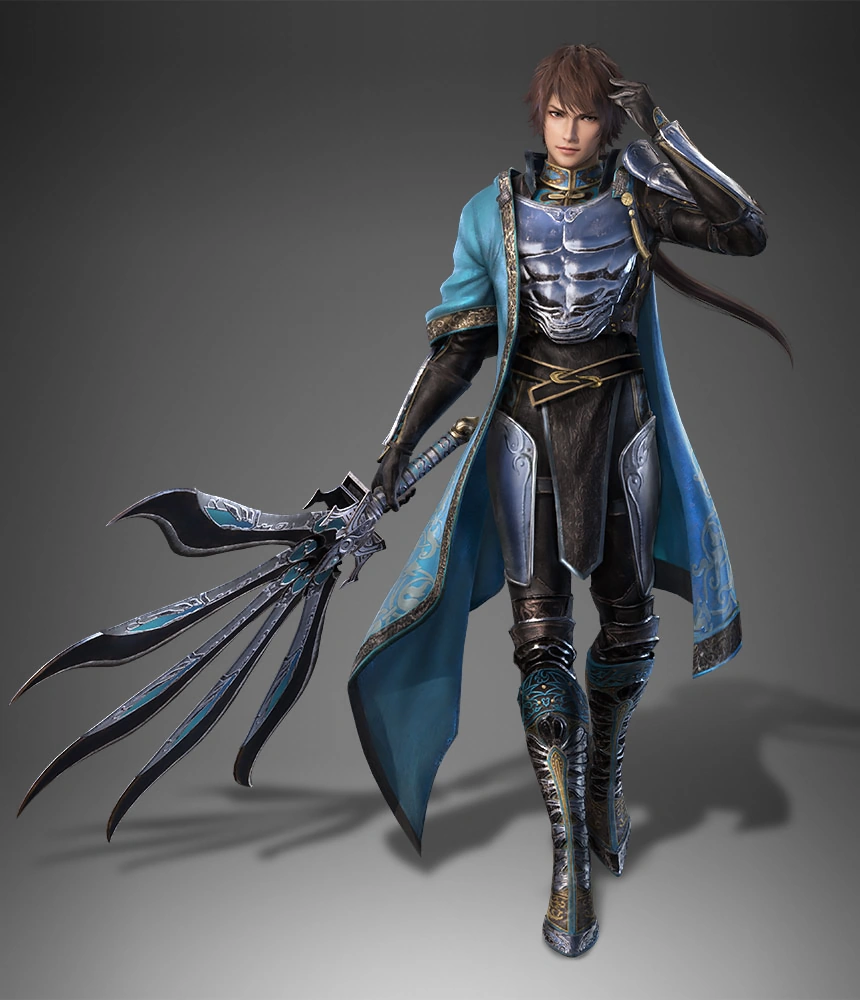
Deng Ai
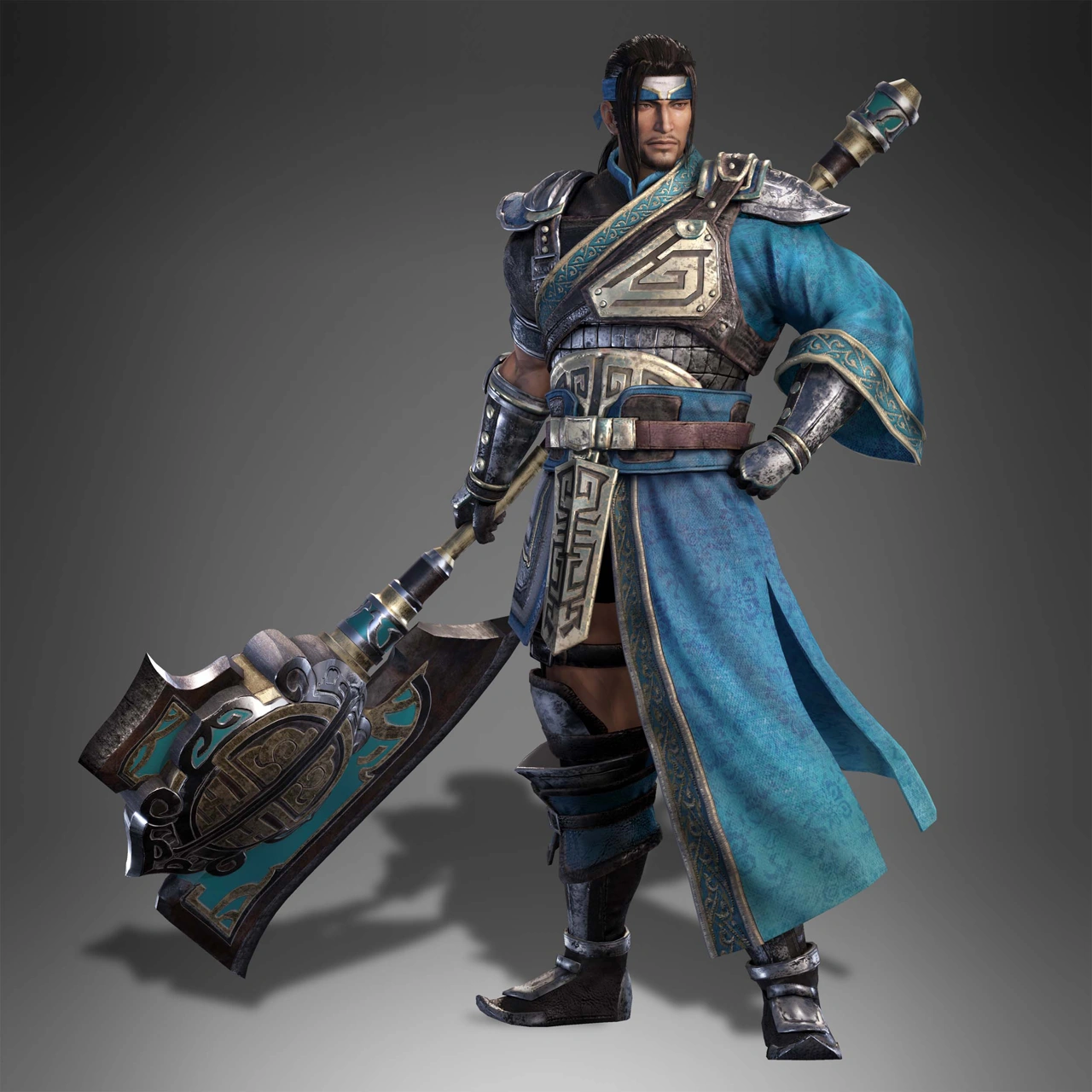
Wins everything in this chapter and maps the rest. Contradicts Sima Wang's reading of the Taoyang march with an exact one of his own - Jiang Wei always goes where the supplies are, Taoyang has none, therefore he expects it to be undefended, and if he takes it he gets a base, Qiang contacts and a grand plan - then abandons Qishan, hides Sima Wang's force inside Taoyang with the gates open, and lies in wait at Houxia eight miles off, 'which is the throat of the place'. The trap kills Xiahou Ba. Attacks the Shu camp the same night and beats Jiang Wei again. Fights him thirty bouts, then refuses every subsequent challenge, works out from the persistence that Qishan is the real target, makes a night demonstration as cover and relieves it. Afterwards his spies map the forty Shu cantonments 'each connected with the next like the joints of a huge serpent', and that map is what puts the conquest of Shu on Sima Zhao's desk.
27 mentions in this chapter
248 mentions in the book
|
|
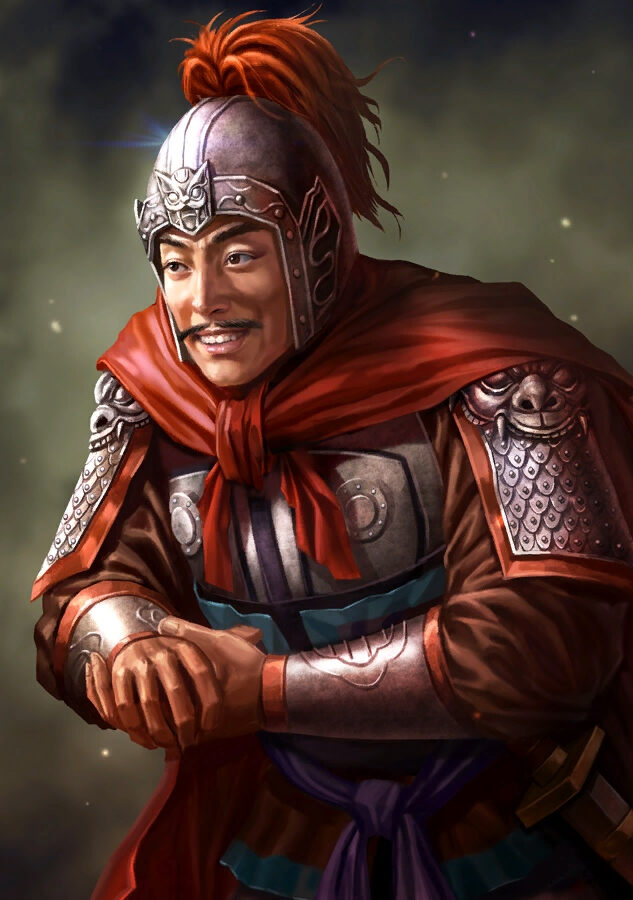
Deng Dun
Executed in mid-council. General of the Front Army, he objects to the invasion on grounds that are perfectly sound — 'Why are you sending our armies into a distant and dangerous country and thus inviting trouble? Jiang Wei has invaded this country many times, and the wars have cost us many lives. We should rather seek safety in defense' — and is answered 'I am sending a righteous army against an unrighteous ruler. How dare you oppose my designs?' The executioners bring his head back to the foot of the steps, and the whole assembly turns pale and then praises the strategy.
2 mentions in this chapter
2 mentions in the book
|
|
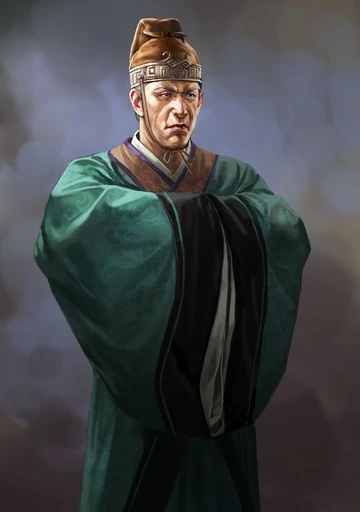
Deng Zhong
Left to hold Houxia when his father goes north to relieve Qishan, with orders that leave no discretion: 'Hold this place most carefully. Let them challenge as they may, do not go out.'
1 mention in this chapter
20 mentions in the book
|
|
Dong Yun
Named in passing only, and long dead, in Liu Shan's own defence of the eunuch: 'I always wondered why Dong Yun seemed to hate poor Huang Hao so much. Now you are the same.' Two of the best men Shu had are dismissed in one sentence as unaccountably prejudiced.
1 mention in this chapter
11 mentions in the book
|
|
Empress Jing'ai
The Empress who receives Lady Hu's visit and keeps her in the Palace for a whole month — the innocent half of the incident that ends with Lady Hu beaten senseless and her husband beheaded.
1 mention in this chapter
3 mentions in the book
|
|
Fu Qian
Left to guard the camp at Houxia when Jiang Wei takes three thousand men to relieve Zhang Yi at Qishan, and afterwards one of the two sent to hold the passes in the defensive cordon Jiang Wei builds before withdrawing to Tazhong.
2 mentions in this chapter
24 mentions in the book
|
|
Hu Ji
Holds one of the four positions that become Shu's last defensive line. 'Hu Ji was set over Hanshou' in the cordon Jiang Wei builds around Hanzhong before going to farm at Tazhong.
1 mention in this chapter
3 mentions in the book
|
|
Huang Hao
Runs the court and cries on cue. He 'encouraged him in every form of self-indulgence and ministered to every desire for luxury and dissipation. Government was left to look after itself.' Puts Yan Yun's case for replacing Jiang Wei, which produces the three recall edicts. Then hides among the rocks by a pond when Jiang Wei gets into the garden, is fetched out to apologise, and performs: 'I am always in attendance upon the Sacred One---that is all I do. I never meddle in state affairs... If you desire my death, I am in your hands, but pity me.' 'And tears ran down his cheeks. Jiang Wei went away in ill humor.'
13 mentions in this chapter
32 mentions in the book
|
|
Jia Chong
Proposes the cheap solution and is overruled. Faced with Deng Ai's map, he tells Sima Zhao that Jiang Wei 'has carried on the work of Zhuge Liang only too thoroughly, and it is hard to force him back. What you need is some crafty brave to assassinate him, so remove this constant menace of war.' Xun Xu talks the plan up into a full invasion instead.
1 mention in this chapter
47 mentions in the book
|
|
Jiang Bin
One of the four garrison commands Jiang Wei sets up before withdrawing to Tazhong: 'Jiang Bin over Hancheng'.
1 mention in this chapter
9 mentions in the book
|
|
Jiang Shu
In the new dispositions he and Fu Qian 'went to guard the passes' while Jiang Wei takes eighty thousand men to farm at Tazhong.
1 mention in this chapter
12 mentions in the book
|
|
Jiang Wei
His ninth attempt by his own count — 'The late Prime Minister made six attempts, all for the state. I have attacked eight times' — and he snaps at Liao Hua for doubting it: 'This time I go to attack Taoyang, and no one shall say me nay. I will punish opposition with death.' Loses Xiahou Ba to the empty-city trap, is beaten twice in two days, rallies the army with 'Loss or gain is the platitude of war', fights Deng Ai thirty bouts without a decision, reads the night demonstration correctly as a feint covering a march to Qishan, and is winning there when three successive edicts recall him. At Chengdu he waits ten days for a court that is never held, learns from Xi Zheng that Huang Hao engineered it to make room for Yan Yun, and asks the Emperor to his face to have the eunuch killed — and is told 'Can you not bear with my one poor eunuch?' He goes to Tazhong on Xi Zheng's advice and with the Emperor's consent: eighty thousand men growing wheat and corn, Hanzhong left garrisoned in depth, and the plan to let Wei wear itself out dragging grain over the mountains.
40 mentions in this chapter
443 mentions in the book
|
|
Lady Hu
Liu Yang's very beautiful wife, kept a month in the Palace after going in to visit the Empress, and on her return bound by her own husband and beaten about the face with the boots of five hundred soldiers until she repeatedly lost consciousness. The court's ruling on her behalf is the one act of justice in Liu Shan's reign that the chapter records.
2 mentions in this chapter
2 mentions in the book
|
|
Liao Hua
Gives the warning that the expedition is one too many, and is snapped at for it: 'I dare not presume to advise you, General. For years we have been fighting and giving the people no rest. In Deng Ai we find a most formidable and resourceful opponent and an extraordinarily capable man, so that you must exert yourself to the very utmost.' Left in charge of the base at Hanzhong for the campaign.
2 mentions in this chapter
87 mentions in the book
|
|
Liu Hong
Named in Jiang Wei's warning to the throne as the exact precedent: 'The times of the Emperor Ling and the Ten Regular Attendants have returned.' The reign this whole novel opened on, invoked a hundred chapters later against the dynasty that was founded to repair it.
1 mention in this chapter
49 mentions in the book
|
|
Liu Shan
Refuses to see it, twice over, and in almost the same words both times. Tells Jiang Wei that Huang Hao 'is but a minor servant, one who runs errands for me. If he tried to do as you say, he could not. I always wondered why Dong Yun seemed to hate poor Huang Hao so much. Now you are the same.' And when Jiang Wei beats his head on the ground: 'If you love anyone, you want him to live; if you dislike him, you desire his death. Can you not bear with my one poor eunuch?' Then has Huang Hao fetched to apologise to the man he has just ruined. He also signs the three recall edicts and, afterwards, the consent for Tazhong.
23 mentions in this chapter
254 mentions in the book
|
|
Liu Yan
Executed in this chapter. A High Minister whose wife is kept a month in the Palace by the Empress; suspecting an intrigue with the Emperor, 'He bound Lady Hu, and made five hundred of his soldiers shame her to the last degree by beating her on the face with their boots. She swooned many times.' The judges rule that 'Soldiers are not proper persons to administer a punishment to a woman, and the face is not a portion of the body to be mortified: The author of this crime ought to be put to death.' Beheaded.
3 mentions in this chapter
5 mentions in the book
|
|
Qiao Zhou
Opposes the ninth expedition on astrological grounds — 'I have observed the heavens. I have seen the leadership stars in Shu dull and obscured. This expedition will be disastrous' — is put off with 'Let us see the results of this campaign. If it fails, then the war shall cease', tries two or three more times, and then withdraws from public life altogether: 'In despair he withdrew to his home, and retired on the pretext of illness.'
2 mentions in this chapter
25 mentions in the book
|
|
Shao Ti
His warning is the chapter's last line and the next chapter's subject. Minister of the Western Affairs, he waits until Sima Zhao has seen Zhong Hui off and then whispers 'My lord has sent Zhong Hui with a large army against Shu. I think he is too ambitious to be trusted with such powers?' — and gets 'Think you I do not know?' The chapter ends on what Sima Zhao says next, which the reader is not told.
3 mentions in this chapter
7 mentions in the book
|
|
Shi Zuan
Given the Qishan camps when Deng Ai takes the main body to Taoyang, and very nearly loses them: Zhang Yi's division attacks with the defenders too few to hold, and 'it looked as though the defenders must soon give in, when the sudden appearance of Deng Ai made all the difference.'
3 mentions in this chapter
15 mentions in the book
|
|
Sima Wang
In the field with Deng Ai, and he springs the chapter's decisive trap. Reads the Taoyang march as a decoy for Qishan and is overruled. Then given the harder half of Deng Ai's plan: take Taoyang, hide the garrison, leave the gates standing open, and wait. Xiahou Ba walks in and dies under the arrows and stones; the sortie that follows breaks the whole Shu van, and it takes Jiang Wei's arrival to drive Sima Wang back inside.
2 mentions in this chapter
20 mentions in the book
|
|
Sima Zhao
Decides to conquer Shu, and lays out exactly how. Furious at Deng Ai's map of the forty cantonments - 'This Jiang Wei has invaded our country many times, and we have been unable to destroy him. He is the one sorrow of my heart' - he rejects Jia Chong's assassin for Xun Xu's army, appoints Zhong Hui and Deng Ai, and executes Deng Dun on the spot for objecting. His strategy is stated in full: six years of preparation since the east, Shu first and then Wu 'like a flood', which is 'the method destroy Guo to capture Yu'; and a troop count to the nearest ten thousand on both sides. Sees through Zhong Hui's shipbuilding, accepts the explanation, escorts him three miles out of the city - and then tells Shao Ti, who has just warned him that Zhong Hui is too ambitious to trust, 'Think you I do not know?'
13 mentions in this chapter
170 mentions in the book
|
|
Tang Zi
Sent along the coastal regions of Dengzhou and Laizhou to collect vessels, as part of Zhong Hui's shipbuilding feint - the Wu defector of ch112 now employed to make Wei's invasion of Shu look like an invasion of Wu.
1 mention in this chapter
5 mentions in the book
|
|
Wang Han
Given Yuecheng in the ring of garrisons Jiang Wei leaves behind him: 'Hu Ji was set over Hanshou, Wang Han of Yuecheng, Jiang Bin over Hancheng.'
1 mention in this chapter
9 mentions in the book
|
|
Xi Zheng
Saves Jiang Wei twice, and the second time saves Shu's army with him. Tells him plainly why he was recalled ('Huang Hao wanted to push Yan Yun into favor, so he intrigued for your recall'), then stops him from acting on it - 'You are the successor of the Martial Lord, Zhuge Liang, the man to whom he bequeathed his unfinished task. You are too important to act hastily or indiscreetly. If the Emperor withdrew his support, it would go ill with you.' And when the audience goes badly he supplies the whole Tazhong plan: a rich county in the West Valley Land, a cantonment like the Martial Lord's, grain for the armies, the west of Longyou secured, Hanzhong screened, and the military authority kept so that 'no one will dare intrigue against you, and you will be safe'. Jiang Wei's answer: 'Your speech is gold and jewels!'
4 mentions in this chapter
11 mentions in the book
|
|
Xiahou Ba
Where he dies. Leads the van to Taoyang, finds no flagstaffs and the gates standing open, and is wary enough to ask 'Is there any ruse in there?' — then is talked round by his own scouts, who have seen people fleeing on the southern road, and rides out himself to the northwest to confirm it. 'The city is really empty,' said Xiahou Ba. He leads the way in; the bomb goes off at the curtain wall, the drums and trumpets start, the flags come up and the drawbridge rises. 'Caught!' said Xiahou Ba — and 'as he turned to retire, the arrows and stones flew down in clouds, and under these Xiahou Ba and many of his soldiers lost their lives.' The chapter gives him a quatrain: 'Most able strategist and brave, / Xiahou Ba, outwitted here / By Deng Ai, more prudent still, and slain, / Deserves a pitying tear.' Jiang Wei 'was very grieved at the loss'.
7 mentions in this chapter
66 mentions in the book
|
|
Xun Xu
Settles both the method and the commanders. Against Jia Chong's proposal of an assassin he argues that the state is already rotten — 'Liu Shan, the Ruler of Shu, is steeped in dissipation and has given all his confidence to one favorite, Eunuch Huang Hao… and Jiang Wei has gone to Tazhong only that he may save his life. If you send an able leader and a strong army, victory is certain. Where is the need for an assassin's dagger?' — and then names them: 'Deng Ai is the ablest leader of the day. Give him Zhong Hui as his second, and the thing is done.'
2 mentions in this chapter
3 mentions in the book
|
|
Yan Yu
The immediate cause of the recall. 'Among the sycophants of Huang Hao was Yan Yun, General of the Right Army, whose lack of merit had not stood in the way of preferment.' Hearing of Jiang Wei's reverses at Qishan, he gets Huang Hao to propose that 'Jiang Wei should be recalled as he has not been able to score a decisive victory. Yan Yun can be sent to replace him' — and the edict follows.
4 mentions in this chapter
4 mentions in the book
|
|
Zhang Rang
Named in the same warning as the recent example of what a eunuch favourite does to a dynasty - 'Your Majesty may recall Zhang Rang recently or Zhao Gao in the old time' - the chief of the Ten Regular Attendants from ch1-3.
1 mention in this chapter
18 mentions in the book
|
|
Zhang Yi
The chapter's one good Shu idea is his: 'With so many troops of Wei here, their camp at Qishan must be undefended. I propose, General, that while you continue the contest here with Deng Ai, I go to try to capture the nine camps. If I succeed, Changan will be at our mercy.' Takes the second division, is driving Shi Zuan in when Deng Ai arrives and forces him behind the hills with no road open, and turns the tables again the moment Jiang Wei comes up. Withdraws with the main body when the edicts arrive.
6 mentions in this chapter
76 mentions in the book
|
|
Zhao Gao
Named in the same warning as the ancient example, paired with Zhang Rang: the eunuch who destroyed the Qin in the second generation. Jiang Wei's point is that both dynasties fell the way Shu is falling now.
1 mention in this chapter
1 mention in the book
|
|
Zhong Hui
Arrives with the invasion already planned. Asked whether he can lead an expedition against Wu, he answers 'My lord's design is not against Wu, but Shu' — and when asked how he would do it, produces maps showing 'the camps, and storehouses, and roads all complete'. Declines to share a line of march with Deng Ai ('The River Lands is large, and there is space for more than one set of operations'). Made General Who Conquers the West with command over the forces Within the Passes and the armies of six provinces. Then builds large ships in five provinces and sends Tang Zi along the coast for more, purely as a feint — 'If Shu hears that we intend to attack the west, they will ask assistance from Wu. So I pretend to attack Wu… When Shu is beaten, the ships will be ready and useful for an expedition into the east.' It deceives his own chief.
8 mentions in this chapter
131 mentions in the book
|
|
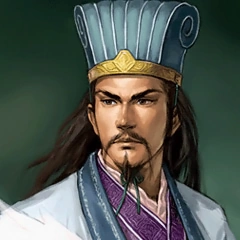
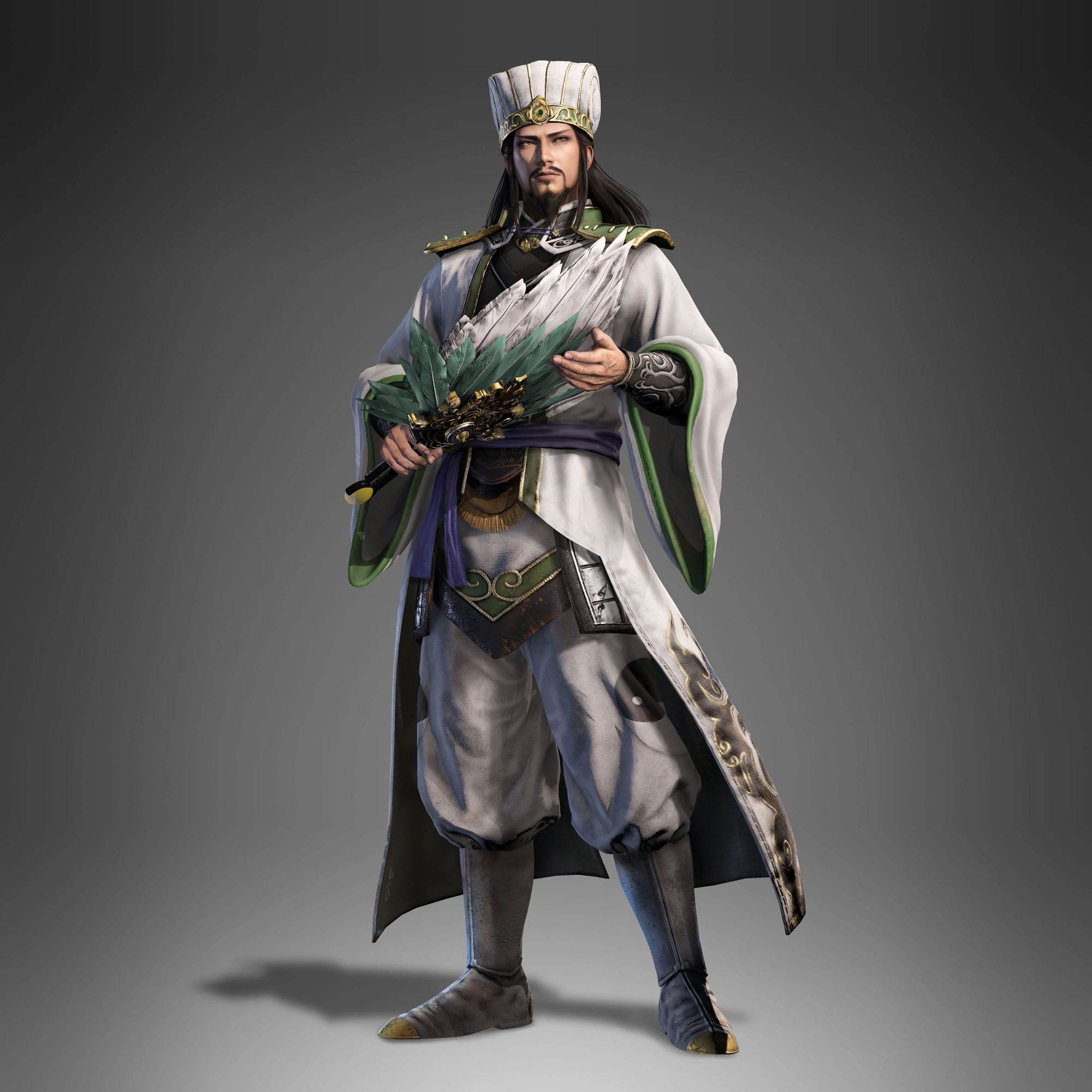
Zhuge Liang
Named in passing three times, and all three measure how far Shu has fallen from him: Jiang Wei's 'The late Prime Minister made six attempts, all for the state. I have attacked eight times'; Xi Zheng's 'You are the successor of the Martial Lord, Zhuge Liang, the man to whom he bequeathed his unfinished task'; and the Tazhong plan itself, proposed as 'a cantonment there like the Martial Lord did'.
2 mentions in this chapter
1454 mentions in the book
|
-
Chang'an County County(34.2464, 108.9070)
-
Chengdu County County(30.6661, 104.0754)
-
Dengzhou
-
Guo State (Spring+Autumn) Region
-
Hancheng
-
Hanshou County
-
Hanzhong Commandery Commandery(33.0730, 107.0359)
-
Houxia Settlement
-
Jin State (Spring+Autumn) Region
-
Jing Province Province
-
Laizhou
-
Land Within the Passes Region
-
Longyou Region
-
Luo Valley Landmark
-
Middle Land Region
-
Qing Province Province
-
-
-
Qishan
-
Shu (Three Kingdoms) Region
-
Taoyang
-
Tazhong
-
Wei (Three Kingdoms) Region
-
West Valley Land Region
-
Wu (Three Kingdoms) Region
-
Xu Province Province
-
Yan Province Province
-
Yang Province Province
-
Yu Province Province
-
Yuecheng