Cao Huan
曹奐
Courtesy name: Jingming (景明)
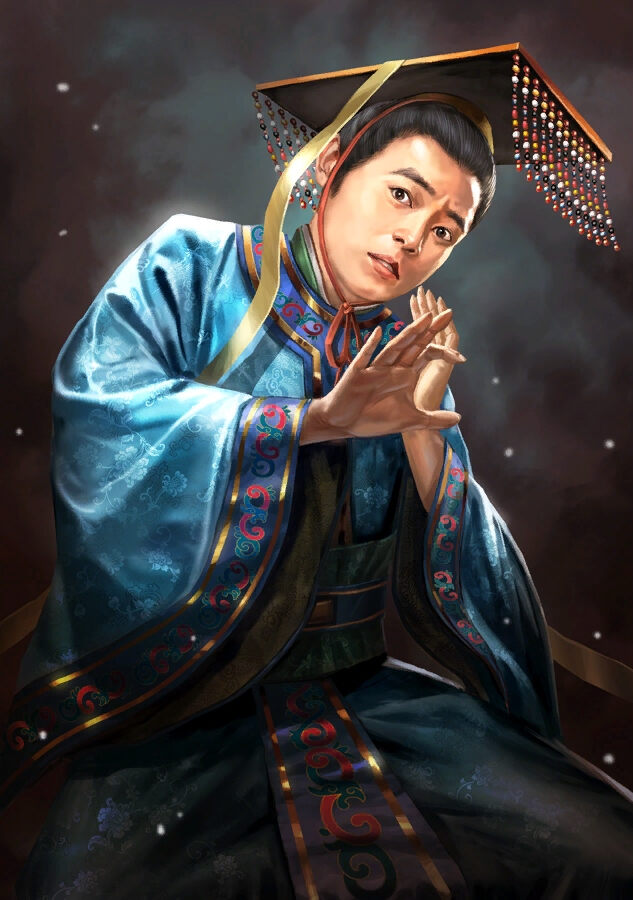
Source:
kongming.net
- Born
- 246
- Died
- 302
- Ancestral home
- Qiao County, Pei (Bozhou, Anhui)
- Also known as
- Cao Huang
- Book mentions
- 38
Roles:
emperor
Factions:
Cao Wei
(primary)
Links:
-
Wikipedia entry Bio
Appears in 5 chapters:
-
Chapter 114
— Driving To The South Gate, Cao Mao Plunges Into Death; Abandoning Stores, Jiang Wei Defeats The Wei Army.
Raised to the throne in the sixth month as the fourth and last Wei emperor — 'Cao Huang was a son of Cao Yu, Prince of Yan, and a great grandson of Cao Cao' — with the reign style Wonderful Beginning (AD 260). His one recorded act is receiving Deng Ai's report of defeat.
-
Chapter 117
— Deng Ai Gets Through The Yinping Mountains; Zhuge Zhan Falls In The Battlefield Of Mianzhu.
Named only through the authority Zhong Hui claims when he oversteps it: 'I have a command from the Emperor and orders from the Prime Minister to attack Shu.'
-
Chapter 118
— Weeping At The Ancestral Temple, A Filial Prince Dies; Marching To The West River Land, Two Leaders Competes.
The Wei emperor in whose name the whole conquest is conducted, and who is taken along on the march west whether he likes it or not: Sima Zhao sets out 'directing a great march under the leadership of the Ruler of Wei, Cao Huang, whom he compelled to go with him'. Both edicts in the chapter — Deng Ai's promotion and Zhong Hui's — are issued over his name and neither is his idea.
-
Chapter 119
— The False Surrender: A Wit Scheme Becomes A Vain Plan; The Abdication: Later Seeds Learn From The Ancient.
Abdicates, and the Wei dynasty ends. Makes Sima Zhao Prince of Jin because he has no choice — 'At that time, Cao Huang ruled in name only, for he had no authority.' Holds no court for days out of dread, rises from his seat to meet Sima Yan when he walks in with a sword, and can give only the one honest answer ('Certainly success was due to your forefathers') before his lips refuse a reply altogether. Weeps and begs pardon for Zhang Jie and is refused. Ascends the terrace in full robes with the seal in his hand, comes down, robes himself as a minister and takes his place first among subjects, and is made Prince of Chenliu and sent to live at Jinyong, forbidden the court unless summoned. 'Sadly Cao Huang withdrew with tears in his eyes.'
-
Chapter 120
— Recommending Du Yu, An Old General Offers New Plans; Capturing Of Sun Hao, Three Kingdoms Becomes One.
The deposed last emperor of Wei, whose fate is reported in the novel's final accounting: he 'passed away in the first year of Magnificent Peace (AD 302)', of natural causes — outliving both the man who took his throne and the two rulers he is counted beside.