In The Snow, Ding Feng Wins A Victory;
At A Banquet, Sun Jun Executes A Secret Plan.
As has been said, Jiang Wei, in his retreat, fell in with a force under Sima Shi, barring his road. It came about thus. After Jiang Wei invaded Yongzhou, Guo Huai had sent a flying messenger to the capital, and the Ruler of Wei summoned Sima Yi for advice. It had then been decided to send reinforcements to Yongzhou, and fifty thousand troops had marched, led by the son of the Prime Minister. On the march Sima Shi had heard that the Shu army had been beaten back, and he had concluded they were weak. So he decided to meet them on the road and give battle. Near the Yangping Pass, however, the roads had been lined with troops armed with the multiple crossbows designed by Zhuge Liang. Since Zhuge Liang's death, large numbers of these weapons had been made, and the bolts from them, which went in flights of ten, were poisoned. Consequently the Wei losses were very heavy, and Sima Shi himself barely escaped with life. However, eventually he returned to Luoyang.
From the walls of Qushan, the Shu general, Gou Ai, watched anxiously for the expected help. As it came not, he ultimately surrendered. And Jiang Wei, with a loss of twenty to thirty thousand soldiers, marched back into Hanzhong.
In the third year of Domestic Calm (AD 251), in the eighth month, Sima Yi fell ill. His sickness increased rapidly, and, feeling that his end was near, he called his two sons to his bedside to hear his last words.
"I have served Wei many years and reached the highest rank possible among ministers. People have suspected me of ulterior aims, and I have always felt afraid of that. After my death the government will be in your hands, and you must be doubly careful."
Sima Yi passed away even as he said these last words. The sons informed the Ruler of Wei, who conferred high honors upon the dead and advanced his sons, Sima Shi to the rank of Regent Marshal with the leadership of the Chairs of the Boards, and Sima Zhao to the rank of Commander of the Flying Cavalry.
Meanwhile in the South Land, the Ruler of Wu, Sun Quan, had named his son Sun Deng as his heir. His mother was Lady Xu. But Sun Deng died in the fourth year of the Red Crow Era (AD 241). So the second son Sun He was chosen his successor. His mother was Lady Wang. A quarrel arose between Sun He and Princess Quan, who maligned him and intrigued against him, so that he was set aside. Sun He died of mortification. Then the third son Sun Liang was named the Heir Apparent. His mother was Lady Pan.
At this time old officials like Lu Xun and Zhuge Jin were dead, and the business of the government, great and small, was in the hands of Zhuge Ke, son of Zhuge Jin.
In the first year of Grand Beginning Era (AD 251), on the first of the eighth month, a great storm passed over Wu. The waves rose to a great height, and the water stood eight feet deep over the low-lying lands. The pines and cypresses, which grew at the cemetery of the Imperial Ancestors of Wu, were uprooted and carried to the South Gate of Jianye, where they stuck, roots upward, in the road.
Sun Quan was frightened and fell ill. In the early days of the next year his illness became serious, whereupon he called in Imperial Guardian Zhuge Ke and Regent Marshal Lu Dai to hear the declaration of his last wishes. Soon after he died, at the age of seventy-one. He had reigned for twenty-four years. In Shu-Han calendar it was the fifteenth year of Long Enjoyment (AD 252).
A hero, green-eyed and purple-bearded,
He called forth devotion from all.
He lorded the east without challenge
Till death's one imperative call.
Zhuge Ke immediately placed his late lord's son Sun Liang on the throne, and the opening of the new reign was marked by the adoption of the style Great Prosperity Era, the first year (AD 252). A general amnesty was proclaimed. The late ruler received the posthumous style of Sun Quan the Great Emperor and was buried in Jiangling.
When these things were reported in the Wei capital, Sima Shi's first thought was to attack the South Land.
But his plans were opposed by Chair of the Secretariat Fu Gu, saying, "Remember what a strong defense to Wu is the Great River. The country has been many times attacked by our ancestors, but never conquered. Rather let us all hold what we have till the time be expedient to possess the whole empire."
Sima Shi replied, "The way of Heaven changes thrice in a century, and no three-part division is permanent. I wish to attack Wu."
Sima Zhao, his brother, was in favor of attack, saying "The occasion is most opportune. Sun Quan is newly dead, and the present ruler is a child."
An expedition was decided upon. Wang Chang, General Who Conquers the South, was sent with one hundred thousand troops against Nanjun. Guanqiu Jian, General Who Guards the South, was given one hundred thousand troops to go against Wuchang. Hu Zun, General Who Conquers the East, led one hundred thousand troops against Dongxing. They marched in three divisions. Sima Zhao was made Commander-in-Chief of the campaign.
In the winter of that year, the tenth month, Sima Zhao marched the armies near to the Wu frontiers and camped. Sima Zhao called together Wang Chang, Guanqiu Jian, Hu Zun, and various other commanders to decide upon plans.
He said, "The county of Dongxing is most important to Wu. They have built a great rampart, with walls right and left to defend Lake Chaohu from an attack in the rear. You gentlemen will have to exercise extreme care."
Then he bade Wang Chang and Guanqiu Jian each to take ten thousand troops and place themselves right and left, but not to advance till Dongxing had been captured. When that city had fallen, these two were to go forward at the same time. Hu Zun was to lead the van. The first step was to construct a floating bridge to storm the rampart. The two walls should then be captured.
News of the danger soon came to Wu, and Zhuge Ke called a council to take measures.
Then said Ding Feng, General Who Pacifies the North, "Dongxing is of the utmost importance as its loss would endanger Wuchang."
"I agree with you," said Zhuge Ke. "You say just what I think. You should lead three thousand marines up the river in thirty ships, while on land Lu Ju, Tang Zi, and Liu Zang will follow in three directions with ten thousand troops each. The signal for the general attack will be a cluster of bombs."
Ding Feng received the command, and, with three thousand marines and thirty battleships, he sailed in the Great River to Dongxing.
Hu Zun, the Van Leader of Wei, crossed on the floating bridge, took and camped on the rampart. He then sent Huan Jia and Han Zong to assault the left and right flanking forts, which were held by the Wu Generals Quan Yi and Liu Lue. These forts had high walls and strong, and made a good resistance, so that the Wei force could not overcome. But Quan Yi and Liu Lue dared not venture out to attack so strong a force as was attacking them.
Hu Zun made a camp at Xutang. It was then the depth of winter and intensely cold. Heavy snow fell. Thinking that no warlike operations were possible in such weather, Hu Zun and his officers made a great feast.
In the midst of the feasting came one to report: "Thirty ships are coming in the river."
Hu Zun went out to look and saw them come into the bank. He made out a hundred troops on each.
As they were so few, he returned to the feast and told his officers, "Only three thousand sailors. There is nothing to be alarmed at."
Giving orders to keep a careful watch, they all returned to enjoy themselves.
Ding Feng's ships were all drawn up in line. Then he said to his officers, "Today there is indeed a grand opportunity for a brave soldier to distinguish himself. We shall need the utmost freedom of movement, so throw off your armor, leave your helmets, cast aside your long spears, and reject your heavy halberds. Short swords are the weapons for today."
From the shore the soldiers of Wei watched the Wu marines with amusement, taking no trouble to prepare against an attack. But suddenly a cluster of bombs exploded, and simultaneously with the roar Ding Feng sprang ashore at the head of his troops. They dashed up the bank and made straight for the Wei camp.
The soldiers of Wei were taken completely by surprise and were helpless. Han Zong grasped one of the halberds that stood by the door of the commander's tent, but Ding Feng stabbed him in the breast, and he rolled over. Huan Jia went round and came up on the left. Just as he poised his spear to thrust, Ding Feng gripped it under his arm. Huan Jia let go and turned to flee, but Ding Feng sent his sword flying after him and caught him in the shoulder. He turned and was thrust through by Ding Feng's spear.
The three companies of Wu marines went to and fro in the camp of Wei slaying as they would. Hu Zun mounted a horse and fled. His troops ran away across the floating bridge, but that gave way and many were thrown into the water and drowned. Dead bodies lay about on the snow in large numbers. The spoil of military gear that fell to Wu was immense.
Sima Zhao, Wang Chang, and Guanqiu Jian, seeing the Dongxing front had been broken, decided to retreat.
Zhuge Ke marched his army to Dongxing, and he made great feastings and distribution of rewards in celebration of victory.
Then he said to his leaders, "Sima Zhao has suffered a defeat and retreated to the north. It is time to take the Middle Land!"
So he told his officers that this was his intention, and also sent away letters to Shu to engage the aid of Jiang Wei, promising that the empire should be divided between them when they had taken it.
An army of two hundred thousand troops was told off to invade the Middle Land. Just as it was starting, a stream of white vapor was seen emerging from the earth, and as it spread it gradually enveloped the whole army so that people could not see each other.
"It is a white rainbow," said Jiang Yan, "and it bodes ill to the army. I advise you, O Imperial Guardian, to return and not march against Wei."
"How dare you utter such ill-omened words and blunt the keenness of my army?" cried Zhuge Ke, angrily.
He bade the lictors take Jiang Yan out and put him to death. But Jiang Yan's colleagues interceded for him, and he was spared, but he was stripped of all rank. Orders were issued to march quickly.
Then Ding Feng offered a suggestion, saying, "Wei depends on Xincheng for the defense of its passes. It would be a severe blow to Sima Shi if Xincheng falls."
Zhuge Ke welcomed this suggestion and gave orders to march on Xincheng. They came up and found the city gates closed, wherefore they began to besiege the city. The Commander in the city, Zhang Te, saw the legions of Wu at the walls, held a strict defense.
A hasty messenger was sent to Luoyang, and Secretary Yu Song told the Prime Minister, Sima Shi.
Yu Song said, "Zhuge Ke is laying siege to Xincheng. The city should not try to repulse the attack, but simply hold out as long as possible. When the besiegers have exhausted their provisions, they will be compelled to retire. As they retreat, we can smite them. However, it is necessary to provide against any invasion from Shu."
Accordingly Sima Zhao was sent to reinforce Guo Huai so as to keep off Jiang Wei, while Guanqiu Jian and Hu Zun kept the army of Wu at bay.
For months the army of Zhuge Ke battered at Xincheng without success. He urged his generals to strenuous efforts, threatening to put to death anyone who was dilatory. At last his attacks looked like succeeding, for the northeast corner of the wall seemed shaken.
Then Zhang Te, the Commander of Xincheng, thought of a device. He sent a persuasive messenger with all the register documents to Zhuge Ke.
And the messenger said, "It is a rule in Wei that if a city holds out against attack for a hundred days and reinforcement has not arrived, then its commander may surrender without penalty to his family. Now Xincheng has held out for over ninety days, and my master hopes you will allow him to withstand the few days necessary to complete the hundred, when he will yield. Here are all register documents that he desires to tender first."
Zhuge Ke had no doubts that the story was genuine. He ordered the army to retreat temporarily, and the defenders enjoyed a rest. But all Zhang Te really desired was time wherein to strengthen the weak angle of the wall. As soon as the attacks ceased, the defenders pulled down the houses near the corner and repaired the wall with the material.
As soon as the repairs were complete, Zhang Te threw off all pretense and cried from the wall, "I have half a year's provisions yet and will not surrender to any curs of Wu!"
The defense became as vigorous as before the truce. Zhuge Ke was enraged at being so tricked, and urged on the attack. But one day one of the thousands of arrows that flew from the rampart struck him in the forehead, and he fell. He was borne to his tent, but the wound inflamed, and he became very ill.
Their leader's illness disheartened the troops, and, moreover, the weather became very hot. Sickness invaded the camp, so that soldiers and leaders alike wished to go home.
When Zhuge Ke had recovered sufficiently to resume command, he urged on the attack, but the generals said, "The soldiers are sick and unfit for battle."
Zhuge Ke burst into fierce anger, and said, "The next person who mentions illness will be beheaded."
When the report of this threat got abroad, the soldiers began to desert freely. Presently Commander Cai Lin, with his whole company, went over to the enemy. Zhuge Ke began to be alarmed and rode through the camps to see for himself. Surely enough, the soldiers all looked sickly, with pale and puffy faces.
The siege had to be raised, and Zhuge Ke retired into his own country. But scouts brought the news of retreat to Guanqiu Jian who led the Wei's grand army to follow and harass Zhuge Ke's march and inflicted a severe defeat.
Mortified by the course of events, after his return Zhuge Ke did not attend court held by the Ruler of Wu, but pretended illness.
Sun Liang, the Ruler of Wu, went to the residence to see his general, and the officers came to call. In order to silence comment, Zhuge Ke assumed an attitude of extreme severity, investigating everyone's conduct very minutely, punishing rigorously any fault or shortcoming and meting out sentences of banishment, or death with exposure, till everyone walked in terror. He also placed two of his own cliques---Zhang Yue and Zhu En---over the royal guards, making them the teeth and claws of his vengeance.
Now Sun Jun was a son of Sun Gong and a great grandson of Sun Jing, brother of Sun Jian. Sun Quan loved him and had put him in command of the guards. Sun Jun was enraged at being superseded by Zhang Yue and Zhu En, the two creatures of Zhuge Ke.
Minister Teng Yin, who had an old quarrel with Zhuge Ke, said to Sun Jun, "This Zhuge Ke is as cruel as he is powerful. He abuses his authority, and no one is safe against him. I also think he is aiming at something yet higher and you, Sir, as one of the ruling family ought to put a stop to it."
"I agree with you, and I want to get rid of him," replied Sun Jun. "Now I will obtain an edict condemning him to death."
Both went in to see the Ruler of Wu, Sun Liang, and they laid the matter before him.
"I am afraid of him, too," replied Sun Liang. "I have wanted to remove him for some time, but have found no opportunity. If you would prove your loyalty, you would do it for me."
Then said Teng Yin, "Your Majesty can give a banquet and invite him, and let a few braves be ready hidden behind the curtains. At a signal, as the dropping of a wine cup, they might jump out and slay him, and all further trouble would be avoided."
Sun Liang agreed.
Zhuge Ke had never been to court since his return from the unfortunate expedition. Under a plea of indisposition he had remained moping at home. One day he was going out of his reception room when he suddenly saw coming in a person dressed in the mourning white.
"Who are you?" said he, rather roughly.
The person seemed too terror-stricken to reply or resist when he was seized.
They questioned him, and he said, "I was in mourning for my father newly dead, and had come into the city to seek a priest to read the liturgy. I had entered by mistake, thinking it was a temple."
The gate wardens were questioned. They said, "There are scores of us at the gate, which is never unwatched. We have not seen a man enter."
Zhuge Ke raged and had the mourner and the gate wardens put to death. But that night he was restless and sleepless. By and by he heard a rending sound that seemed to come from the reception hall, so he arose and went to see what it was. The great main beam had broken in two.
Zhuge Ke, much disturbed, returned to his chamber to try once more to sleep. But a cold wind blew, and, shivering in the chilly air, he saw the figures of the mourner and the gate wardens he had put to death. They advanced toward him holding their heads in their hands and seemed to threaten him. He was frightened, and fell in a swoon.
Next morning, when washing his face, the water seemed tainted with the smell of blood. He bade the maid throw it away and bring more; it made no difference, the odor was still there. He was perplexed and distressed. Then came a messenger with an invitation to a royal banquet. He had his carriage prepared. As he was passing through the gate, a yellow dog jumped up and caught hold of his garment and then howled lugubriously.
"The dog even mocks me!" said he, annoyed, and he bade his attendants take it away.
Then he set out for the Palace. Before he had gone far, he saw a white rainbow rise out of the earth and reach up to the sky. While he was wondering what this might portend, his friend Zhang Yue came up and spoke a word of warning.
"I feel doubtful about the real purpose of this banquet," said Zhang Yue, "and advise you not to go."
Zhuge Ke gave orders to drive home again. But before he had reached his own gate, the two conspirators---Sun Jun and Teng Yin---rode up and asked, "O Imperial Guardian, why are you turning back?"
"I feel unwell and cannot see the Emperor today," replied Zhuge Ke.
They replied, "This court is appointed to be held especially to do honor to you and the army. You have not yet reported, and there is a banquet for you. You may be ill, but you really must go to court."
Zhuge Ke yielded, and once more set his face toward the Palace. Sun Jun and Teng Yin went with him, and his friend Zhang Yue followed. The banquet was spread when he arrived, and after he had made his obeisance he went to his place.
When the wine was brought in, Zhuge Ke, thinking it might be poisoned, excused himself from drinking, saying, "I am currently ill, and I cannot drink wine."
"Will you have some of the medicated wine brought from your own residence?" said Sun Jun.
"Yes, I could drink that," replied he.
So a servant was sent for a supply that he might drink with the other guests.
After several courses, the Ruler of Wu made an excuse and left the banquet hall. Sun Jun went to the foot of the hall and changed his garments of ceremony for more homely garb, but underneath these he put on armor.
Then suddenly he raised his keen sword and ran up the hall, shouting, "The Emperor has issued an edict to slay a rebel!"
Zhuge Ke, startled so that he dropped his cup, laid his hand upon his sword. But he was too late; his head rolled to the floor. His friend Zhang Yue drew his sword and rushed at the assassin, but Sun Jun evaded the full force of the blow and was only wounded in the left finger. Sun Jun slashed back at Zhang Yue and wounded him in the right arm. Then the braves dashed in and finished Zhang Yue.
The braves were then sent to arrest Zhuge Ke's family, while the bodies of Zhuge Ke and Zhang Yue were hastily rolled in matting, thrown into a cart, taken to the outside of the south gate, and tossed into a rubbish pit.
While Zhuge Ke was absent in the palace, his wife sat in the women's quarters at home feeling strangely unquiet.
Presently a maid came in and, when she drew near, his wife said, "Why does your clothing smell of blood?"
To her horror the maid suddenly transformed into a weird creature with rolling eyes and gritting teeth, that went dancing about the room and leaping till it touched the roof-beams, shrieking all the time, "I am Zhuge Ke, and I have been slain by that bastard Sun Jun!"
By this time the whole family were frightened and began wailing. And a few minutes later the residence was surrounded by a crowd of armed guards sent to murder the inmates, whom they bound, carried off to the market place, and put to the sword. These things occurred in the tenth month of the second year of Great Prosperity (AD 253).
When Zhuge Jin lived, he saw his son's ability display prominently, and he often sighed, saying, "This son will not safeguard the family."
Others had also predicted an early death. Zhang Qi, High Minister in Wei, used to say to Sima Shi, "Zhuge Ke will die soon."
And when asked why, Zhang Qi replied, "Can a person live long when his dignity endangers that of his lord?"
After the conspiracy, Sun Jun became Prime Minister in place of his victim. He was also placed in command of all the military forces, and became very powerful. The control of all matters was in his hands.
In Chengdu, when the letter of Zhuge Ke asking help from Jiang Wei arrived, Jiang Wei had audience with the Latter Ruler and requested authority to raise an army against the north.
The army fought, but fought in vain,
Success may crown a new campaign.
Who were victorious will appear in the next chapter.

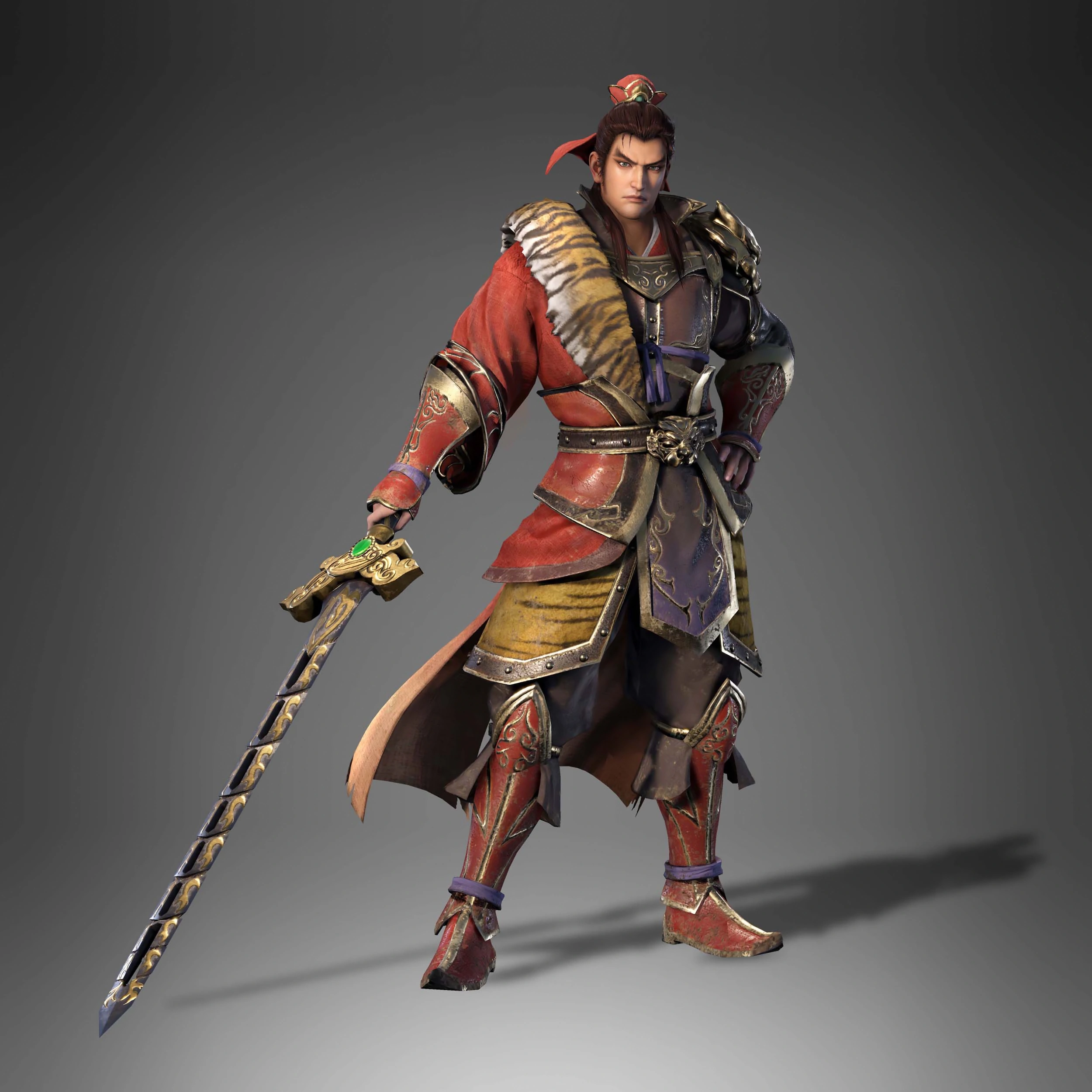
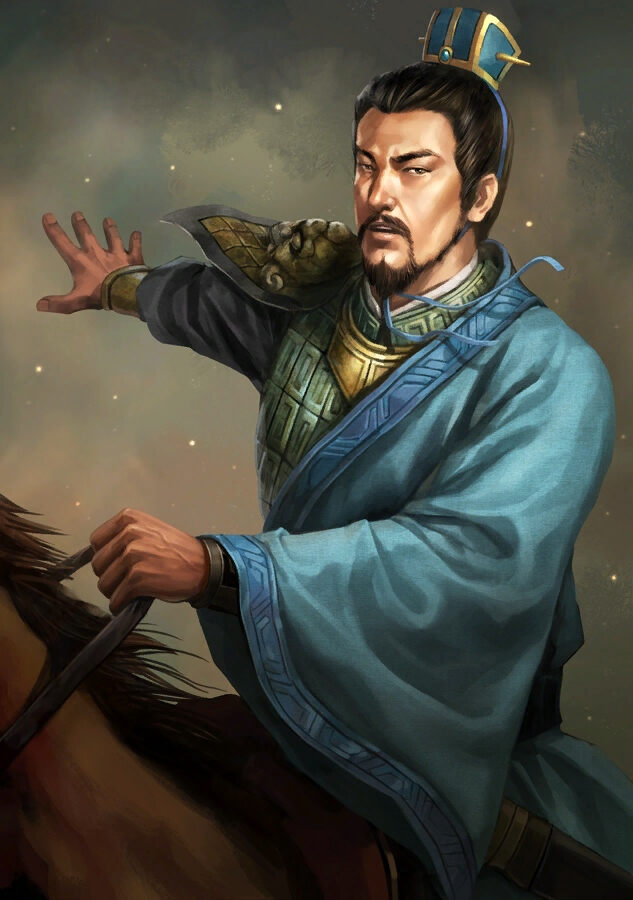
|
Cai Lin
His defection is the moment the siege of Xincheng is over. With the camp full of sick men and Zhuge Ke threatening to behead the next person who mentions illness, 'Commander Cai Lin, with his whole company, went over to the enemy' — and it is that, not the casualty reports, that finally sends Zhuge Ke riding through his own camps to look at the pale and puffy faces for himself.
1 mention in this chapter
1 mention in the book
|
|
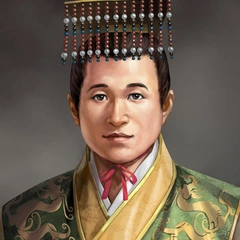
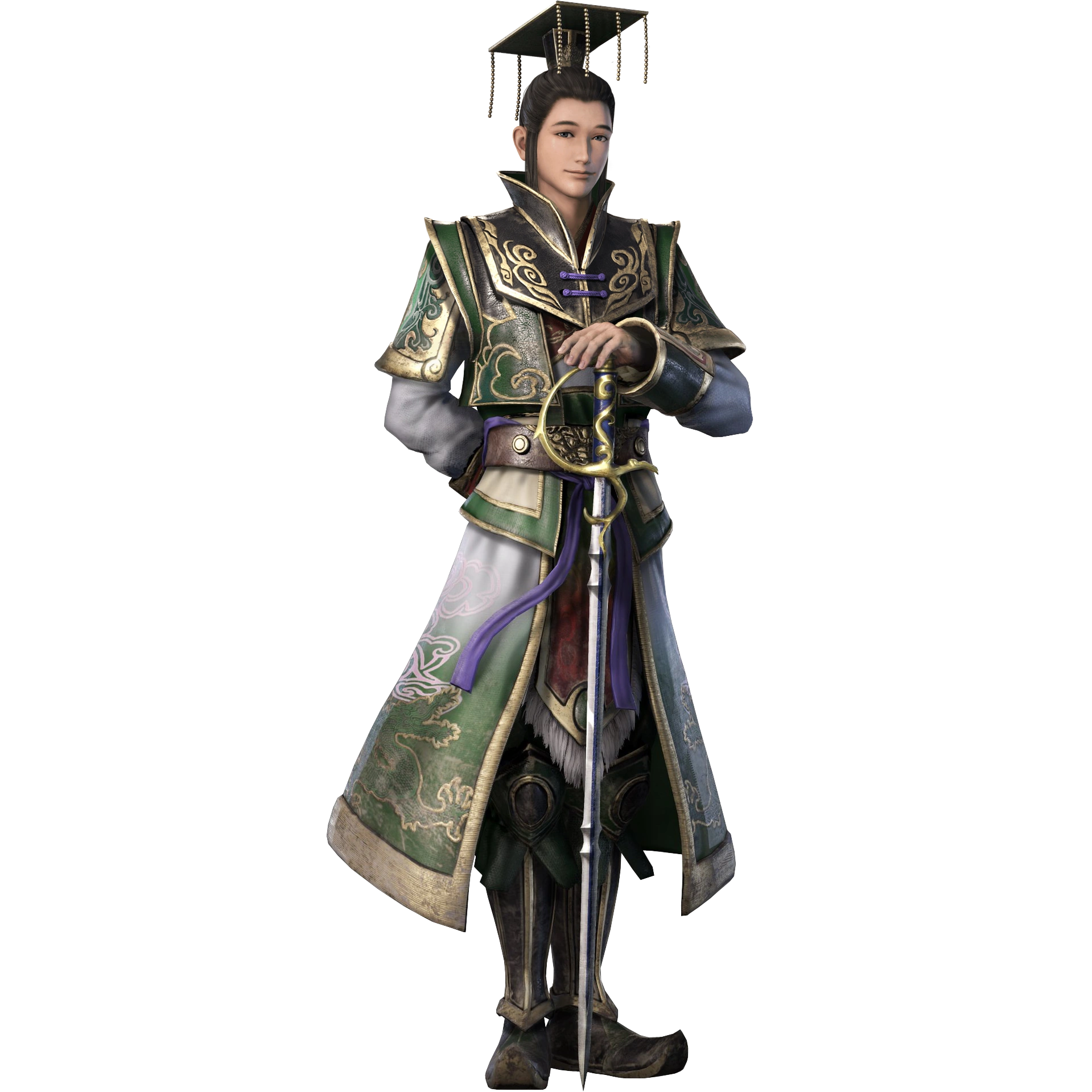
Cao Fang
The throne the Simas report to: on Sima Yi's death he 'conferred high honors upon the dead' and promoted both sons — Sima Shi to Regent Marshal with the leadership of the Chairs of the Boards, Sima Zhao to Commander of the Flying Cavalry. That single act of patronage hands the state to the family that will replace his.
2 mentions in this chapter
41 mentions in the book
|
|
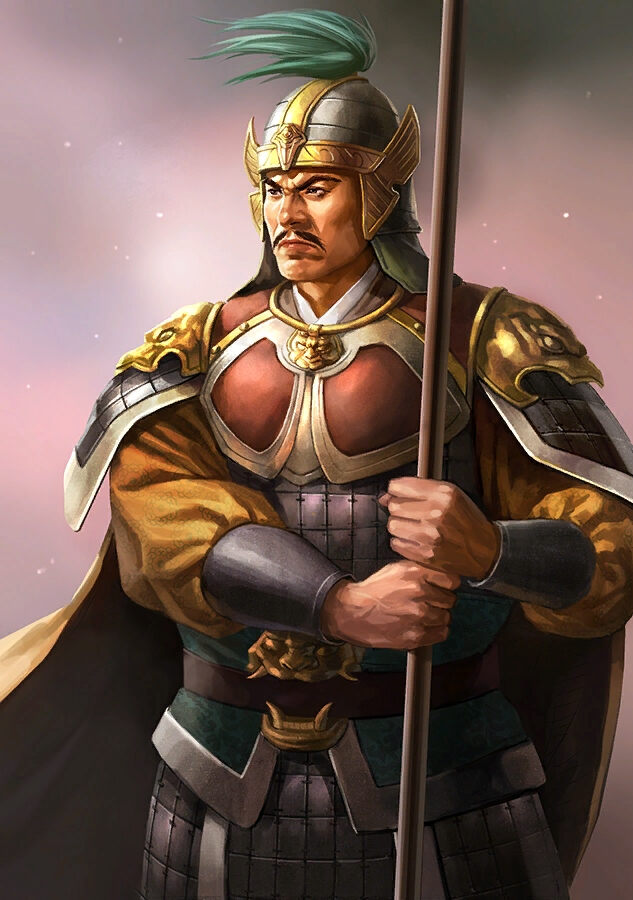
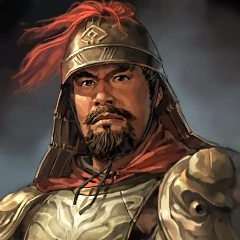
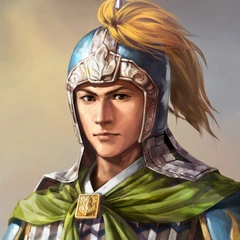
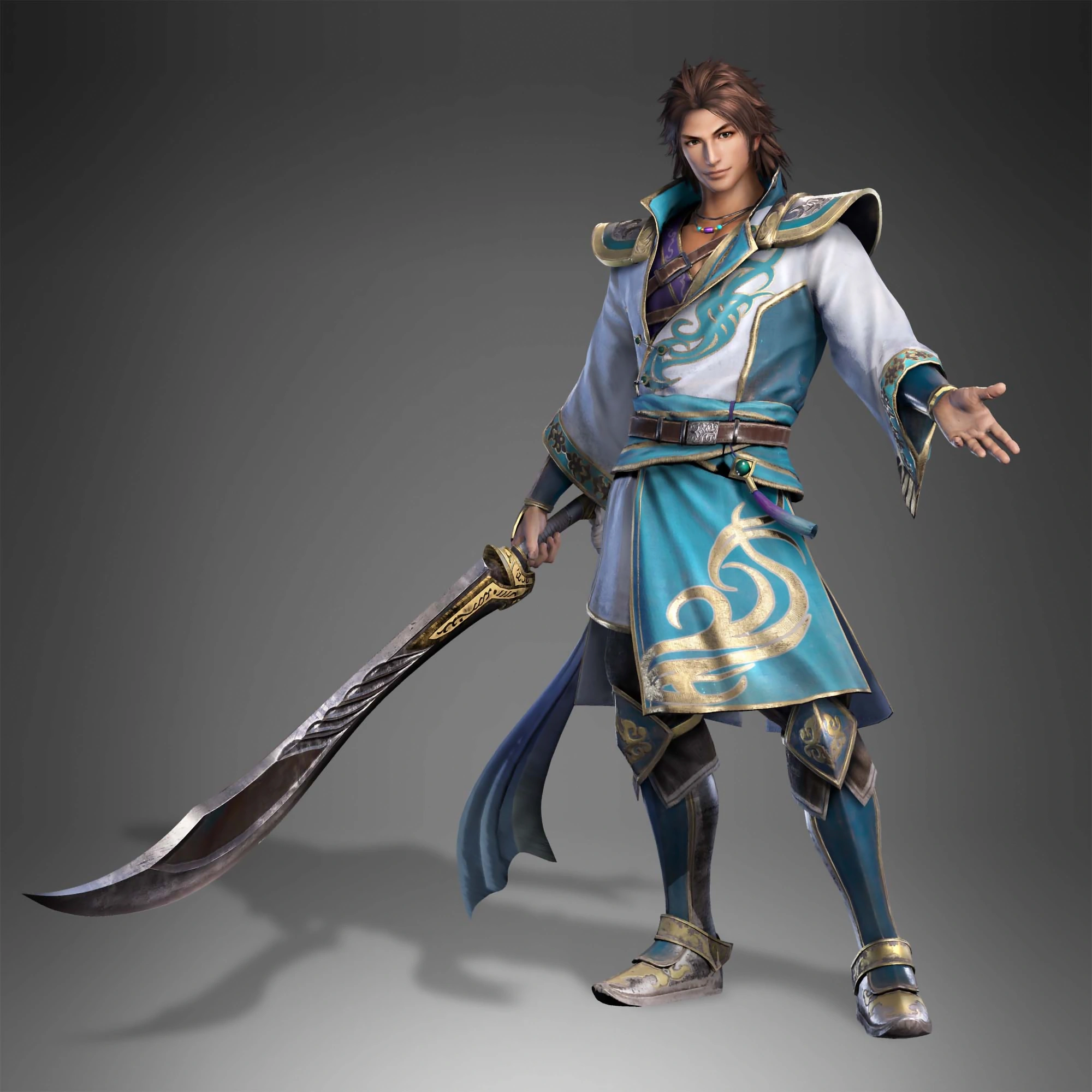
Ding Feng
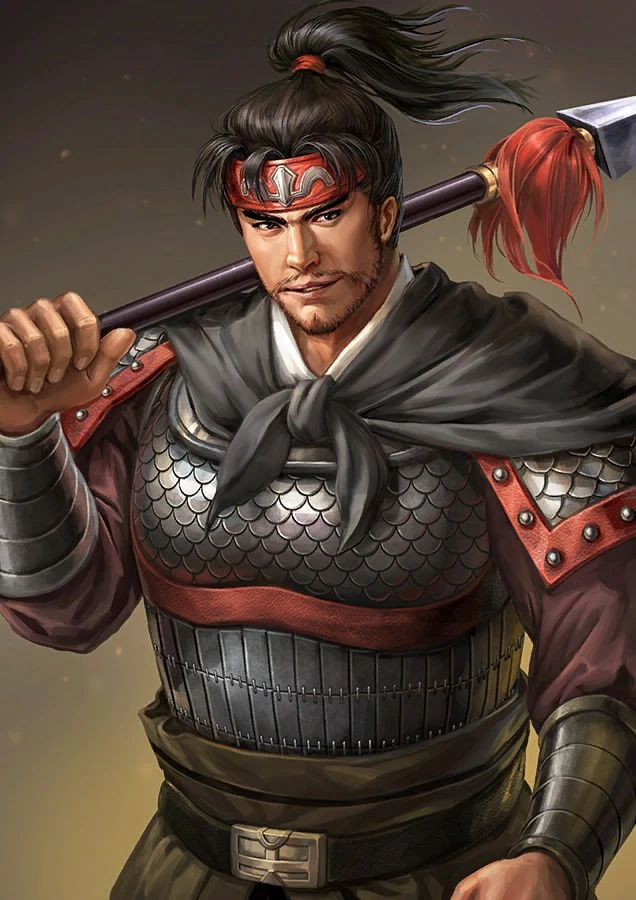
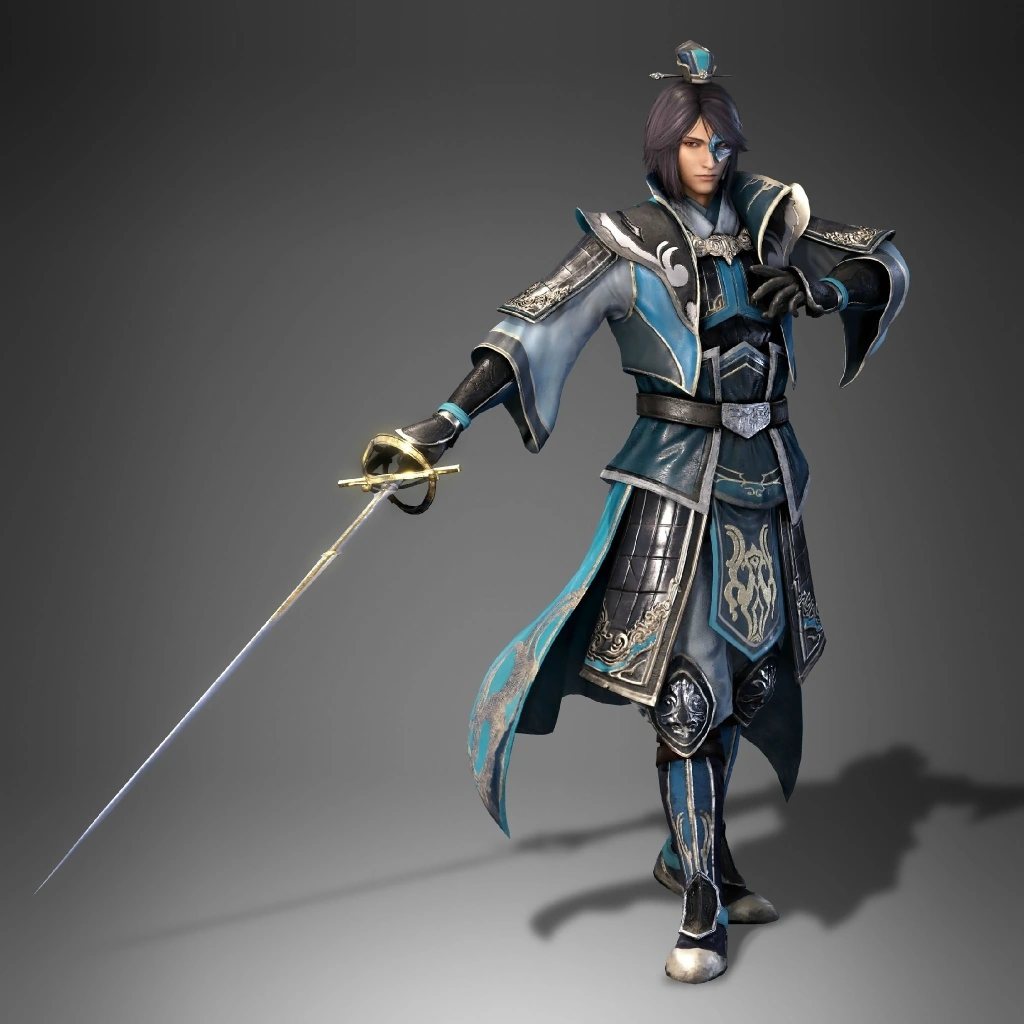
Thirty ships and three thousand marines up the Great River in the depth of winter. 'We shall need the utmost freedom of movement, so throw off your armor, leave your helmets, cast aside your long spears, and reject your heavy halberds. Short swords are the weapons for today.' Hu Zun counts a hundred men to a ship, decides there is nothing to be alarmed at, and goes back to his feast. A cluster of bombs, and Ding Feng is over the bank and into the camp. He kills Han Zong himself, catching at the halberd he has grabbed from the tent door and stabbing him in the breast; catches Huan Jia's spear under his arm, throws his sword after him into the shoulder, and runs him through. The floating bridge gives way under the rout. He is also the one who later proposes Xincheng as the target — 'Wei depends on Xincheng for the defense of its passes.'
9 mentions in this chapter
53 mentions in the book
|
|
Empress Pan
Named in the succession recap as the mother of Sun Liang, the third son and the one who actually inherits.
1 mention in this chapter
1 mention in the book
|
|
Fu Gu
Gives the one piece of advice that would have saved the campaign. Chair of the Secretariat, he opposes the invasion of Wu: 'Remember what a strong defense to Wu is the Great River. The country has been many times attacked by our ancestors, but never conquered. Rather let us all hold what we have till the time be expedient to possess the whole empire.' Overruled by both Simas.
1 mention in this chapter
2 mentions in the book
|
|
Gou Ai
Surrenders Qushan in the chapter's second paragraph: 'From the walls of Qushan, the Shu general, Gou Ai, watched anxiously for the expected help. As it came not, he ultimately surrendered.'
1 mention in this chapter
17 mentions in the book
|
|
Guanqiu Jian
Two jobs, and the second one is decisive. Leads one hundred thousand troops against Wuchang in the three-pronged invasion and retreats when Dongxing breaks. Then holds the line with Hu Zun during the Xincheng siege, and when Zhuge Ke's plague-ridden army finally gives up the siege it is Guanqiu Jian who 'led the Wei's grand army to follow and harass Zhuge Ke's march and inflicted a severe defeat' — the blow that turns a failed siege into the disgrace that gets Zhuge Ke killed.
6 mentions in this chapter
22 mentions in the book
|
|
Guo Huai
Holds the west against Jiang Wei throughout, and is reinforced by Sima Zhao once Xincheng is under siege, so that Wei can fight Wu in the east without opening the Shu front.
2 mentions in this chapter
106 mentions in the book
|
|
Han Zong
Dies in the first minute of the assault. Sent by Hu Zun with Huan Jia to storm the left and right flanking forts held by Quan Yi and Liu Lue, and back in the main camp when Ding Feng comes over the bank: 'Han Zong grasped one of the halberds that stood by the door of the commander's tent, but Ding Feng stabbed him in the breast, and he rolled over.'
2 mentions in this chapter
2 mentions in the book
|
|
Hu Zun
Van Leader of Wei's eastern army, and the author of his own defeat. Crosses the floating bridge, takes the Dongxing rampart, sends Huan Jia and Han Zong against the two flanking forts, and camps at Xutang - then, with heavy snow falling and the cold intense, concludes that 'no warlike operations were possible in such weather' and holds a great feast. Told that thirty ships are coming in, he goes out, counts the men, says 'Only three thousand sailors. There is nothing to be alarmed at', and goes back to the table. Escapes on horseback while his army drowns under the collapsing bridge.
9 mentions in this chapter
17 mentions in the book
|
|
Huan Jia
Ding Feng's second kill, and the death is staged in detail. Sent with Han Zong against the flanking forts, he comes round on the left in the camp fight and poises his spear — 'Ding Feng gripped it under his arm. Huan Jia let go and turned to flee, but Ding Feng sent his sword flying after him and caught him in the shoulder. He turned and was thrust through by Ding Feng's spear.'
3 mentions in this chapter
3 mentions in the book
|
|
Jiang Wei
The chapter opens on the end of his ch107 campaign: the poisoned ten-bolt crossbows on the Yangping Pass roads cut Sima Shi's fifty thousand to pieces, Gou Ai finally surrenders Qushan, and Jiang Wei marches back into Hanzhong having lost twenty to thirty thousand men. It closes on him too — Zhuge Ke's letter asking for a joint attack reaches Chengdu, and Jiang Wei goes to the Latter Ruler to ask for authority to raise another army against the north.
7 mentions in this chapter
443 mentions in the book
|
|
Jiang Yan
One of Zhuge Ke's own officers. As the two-hundred-thousand army sets out, a stream of white vapour rises from the ground and swallows it, and he reads it: 'It is a white rainbow, and it bodes ill to the army. I advise you, O Imperial Guardian, to return and not march against Wei.' Zhuge Ke orders him executed for blunting the army's keenness; his colleagues beg him off and he loses all rank instead. The same white rainbow rises in front of Zhuge Ke's carriage on the last morning of his life.
3 mentions in this chapter
3 mentions in the book
|
|
Lady Xu
Named in the succession recap as the mother of Sun Deng, Sun Quan's first heir.
1 mention in this chapter
1 mention in the book
|
|
Liu Lue
Holds one of the Dongxing flanking forts with Quan Yi against Huan Jia and Han Zong's assault — 'These forts had high walls and strong, and made a good resistance, so that the Wei force could not overcome.'
2 mentions in this chapter
2 mentions in the book
|
|
Liu Shan
Grants Jiang Wei the audience at which he asks for authority to raise another army against the north, on the strength of Zhuge Ke's letter — the request the next chapter opens on.
1 mention in this chapter
254 mentions in the book
|
|
Liu Zan
The third of Zhuge Ke's land columns at Dongxing, ten thousand strong, ordered up with Lu Ju and Tang Zi to converge on the bomb signal.
1 mention in this chapter
1 mention in the book
|
|
Lu Xun
Named in passing only, and dead: 'At this time old officials like Lu Xun and Zhuge Jin were dead, and the business of the government, great and small, was in the hands of Zhuge Ke.' The sentence is the chapter's explanation of how one man came to hold everything.
1 mention in this chapter
127 mentions in the book
|
|
Lü Dai
Regent Marshal of Wu, and one of the two men — with Zhuge Ke — called to Sun Quan's bedside 'to hear the declaration of his last wishes'.
1 mention in this chapter
1 mention in the book
|
|
Lü Ju
One of the three land commanders Zhuge Ke sends to Dongxing with ten thousand troops each, converging on the signal of a cluster of bombs while Ding Feng comes up the river.
1 mention in this chapter
4 mentions in the book
|
|
Quan Yi
Holds one of the two flanking forts at Dongxing with Liu Lue. The walls are high and strong and the assault cannot carry them, but the garrisons are too weak to come out - so the two forts simply hold while Ding Feng settles the battle behind them.
2 mentions in this chapter
6 mentions in the book
|
|
Sima Shi
Promoted Regent Marshal with the leadership of the Chairs of the Boards on his father's death, and his first instinct on hearing Sun Quan is dead is to attack Wu. Overrules Fu Gu's caution with a piece of pure opportunism — 'The way of Heaven changes thrice in a century, and no three-part division is permanent. I wish to attack Wu' — and loses three hundred thousand men's worth of campaign at Dongxing. Recovers by adopting Yu Song's strategy for Xincheng: hold, let the besiegers starve, then strike the retreat. It works.
9 mentions in this chapter
94 mentions in the book
|
|
Sima Yi
He dies in this chapter. In the eighth month of the third year of Domestic Calm (AD 251) he falls ill, the sickness gains rapidly, and he calls both sons to the bed for a last word that is half warning and half confession: 'I have served Wei many years and reached the highest rank possible among ministers. People have suspected me of ulterior aims, and I have always felt afraid of that. After my death the government will be in your hands, and you must be doubly careful.' He dies on that sentence.
3 mentions in this chapter
470 mentions in the book
|
|
Sima Zhao
Made Commander-in-Chief of the three-pronged invasion of Wu and argues for it in council - 'The occasion is most opportune. Sun Quan is newly dead, and the present ruler is a child.' Watches the Dongxing front break and orders the retreat without having fought. Later sent west to reinforce Guo Huai against Jiang Wei while Guanqiu Jian and Hu Zun hold off Wu.
8 mentions in this chapter
170 mentions in the book
|
|
Sun Deng
Named in the succession recap as Sun Quan's first heir, son of Lady Xu, who 'died in the fourth year of the Red Crow Era (AD 241)' - the first of the two failed successions that leave a child on the throne of Wu.
2 mentions in this chapter
3 mentions in the book
|
|
Sun Gong
Named in Sun Jun's genealogy as his father - 'Now Sun Jun was a son of Sun Gong and a great grandson of Sun Jing, brother of Sun Jian' - the line that establishes the assassin as a member of the ruling house and so entitled to act against a regent.
1 mention in this chapter
1 mention in the book
|
|
Sun He
Sun Quan's second son and second heir, son of Lady Wang, set aside after Princess Quan 'maligned him and intrigued against him' — and then 'Sun He died of mortification'. The second failure that makes Sun Liang emperor.
3 mentions in this chapter
5 mentions in the book
|
|
Sun Jian
Named in passing only, at the head of Sun Jun's genealogy, as the founding ancestor whose brother Sun Jing begins the line the new Prime Minister comes from.
1 mention in this chapter
126 mentions in the book
|
|
Sun Jing
Named in Sun Jun's genealogy as his great-grandfather and Sun Jian's brother - the collateral branch of the Sun house that now supplies Wu's strongman.
1 mention in this chapter
7 mentions in the book
|
|
Sun Jun
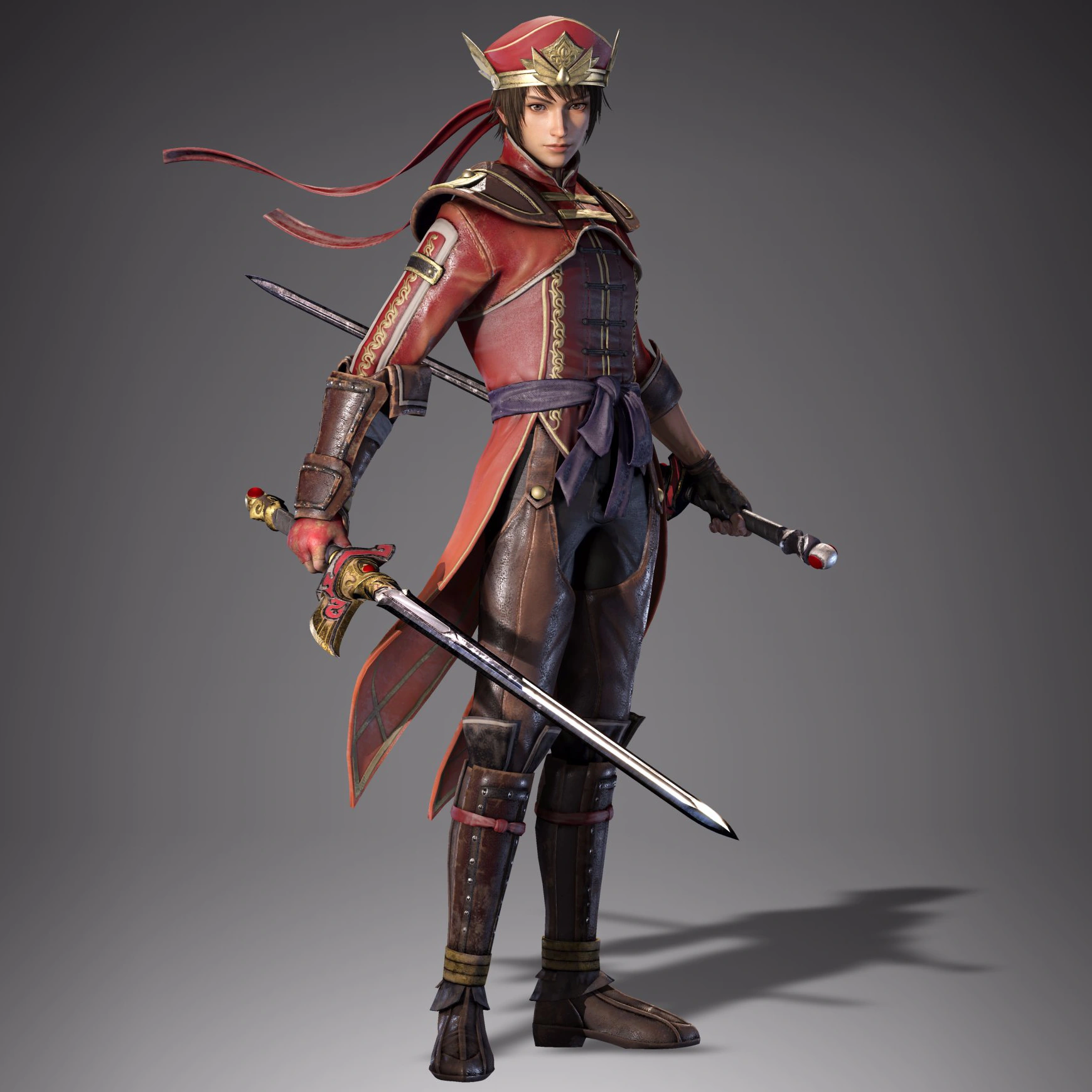
Son of Sun Gong and great-grandson of Sun Jing, Sun Jian's brother. Given command of the guards by Sun Quan, he is enraged at being superseded by Zhuge Ke's creatures Zhang Yue and Zhu En. Teng Yin brings him the argument, Sun Liang gives him the warrant, and Teng Yin supplies the method. He rides out personally to talk the suspicious Zhuge Ke back toward the Palace, offers to have his own medicated wine fetched so he will drink, then changes out of his ceremonial robes into armour, runs up the hall with a drawn sword shouting 'The Emperor has issued an edict to slay a rebel!' and takes his head before he can clear his own. Kills Zhang Yue in the scuffle, has both bodies rolled in matting and tipped into a rubbish pit outside the south gate, and the whole family put to the sword in the market place. Becomes Prime Minister in his victim's place, with command of all the forces.
12 mentions in this chapter
16 mentions in the book
|
|
Sun Liang
Put on the throne by Zhuge Ke as a child and spends the chapter being managed - until the end, when he supplies the warrant for the assassination himself: 'I am afraid of him, too. I have wanted to remove him for some time, but have found no opportunity. If you would prove your loyalty, you would do it for me.' Agrees to Teng Yin's banquet plan, leaves the hall on an excuse at the right moment, and is the authority Sun Jun invokes on the stairs.
8 mentions in this chapter
45 mentions in the book
|
|
Sun Luban
Princess Quan is the reason Wu has a child emperor: 'A quarrel arose between Sun He and Princess Quan, who maligned him and intrigued against him, so that he was set aside. Sun He died of mortification.' One sentence, and it removes the second heir.
1 mention in this chapter
1 mention in the book
|
|
Sun Quan
Dies in this chapter at seventy-one, after a reign of twenty-four years, the last of the three founding monarchs. His succession has already gone wrong twice over: Sun Deng named heir and dead in AD 241, Sun He named next and destroyed by Princess Quan's intrigues until 'Sun He died of mortification', and the third son Sun Liang left to inherit at a child's age. The death is preceded by the storm of the first of the eighth month, when the water stood eight feet over the low ground and the pines and cypresses of the imperial cemetery were torn up and driven into the South Gate of Jianye to stick there roots upward in the road - 'Sun Quan was frightened and fell ill.' Gives his last instructions to Zhuge Ke and Lu Dai, is posthumously styled Sun Quan the Great Emperor, and is buried at Jiangling. 'A hero, green-eyed and purple-bearded, / He called forth devotion from all.'
11 mentions in this chapter
603 mentions in the book
|
|
Tang Zi
One of Zhuge Ke's three land commanders at Dongxing, each with ten thousand men, moving on the bomb signal.
1 mention in this chapter
5 mentions in the book
|
|
Teng Yin
The plot's author. He has an old quarrel with Zhuge Ke, and he takes the case to Sun Jun: 'This Zhuge Ke is as cruel as he is powerful. He abuses his authority, and no one is safe against him. I also think he is aiming at something yet higher and you, Sir, as one of the ruling family ought to put a stop to it.' He also designs the killing — a banquet, braves behind the curtains, a dropped wine cup for the signal — and rides out with Sun Jun to talk the hesitating Zhuge Ke back to the Palace.
4 mentions in this chapter
7 mentions in the book
|
|
Wang Chang
Leads one hundred thousand troops against Nanjun as the western prong of the three-pronged invasion of Wu, held back under orders not to advance until Dongxing falls - and so withdraws without engaging when it does not.
4 mentions in this chapter
4 mentions in the book
|
|
Wang, Empress Dayi
Named in the succession recap as the mother of Sun He, Sun Quan's second heir — the one destroyed by Princess Quan's intrigues.
1 mention in this chapter
1 mention in the book
|
|
Yu Song
The Wei counter-strategy is his in full. Secretary at Luoyang, he tells Sima Shi exactly how to handle the siege of Xincheng: 'The city should not try to repulse the attack, but simply hold out as long as possible. When the besiegers have exhausted their provisions, they will be compelled to retire. As they retreat, we can smite them. However, it is necessary to provide against any invasion from Shu.' Every element of it is then carried out, including the retreat-harassment that finishes Zhuge Ke's army.
2 mentions in this chapter
2 mentions in the book
|
|
Zhang Ji
Gets the chapter's epitaph on Zhuge Ke. A High Minister in Wei, he used to tell Sima Shi flatly 'Zhuge Ke will die soon', and when asked why answered 'Can a person live long when his dignity endangers that of his lord?'
2 mentions in this chapter
7 mentions in the book
|
|
Zhang Te
Holds Xincheng for months against a two-hundred-thousand army and wins by a legal fiction. When the northeast corner of the wall is shaken, he sends out all the city's register documents with a plausible messenger and an appeal to Wei regulations: a commander who has held out a hundred days without relief may surrender without penalty to his family, and Xincheng has held ninety - would Zhuge Ke allow him the few days needed to complete the count? The attack stops, and he uses the pause to pull down the houses near the corner and rebuild the wall with the material. Then he throws off the pretence from the rampart: 'I have half a year's provisions yet and will not surrender to any curs of Wu!'
4 mentions in this chapter
4 mentions in the book
|
|
Zhang Yue
The only man who tries to save Zhuge Ke, and he dies doing it. One of the two placed over the royal guards as Zhuge Ke's 'teeth and claws', which is what turns Sun Jun against him. Warns him on the road — 'I feel doubtful about the real purpose of this banquet, and advise you not to go' — follows him in anyway, and when the head rolls he draws and rushes the assassin, taking off part of Sun Jun's left finger before he is cut in the right arm and finished by the braves. His body goes into the rubbish pit with his master's.
9 mentions in this chapter
9 mentions in the book
|
|
Zhu En
One of the two of Zhuge Ke's own clique placed over the royal guards - 'making them the teeth and claws of his vengeance' - displacing Sun Jun, whom Sun Quan himself had put there. That displacement is the personal grievance the conspiracy is built on.
2 mentions in this chapter
2 mentions in the book
|
|
Zhuge Jin
Named in passing only, and long dead, but quoted for the chapter's other prophecy: 'When Zhuge Jin lived, he saw his son's ability display prominently, and he often sighed, saying, "This son will not safeguard the family."' The whole household is put to the sword in the market place a paragraph earlier.
3 mentions in this chapter
68 mentions in the book
|
|
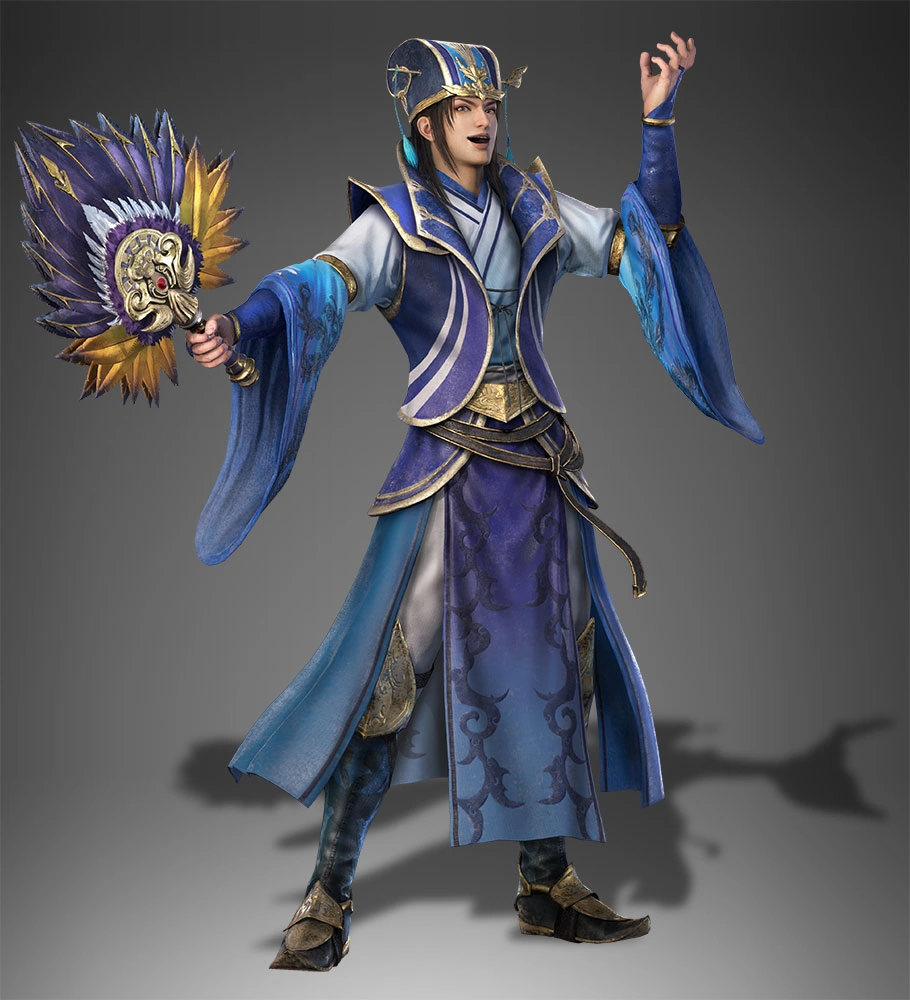
Zhuge Ke
Assassinated in this chapter. Made Imperial Guardian and regent at Sun Quan's deathbed, he puts Sun Liang on the throne and wins at Dongxing on Ding Feng's charge — and then over-reaches on the strength of it: 'Sima Zhao has suffered a defeat and retreated to the north. It is time to take the Middle Land!' Nearly executes Jiang Yan for reading the white rainbow as an ill omen, besieges Xincheng for months, is taken in by Zhang Te's hundred-day rule and lets him rebuild the wall, takes an arrow in the forehead, and threatens to behead anyone who mentions the plague in his camp — at which the army starts deserting in companies. Comes home beaten, refuses to attend court, and turns on his own officials with banishments and executions 'till everyone walked in terror'. The last day is one long omen: a stranger in mourning white inside a gate nobody entered by, the main beam of his hall breaking in the night, the ghosts of the men he executed for it holding their heads in their hands, washing water that smells of blood, a yellow dog howling at his sleeve, and a white rainbow rising out of the earth in front of his carriage. Beheaded at the banquet, thrown into a rubbish pit, and his household murdered — his own father had said of him 'This son will not safeguard the family.'
37 mentions in this chapter
41 mentions in the book
|
|
Zhuge Liang
Named in passing only, and long dead, but his engineering decides the chapter's first battle: 'Near the Yangping Pass, however, the roads had been lined with troops armed with the multiple crossbows designed by Zhuge Liang. Since Zhuge Liang's death, large numbers of these weapons had been made, and the bolts from them, which went in flights of ten, were poisoned.' Sima Shi barely escapes with his life.
2 mentions in this chapter
1454 mentions in the book
|
-
Chengdu County County(30.6661, 104.0754)
-
Dongxing
-
Hanzhong Commandery Commandery(33.0730, 107.0359)
-
Jiangling County County(30.3504, 112.1908)
-
Jianye Settlement
-
Lake Chaohu Lake
-
Luoyang County(34.7316, 112.5963)
-
Luoyang Location
-
-
Middle Land Region
-
Nan Commandery Commandery
-
Qushan
-
Shu (Three Kingdoms) Region
-
Wei (Three Kingdoms) Region
-
Wu (Three Kingdoms) Region
-
Wuchang County
-
Xincheng Commandery Commandery(32.0590, 110.7271)
-
Xutang
-
Yangping Pass Pass
-
Yangtze River River
-
Yong Province Province