Sleeping Dragon Mourns In Chaisang;
Young Phoenix Intervenes At Leiyang.
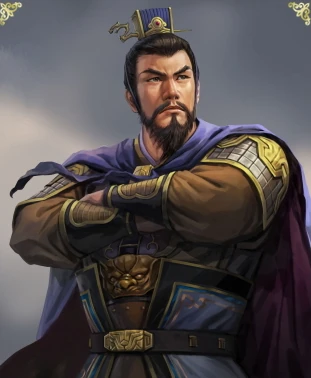
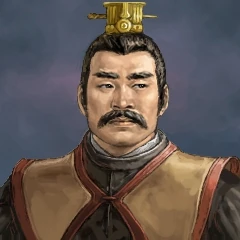
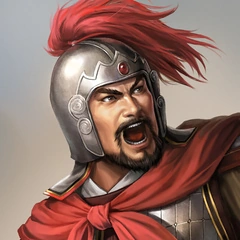
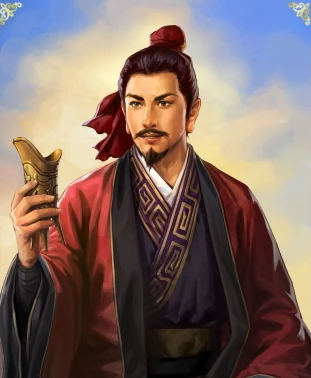
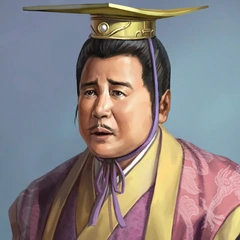
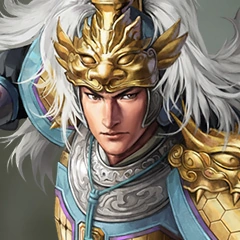
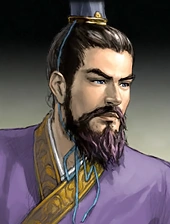
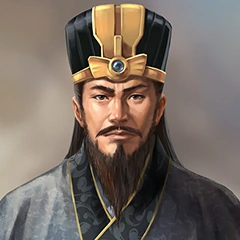
In the last chapter it was said that a sudden rage filled the bosom of Zhou Yu, and he fell to the ground. Then he was carried to his boat. It only added to his rage and mortification to be told that Liu Bei and Zhuge Liang could be seen on the top of one of the hills apparently feasting and enjoying some music. He lay grinding his teeth with vexation.
"They say I shall never be able to get Yizhou! But I will---I swear I will."
Soon after Sun Quan's brother Sun Hu arrived, and Zhou Yu told him his vexations.
"My brother sent me to assist you," said Sun Hu.
Zhou Yu ordered Sun Hu to press the army forward for Yizhou, and they got to Baqiu. There they stopped, for the scouts reported large forces under Liu Bei's generals---Liu Feng and Guan Ping---barring the water route in the Great River. This failure did not make the Commander-in-Chief any calmer.
About this time a letter from Zhuge Liang arrived, which ran like this:
"Since our parting at Chaisang I have thought of you often. Now comes to me a report that you desire to take the West River Land, which I regret to say I consider impossible. The people there are strong, and the country is precipitous and defensible. Imperial Protector Liu Zhang may be weak within, but he is strong enough to defend himself.
"Now indeed, General, you would go far and you would render great services, yet can anyone foretell the final result? No! Not even Wu Qi the Great General could say for certain, nor could Sun Zi the Famed Strategist be sure of a successful issue. Cao Cao suffered severe defeat at the Red Cliffs. Think you he will ever cease to hope for revenge? Now if you undertake a long expedition, will he not seize the occasion to fall upon the South Land and grind it to powder? Such a deed would be more than I could bear, and I venture to warn you of the possible danger if haply you may condescend to regard it."
The letter made Zhou Yu feel very sorrowful, and he sighed deeply. He called for paper and ink and wrote to the Marquis of Wu.
Having done this, he said to his assembled officers, "I have honestly tried to do my best for our house, but my end is at hand. The number of my days is accomplished. You must continue to aid our master till his end shall be achieved-----"
He stopped, for he had swooned.
Slowly he regained consciousness; and as he looked up to heaven, he sighed heavily, "O God, since you made Zhou Yu, why did you also create Zhuge Liang?"
Soon after he passed away. He was only thirty-six.
The battle at the Red Cliffs made him famous;
Though young in years he gained a veteran's reputation.
Deep feeling, his music declared its intensity;
Subtle, with excess hospitality he foiled a plot;
Persuasive, he obtained a large gift of grain from Lu Su;
Capable, he led an army of millions.
Baqiu was his deathbed, there his fate met him.
Sadly indeed they mourned him.
After his death his generals sent his dying memorial to the Marquis of Wu, who was most deeply affected and wept aloud at the sad tidings of his death. When Sun Quan opened the letters, he saw that Lu Su was named as the dead general's successor, This is the letter:
"Possessing but ordinary abilities, there was no reason why I should have been the recipient of your confidence and high office, but I have not spared myself in the leadership of the great army under my command that thereby I might prove my gratitude. Yet none can measure life, and the number of our days is ordained by fate. Before I could achieve even my poor intentions, my feeble body has failed me. I regret it without measure. I die with Cao Cao threatening and our northern borders disturbed, and with Liu Bei in your family as though you were feeding a fierce tiger. None can foretell the fate of the empire in these nervous days of stress and of peculiar anxiety for you.
"Lu Su is most loyal, careful in all matters and a fitting man to succeed to my office. When a person is near death, his words are wise. If I may haply retain your regard, I may die but I shall not decay."
"Zhou Yu should have been a king's counselor!" cried Sun Quan, amid his tears. "He has left me alas! too soon, and whom have I to lean upon? But he recommends Lu Su, and I can do nothing better than take that advice."
Whereupon Sun Quan appointed Lu Su to the vacant command, Commander-in-Chief. Sun Quan also saw that the coffin of his beloved general was sent to Chaisang ready for the funeral sacrifices.
The night of Zhou Yu's death, Zhuge Liang was gazing up at the heavens when he saw a star of a general fall to the earth.
"Zhou Yu is dead," said he with a smile.
At dawn he sent to tell Liu Bei, who sent people to find out, and they came back to say it was true that Zhou Yu had died.
"Now that this has come to pass, what should we do?" said Liu Bei.
"Lu Su will succeed," said Zhuge Liang. "And I see in the heavens signs of an assembly of generals in the southeast, so I shall go there. The mourning for Zhou Yu will serve as a pretext. I may find some able leaders there to be of help to you."
"I am afraid lest the generals of the South Land harm you," said Liu Bei.
"While Zhou Yu lived, I did not fear. Is there anything to dread now that he is gone?"
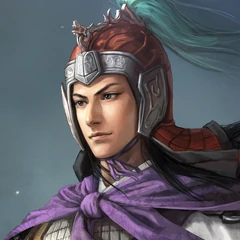
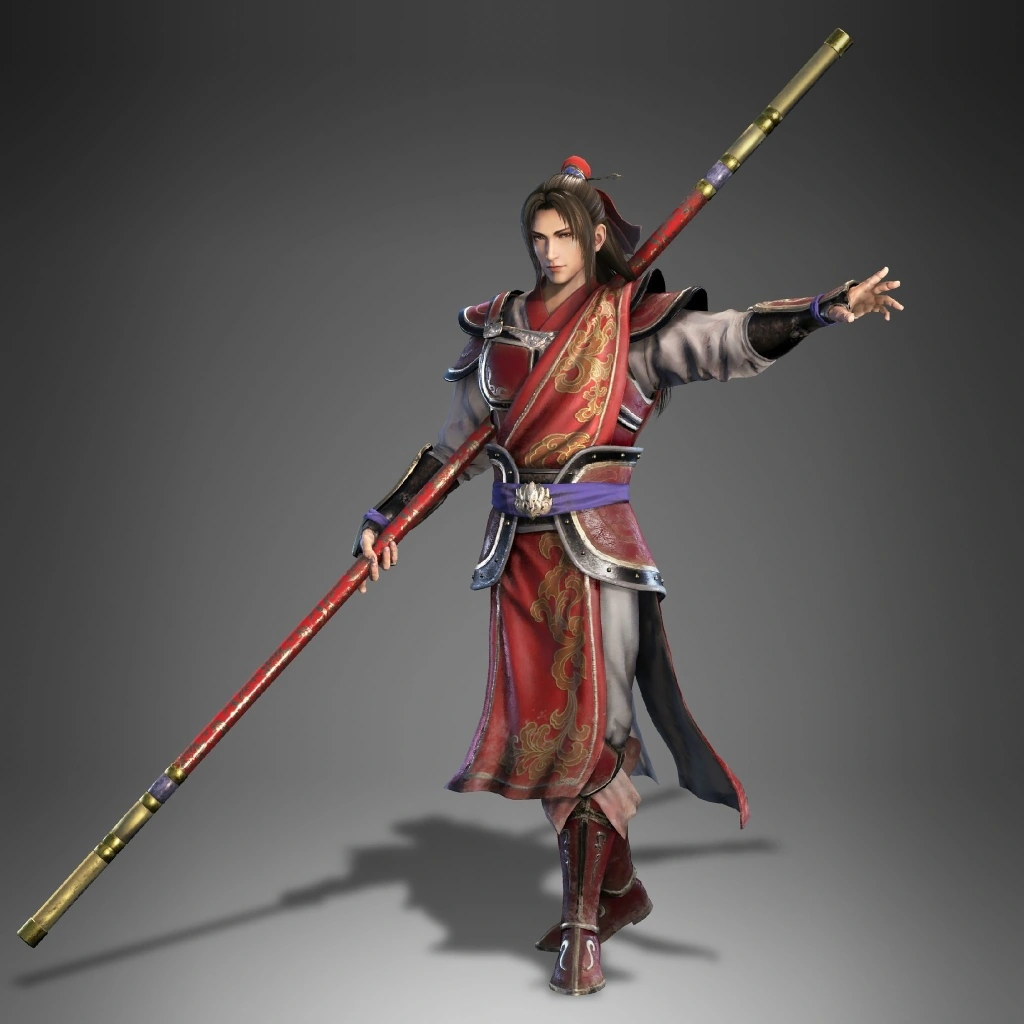
However, Zhuge Liang took Zhao Zilong as commander of his escort when he embarked for Baqiu, and on the road he heard of Lu Su's succession to the late general's post. As the coffin of Zhou Yu had been sent to Chaisang, Zhuge Liang continued his journey thither and, on landing, was kindly received by Lu Su. The officers of the South Land did not conceal their enmity, but the sight of the redoubtable Zhao Zilong, always close at hand, kept them from trying to hurt Zhuge Liang.
The officers brought by Zhuge Liang were arranged in order before the bier, and he himself poured the libation. Then he knelt and read this threnody:
"Alas, Zhou Yu! Hapless are you in your early death. Length of days is in the hands of God, yet do humans suffer and my heart is deeply grieved for you. I pour this libation that your spirit may enjoy its fragrance.
"I lament you. I lament your younger days passed in the companionship of Sun Ce, when, preferring eternal principles to material wealth, you abode in a humble cottage.
"I lament your ripe strength when you guarded distant Baqiu, putting fear into the heart of Liu Biao, destroying rebels, and ensuring safety.
"I lament the grace of your manhood. Married to a fair maid of the Qiao family, son-in-law of a great minister, you were such as would add luster to the Han Court.
"I lament your resolute purpose when you opposed the pledge-giving to Cao Cao. As in the beginning your wings drooped not, so in the end your pinions spread wide.
"I lament your abandon, when your false friend, Jiang Gan, came to you at Poyang Lake. There you manifested your lofty ideals.
"I lament your magnificent talents, proved in civil administration as in military science. With fire attacking the fierce enemy at the Red Cliffs, you brought his strength to weakness.
"I recall you as you were but yesterday, bold and successful, and I weep your untimely death. Prostrate I weep tears of sorrow. Loyal and upright in heart, noble and spiritual by nature, your life has been but three decades, but your fame will endure for ages.
"I mourn for your affection. My bowels writhe with sorrow, and my deep-seated sadness will never cease. The very heavens are darkened; the army is sad; your lord sheds tears; your friends weep floods.
"Scanty of ability am I, yet even of me you begged plans and sought schemes to aid the South Land to repulse Cao Cao, to restore the Hans and comfort the Lius. But with you as the firm corner stone and your perfect dispositions, could the final result cause any anxiety?
"Alas, my friend! The quick and the dead are ever separate; they mingle never. If in the deep shades spirits have understanding, you now read my inmost heart, yet hereafter there will be none on earth to comprehend.
"Alas, the pain!
"Deign to accept this my sacrifice."
The sacrifice finished, Zhuge Liang bowed to the ground and keened while his tears gushed forth in floods. He was deeply moved.
Those who stood on guard by the bier said one to another, "People lied when they said these two were enemies. Look at the sincerity shown in sacrifice."
And Lu Su was particularly affected by the display of feeling and thought, "Plainly Zhuge Liang loved Zhou Yu much, but Zhou Yu was not broadminded enough and would have done Zhuge Liang to death."
Before Sleeping Dragon emerged from his Nanyang retreat,
A brilliant man had descended upon this earth;
Since, O Azure Heaven, ye made Zhou Yu,
Why needed Yellow Earth produce a Zhuge Liang?
Lu Su gave a banquet for Zhuge Liang after which the guest left.
Just as Zhuge Liang was embarking, his arm was clutched by a person in Daoist dress who said with a smile, "You exasperated literally to death the man whose body lies up there. To come here as a mourner is an open insult to the South Land. It is as good as to say they have no other left."
Zhuge Liang turned to look, and he saw it was no other than Pang Tong, or the Young Phoenix. Then Zhuge Liang laughed in his turn, and they two hand in hand went down into the ship, where they talked heart to heart for a long time.
Before leaving, Zhuge Liang gave his friend a letter and said, "I do not think that Sun Quan will use you as you merit. If you find life here distasteful, then you may come to Jingzhou and help to support my master. He is liberal and virtuous and will not disdain what you have spent your life in learning."
Then they parted, and Zhuge Liang went alone to Jingzhou.
Lu Su had the coffin of Zhou Yu taken to Wuhu, where Sun Quan received it with sacrifices and lamentations. The dead leader was buried in his native place.
Zhou Yu's family consisted of two sons and a daughter, the children being named Zhou Xun, Zhou Yin, and Zhou Ying. Sun Quan treated them with generosity and tenderness.
Lu Su was not satisfied that he was the fittest successor to his late chief and said, "Zhou Yu was not right in recommending me, for I have not the requisite ability and am unfitted for this post. But I can commend to you a certain able man, conversant with all knowledge, and a most capable strategist, not inferior to the old Guan Zhong or Yue Yi, one whose plans are as good as those of Sun Zi and Wu Qi, the most famous masters of the Art of War. Zhou Yu often took his advice, and Zhuge Liang believes in him. And he is at hand."
This was good news for Sun Quan, who asked the man's name, and when he heard it was Pang Tong or Young Phoenix, he replied, "Yes. I know him by reputation. Let him come."
Whereupon Pang Tong was invited to the palace and introduced. The formal salutations over, Sun Quan was disappointed with the man's appearance, which was indeed extraordinary. Pang Tong had bushy eyebrows, a turned-up nose, and a stubby beard. So Sun Quan was prejudiced against Pang Tong.
"What have you studied," asked Sun Quan, "and what are you master of?"
Pang Tong replied, "One must not be narrow and obstinate; one must change with circumstances."
"How does your learning compare with that of Zhou Yu?" asked Sun Quan.
"My learning is not to be compared with his in the least. Mine is far greater."
Now Sun Quan had always loved his late general, and he could not bear to hear him disparaged. This speech of Pang Tong only increased his dislike.
So Sun Quan said, "You may retire, Sir. I will send for you when I can employ you."
Pang Tong uttered one long sigh and went away.
When he had gone, Lu Su said, "My lord, why not employ him?"
"What good would result? He is just one of those mad fellows."
"He did good service at the Red Cliffs fight, however, for it was he who got Cao Cao to chain his ships together."
"It was simply that Cao Cao wished to chain his ships together. No credit was due to this fellow. In any case I give you my word that I will not employ him. That much is certain."
Lu Su went out and explained to Pang Tong that the failure was not due to lack of recommendation, but simply a whim of Sun Quan, and he must put up with it. The disappointed suitor hung his head and sighed many times without speaking.
"I fear you are doomed to constant disappointment here," said Lu Su. "There is nothing you can hope for, eh?"
But still Pang Tong was silent.
"With your wonderful gifts, of course you will be successful whithersoever you may go. You may take my word for that. But to whom will you go?"
"I think I will join Cao Cao," said Pang Tong suddenly.
"That would be hinging a gleaming pearl into darkness. Rather go to Liu Bei, who would appreciate you and employ you fittingly."
"The truth is that I have been thinking of this for a long time," said Pang Tong. "I was only joking just now."
"I will give you a letter to Liu Bei. And if you go to him, you must try to maintain peace between him and my lord and get them to act together against Cao Cao."
"That has been the one desire of my life."
Pang Tong took the letter offered by Lu Su and soon made his way to Jingzhou City. He arrived at a moment that Zhuge Liang was absent on an inspection journey, but the doorkeeper announced him and said he had come to throw in his lot with Liu Bei. He was received, for he was no stranger in name.
When Pang Tong was admitted, he made the ordinary salutation but did not make an obeisance and this, coupled with his ugly face, did not please his host.
"You have come a long and arduous journey," said Liu Bei.
At this point the suitor should have produced his letters from Zhuge Liang and Lu Su, but did not.
Instead he replied, "I hear, O Imperial Uncle, that you are welcoming the wise and receiving scholars, wherefore I have come to join your service."
"The country is decently peaceful now, and unfortunately there is no office vacant. But away to the northeast there is a small magistracy, Leiyang, which needs a chief. I can offer you that post until there should be something more fitting."
Pang Tong thought this rather poor welcome for a person of his talent. But his friend was absent, so he could do nothing but control his annoyance and accept. He took his leave and started.
But when he arrived at his post, he paid no attention to business at all. He gave himself up entirely to dissipation. The taxes were not collected nor were lawsuits decided.
News of this reaching Liu Bei, who was angry and said, "Here is this stiff-necked pedant throwing my administration into disorder."
So Liu Bei sent Zhang Fei to the county with orders to make a general inspection of the whole county and look into any irregularities and disorders. But as Liu Bei thought there might be some tact needed, Sun Qian was also sent as coadjutor.
In due course the inquisitors arrived at Leiyang, where they were received by the officials and welcomed by the people at the boundary. But the Magistrate did not appear.
"Where is the Magistrate?" asked Zhang Fei.
"Ever since his arrival, a hundred days ago and more, he has attended to no business, but spends his days from morn to night in wine-bobbing and is always intoxicated. Just now he is sleeping off a debauch and is not yet risen."
This raised Zhang Fei's choler, and he would have dismissed the offender forthwith had not his colleague said, "Pang Tong is a man of great ability, and it would be wrong to deal with him thus summarily. Let us inquire into it. If he is really so guilty, we will punish his offense."
So they went to the magistracy, took their seats in the Hall of Justice, and summoned the Magistrate before them. He came with dress all disordered and still under the influence of wine.
"My brother took you for a decent person," said Zhang Fei, angrily, "and sent you here as magistrate. How dare you throw the affairs of the county into disorder?"
"Do you think I have done as you say, General?" said Pang Tong. "What affairs have I disordered?"
"You have been here over a hundred days and spent the whole time in dissipation. Is not that disorderly?"
"Where would be the difficulty in dealing with the business of a trifling county like this? I pray you, General, sit down for a while till I have settled the cases."
Thereupon Pang Tong bade the clerks bring in all the arrears and he would settle them at once. So they brought in the piles of papers and ordered the suitors to appear. They came and knelt in the hall while the magistrate, brush in hand, noted this and minuted that, all the while listening to the pleadings. Soon all the difficulties and disputes were adjusted, and never a mistake was made, as the satisfied bows of the people proved. By midday the whole of the cases were disposed of, and the arrears of the hundred days settled and decided.
This done, the Magistrate threw aside his pen and turned to the inquisitors, saying, "Where is the disorder? When I can take on Cao Cao and Sun Quan as easily as I can read this paper, what attention from me is needed for the business of this paltry place?"
Zhang Fei was astonished at the man's ability, rose from his seat, and crossed over, saying, "You are indeed a marvel, Master. I have not treated you respectfully enough, but now I shall commend you to my brother with all my might."
Then Pang Tong drew forth Lu Su's letter and showed it to Zhang Fei.
"Why did you not show this to my brother when you first saw him?" asked Zhang Fei.
"If I had had a chance, I would have done so. But is it likely that one would just take advantage of a letter of commendation to make a visit?"
Zhang Fei turned to his colleague and said, "You just saved a wise man for us."
Sun Qian and Zhang Fei left the magistracy and returned to Liu Bei to whom they related what had happened.
Liu Bei then seemed to be conscious of his error and said, "I have been wrong. I have behaved unjustly to a learned person."
Zhang Fei then gave his brother the letter in which Lu Su had recommended Pang Tong. Opening it he read:
"Pang Tong is not the sort of person to be met with in any day's march. Employ him in some capacity where extra ordinary talent is required, and his powers will declare themselves. Beware of judging him by his looks, or you may lose the advantage of his abilities, and some other will gain him. This would be a misfortune."
While Liu Bei was feeling cast down at the mistake he had made, as shown by the letter, they announced the return of Zhuge Liang.
Soon Zhuge Liang entered the hall, and the first question he put after the formal salutations was: "Is Directing-Instructor Pang Tong quite well?"
"He is in charge of Leiyang," replied Liu Bei, "where he is given to wine and neglects his business."
Zhuge Liang laughed, saying, "My friend Pang Tong has extraordinary abilities and ten times my knowledge. I gave him a letter for you, my lord. Did he present it?"
"This very day I have received a letter, but from Lu Su. I have had no letter written by you."
"When a person of transcendent abilities is sent to a paltry post, he always turns to wine out of simple ennui," said Zhuge Liang.
"If it had not been for what my brother said, I should have lost a great scholar," said Liu Bei.
Then he lost no time, but sent Zhang Fei off to the northeast to request Pang Tong to come to Jingzhou City. When he arrived, Liu Bei went out to meet him and at the foot of the steps asked pardon for his mistake. Then Pang Tong produced the letter that Zhuge Liang had given him. What Liu Bei read therein was this:
"As soon as the Young Phoenix shall arrive, he should be given an important post."
Liu Bei rejoiced indeed as he read it, and he said, "Water Mirror said of the two men, Sleeping Dragon and Young Phoenix, that any man who obtained the help of either of them could restore the empire when he would. As I now have them both, surely the Hans will rise again."
Then he appointed Pang Tong as Vice Directing Instructor and General, and the two strategists began training the army for its work of subjugation.
News of these doings came to the capital, Xuchang, and Cao Cao was told of Liu Bei's two strategists and of the army in training and the stores accumulating and the league between his two chief enemies. And he knew that he had to expect an attack sooner or later. So he summoned his strategists to a council for a new campaign.
Said Xun Yu, "Sun Quan should be first attacked, because of the recent death of their ablest general Zhou Yu. Liu Bei will follow."
Cao Cao replied, "If I go on such a distant expedition, Ma Teng will fall upon the capital. While I was at the Red Cliffs, there were sinister rumors of this, and I must guard against it."
Xun Yu said, "The best thing that occurs to me is to obtain for Ma Teng the title of General Who Subdues the South and send him against the South Land. Thus he can be enticed to the capital and got rid of. Then you can have no fear of marching southward."
Cao Cao approved, and soon Ma Teng was summoned from Xiliang, a frontier territory in the west.
Ma Teng was a descendant of the famous leader Ma Yuan, General Who Quells the Waves. His father's name was Ma Sui. Ma Sui had held a minor magistracy in Tianshui in the reign of Emperor Huan, but had lost it and drifted west into the West Valley Land where he got amongst the Qiang Peoples, one of whose women he took to wife. She bore him a son, Ma Teng. Ma Teng was rather over the common height, and bold-looking. He was of a mild disposition and very popular. But in the reign of Emperor Ling, these Qiangs made trouble, and then Ma Teng raised a force and put it down. For his services he received the tile of General Who Corrects the West. He and Han Sui, who was known as Commander Who Guards the West, were pledged brothers.
On receipt of the summons to the capital, Ma Teng took his eldest son, Ma Chao, into his confidence and told him some of his former life.
"When Dong Cheng got the Girdle Edict from the Emperor, we formed a society, of which Liu Bei was one, pledged to put down rebellion. However, we accomplished nothing, for Dong Cheng was put to death and Liu Bei was unfortunate, while I escaped to the west. However, I hear that Liu Bei now holds Jingzhou, and I am inclined to carry out the plan we made so long ago. But here I am summoned by Cao Cao and what is to be done?"
Ma Chao replied, "Cao Cao has the command of the Emperor to call you. If you do not go, that will mean disobeying an imperial command and you will be punished. Obey the summons in so far as to go to the capital, where you may be able to arrange to carry out your original intention."
But Ma Teng's nephew, Ma Dai, held other opinions and opposed this.
Said he, "Cao Cao's designs are unfathomable. If you go, Uncle, I fear you will suffer."
"Let me lead the army against the capital," said Ma Chao. "Can we not purge the empire of evil?"
But his father said, "You must take command of the Qiang troops for the defense of our territory here. I will take with me your two brothers and your cousin. When Cao Cao knows that you have the Qiangs at your call and that Han Sui is prepared to assist, he will hardly dare to work any harm to me."
"Father, if you must go, be careful not to enter the city till you know exactly what plots and machinations are afoot."
"I will certainly take great care, so do not be too anxious," said the father.
The order of march was prepared. The Governor took five thousand troops, with his two sons---Ma Xiu and Ma Tie---as Leaders of the Van and his nephew Ma Dai bringing up the rear. These set out along the tortuous road to the capital. At seven miles distance from Xuchang they camped.
When Cao Cao heard of Ma Teng's arrival, he called to him Minister Huang Kui and said to him, "Ma Teng is to be sent against the south, and I shall send you as Adviser. You are first to go to his camp and express my congratulations on his arrival and say that as Xiliang is so distant and transport very difficult, he is not to take too large an army of his own. I will send a large force. Also tell him to come in soon for audience of the Emperor. I will send him supplies."
With these instructions Huang Kui went to Ma Teng, who brought out wine and entertained him well.
In his cups the messenger grew confidential and said, "My father perished at the hands of Li Jue and Guo Si, and I have always nourished resentment. Now there is another rebel in power wronging our Prince."
"Who is that?" asked Ma Teng.
"The wrong doer is that rebel Cao Cao, of course. Do you mean to say you do not know?"
However, Ma Teng was careful. He thought it very likely that these words were but a trap for him, so he pretended to be greatly shocked and begged his guest to be careful lest he be overheard.
But Huang Kui cared not, shouting, "Then you have quite forgotten the Girdle Edict, eh?"
Ma Teng began to see Huang Kui was sincere and presently became confidential in turn and told his guest all his schemes.
"Cao Cao wants you to go in to audience. There is no good intention there. Do not go," said Huang Kui. "You lead your army up close to the city and get Cao Cao to come and review them. When he comes, assassinate him."
They two settled how this plan could be worked out and the messenger, still hot with anger and excitement, returned to his home.
Seeing Huang Kui so disturbed in mind, his wife, Lady Zhi, asked him what was wrong. But he would tell her nothing. However, he had a concubine, Li Chunxiang. And it happened that she had an intrigue with the wife's younger brother, Miao Ze, who much desired to marry her. The concubine who also saw her lord's displeasure, spoke of it to her paramour, and he told her she could probably draw from him what was wrong by a leading question.
"Ask him what is the truth about two men, Liu Bei and Cao Cao? Who is the wicked one," suggested Miao Ze.
That evening Huang Kui went to the apartments of his concubine, and she presently put the question proposed by her lover.
Her lord, still rather intoxicated, said, "You are not an official; still you know right from wrong as well as I. My enemy, and the man I would slay if I could, is Cao Cao."
"But why? And if you wish to slay him, why do you not do something?" said she.
"I have done something. I have settled with General Ma Teng to assassinate Cao Cao at the review."
Li Chunxiang of course told her paramour, who told Cao Cao, and Cao Cao made his arrangements to defeat the scheme. He called up his trusty generals and gave them orders for the morrow and, this done, he arrested Huang Kui and all his household.
Next day, as arranged, Ma Teng and his western troops came close up to the wall, and among the flags and banners he discerned that of the Prime Minister himself, whereby he knew that Cao Cao would hold the review in person.
So Ma Teng rode forward. Suddenly a bomb exploded, and at this signal there appeared bodies of armed troops in four directions: Right and left, front and rear, led by Xu Chu, Xiahou Yuan, Cao Hong, and Xu Huang. The western forces were quite hemmed in. Ma Teng then saw the mistake he had made, and he and his two sons fought valiantly to free themselves from the trap. The youngest son---Ma Tie---soon fell in the volleys of arrows. Father and son rode this way and that, seeking a way out, but failed on every side. Both were sorely wounded; and when their steeds fell from their many arrow wounds, both were captured.
Ma Teng, Ma Xiu, and the miserable Huang Kui who could not keep his counsel, were brought before Cao Cao. Huang Kui loudly protested his innocence. Cao Cao then called in the witness Miao Ze.
"That worthless scoundrel has spoiled all my plans!" cried Ma Teng against Huang Kui. "Now I cannot slay the rebel and purge my country. But it is the will of God!"
Father and son were dragged forth, the father uttering volleys of abuse all the time. And so three men were executed in this adventure.
The sons and father share one niche of fame,
For purest loyalty their praise the same.
To their own hurt the rebels they withstood,
Content to die to make their pledges good.
In blood the solemn oath they did indite
To slay the wicked and preserve the right.
A worthy father's worthy sons by western bride,
Old Waves Queller's name his grandson glorified.
"I desire no other reward than Li Chunxiang as wife," said the betrayer, Miao Ze.
Cao Cao smiled and said, "For her sake then you have brought a whole household to death. What advantage would there be in preserving such a miscreant?"
So Cao Cao bade the executioners put both the traitor and the woman to death, with Huang Kui's household. Those who saw the fearful vengeance sighed at its cruelty.
Through passion base a loyal man was slain,
And she who shared his passion shared his fate;
The man they served was pitiless in hate,
And thus a mean man's treachery was vain.
Cao Cao did not desire to rouse the rancor of the army of Xiliang, wherefore he proclaimed to them, "The intended treachery of your leaders was theirs alone."
However, he sent to secure the passes so that Ma Dai should not escape.
As has been said, Ma Dai led the rearguard. Before long the fugitives from the main army came and told him what had occurred at the capital. This frightened him so much that he abandoned his army and escaped disguised as a trader.
Having slain Ma Teng, Cao Cao decided to set out on his expedition to the south. But then came the disquieting news of the military preparations of Liu Bei, whose objective was said to be the west.
This caused Cao Cao alarm, for he said, "The bird's wings will be fully grown if he obtains possession of the West River Land."
As Cao Cao recognized the difficulty, from among his counselors there arose one who said, "I know how to prevent Liu Bei and Sun Quan from helping each other, and both the south and the west will be yours."
Chill death struck down the heroes of the west,
Calamity approached the bold leaders of the south.
The next chapter will unfold the scheme.
-
Wikipedia entry Bio
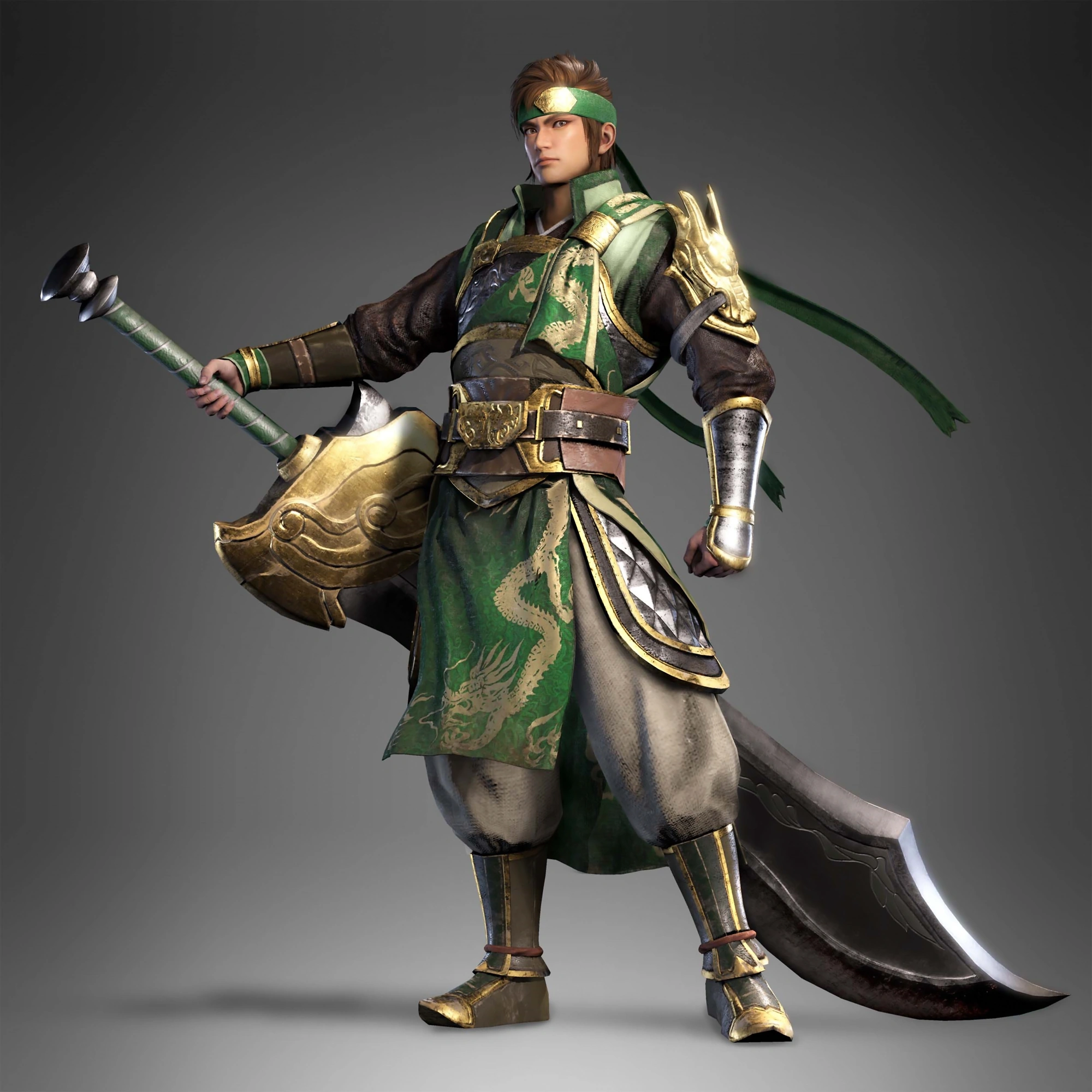
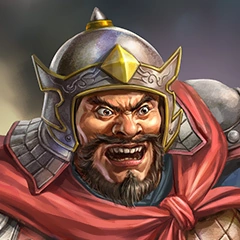
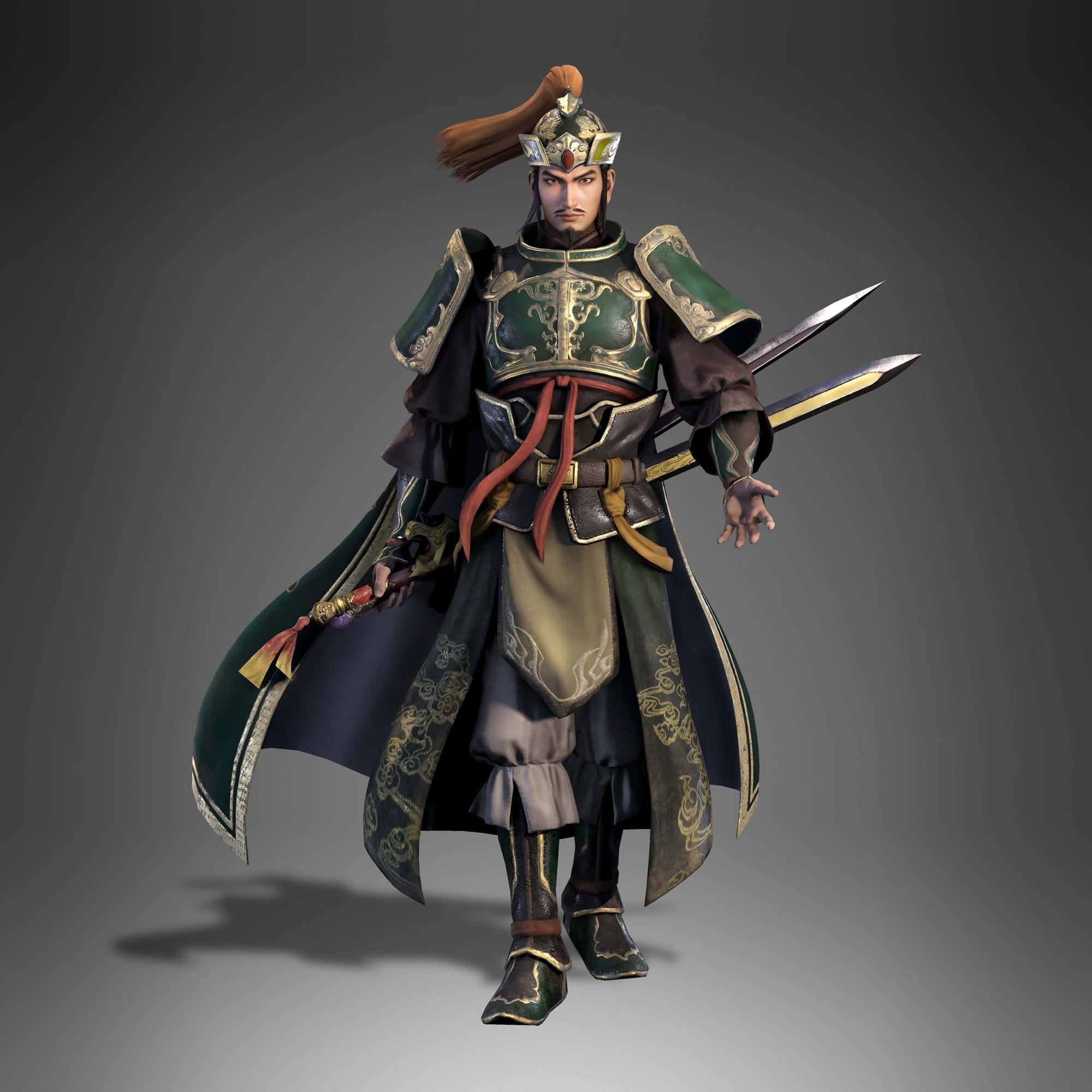
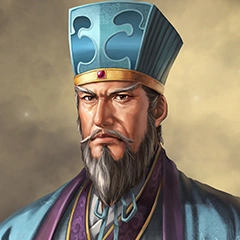
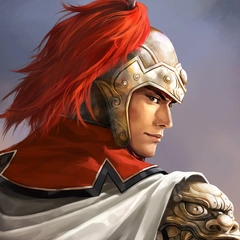
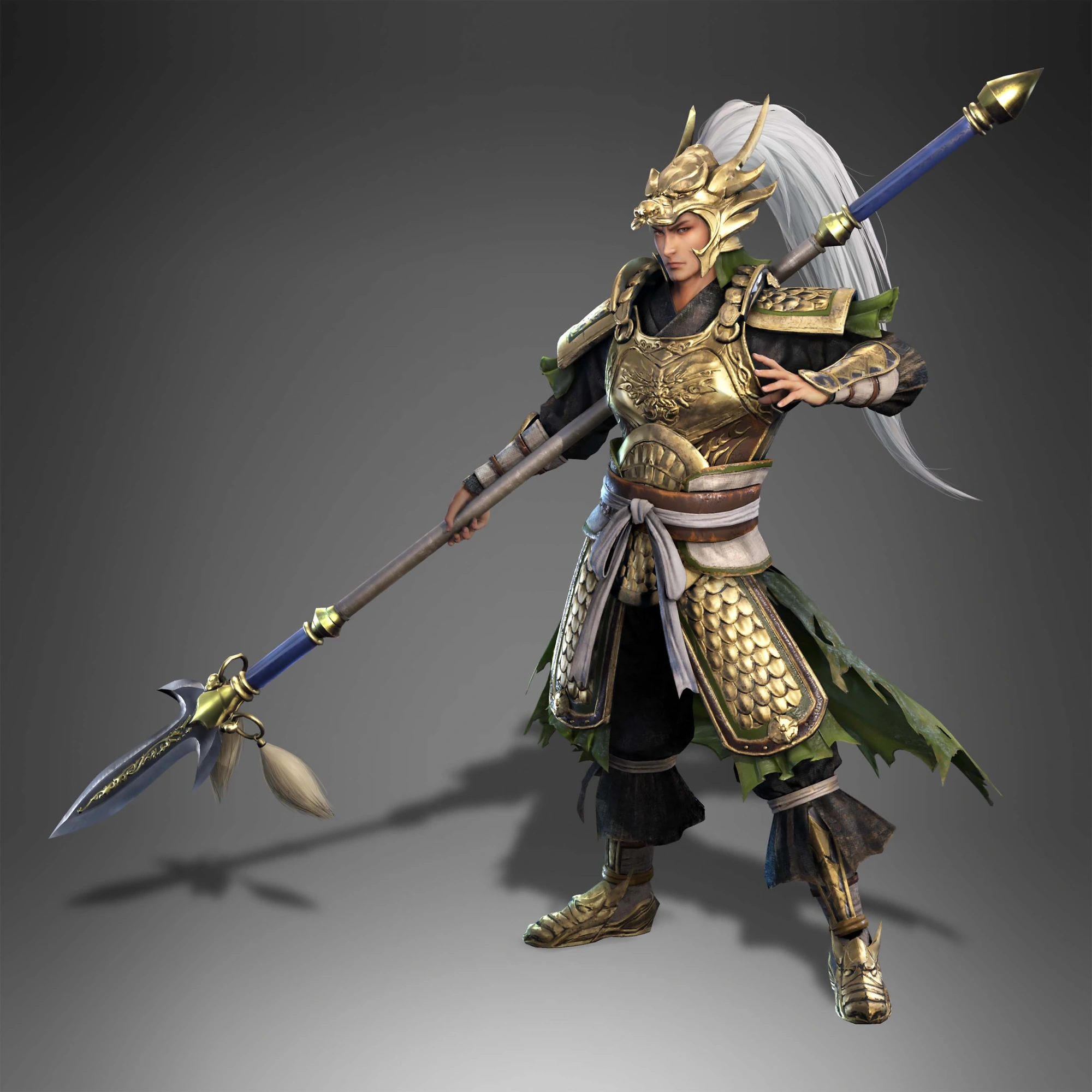
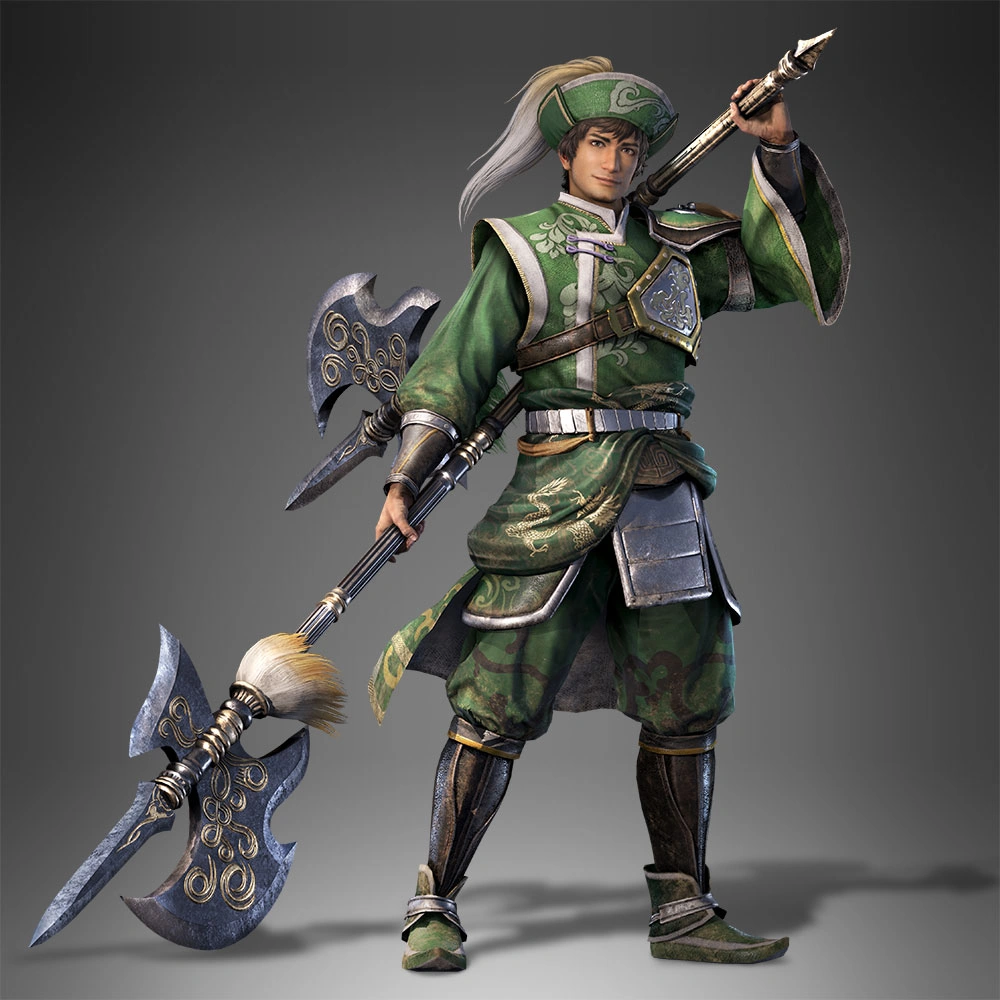
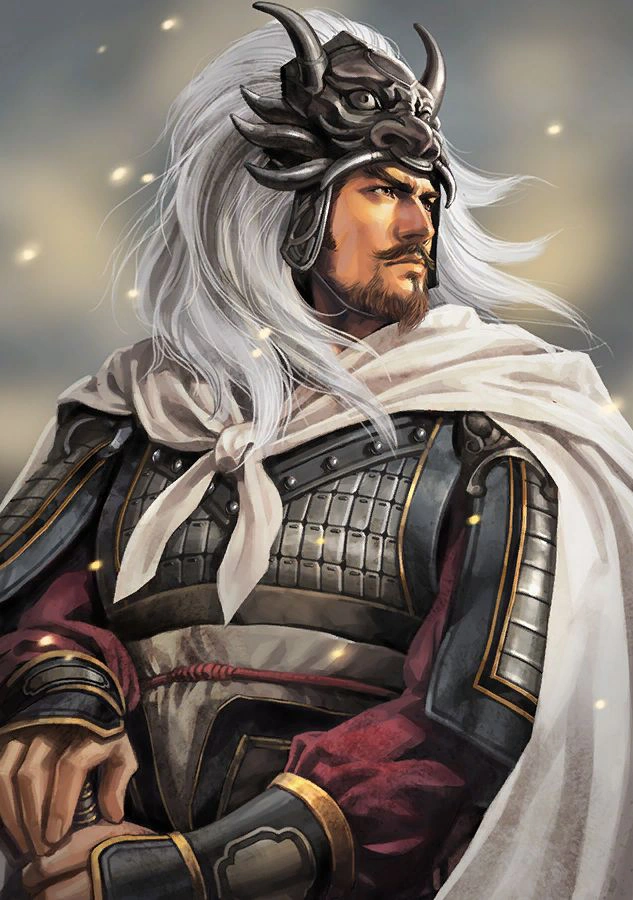
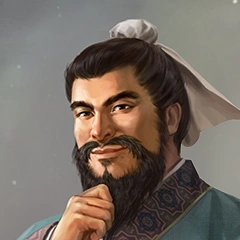
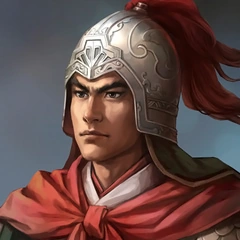
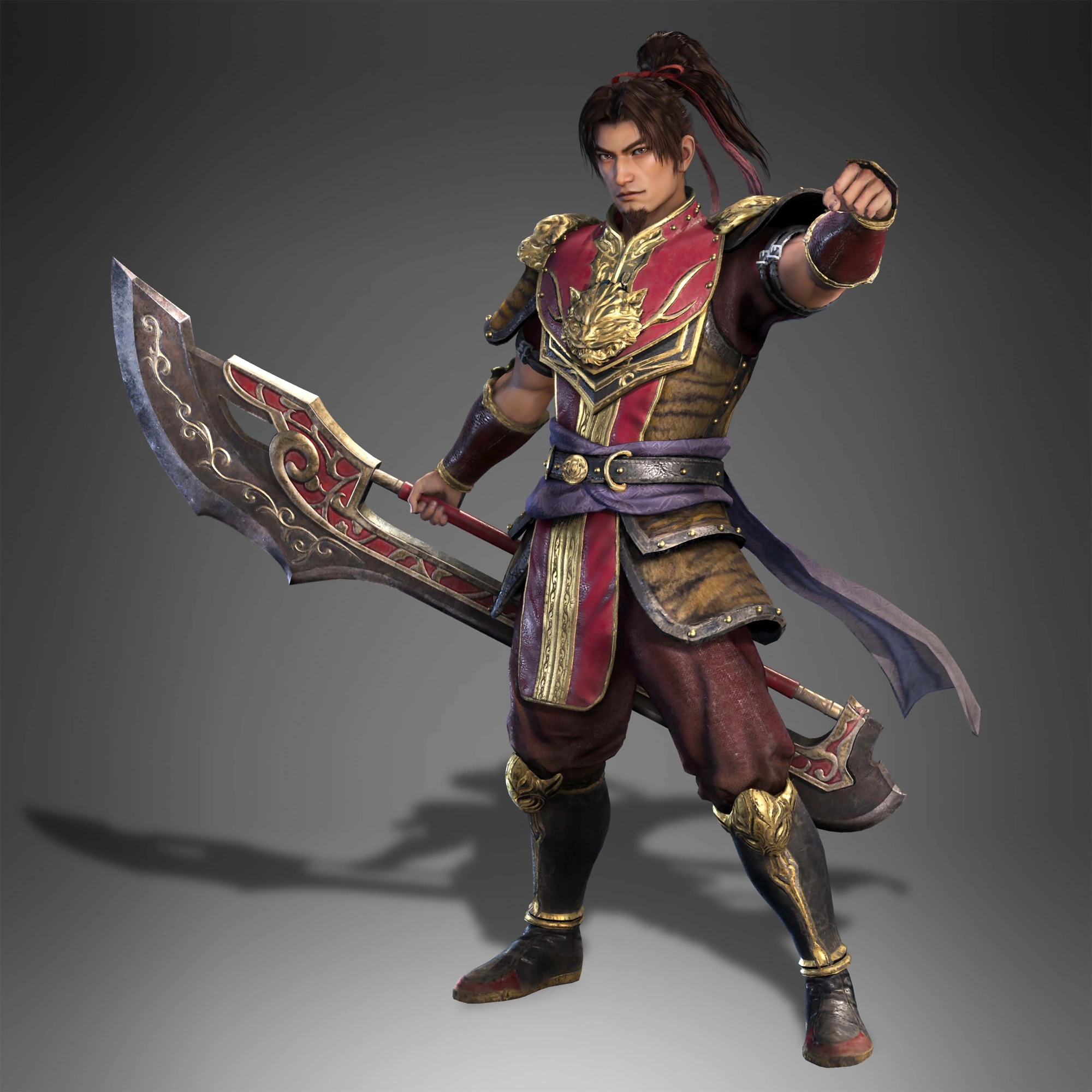
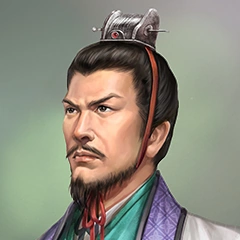
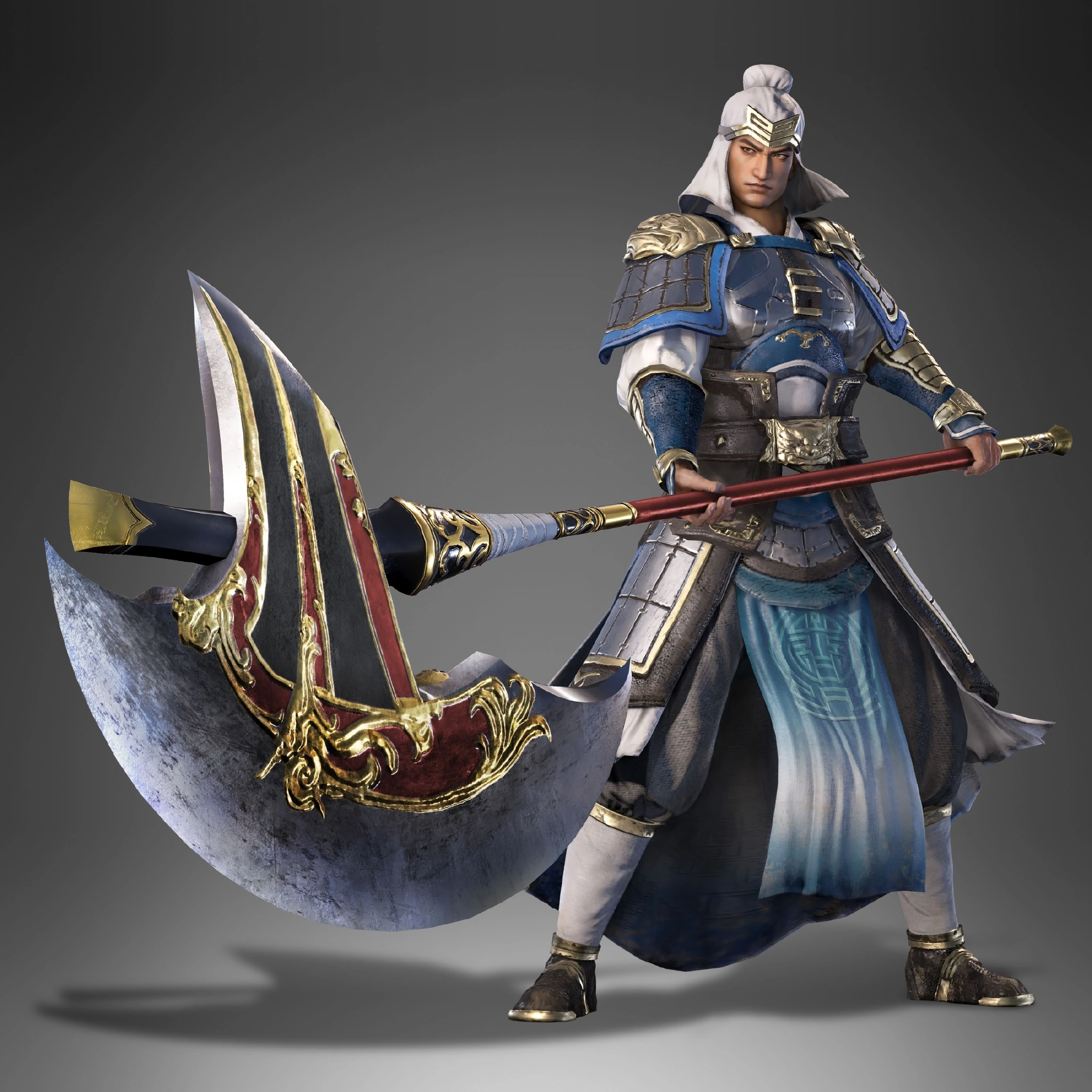
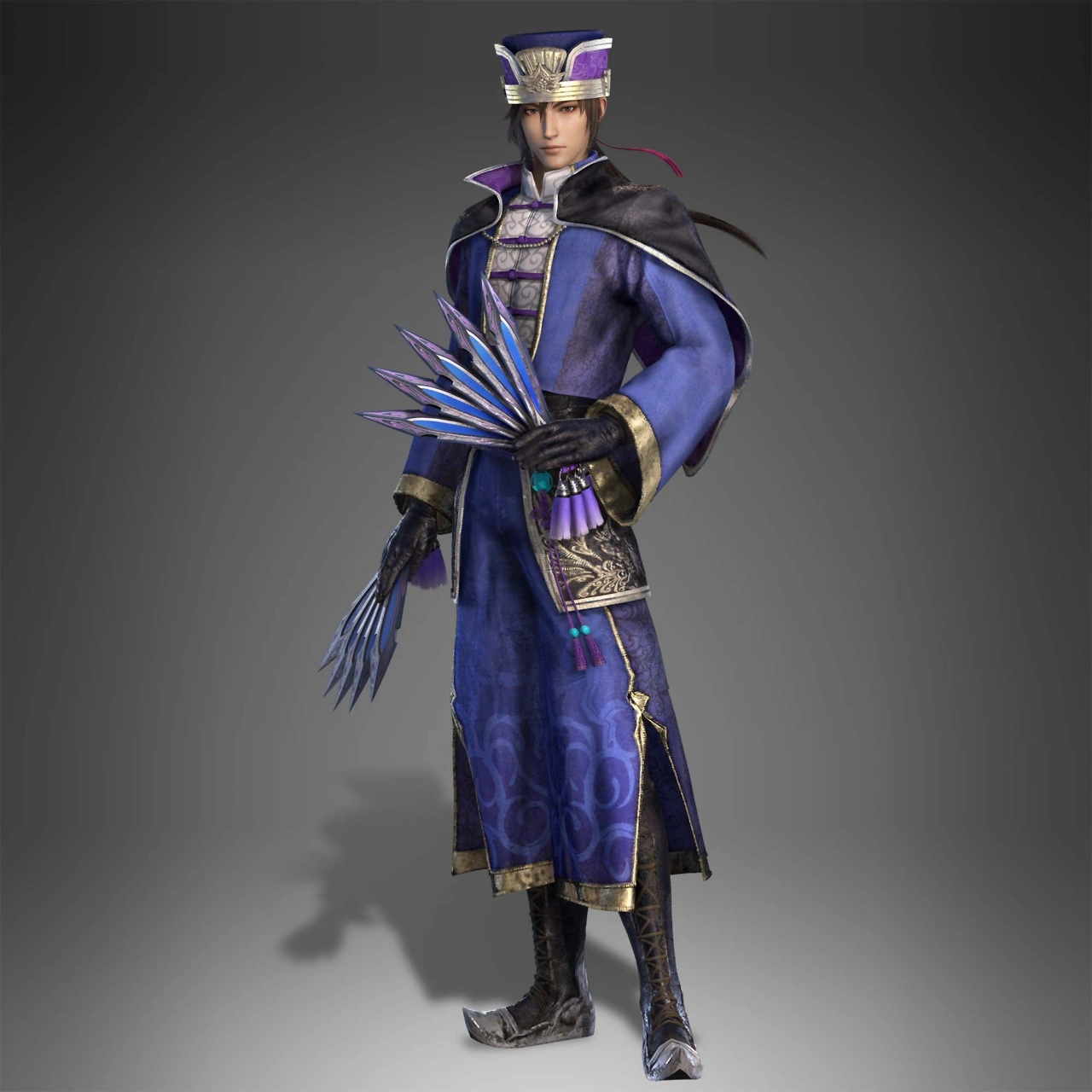
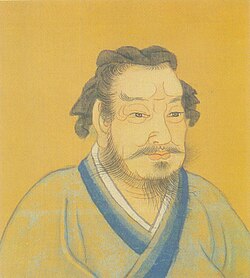
|
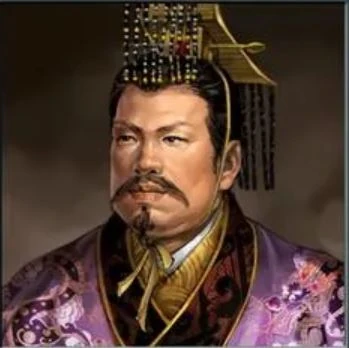
Cao Cao
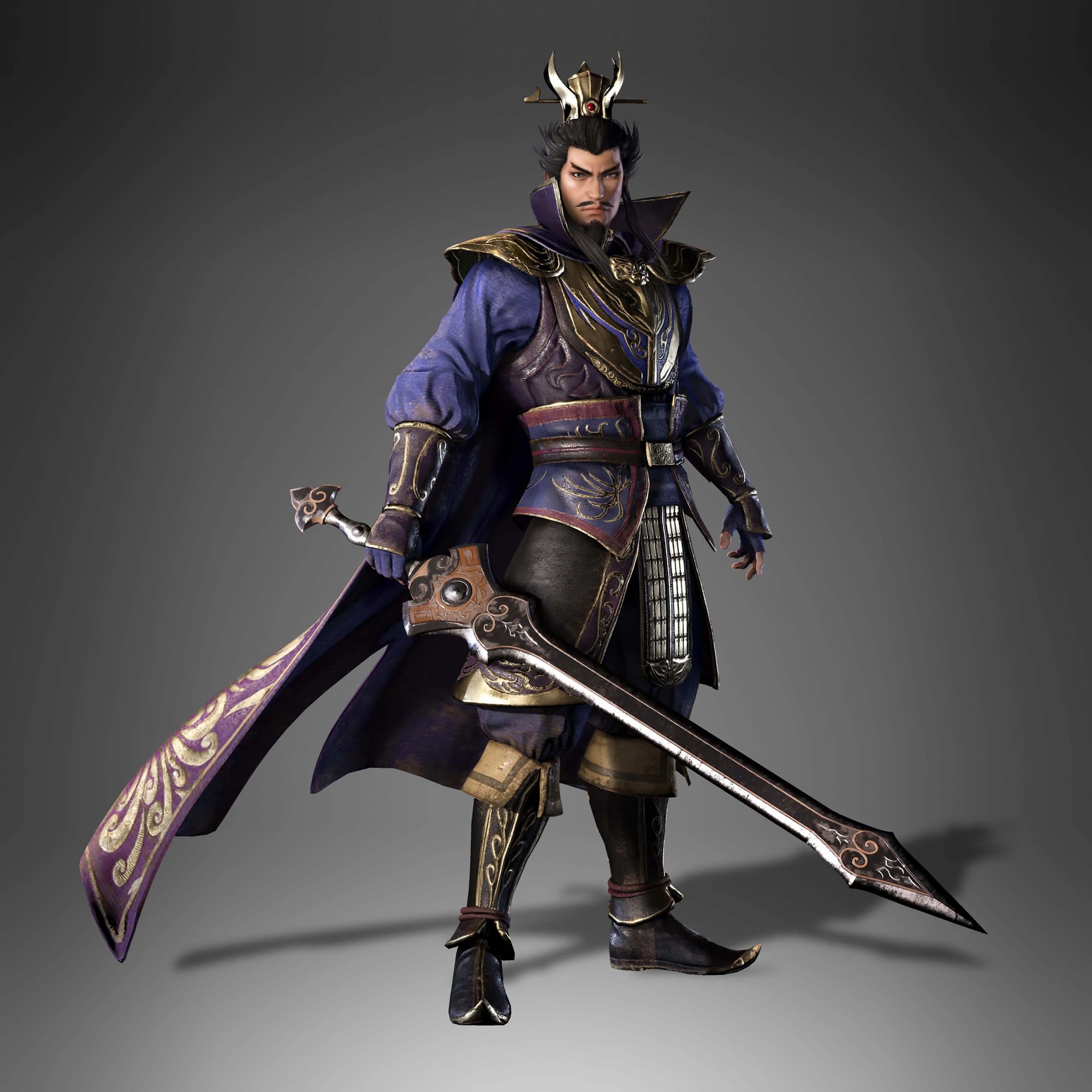
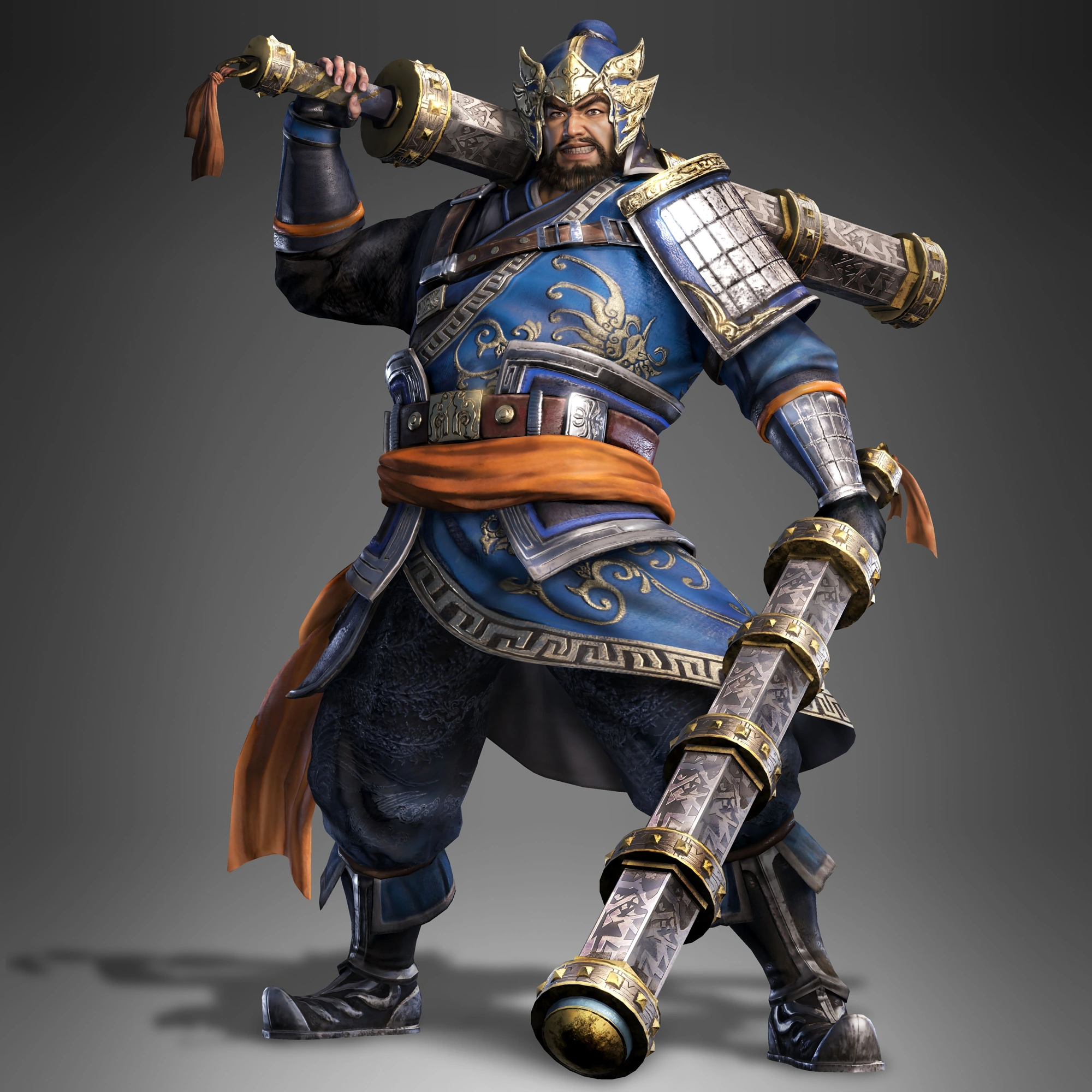
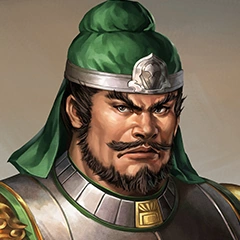
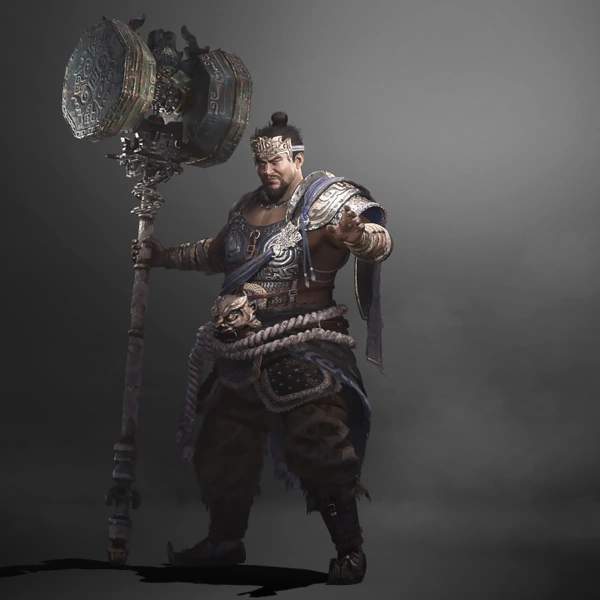
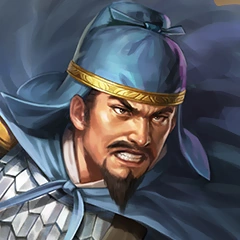
Baits Ma Teng with an imperial title, learns of the review-day assassination plot through a concubine's pillow talk, and springs four armies on the western column - Ma Teng, Ma Xiu, and Huang Kui executed, and the informer Miao Ze beheaded with the woman he betrayed everyone for: 'what advantage would there be in preserving such a miscreant?' The news of Liu Bei's western preparations then stops his southern march cold.
34 mentions in this chapter
2543 mentions in the book
|
|
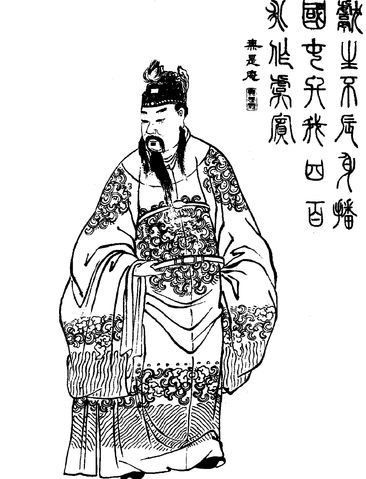
Cao Hong
One of the four ambush leaders whose armies hem in the western column at the review.
1 mention in this chapter
116 mentions in the book
|
|
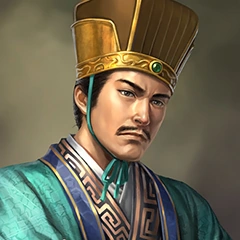
Dong Cheng
The dead conspirator whose Girdle Edict still binds: Ma Teng recounts the society to Ma Chao, and Huang Kui's shout - 'then you have quite forgotten the Girdle Edict, eh?' - is the password that joins the two plotters.
2 mentions in this chapter
104 mentions in the book
|
|
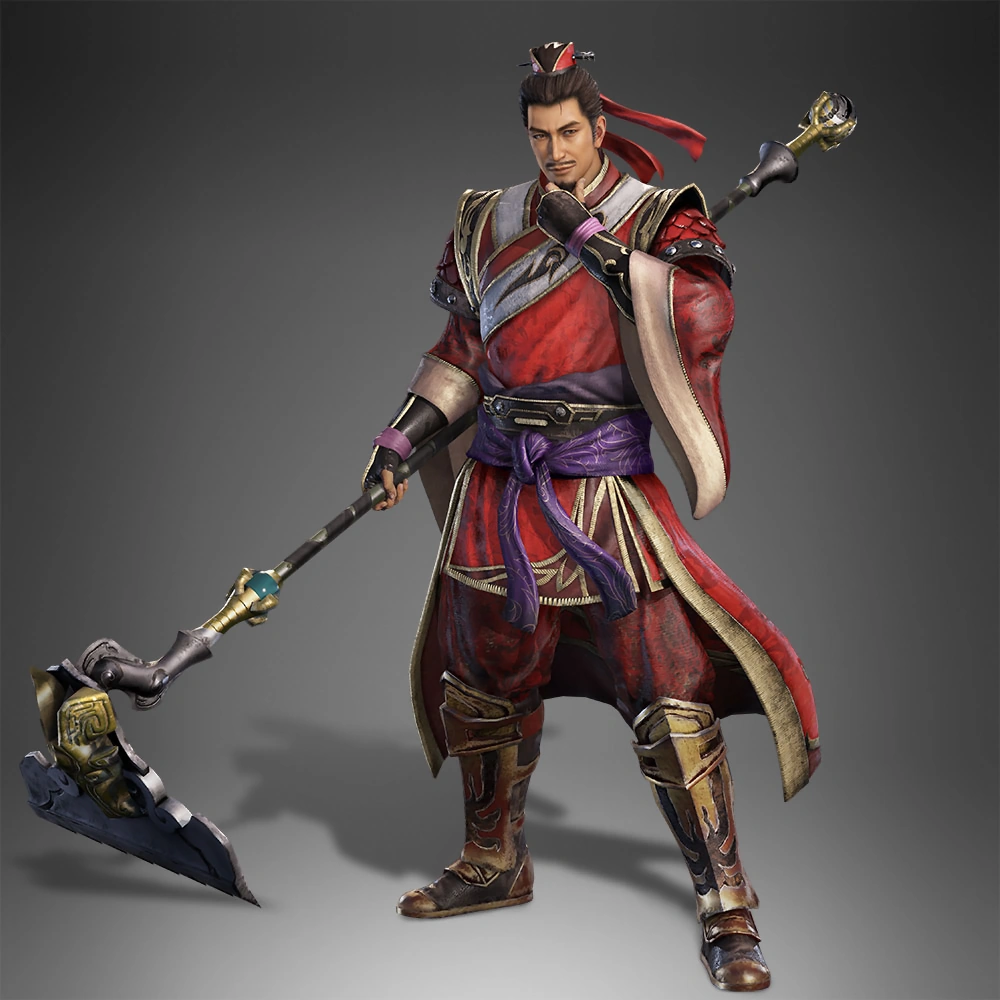
Guan Ping
Shares the Baqiu river blockade with Liu Feng, penning in the expedition Zhou Yu will not survive.
1 mention in this chapter
78 mentions in the book
|
|
Guan Zhong
Lu Su's yardstick for Pang Tong - 'not inferior to the old Guan Zhong or Yue Yi.'
1 mention in this chapter
11 mentions in the book
|
|
Guo Si
Guo Si; named in passing - long dead.
1 mention in this chapter
96 mentions in the book
|
|
Han Sui
Ma Teng's pledged brother, Commander Who Guards the West - half of the deterrent Ma Teng counts on to keep Cao Cao's hands off him.
2 mentions in this chapter
71 mentions in the book
|
|
Huang Kui
Cao Cao's own envoy to Ma Teng - and his father's unavenged death makes him a plotter within an hour of the first cup: he designs the review-day assassination. His drunken confidence to the wrong concubine kills the plot, the plotters, and his whole household.
12 mentions in this chapter
13 mentions in the book
|
|
Jiang Gan
Lamented in the threnody as the false friend whose Poyang Lake visit only displayed Zhou Yu's lofty ideals.
1 mention in this chapter
44 mentions in the book
|
|
Lady Zhi
Huang Kui's wife, who asks what troubles him and is told nothing - while the concubine who asks the same question destroys the family.
1 mention in this chapter
1 mention in the book
|
|
Li Chunxiang
Huang Kui's concubine, coached by her lover Miao Ze to ask one leading question - the pillow talk that betrays the assassination plot. Cao Cao has her executed beside the man who wanted her.
3 mentions in this chapter
3 mentions in the book
|
|
Li Jue
Li Jue; named in passing - long dead.
1 mention in this chapter
118 mentions in the book
|
|
Liu Bei
Judges the Young Phoenix by his unbowed salutation and ugly face and posts him to Leiyang - then, when Zhang Fei returns amazed and Lu Su's letter surfaces ('beware of judging him by his looks'), goes out to meet him and apologizes at the foot of the steps. With both Sleeping Dragon and Young Phoenix in service - 'surely the Hans will rise again.'
29 mentions in this chapter
1978 mentions in the book
|
|
Liu Biao
Named in the threnody's second lament - the guard of distant Baqiu 'putting fear into the heart of Liu Biao.'
1 mention in this chapter
179 mentions in the book
|
|
Liu Feng
Bars the Great River water route at Baqiu with Guan Ping - the blockade that strands Zhou Yu's last expedition.
1 mention in this chapter
63 mentions in the book
|
|
Liu Hong
Emperor Ling, in whose reign the Qiang made trouble and Ma Teng first raised troops - the service that earned his western title.
1 mention in this chapter
49 mentions in the book
|
|
Liu Xie
The Emperor whose name summons Ma Teng - 'Cao Cao has the command of the Emperor to call you; if you do not go, you will be punished.'
3 mentions in this chapter
351 mentions in the book
|
|
Liu Zhang
The letter's verdict on the western war: 'Imperial Protector Liu Zhang may be weak within, but he is strong enough to defend himself' - the argument that breaks Zhou Yu's last hope.
1 mention in this chapter
105 mentions in the book
|
|
Liu Zhi
Emperor Huan, in whose reign Ma Sui held and lost his little Tianshui magistracy.
1 mention in this chapter
18 mentions in the book
|
|
Lu Su
Named successor in the dying memorial and appointed Commander-in-Chief - but immediately tries to give the post away: Pang Tong is the abler man, 'not inferior to the old Guan Zhong or Yue Yi.' When Sun Quan rejects the ugly genius, Lu Su redirects him to Liu Bei with a letter - and a mission: keep the two houses at peace against Cao Cao.
20 mentions in this chapter
249 mentions in the book
|
|
Ma Chao
Counsels obedience to the imperial summons, offers to march on the capital instead - and is ordered to stay commanding the Qiang troops, the deterrent his father wrongly trusts to keep Cao Cao honest. His farewell warning: 'be careful not to enter the city till you know exactly what plots are afoot.'
3 mentions in this chapter
282 mentions in the book
|
|
Ma Dai
The one voice against going - 'Cao Cao's designs are unfathomable' - and the one who escapes: warned by fugitives from the rearguard, he abandons his army and slips through the sealed passes disguised as a trader.
4 mentions in this chapter
123 mentions in the book
|
|
Ma Sui
Ma Teng's father: a minor magistrate of Tianshui under Emperor Huan who lost his post, drifted west among the Qiang, and married a Qiang woman - the frontier blood of the Ma line.
2 mentions in this chapter
2 mentions in the book
|
|
Ma Teng
Descendant of Ma Yuan, son of a Qiang mother, sworn brother of Han Sui - and still bound by the Girdle Edict he signed with Dong Cheng: he marches to the summons hoping to finish that old work. Huang Kui's drunken sincerity draws him into the review-day assassination plan; betrayed through a concubine, hemmed in by four armies, he is captured wounded and dies abusing Cao Cao: 'it is the will of God!'
22 mentions in this chapter
67 mentions in the book
|
|
Ma Tie
The youngest son, sharing the van with Ma Xiu - first to die, falling in the volleys of arrows when the four ambush armies close.
2 mentions in this chapter
3 mentions in the book
|
|
Ma Xiu
Rides as Leader of the Van with his brother Ma Tie; captured wounded beside his father when their arrow-struck horses fall, and executed with him, cursing to the end.
2 mentions in this chapter
3 mentions in the book
|
|
Ma Yuan
The Waves Queller, ancestor of Ma Teng - invoked again in the elegy: 'Old Waves Queller's name his grandson glorified.'
1 mention in this chapter
8 mentions in the book
|
|
Miao Ze
Lady Zhi's younger brother, who wanted his sister's husband's concubine: he coaches the question, carries the secret to Cao Cao, and asks only for Li Chunxiang as his reward - receiving instead the executioner: 'what advantage would there be in preserving such a miscreant?'
4 mentions in this chapter
4 mentions in the book
|
|
Pang Tong
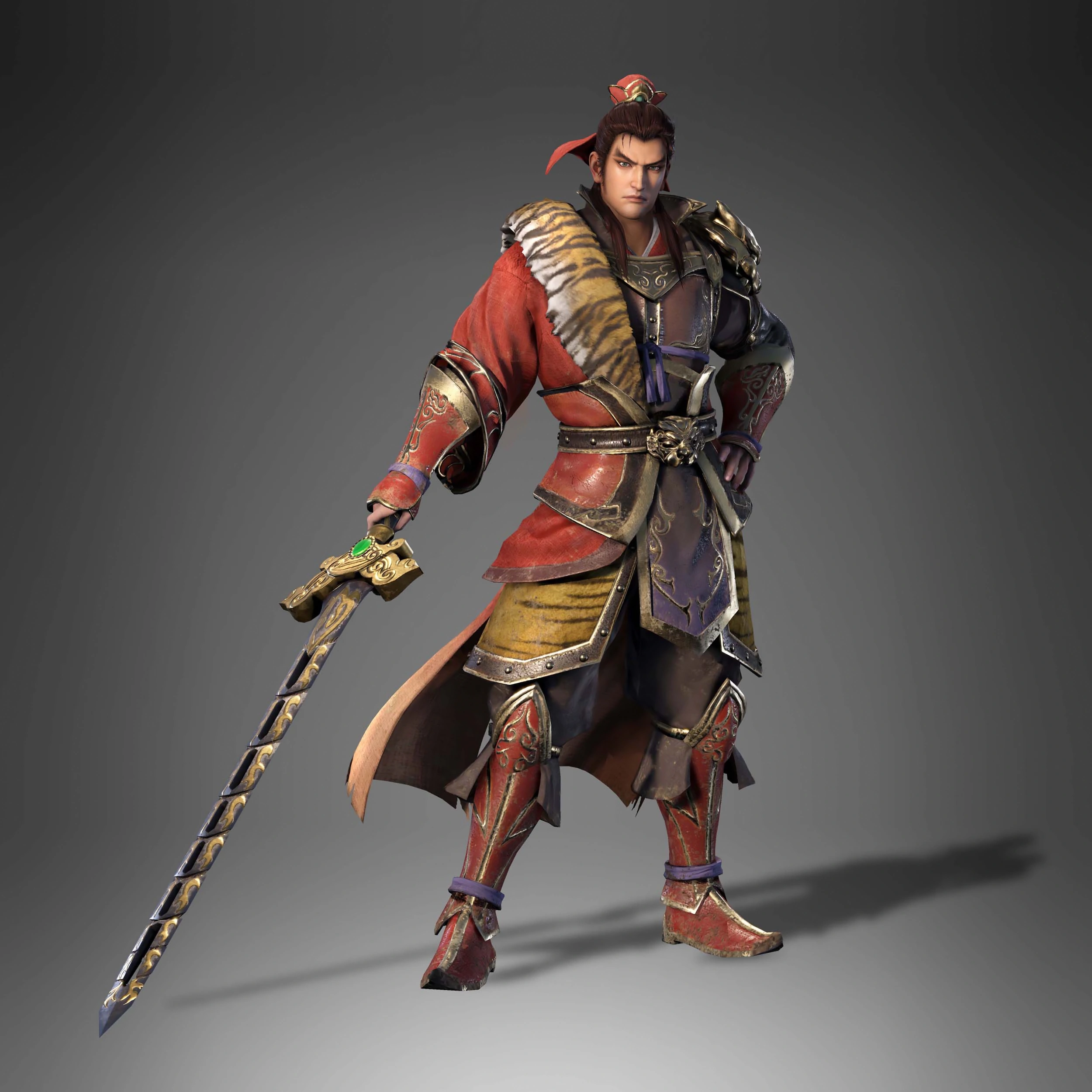
Clutches Zhuge Liang's arm at the embarkation laughing at the funeral theatre, is rejected by Sun Quan for his face and his boast, and carries two letters to Jingzhou - showing neither. Fobbed off with the paltry magistracy of Leiyang, he drinks for a hundred days, then clears every arrear of business in half a day before the astonished Zhang Fei: 'when I can take on Cao Cao and Sun Quan as easily as I can read this paper...' Liu Bei begs pardon at the foot of the steps and makes him Vice Directing Instructor.
26 mentions in this chapter
115 mentions in the book
|
|
Sima Hui
Water Mirror's old prophecy is redeemed in Liu Bei's mouth: with both Sleeping Dragon and Young Phoenix in service, 'surely the Hans will rise again.'
1 mention in this chapter
24 mentions in the book
|
|
Sun Ce
The companion of Zhou Yu's younger days in the threnody - the humble-cottage friendship the mourner laments first.
1 mention in this chapter
242 mentions in the book
|
|
Sun Hu
Sun Quan's brother, sent to reinforce the western expedition - he presses the army to Baqiu, where the blocked advance and Zhuge Liang's letter end everything.
3 mentions in this chapter
7 mentions in the book
|
|
Sun Qian
Sent as Zhang Fei's coadjutor for tact - and supplies it, staying the summary dismissal: 'Pang Tong is a man of great ability; let us inquire into it.'
2 mentions in this chapter
93 mentions in the book
|
|
Sun Quan
Weeps aloud over the memorial ('whom have I to lean upon?'), honors the coffin at Wuhu, and provides for Zhou Yu's children - then throws away the successor Zhou Yu's equal: repelled by the bushy brows and turned-up nose, stung by 'mine is far greater', he dismisses Pang Tong with a vow never to employ him.
21 mentions in this chapter
603 mentions in the book
|
|
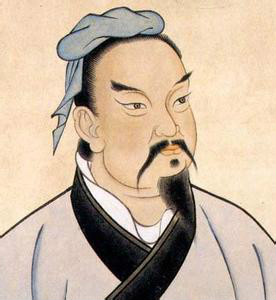
Sun Tzu
Cited twice: even Sun Zi the Famed Strategist could not guarantee Zhou Yu's western war, and Pang Tong's plans equal his.
2 mentions in this chapter
16 mentions in the book
|
|
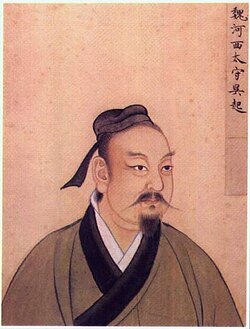
Wu Qi
Wu Qi the Great General, named in Zhuge Liang's fatal letter and again in Lu Su's praise of Pang Tong.
2 mentions in this chapter
9 mentions in the book
|
|
Xiahou Yuan
Commands one face of the four-sided review-day trap.
1 mention in this chapter
105 mentions in the book
|
|
Xu Chu
Leads one of the four ambush armies that close on Ma Teng at the review.
1 mention in this chapter
135 mentions in the book
|
|
Xu Huang
Closes the fourth side of the trap that ends the Ma family's embassy.
1 mention in this chapter
148 mentions in the book
|
|
Xun Yu
Author of both halves of the capital's scheming: attack the south first now that Zhou Yu is dead - and lure Ma Teng in with the title of General Who Subdues the South, 'thus he can be enticed to the capital and got rid of.'
2 mentions in this chapter
70 mentions in the book
|
|
Yue Yi
Paired with Guan Zhong in Lu Su's estimate of the Young Phoenix.
1 mention in this chapter
13 mentions in the book
|
|
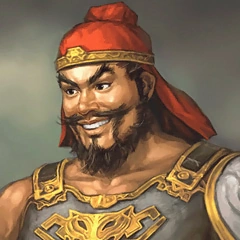
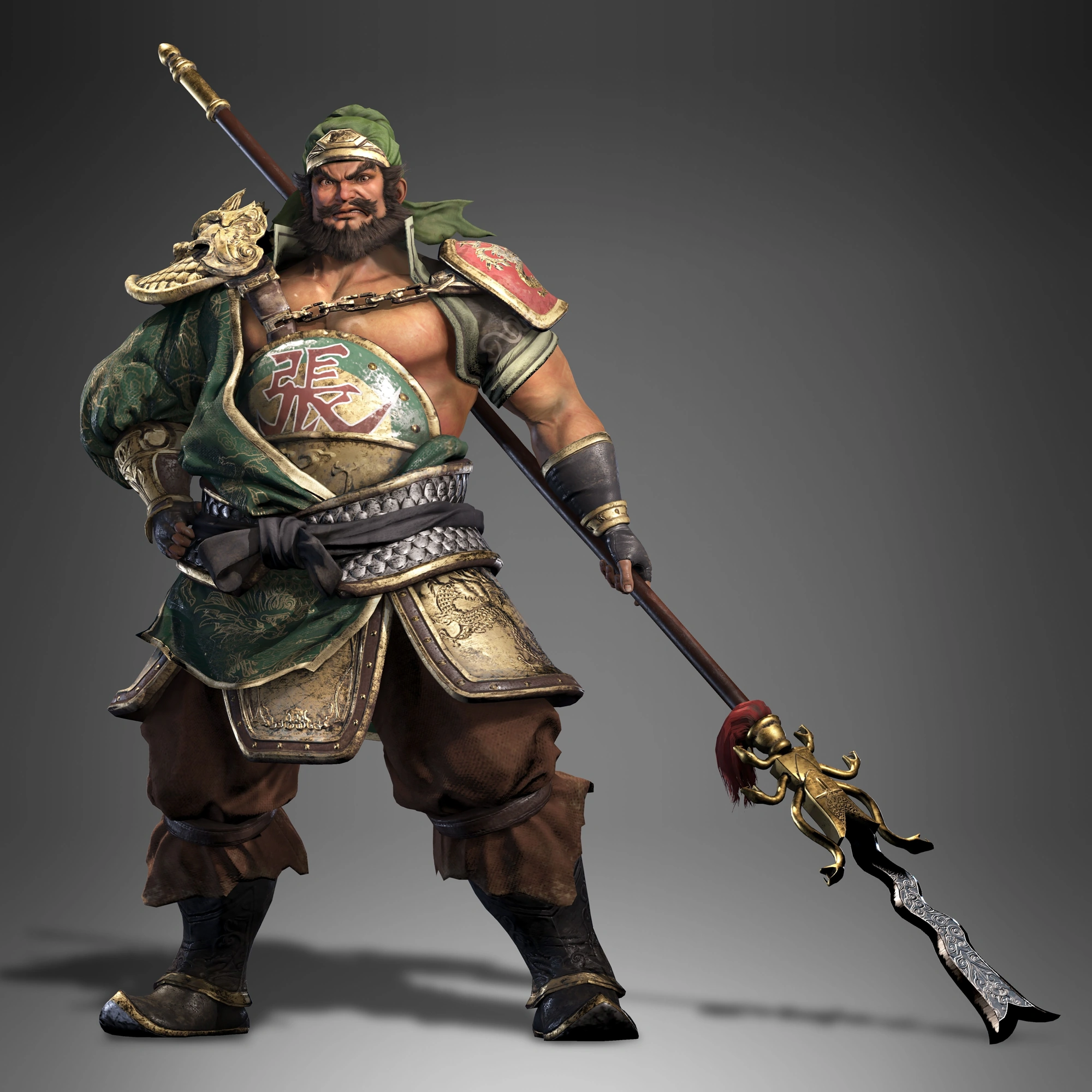
Zhang Fei
Sent to inspect the drunken magistrate and ready to dismiss him on the spot - until Pang Tong disposes of a hundred days' arrears by midday, and Zhang Fei crosses the hall: 'you are indeed a marvel, Master.' His report undoes his brother's mistake.
11 mentions in this chapter
520 mentions in the book
|
|
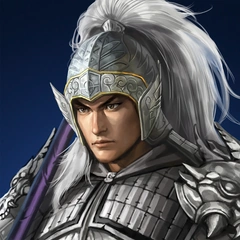
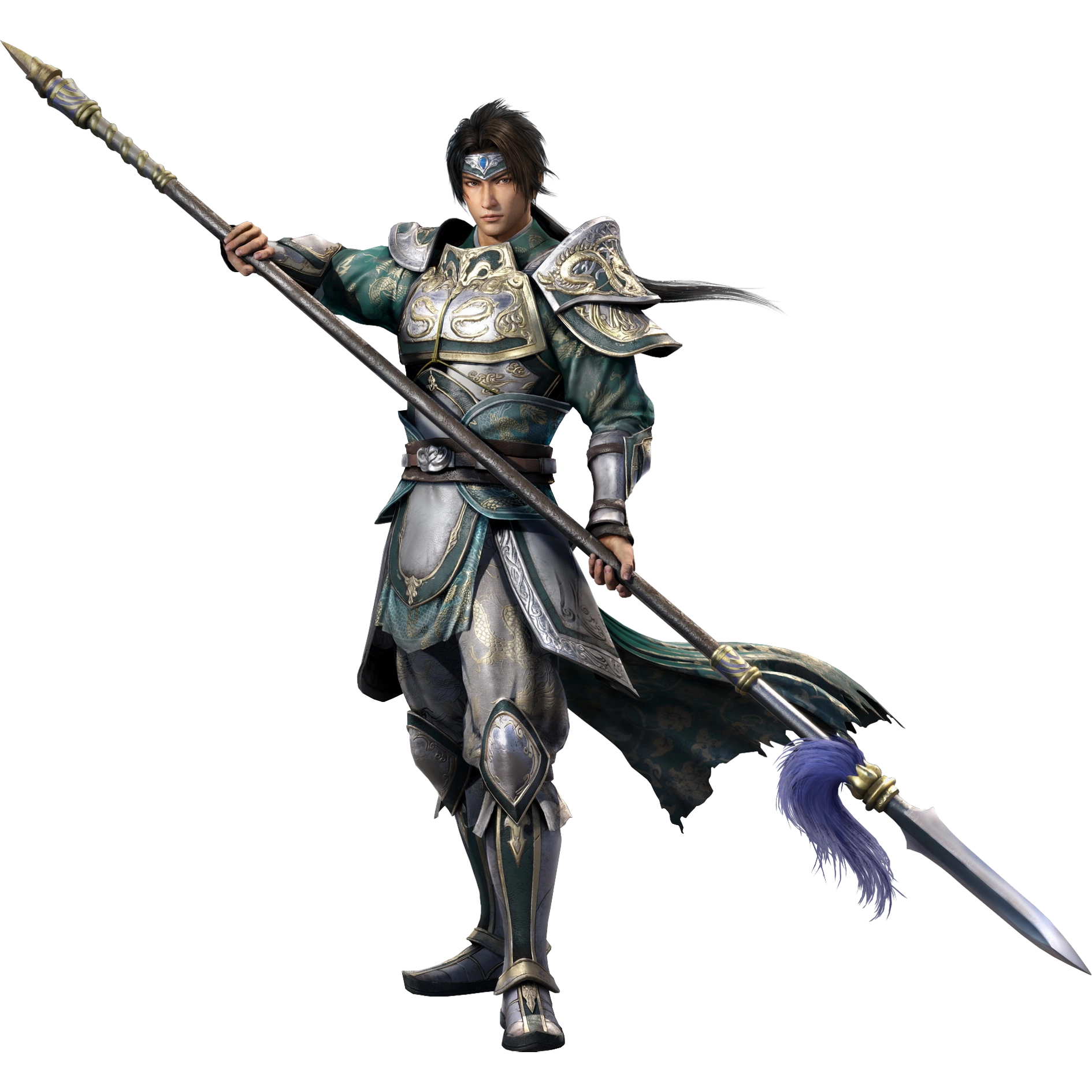
Zhao Yun
Commands the funeral escort - the redoubtable presence at Zhuge Liang's shoulder that keeps the grieving southern officers' hands off their swords.
2 mentions in this chapter
475 mentions in the book
|
|
Zhou Xun
Zhou Yu's elder son, one of the two boys and a girl Sun Quan takes into his generous care.
1 mention in this chapter
1 mention in the book
|
|
Zhou Yin
Zhou Yu's younger son, raised with his brother and sister under Sun Quan's protection.
2 mentions in this chapter
2 mentions in the book
|
|
Zhou Yu
Blocked at Baqiu by Liu Feng and Guan Ping, he receives Zhuge Liang's letter proving the western expedition hopeless - writes his dying memorial recommending Lu Su, sighs the famous line to heaven ('O God, since you made Zhou Yu, why did you also create Zhuge Liang?'), and dies at thirty-six. Sun Quan weeps aloud, buries him in his native place, and takes his three children under his care.
22 mentions in this chapter
479 mentions in the book
|
|
Zhuge Liang
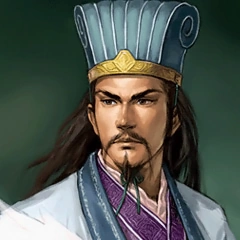
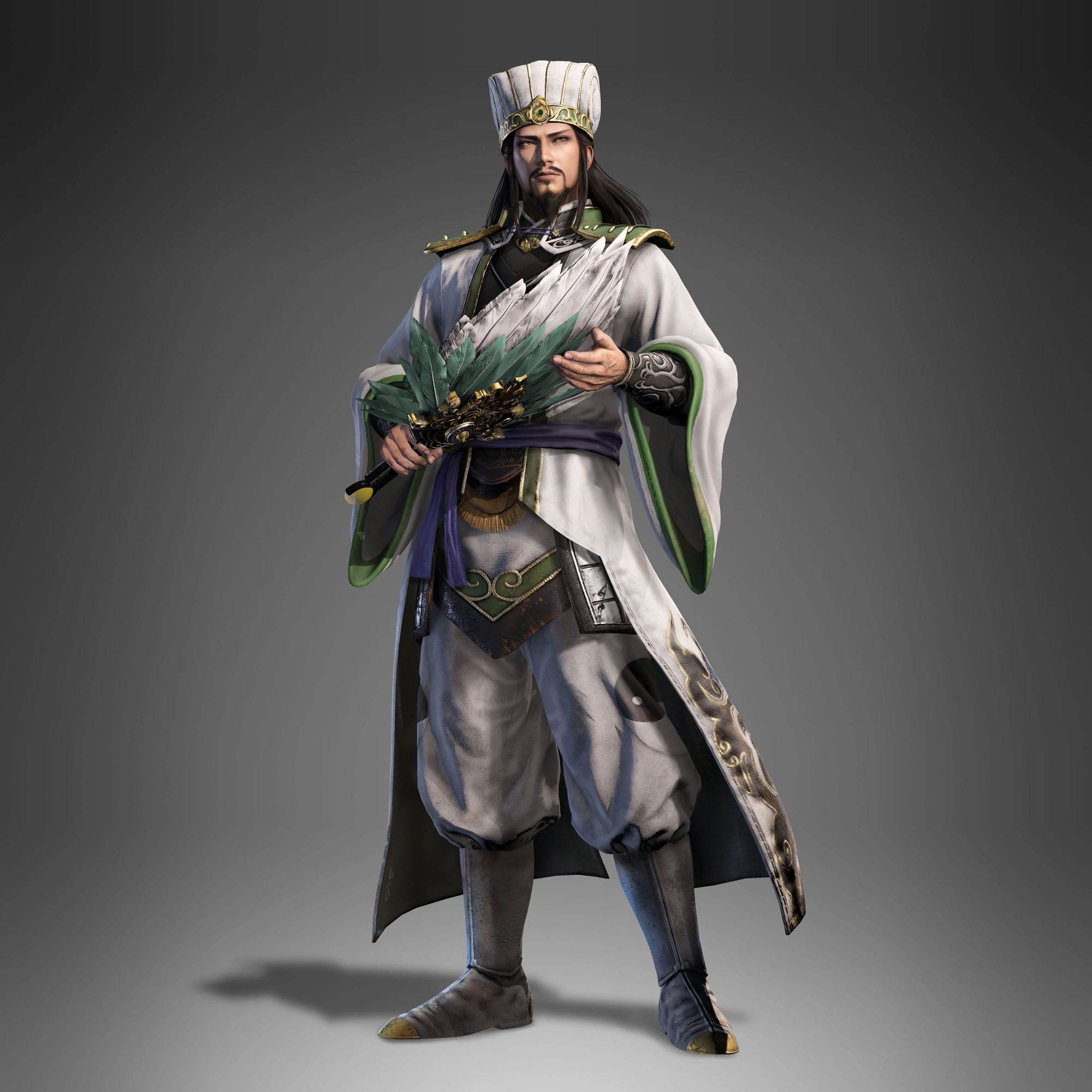
His letter kills the western expedition and, the poem implies, its author; reading the falling star he smiles 'Zhou Yu is dead' - then sails to Chaisang under Zhao Zilong's guard and delivers the threnody that converts the hostile mourners: 'people lied when they said these two were enemies.' On the shore Pang Tong clutches his arm; he answers with a letter of introduction to Liu Bei - and later has to explain why the transcendent drink themselves through paltry posts.
27 mentions in this chapter
1454 mentions in the book
|
-
Baqiu Settlement
-
Chaisang County County
-
Jing Province Province
-
Leiyang County
-
Nanyang Commandery Commandery(33.0017, 112.5355)
-
-
-
Poyang Lake Lake
-
Red Cliffs Battlefield
-
Tianshui Commandery Commandery(34.7376, 105.4484)
-
West River Land Region
-
West Valley Land Region
-
Wu (Three Kingdoms) Region
-
Wuhu County
-
Xiliang Region
-
Xuchang City
-
Yangtze River River
-
Yi Province Province(31.0466, 104.3000)